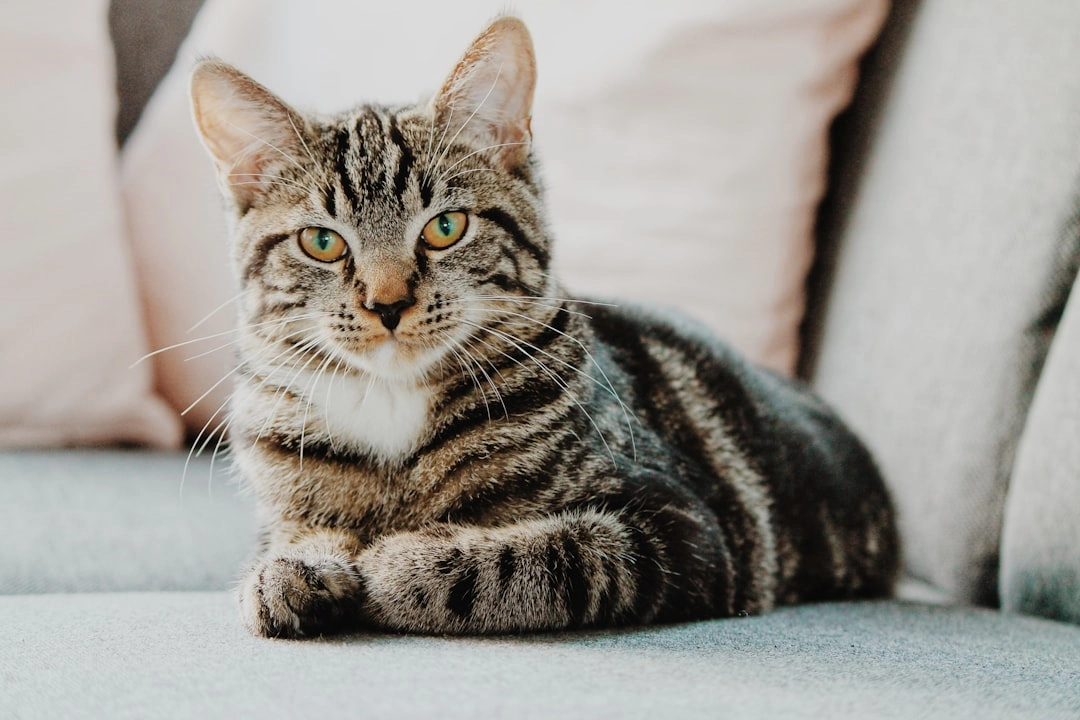
Decoding Your Cat’s Nocturnal Pacing
Have you ever found yourself wide awake in the middle of the night, listening to the sound of your cat pacing back and forth? This behavior, often referred to as excessive night pacing, can be puzzling and even frustrating for cat owners. While cats are naturally nocturnal creatures, their nighttime antics can sometimes indicate underlying issues that warrant attention. Understanding why your feline friend engages in this behavior is crucial for both their well-being and your peace of mind.
Interestingly, studies have shown that cats are more active during twilight hours, a behavior inherited from their wild ancestors who hunted during these times. However, when this pacing becomes excessive, it may signal stress, anxiety, or even health problems. As a responsible pet owner, it’s essential to recognize the signs and understand the reasons behind this behavior. In this blog post, we will explore the various factors contributing to cat night pacing and provide solutions to help you and your furry companion find a harmonious nighttime routine.
Unraveling Feline Nighttime Behavior
To effectively address your cat’s nighttime pacing, it’s important to first understand the basics of feline behavior. Cats are complex creatures with a rich tapestry of instincts and behaviors that have evolved over thousands of years. Their natural instincts play a significant role in their actions, especially during the night when they are most active.
One of the primary reasons for nighttime pacing is rooted in a cat’s predatory nature. In the wild, cats are solitary hunters, and their hunting instincts are triggered by movement and sounds. This instinct can manifest in domestic cats as they roam their territory, exploring and investigating their environment. However, when this behavior becomes excessive, it may indicate that your cat is feeling anxious or stressed.
Another factor to consider is the impact of environmental changes. Cats are creatures of habit, and any disruption to their routine can lead to anxiety. This could include changes in the household, such as new pets, moving to a new home, or even changes in your schedule. Cats may pace at night as a way to cope with their unease, seeking comfort in familiar patterns of behavior.
Additionally, boredom can be a significant contributor to nighttime pacing. Cats require mental and physical stimulation to stay engaged and happy. If they are not provided with enough enrichment during the day, they may resort to pacing at night as a way to expend excess energy. Interactive toys, climbing structures, and regular playtime can help alleviate boredom and reduce nighttime pacing.
Health issues can also play a role in your cat’s nighttime behavior. Conditions such as hyperthyroidism, arthritis, or cognitive dysfunction can lead to restlessness and pacing. If your cat’s behavior changes suddenly or is accompanied by other concerning symptoms, it’s essential to consult with a veterinarian to rule out any underlying health problems.
Understanding your cat’s behavior is key to addressing their nighttime pacing. By recognizing the signs of stress, boredom, or health issues, you can take proactive steps to create a more comfortable environment for your feline friend. This may include establishing a consistent routine, providing enrichment activities, and ensuring that your cat feels secure in their surroundings.
In summary, excessive night pacing in cats can stem from a variety of factors, including their natural instincts, environmental changes, boredom, and health issues. By taking the time to understand these behaviors, you can help your cat feel more at ease during the night, leading to a more restful sleep for both you and your furry companion.
Transforming Nighttime Pacing through Positive Training
Training your cat to behave appropriately during the night is an essential aspect of cat ownership, especially if their pacing is causing disruptions during your sleep. Proper training not only benefits your feline companion but also enhances the bond you share, reduces frustration for both of you, and creates a more peaceful home environment. Understanding that training needs to be rooted in a context that your cat can relate to will pave the way for successful implementation.
The primary principle to adopt in this journey is that cats, much like humans, respond best to positive reinforcement. Utilizing rewards for desired behaviors is a crucial tactic to encourage nighttime calmness and reduce pacing. Begin the training process during the day when your cat is more alert and likely to engage with you. This is crucial for fostering a learning atmosphere since daytime training often leads to greater receptivity and quicker results.
Start by designating specific training times, where you can engage with your cat in short, focused sessions. Cats have relatively short attention spans, so the sessions should ideally last around 5 to 10 minutes. Use appealing treats or engaging toys as rewards when they demonstrate calming behaviors or lie down contentedly. Gradually, during these sessions, you will teach them to settle down rather than engage in incessant nocturnal wandering. The use of clicker training may also enhance results; associating a sound with a behavior provides positive feedback, indicating to your cat that they are doing something right.
Alongside positive reinforcements, creating a more enriched environment can aid training significantly. By providing interactive toys, scratching posts, and places to climb or explore, your cat will feel mentally stimulated during the day, thereby decreasing the need for excessive nighttime exploration. Schedule playtimes where your cat gets to expel energy before their ideal nighttime, perhaps by initiating active games such as using feather wands or laser pointers. Exercise not only satisfies a cat’s natural hunting drive but also relaxes them as they prepare to wind down for the night.
Bear in mind that consistency is vital. Regardless of the tactics employed, they must remain regular and unfaltering as they relate to the expectations you set for your cat. Whether employing clicker techniques, scheduling exercise sessions, or timing interactions, establishing consistent behaviors day in and day out creates a structured environment that your cat can depend upon.
Navigating Behavioral Challenges in Your Cat
Every cat owner has experienced unique behavioral challenges, especially when it involves pacing and restlessness during the night. Recognizing that these behaviors can come about due to various underlying issues is essential in addressing them accurately. Cats may act out because of fear, stress, health issues, or even lack of environmental stimulation. Identifying and understanding the root of these issues allows for more informed interventions.
When facing nighttime pacing, the first step is to delve into the context. Observe and note the instances when your cat starts their pacing. Is there an apparent trigger, such as the presence of loud noises, strangers, or changes in routine? Taking note of specific circumstances may reveal insights into the pacing behaviors your cat exhibits, guiding you to resolve issues more effectively. Environment can serve as one part of the solution—a safe, quiet place where your cat feels secure may very well calm some aspects of their pacing. Making adjustments such as soundproofing or removing them from stressful environments during peak nighttime may yield immediate results.
Stress in cats can often stem from shifts in household dynamics as well, including the introduction of new pets or movements. Addressing behavioral issues may entail giving your feline companion more time to adapt to the changes, often reinforcing calm during exploration of the new environment. Consulting with your veterinarian during high-stress transitional periods can reveal psychological tools or treatment options best suited for their situation, which alleviates tension around their pace-related disruptions.
It’s essential to mention that if nighttime pacing persists or escalates despite consistent training and attempts to enrich your cat’s environment, it may be an indication of an underlying medical condition. Cats might demonstrate pacing tendencies as a symptom of conditions ranging from hyperthyroidism to neurological disorders. Be attentive to other possible signs of discomfort, illness, or pain during this stage. A consultation with a qualified veterinarian should help rule out these factors for peace of mind and to obtain credible assessment and proper healthcare regimen.
In most scenarios, combining sensible training approaches with techniques for addressing behavioral issues tends to produce the best results. The successful outcome will be defined not only by encouraging quieter nights for yourself but also yielding a calmer existence for your cat, making a collective effort essential.

Boosting Your Cat’s Happiness through Enrichment and Play
Understanding the significance of mental and physical stimulation for your cat is crucial in addressing issues like excessive night pacing. Cats are inherently curious and playful creatures, and when they do not receive adequate enrichment, they may resort to behaviors that can be frustrating for their owners. Enrichment activities provide both mental and physical engagement, allowing cats to express their natural instincts and behaviors in a healthy way.
When cats lack stimulation, they can become bored or anxious, leading to various behavioral problems, including pacing, excessive meowing, or even destructive behavior. By incorporating enrichment into their daily routine, you can prevent these issues from arising. Engaging your cat in activities that challenge their intellect and allow them to explore their environment is essential for their well-being.
There are several effective ways to provide enrichment for your cat. One of the simplest methods is to incorporate interactive toys that encourage play and exploration. Toys that mimic prey, such as feather wands or laser pointers, can stimulate your cat’s hunting instincts, promoting exercise and mental engagement. Additionally, puzzle toys that dispense treats require your cat to think critically and problem-solve, offering both a reward and an engaging activity.
Another aspect of enrichment involves creating an engaging environment. Providing climbing structures, such as cat trees or shelves, allows your cat to explore vertical spaces, which is an essential part of their natural behavior. Cats enjoy observing their surroundings from elevated positions, and this exploration can reduce boredom and encourage physical activity.
Scheduled playtime is also vital in keeping your cat mentally and physically stimulated. Engaging in interactive play sessions multiple times a day not only strengthens your bond but also helps expend excess energy that could otherwise lead to pacing at night. By playing with your cat before bedtime, you can encourage them to settle down and prepare for sleep, making nighttime pacing less likely.
In addition to physical play, incorporating sensory enrichment is essential. Introducing different textures, scents, and sounds can stimulate your cat’s senses. For example, rotating toys, using catnip, or even introducing safe plants can create a more stimulating environment. Sensory experiences keep your cat engaged and curious, making them less likely to exhibit pacing behaviors due to boredom.
In summary, enriching your cat’s life through play and engagement is vital for their happiness and well-being. By providing opportunities for mental and physical stimulation, you can prevent behavioral issues like excessive night pacing. Investing time and effort into enriching your cat’s environment and routine will lead to a more content and well-adjusted feline companion.
Clearing Up Misunderstandings About Cat Night Pacing
Many cat owners have questions and misconceptions about why their feline companions engage in excessive night pacing. Addressing these common inquiries can help pet owners better understand their cats and find effective solutions to the issues they face.
One common misconception is that night pacing is simply a sign of misbehavior or naughtiness. In reality, excessive night pacing can be a response to various underlying factors, including stress, boredom, or even health issues. Understanding that pacing is often a cat’s way of expressing discomfort or anxiety can help owners approach the situation with empathy rather than frustration.
Another frequently asked question revolves around whether night pacing is a natural behavior for cats. While it is true that cats are crepuscular animals, meaning they are most active during dawn and dusk, excessive pacing can indicate that something is amiss. It’s essential to differentiate between normal nocturnal activity and behavior that may signal a need for intervention.
Some pet owners may wonder if their cat is pacing due to a lack of exercise. While insufficient physical activity can contribute to pacing, it’s not the sole cause. Cats require mental stimulation as well, and without adequate enrichment, they may become restless and engage in pacing behaviors. Therefore, addressing both physical and mental needs is crucial in mitigating nighttime pacing.
Many owners also question whether their cat’s pacing is related to age. While older cats may experience cognitive decline or health issues that can contribute to pacing, younger cats can exhibit similar behaviors due to boredom or stress. It’s essential to evaluate each cat’s unique circumstances and tailor interventions accordingly, rather than assuming age is the sole factor.
Lastly, some owners may believe that allowing their cat to roam freely at night will satisfy their need for exploration and prevent pacing. However, this approach can sometimes exacerbate the issue. Instead of promoting calmness, unrestricted nighttime freedom may lead to increased anxiety or restlessness. Establishing a consistent routine and providing structured enrichment can be far more effective in reducing nighttime pacing.
In conclusion, addressing common questions and misconceptions about cat night pacing is essential for understanding your feline companion’s behavior. By recognizing that pacing may be a response to various factors and providing appropriate enrichment and care, you can help create a more harmonious environment for both you and your cat.
