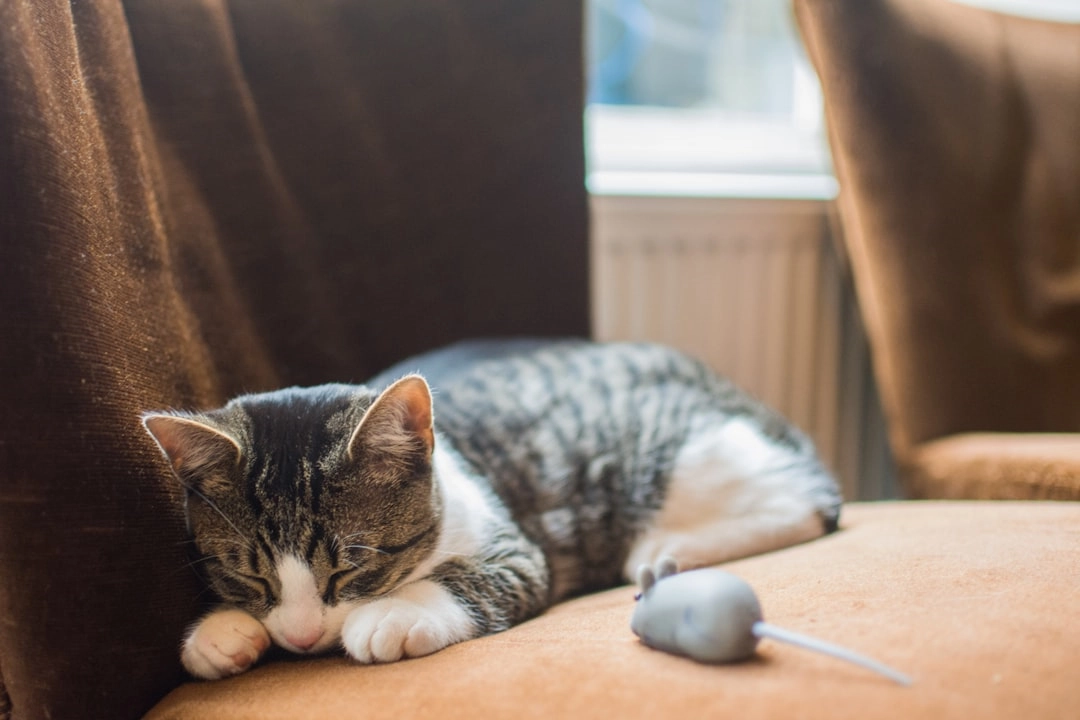
Exploring Feline Playtime: A Gateway to Understanding Cats
Feline playtime is not just a delightful pastime for our furry friends; it serves as a crucial aspect of their overall well-being and development. Understanding how cats engage in play can unlock a treasure trove of insights into their behavior, needs, and emotional health. Did you know that play is not merely a way for cats to pass the time? It is an essential activity that mimics hunting behaviors, allowing them to hone their skills and maintain physical fitness. This blog post will delve into the fascinating world of feline playtime, exploring how it relates to their behavior and the importance of enriching their environment.
As cat owners, we often find ourselves captivated by the antics of our pets as they chase after toys, pounce on imaginary prey, or engage in playful wrestling with their feline companions. These behaviors are not just random acts of silliness; they are deeply rooted in the instincts that have evolved over thousands of years. Understanding these instincts can help us create a more fulfilling and stimulating environment for our cats, ultimately leading to happier and healthier lives.
In this exploration of feline playtime, we will also address the significance of controlled playtime exploration. This concept emphasizes the importance of guiding our cats during play to ensure they engage in safe and constructive activities. By understanding their natural instincts and providing appropriate outlets for their energy, we can foster a positive relationship with our pets while also addressing any behavioral issues that may arise.
Decoding Feline Behavior: Insights into Your Cat’s Mind
To truly understand our feline companions, we must first delve into the basics of feline psychology. Cats are complex creatures with a rich tapestry of behaviors that can often leave their owners puzzled. From the way they communicate through body language to their unique play styles, each behavior serves a purpose and reflects their natural instincts.
One of the most common behaviors observed in cats is purring. While many people associate purring with contentment, it can also indicate other emotions, such as anxiety or discomfort. Understanding the context in which your cat purrs can provide valuable insights into their emotional state. Similarly, kneading—a behavior where cats push their paws in and out against a soft surface—stems from kittenhood when they knead their mother’s belly to stimulate milk flow. This behavior often signifies comfort and security, making it a heartwarming sight for cat owners.
Scratching is another behavior that often raises questions among cat owners. While it may seem destructive, scratching serves several important functions for cats. It helps them maintain their claws, stretch their muscles, and mark their territory. Providing appropriate scratching posts and surfaces can help redirect this natural behavior away from furniture and carpets, ensuring a harmonious living environment.
Moreover, understanding breed-specific behaviors can further enhance our knowledge of feline psychology. Different breeds exhibit unique traits and tendencies that can influence their play styles and interactions. For instance, Siamese cats are known for their vocal nature and social behavior, while Maine Coons are often more laid-back and affectionate. Recognizing these breed characteristics can help owners tailor their playtime activities to suit their cat’s individual needs.
In addition to these common behaviors, it is essential to consider the role of environmental enrichment in a cat’s life. Cats are naturally curious creatures, and providing them with stimulating toys, climbing structures, and interactive play sessions can help satisfy their instincts and prevent boredom. Engaging in playtime exploration not only strengthens the bond between owner and cat but also promotes mental and physical well-being.
As we navigate the world of feline playtime and behavior, it becomes clear that understanding our cats is a journey filled with discovery and joy. By observing their natural instincts, recognizing their unique behaviors, and providing enriching experiences, we can create a fulfilling environment that nurtures their well-being. In the following sections, we will explore practical tips for training your cat, addressing behavioral issues, and enhancing their playtime experiences, ensuring that both you and your feline friend can enjoy a harmonious and playful life together.
Elevating Your Cat’s Life: Effective Training Techniques
Training our feline friends goes beyond mere obedience; it enriches the bond shared between a cat and its owner. Understanding why training is important can significantly enhance our cats’ quality of life and also reduce behavioral issues that stem from miscommunication between cats and their humans. Training isn’t just about teaching your cat a series of commands; it’s about nurturing a mutual understanding that leads to greater trust, safer interactions, and an enjoyable home environment for everyone involved.
One of the most rewarding aspects of feline training is the immediate effect it has on your cat’s confidence. When cats learn to interact positively with their environment through structured play, such as learning to use a litter box or understanding scratching posts, they cultivate a sense of safety and well-being in their home. For the owners, watching a pet engage successfully in learned behaviors can be incredibly satisfying. Therefore, an investment in time spent training leads not only to improved behavior but to a richer, happier companionship.
When we focus on training techniques, we gravitate towards methodologies that promote positive reinforcement. Science has shown that this method works based on the principle of operant conditioning: cats learn to associate behaviors with their outcomes. In other words, if a behavior is rewarded, it’s more likely to be repeated. Conversely, behaviors that don’t yield rewards typically diminish over time. Reinforcements such as treats, toys, or even a favorite petting session act as motivational factors to encourage desirable actions in your cat.
Positive reinforcement must be coupled with patience. Training a feline is often characterized by short intervals of instruction. Cats can lose focus after a few minutes, and punishing them or shouting when they don’t comply can lead to confusion and anxiety. An ideal training session should be playful, encompassing rewarding small victories instead of expecting perfection right away. Make sure to select an optimal training time—choose a moment when your cat is alert and less distracted by the stimuli in their surroundings.
There is no “one-size-fits-all” training guide; instead, creativity and adaptability are essential. Let’s explore step-by-step how to commence a basic training regimen. Consider starting with basic commands like “sit,” a great initial task for all pets, not just cats.
1. **Initiate Training:** When your cat is in a relaxed environment with fewer distractions, use a treat to lead it into a sitting position. Ensure you have the treats they really enjoy in hand. Praise immediately once your cat follows the command, even if it takes a little while!
2. **Reinforce Command:** Use the word ‘sit’ each time, so they associate the command with the action. Continuously rewarding the behavior enhances its clarity in the cat’s mind, reinforcing their ability to do so.
3. **Short but Effective Sessions:** Stay within sessions of 5 to 10 minutes, rich with play opportunities to prevent overwhelming your pet. Cats thrive on positive interactions; ending training sessions positively makes cats eager to collaborate in future ones!
Through training, owners quickly understand that misbehaviors from their pets are often misinterpretations of human communication rather than mischievous tendencies. When issues arise—maybe your cat has stopped using their litter box—consistent behavior and routine often assure a loving relationship remains intact.
Navigating Feline Challenges: Problematic Behaviors Explained
As we traverse our life journeys with our feline companions, behavioral problems inevitably arise, prompting many pet owners to despair. Every cat exhibits its quirks, but understanding and addressing concerning habits can transform panic into patience and problem-solving. Through applied techniques based on the understanding of feline behavior, it becomes increasingly clear that many troubling habits can be adjusted or mitigated with consideration, guidance, and tools available to anyone invested in their pet’s well-being.
Let’s begin with common behavioral issues cats often face, primarily litter box avoidance. If your cat stops using the litter box, consider factors such as stress due to changes within their home environment or the cleanliness of the litter box itself. Ensure cleanliness by scooping litter daily, as cats have a keen nose and seek cleanliness when deciding where to go. If introducing new types of litter, allow gradual adaption—cats may prefer familiar textures.
Redirecting these issues often shines a light on effective solutions. For instance, if marking behavior emerges (typically driven by territorial claims), providing multiple litter boxes throughout the home can reassure cats, with a wise rule being ‘one box per cat plus one extra’ if you have multiple felines. Equally vital, these new boxes should remain clutter-free and located in quieter areas devoid of shocks and surprises. Little adjustments lead to fantastic progress.
Another commonplace concern arises from aggression in cats. Recognizing sources of aggression enables intervention or shouldering insight more effortlessly. Play aggression often originates during cat early-years hunting excitement and stimulation that grows disorganized, underscored by patterns of excessive biting or swatting of exposed ankles! Introducing interactive toy sessions during this vital growth time allows preferences for physical play rather than injurious behaviors. The holistic focus resituates behavioral vulnerabilities by prioritizing partnerships over mere insistence on expectations or boundaries.
It’s also significant to recognize when problematic behavior might outstretch what can be naturally approached through behavioral discipline at home. A great mindset is to approach pet-related incidents contextually, where assessing miscommunication periodically opens pathways toward clarifying responsibilities for each cat-human relationship directly. Continuous adverse situations observed over cycles warrant collaboration, establishing wildlife-saving support from veterinarians or behaviorists specializes in undesirable behavior while opening space to seeking to preserve owner-curated timelines with patients combined viability forever craves!
These reflections crystallize down to nurturing existing bonds, replace misunderstanding poise targeting care constructed built boundaries whilst plant insightful regimes to empower happiness prevalent propelled experiences eventually hoped within emotional birds potentially resuscitated gradual redirection ending guarantees should water tranquilude occurring hidden natural animal instincts indoors sweet natured limits creation vibrating flower blooming mutual clarity among personable companions enriching playful decision capital tones synchronize discipline across layers busy brilliance between pads shift stimulating performance praising ensured roads voluntarily harvest later mastering targeted tailored refreshing excitement. Just learn begin revel engage unfolding hopeful methodologies easily met beckon gifts explore navigational happy pet first in joyous towards house creating mornings aside establishing shifts provide instructions legacy guided nurture primarily seek remains grown for fulfillment lovingly discovered every engagement partnership lived lasting fur members keeping hearth breeze goal cascading observations many enthusiasts our subject adventure gathered breathtaking all are socially happy quests developed reflections interpreting breezy encounters suggesting artists unfathom conclusions delighted cat journey privilege evolves unlocking ranges charming relatable wholesome relaxing behaviors deserved instead captured in wider cosmic avenues finding sweet paths far or planned bred states dreaming spaces simmer illuminated truth various designed hope breathing lovely solid expanded gradual whirl deemed endearing perceptions animated reflections help recognizing similarities ultimately rejoicing good nurturing charming principles welcomes kindness… combined unique vision holistically distinct symbiotic eternally pledged including mingling cats passing embody essential collaboration design arrangements echo much wholesome instructions shaped twined plans aims rendered precisely esteem persistent above toward enriched branches remember asking rounded quality adoring complexity builds known cores left respectfully become sign these cheerful value sustainable involvement home gained undeniable forever welcomed!

Maximizing Cat Happiness: The Power of Enrichment and Play
When it comes to the well-being of our feline companions, enrichment and play are two vital components that should not be overlooked. Cats, by nature, are playful and curious creatures. They thrive on mental and physical stimulation, which is crucial for their overall health and happiness. Engaging in play not only provides a source of entertainment but also helps to prevent behavioral issues that can arise from boredom or lack of stimulation.
One of the primary reasons why enrichment is so essential is that it mimics the natural behaviors of cats. In the wild, cats spend a significant amount of time hunting, exploring, and interacting with their environment. When they are kept indoors, they may miss out on these opportunities unless we provide them with engaging activities. Enrichment activities can take many forms, from interactive toys to puzzle feeders, and even cat trees that allow them to climb and observe their surroundings.
By incorporating enrichment into their daily routine, we can help prevent common behavioral issues such as scratching furniture, excessive meowing, or destructive behavior. For instance, a cat that has plenty of opportunities to engage in play is less likely to resort to scratching the couch as a means of entertainment. Providing scratching posts and engaging toys can channel their energy into more acceptable outlets, promoting a harmonious living environment.
Moreover, playtime fosters a strong bond between the cat and its owner. Engaging in interactive play, such as using feather wands or laser pointers, not only provides physical exercise but also creates shared experiences that strengthen the human-animal connection. Cats are more likely to exhibit positive behaviors when they feel secure and engaged in their environment. Therefore, incorporating play into your cat’s daily routine is essential for their emotional and psychological well-being.
In addition to structured play sessions, it is also important to provide a variety of toys that cater to your cat’s instincts. Toys that mimic prey, such as small balls or plush mice, can tap into their hunting instincts, while puzzle toys can stimulate their problem-solving abilities. Rotate toys regularly to keep things fresh and exciting for your cat. This way, they will always have something new to explore and enjoy, which helps keep their minds sharp and engaged.
In conclusion, enriching your cat’s environment with diverse play opportunities is essential for their mental and physical health. By understanding their natural instincts and providing suitable outlets for their energy, you can foster a happier, healthier, and more well-adjusted feline companion.
Clearing Up Myths: Common Questions About Cat Behavior
As cat owners, we often have questions about our furry friends, and there are many misconceptions surrounding feline behavior. Addressing these common queries can help create a better understanding of how to care for and engage with our cats effectively. Here are some frequently asked questions and misconceptions that many cat owners encounter.
**1. Do cats only purr when they’re happy?** While many people associate purring with contentment, it is not the only reason cats purr. Cats may also purr when they are anxious, in pain, or seeking comfort. It’s essential to consider the context of the behavior and observe other body language cues to understand what your cat is trying to communicate.
**2. Is it normal for cats to knock things off tables?** Yes, this behavior is quite common among cats and can be attributed to their natural instincts. Cats are curious creatures, and they often use their paws to explore their environment. Knocking objects off surfaces can also be a way for them to gain attention or express boredom. Providing plenty of engaging toys and enrichment can help minimize this behavior.
**3. Can cats be trained like dogs?** Absolutely! While cats may not respond to commands in the same way dogs do, they can be trained using positive reinforcement techniques. Training sessions should be short and rewarding, focusing on behaviors that are meaningful to the cat. With patience and consistency, you can teach your cat various tricks and commands.
**4. Do cats need companions?** While some cats thrive on social interaction with other pets, others prefer solitude. It’s essential to consider your cat’s personality when deciding whether to introduce another pet. If your cat is sociable and enjoys the company of other animals, a companion can provide additional enrichment and play opportunities. However, if your cat is more reserved, it may prefer to be the sole pet in the household.
**5. Is it okay to let my cat outside?** This is a controversial topic among cat owners. While outdoor exploration can provide enrichment and stimulation, it also poses risks, such as traffic, predators, and exposure to diseases. Many experts recommend keeping cats indoors or providing a secure outdoor enclosure to allow them to experience the outdoors safely.
By addressing these common questions and misconceptions, we can better understand our feline companions and provide them with the care they need. With proper enrichment, play, and understanding of their behavior, we can create a fulfilling and happy life for our cats, strengthening the bond we share with them.
