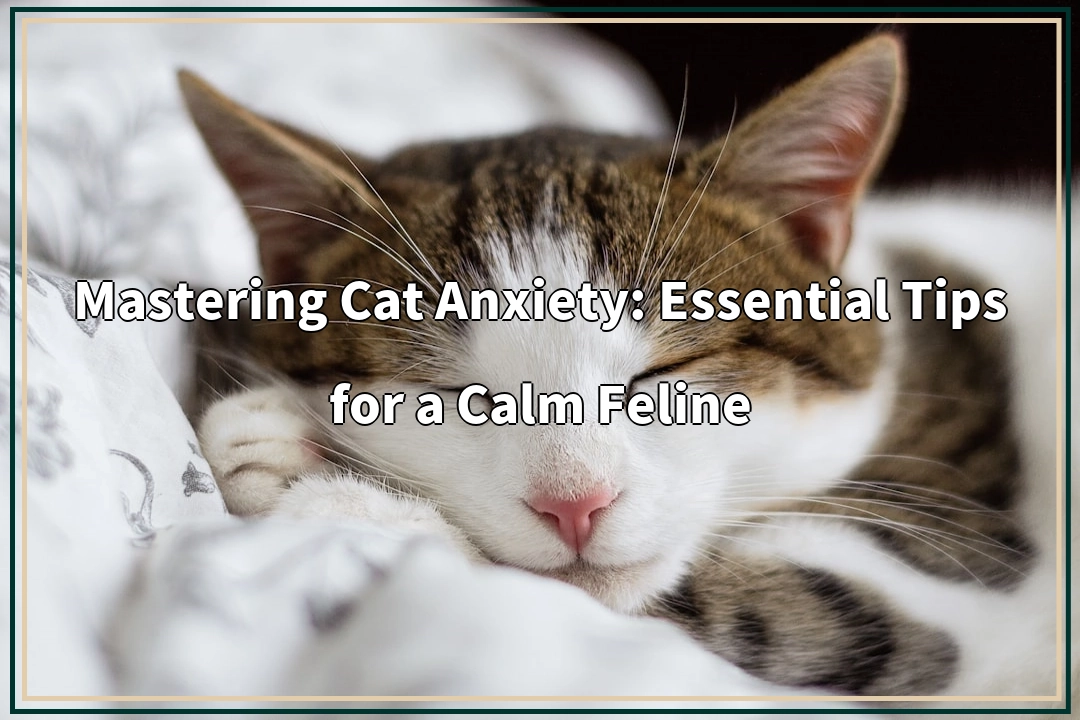
Understanding Cat Anxiety: A Path to Calmness
Cat anxiety is a common yet often misunderstood issue that many feline companions face. Just like humans, cats can experience anxiety, which can manifest in various ways, from excessive grooming to hiding or even aggression. Understanding the signs and causes of cat anxiety is crucial for pet owners who want to create a peaceful environment for their furry friends. Did you know that a significant percentage of cats experience anxiety at some point in their lives? This statistic highlights the importance of recognizing and addressing this issue early on. By mastering the art of managing cat anxiety, you can help your feline friend lead a happier, more balanced life.
Exploring Cat Anxiety: Signs, Causes, and Solutions
Cat anxiety can stem from a variety of factors, including changes in their environment, lack of socialization, or even underlying health issues. Understanding these triggers is essential for effective management. For instance, a new pet in the household, moving to a new home, or even changes in the owner’s routine can all contribute to a cat’s anxiety levels. Recognizing the signs of anxiety is the first step in helping your cat feel more secure. Common symptoms include excessive vocalization, destructive behavior, and changes in eating or grooming habits.
To effectively address cat anxiety, it is important to create a calm and safe environment. This can be achieved through various methods, such as providing hiding spots, using calming pheromones, and ensuring that your cat has access to their favorite toys and activities. Additionally, establishing a consistent routine can help your cat feel more secure and reduce anxiety levels. By understanding the root causes of your cat’s anxiety and implementing effective strategies, you can help them navigate their fears and lead a more relaxed life.
Understanding the Nature of Cat Anxiety
Cat anxiety is not just a behavioral issue; it is a complex emotional state that can significantly impact a cat’s overall well-being. The feline mind is intricate, and various factors can contribute to anxiety. For example, some cats may be more predisposed to anxiety due to their breed or individual temperament. Breeds such as Siamese and Burmese are known for their social nature, which can make them more sensitive to changes in their environment. On the other hand, more independent breeds like the British Shorthair may exhibit different anxiety responses.
In addition to breed characteristics, early socialization plays a crucial role in a cat’s ability to cope with stress. Kittens that are exposed to various stimuli, people, and other animals during their critical development period are often better equipped to handle changes later in life. Conversely, cats that have had limited exposure may struggle more with anxiety as adults. Understanding these factors can help pet owners take proactive steps to mitigate anxiety in their cats.
Recognizing the Signs of Cat Anxiety
Recognizing the signs of cat anxiety is essential for timely intervention. Cats are masters at hiding their discomfort, so it is crucial to be observant. Some common signs of anxiety include:
- Excessive grooming or fur loss
- Hiding or seeking solitude
- Changes in appetite or eating habits
- Increased vocalization or meowing
- Destructive behavior, such as scratching furniture
- Inappropriate elimination outside the litter box
If you notice any of these signs in your cat, it is important to assess their environment and consider potential stressors. By identifying the triggers of anxiety, you can take steps to alleviate your cat’s stress and create a more harmonious living space.
Creating a Calm Environment for Your Cat
One of the most effective ways to manage cat anxiety is by creating a calm and secure environment. Here are some strategies to help your feline friend feel more at ease:
- Provide hiding spots: Cats often feel safer when they have places to retreat to. Consider adding cat trees, tunnels, or cozy beds in quiet areas of your home.
- Use calming products: Pheromone diffusers, sprays, and calming collars can help reduce anxiety by mimicking natural feline pheromones.
- Establish a routine: Cats thrive on predictability. Feeding, playtime, and grooming should occur at the same times each day to help your cat feel secure.
- Engage in interactive play: Regular playtime can help reduce stress and provide an outlet for pent-up energy. Use toys that encourage your cat to engage in natural hunting behaviors.
- Limit exposure to stressors: If your cat is sensitive to loud noises or other pets, try to minimize their exposure to these stressors whenever possible.
By implementing these strategies, you can create a nurturing environment that promotes relaxation and reduces anxiety in your cat.
Seeking Professional Help for Cat Anxiety
In some cases, cat anxiety may require professional intervention. If your cat’s anxiety is severe or persistent, it may be beneficial to consult with a veterinarian or a feline behaviorist. They can help identify underlying health issues that may be contributing to your cat’s anxiety and recommend appropriate treatment options. This may include behavioral therapy, medication, or a combination of both.
Ultimately, understanding and addressing cat anxiety is a journey that requires patience and dedication. By being proactive and attentive to your cat’s needs, you can help them navigate their fears and enjoy a more peaceful life.

Identifying Signs of Cat Anxiety: Key Traits to Recognize
Understanding the characteristics of cat anxiety is essential for pet owners who want to create a supportive environment for their feline companions. Cat anxiety can manifest in various ways, and recognizing these signs early can lead to effective management strategies. The term “anxiety” originates from the Latin word “anxietas,” which means “to be troubled or distressed.” This historical context helps us understand that anxiety is not a modern phenomenon; it has been a part of animal behavior for centuries.
When it comes to cats, anxiety can present itself through a range of behaviors. Some common characteristics include:
- Excessive Grooming: Cats may groom themselves excessively as a coping mechanism, leading to bald patches or skin irritations.
- Hiding or Withdrawal: An anxious cat may seek out hiding spots, avoiding interaction with family members or other pets.
- Vocalization Changes: Increased meowing or yowling can indicate distress, especially if it occurs suddenly.
- Destructive Behavior: Anxiety can lead to destructive actions, such as scratching furniture or knocking over objects.
- Changes in Eating Habits: An anxious cat may eat less or refuse food altogether, leading to weight loss and health issues.
- Inappropriate Elimination: Cats may urinate or defecate outside the litter box as a response to stress.
Understanding these characteristics is crucial for pet owners, as they can help identify when a cat is experiencing anxiety. The ability to recognize these signs can lead to timely interventions, ensuring that your feline friend receives the support they need.
Promoting Well-Being: Essential Care for Anxious Cats
Caring for a cat with anxiety requires a comprehensive approach that addresses both their physical and emotional needs. A well-balanced diet and proper health care are fundamental components of this care. Cats are obligate carnivores, meaning their diet should primarily consist of high-quality protein sources. This nutritional focus is essential for maintaining their overall health and well-being.
When selecting a diet for an anxious cat, consider the following nutritional needs:
- High-Quality Protein: Ensure that the primary ingredient in your cat’s food is a high-quality protein source, such as chicken, turkey, or fish. This helps support muscle health and provides the energy they need.
- Essential Fatty Acids: Omega-3 and Omega-6 fatty acids can help reduce inflammation and promote a healthy coat, which can be beneficial for cats experiencing stress-related grooming issues.
- Vitamins and Minerals: A balanced diet should include essential vitamins and minerals to support overall health. Look for foods that contain taurine, an amino acid crucial for heart and eye health.
- Hydration: Ensure your cat has access to fresh water at all times. Dehydration can exacerbate anxiety and lead to other health issues.
In addition to diet, regular veterinary check-ups are vital for monitoring your cat’s health. Common health concerns that may arise in anxious cats include:
- Obesity: Stress can lead to overeating or a lack of activity, resulting in weight gain. Regular vet visits can help manage your cat’s weight and overall health.
- Gastrointestinal Issues: Anxiety can lead to digestive problems, such as vomiting or diarrhea. A veterinarian can help identify underlying issues and recommend appropriate treatments.
- Skin Conditions: Excessive grooming can lead to skin irritations or infections. Regular grooming and veterinary care can help maintain skin health.
- Behavioral Problems: Persistent anxiety may require behavioral interventions, including training or medication. Consulting with a veterinarian or a feline behaviorist can provide valuable insights.
By focusing on proper nutrition and regular health care, pet owners can help alleviate some of the physical symptoms associated with cat anxiety. This holistic approach not only promotes a healthier lifestyle but also contributes to a calmer and more balanced feline companion.
In summary, understanding the signs of cat anxiety and providing comprehensive care are essential steps in supporting your feline friend. By recognizing the characteristics of anxiety and addressing their dietary and health needs, you can create a nurturing environment that fosters emotional well-being and reduces stress for your beloved cat.

Adapting to Life with an Anxious Cat: Building a Harmonious Home
Living with a cat that experiences anxiety can present unique challenges, but with the right strategies, it can also be a rewarding experience. Understanding how your anxious feline interacts with the family and other pets is crucial for creating a harmonious household. Anxious cats may display different behaviors compared to their more confident counterparts, which can affect their compatibility with family members and other animals.
Compatibility with Family: Anxious cats often require a gentle and understanding approach. They may be more skittish around children or loud environments, preferring quieter spaces where they can feel safe. It is essential to educate family members about recognizing signs of anxiety and how to interact with the cat. Teaching children to approach the cat calmly and allowing the feline to come to them can help build trust and reduce stress.
In homes with multiple pets, anxious cats may feel threatened or overwhelmed. It is vital to monitor interactions between your anxious cat and other animals, providing separate spaces where they can retreat if they feel overwhelmed. Gradual introductions and supervised interactions can help foster a sense of security and reduce territorial disputes.
Activity Needs: While every cat has its own unique personality, anxious cats often benefit from a structured routine that includes regular playtime and mental stimulation. Engaging your cat in interactive play sessions using feather wands, laser pointers, or puzzle toys can help reduce anxiety and build confidence. These activities not only provide physical exercise but also serve as an outlet for pent-up energy, which can be particularly helpful for anxious felines.
In addition to play, creating a stimulating environment with climbing trees, scratching posts, and cozy hiding spots can help your cat feel more secure. Providing vertical spaces allows your cat to observe their surroundings from a safe distance, reducing stress and giving them a sense of control over their environment.
Your Cat’s Anxiety: Common Questions Answered
Understanding cat anxiety can raise many questions for pet owners seeking to provide the best care for their furry friends. Here are some frequently asked questions that address common concerns related to managing anxiety in cats:
1. What are the signs of anxiety in cats?
Common signs of anxiety in cats include excessive grooming, hiding, changes in eating habits, vocalization changes, destructive behavior, and inappropriate elimination. Being observant of these behaviors can help you identify when your cat is feeling stressed.
2. What causes anxiety in cats?
Anxiety in cats can be triggered by various factors, including changes in their environment, lack of socialization, trauma, or underlying health issues. Understanding these triggers is essential for addressing the root causes of anxiety.
3. How can I help my anxious cat?
To help your anxious cat, create a calm and secure environment. This can include providing hiding spots, using calming pheromones, maintaining a consistent routine, and engaging in interactive play. Additionally, consider consulting a veterinarian for further guidance and potential treatment options.
4. Are certain breeds more prone to anxiety?
Some breeds, such as Siamese and Burmese, may be more prone to anxiety due to their social nature. However, any cat can experience anxiety, regardless of breed. Individual temperament and past experiences also play significant roles in a cat’s anxiety levels.
5. When should I seek professional help for my cat’s anxiety?
If your cat’s anxiety is severe, persistent, or significantly impacts their quality of life, it may be time to consult with a veterinarian or feline behaviorist. They can help assess your cat’s situation and recommend appropriate interventions, including behavioral therapy or medication.
By addressing these common questions, cat owners can gain a better understanding of how to support their anxious feline companions effectively. Knowledge is a powerful tool in creating a safe and loving environment for your cat, ultimately leading to a more harmonious and fulfilling life together.
