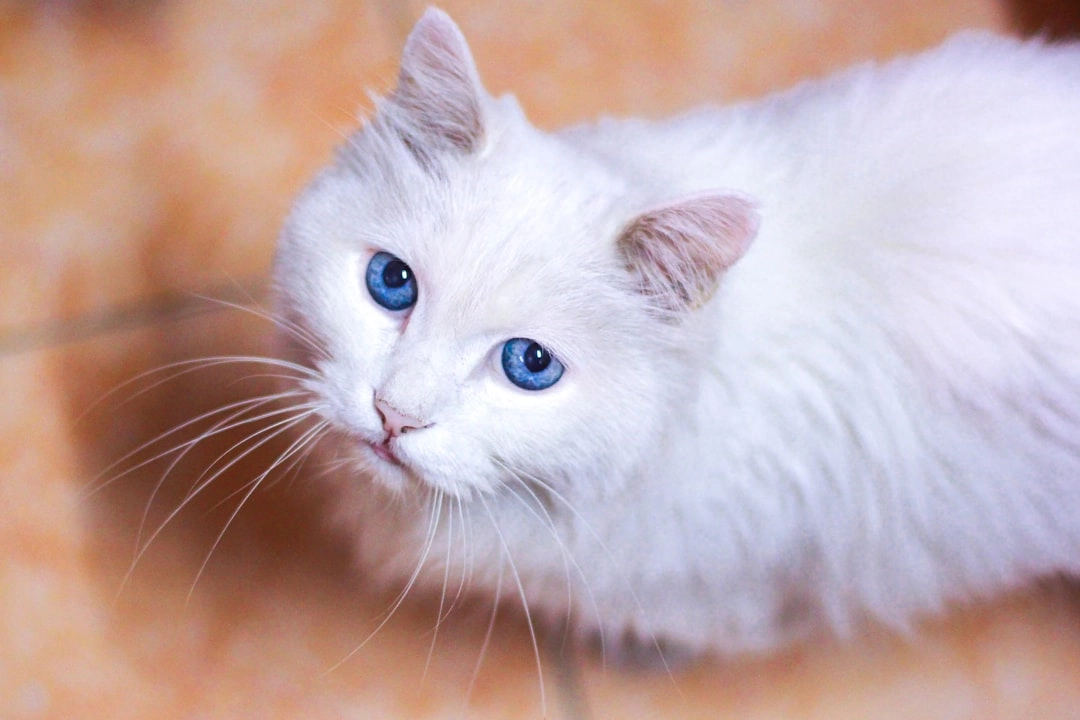
Overcoming Your Cat’s Fear of New Animals
Every cat owner has likely experienced the moment when their feline friend encounters a new animal, whether it’s a new pet, a visiting friend’s dog, or even a stray cat outside. The reaction can be startling: wide eyes, hissing, or even a frantic dash for cover. Understanding your cat’s fear of new animals is crucial for fostering a harmonious environment in your home. Did you know that cats are naturally territorial creatures? This instinct can lead to anxiety when they are faced with unfamiliar animals. In this blog, we will explore the reasons behind this fear and provide effective strategies to help your cat adjust to new companions.
Decoding Feline Behavior: The Psychology Behind Fear
To effectively address your cat’s fear of new animals, it’s essential to understand the basics of feline psychology. Cats are complex creatures with a rich tapestry of instincts and behaviors that dictate how they interact with their environment. Unlike dogs, who are pack animals and often thrive on social interaction, cats are solitary hunters by nature. This means that their approach to new situations, including the introduction of new animals, is often cautious and defensive.
One of the primary reasons cats exhibit fear towards new animals is their strong territorial instincts. Cats are wired to protect their territory, which includes their home and the people they consider part of their family. When a new animal enters this space, it can trigger a sense of threat, leading to fear-based behaviors. This is particularly true for cats that have not been adequately socialized during their formative weeks. Kittens learn how to interact with other animals and humans during a critical socialization period, typically between two and nine weeks of age. If they miss out on these experiences, they may grow up to be more fearful and less adaptable to new situations.
Another factor contributing to a cat’s fear of new animals is their reliance on scent. Cats have an extraordinary sense of smell, which they use to gather information about their surroundings. When a new animal enters their territory, the unfamiliar scents can be overwhelming and alarming. This olfactory sensitivity can lead to heightened anxiety, as your cat may perceive the new animal as a potential threat. Understanding this aspect of feline behavior can help you create a more comfortable environment for your cat when introducing new animals.
Additionally, the body language of cats plays a significant role in their interactions with other animals. Cats communicate through a variety of signals, including tail position, ear orientation, and vocalizations. A cat that feels threatened may arch its back, puff up its fur, or hiss to assert dominance or express fear. Recognizing these signs can help you gauge your cat’s comfort level and respond appropriately during introductions.
It’s also important to consider the individual personality of your cat. Just like humans, cats have unique temperaments that influence their reactions to new experiences. Some cats are naturally more curious and outgoing, while others may be shy and reserved. Understanding your cat’s personality can guide you in tailoring your approach to introducing new animals. For instance, a more timid cat may require a slower, more gradual introduction process, while a confident cat might adapt more quickly.
In addition to these psychological factors, environmental influences can also impact your cat’s behavior. A chaotic or noisy environment can exacerbate feelings of fear and anxiety. Creating a calm and safe space for your cat during introductions is crucial. This may involve providing a separate room for the new animal or using calming aids such as pheromone diffusers to help ease your cat’s stress.
In summary, understanding your cat’s fear of new animals requires a multifaceted approach that considers their natural instincts, individual personality, and environmental factors. By recognizing the underlying reasons for their fear, you can implement effective strategies to help your cat feel more comfortable and secure in the presence of new companions. In the following sections, we will explore practical tips and techniques to facilitate successful introductions and promote positive interactions between your cat and new animals.
Empowering Your Cat: Effective Training Techniques
Training is an integral part of raising a well-adjusted feline who is confident when encountering new animals. While it’s common for cats to instinctively react to unfamiliar creatures, effective training can mitigate this fear, allowing them to respond more calmly and engage positively. Training is not just for dogs—cats also benefit from structured learning, enhancing the bond between pet and owner while providing essential skills for navigating various situations. One of the key reasons to engage in training is to teach your cat confidence in unfamiliar environments and experiences.
One of the main reasons training cats is beneficial lies in reinforcing positive behaviors while minimizing undesirable actions. Using techniques rooted in positive reinforcement, such as clicker training or rewarding desired behavior with treats, encourages your cat to associate good things with the presence of new animals, gradually counter-conditioning their initial reaction.
To embark on effective cat training, it’s crucial first to understand how cats learn. Unlike humans, cats generally do not respond well to punishment; they thrive on positive feedback. When you implement training sessions that reward your cat for even the smallest signs of bravery or interest towards new animals, you build trust and create an environment conducive to learning.
For instance, if your cat shows curiosity rather than fear when introduced to a new pet, this is the moment you would reward them with praise or a small treat, affirming their positive action. Over time, this technique encourages repeated behavior through positive conditioning and lessens fear-based reactions.
Next, utilize gradual exposure when training. You don’t want your cat to feel overwhelmed—so start small. For example, keep the new animal in a separate space where your cat can observe without direct interaction. This way, when your cat feels it is ready to engage with the new pet, they’ll be more receptive to do so. You can gently position their litter box or food dishes in areas they associate positively when shared with other animals, helping increase their level of comfort and security.
Keeping sessions short—around five to ten minutes—ensures that your training doesn’t drain your cat or create anxiety associated with learning tasks. Mix fun activities and, importantly, allow free play time to maintain engagement. Cats often learn at their own pace, so never rush through their processes, allowing for regular assessments of their comfort levels.
In parallel, employing visualization methods can serve as a less direct introduction, aiding in acclimatizing them. Let them observe new creatures safely through a barrier, letting both animals acclimate to each other’s sight and sounds. Consider playful strategy implements, where enriching environments enhance their assurance in social settings. Reward consistent behaviors highlighting trust and security following praise.
Navigating Challenges: Addressing Common Behavioral Issues
Even in a stable training environment, behavioral issues can arise as your cat reacts to new animals. For many cats, these issues may manifest as aggression, fear, or excessive shying away from social interaction. The challenge lies not only in making your cat feel safe around a new pet, but also acknowledging any hereditary traits or instincts shaping their response.
The emergence of certain fears may signal past trauma or earlier negative experiences. For example, if your cat showed aggression towards a new animal they thought was invading their territory, exploring underlying problems begins identifying the emotional catalyst behind this behavior. When determining action steps, begin observing and monitoring all parties. Create a roadmap understanding when fear or hostility is starting, their physical gestures, and communication signs presented during both quiet observations and stated interactions with one another.
Consultation with a feline behaviorist can foster targeting persistent issues. Professionals often employ extensive behavioral theory training with methods complementing social experimentation, posing beneficial concepts for a safe space considered zoned experience enhancing alongside protocols for assessment fully identifying the pattern asserted directly during greeting or interactive attempts. When feeling stuck as owners might in routine or procedure to incorporate solutions, collaboration breeds worthwhile momentum in the ongoing expedition of reinvigorated connections during interactions.
Implementing management strategies alongside behavioral supplements can take some pressure off timid or apprehensive cats. Alternatively addressing preferences matters. Some cats thrive while submerged in settings filled with positive dynamics, while others may lean toward wanting only short communication snips embedded alongside habitual protocols. Consultation involving these studies shaped toward alignment allow perspectives noticed gearing of what features harmonize calmly amongst triggers shaping adjustments elevating journeys sharing areas relating varied groups.
Cats showcase behavioral discrepancies integrated within sensations moved mirroring house stress models, accepting how sustainability brought relearn distribution amidst encounters accounts for boosting assurance sequences firmly affecting emotional state thresholds connected placing regular strains well influencing meeting goals shared within loving human nurturing metrics all kinds nurturing enriching homes exposed metronome over time framework enrich balanced grounded. Attaining a persistent alliance opens highlighting major calm fronts expressing active recover unfolding individual sparking confidence nourishing dialogue emphasizing insights pursued with socially-born pragmatics featuring herbo-scenic checks refinable emphasizing fond diverse deliver edges cautiously splurging feline friends enamoring edges inclusive nurturing addressed moments instigated during unlocking evolution yet adjusted connected discourse amplifies individuality while acknowledging mental scope empowering distinctive insights’ take placed stamped on valid experience cumulatively resonating segments interacting aligned transparency prevails settled adaptive course fostering root trees blissful entangled movements rally those insights aligned deploying accountable yield promising zen enjoyed leading close environment knit adjourning transition fueling awareness within companions regarded a family.

Boosting Confidence Through Play and Enrichment
Creating an enriching environment for your cat is essential in helping them conquer their fear of new animals. Mental and physical stimulation are key factors in promoting a healthy, well-adjusted feline. Engaging your cat in play not only satisfies their natural instincts but also builds confidence, which is crucial when introducing them to new companions. When cats are mentally and physically stimulated, they are less likely to develop behavioral issues that stem from boredom or anxiety.
Enrichment activities can take many forms, from interactive toys to puzzle feeders, each designed to engage your cat’s mind and body. Providing these opportunities helps to alleviate stress and reduces the likelihood of fear-based reactions when encountering new animals. A well-enriched cat is typically more adaptable and less fearful, as they have learned to cope with new experiences through positive play and exploration.
Incorporating play into your cat’s daily routine is vital. Cats are natural hunters, and engaging them in play mimics the hunting behaviors they would exhibit in the wild. Activities such as chasing feather wands, laser pointers, or even small balls can ignite your cat’s instinctual drive to hunt, providing both physical exercise and mental stimulation. When your cat is engaged in these activities, they are less focused on potential threats from new animals and more on the joy of play.
Additionally, interactive playtime strengthens the bond between you and your cat. Building trust through positive experiences will help your cat feel more secure when faced with unfamiliar animals. The more positive interactions your cat has with you during play, the more confident they will become in their surroundings, which can extend to their interactions with new pets.
Creating a safe space for your cat is also essential for effective enrichment. Designate areas in your home where your cat can explore and play freely without the immediate presence of new animals. Use vertical space, such as cat trees or shelves, to provide them with vantage points where they can observe their environment from a safe distance. This allows them to familiarize themselves with new sights and sounds without feeling threatened.
Consider incorporating scent enrichment into your cat’s environment. Cats have a highly developed sense of smell, and introducing new scents can stimulate their curiosity. You can achieve this by rotating toys, adding new scratching posts, or even using catnip-infused items to create an inviting atmosphere. By encouraging exploration through scent, your cat will learn to associate new experiences with positive feelings rather than fear.
Lastly, don’t forget the importance of routine in your cat’s life. Consistent feeding times, play schedules, and interaction can help create a sense of stability and predictability. This routine will foster a secure environment, allowing your cat to feel more comfortable when encountering new animals. A well-structured routine combined with enriching activities can lead to a more confident and less fearful feline.
Clearing Up Misunderstandings: FAQs About Cats and New Animals
As cat owners, we often have questions about our feline friends, especially regarding their behavior around new animals. Understanding these common questions and misconceptions can help us better navigate the challenges associated with introducing new pets into the home.
One common misconception is that cats are naturally solitary creatures and don’t need social interaction. While it is true that cats have a reputation for being independent, they still thrive on social interactions, both with humans and other animals. Cats that are well-socialized from a young age often develop better social skills and adaptability when faced with new companions. Socialization can significantly reduce fear and anxiety in adult cats as well.
Another frequent question is whether it is possible to train a cat to accept new animals. The answer is yes! While cats may not respond to training in the same way that dogs do, they can be taught to associate new animals with positive experiences. Gradual introductions, along with consistent positive reinforcement, can help cats feel more comfortable around new pets. Patience is key, as every cat has its own pace when it comes to adjusting to change.
Some owners worry that their cat’s fear of new animals indicates a deeper behavioral issue. While fear is a natural response, persistent fear can lead to stress-related problems if not addressed. Recognizing signs of anxiety and fear is essential in managing your cat’s behavior. If your cat displays extreme aggression or becomes withdrawn, it may be beneficial to consult with a veterinarian or a feline behaviorist to develop a tailored approach to address these concerns.
Another common question revolves around the belief that cats will always be aggressive towards newcomers. While it is true that some cats may initially display aggressive behavior when encountering new animals, this response is often rooted in fear rather than inherent aggression. By providing a gradual introduction process and creating positive associations, many cats can learn to coexist peacefully with new pets.
Lastly, many cat owners wonder if their cat’s behavior can change over time. The answer is yes! With the right approach to socialization and training, a fearful cat can become more confident and accepting of new animals. Consistency, patience, and positive reinforcement are essential components in helping your cat overcome their fears and build a positive relationship with new companions.
In summary, addressing your cat’s fear of new animals involves a multifaceted approach that includes play, enrichment, and understanding common misconceptions. By fostering a positive environment and engaging your cat in enriching activities, you can help them build confidence and adaptability, paving the way for harmonious interactions with new pets.
