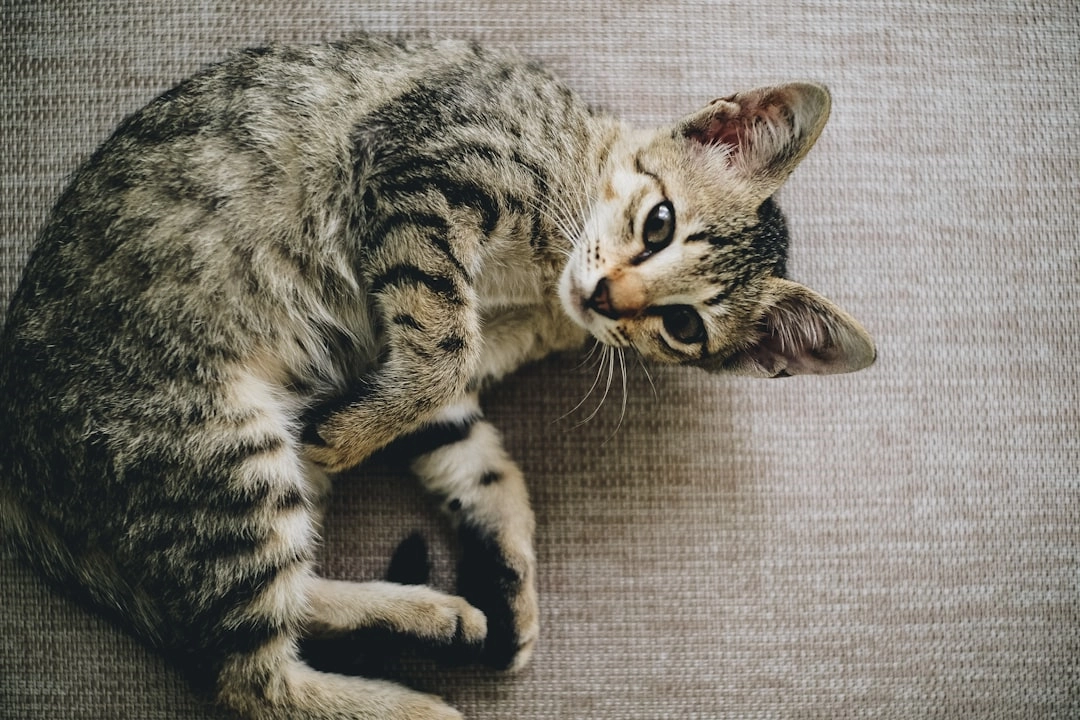
Exploring Safe and Engaging Playtime for Cats
When it comes to our feline friends, playtime is not just a luxury; it’s a vital part of their physical and mental well-being. Cats are natural hunters, and their instinctual behaviors drive them to engage in activities that mimic hunting and exploration. This is why understanding how to create a safe and stimulating play environment is essential for every cat owner. Did you know that a well-structured playtime can significantly reduce behavioral issues in cats? It’s true! Engaging your cat in play not only satisfies their natural instincts but also strengthens the bond between you and your furry companion.
In this blog, we will delve into the importance of safe playtime for cats, exploring various activities that can keep them entertained and healthy. We will also discuss how to recognize your cat’s unique play preferences and behaviors, ensuring that every play session is both enjoyable and enriching. Whether you have a playful kitten or a more reserved adult cat, there are countless ways to make playtime a fun and safe adventure.
Decoding Feline Behavior: The Key to Enriching Playtime
Understanding your cat’s behavior is crucial for creating an enriching play environment. Cats communicate through a variety of behaviors, and recognizing these signals can help you tailor playtime to their preferences. For instance, many cats exhibit behaviors such as purring, kneading, and scratching, each of which serves a purpose in their daily lives.
Purring is often associated with contentment, but it can also indicate discomfort or stress in certain situations. Observing your cat’s body language during play can provide insights into their emotional state. If your cat is purring while playing, it’s likely enjoying the activity. However, if the purring is accompanied by other signs of distress, such as flattened ears or a twitching tail, it may be time to reassess the play environment.
Kneading, a behavior where cats push their paws in and out against a soft surface, is a remnant of kittenhood. This action is often associated with comfort and security, and many cats will knead while being petted or during play. Understanding this behavior can help you create a more comforting play environment, allowing your cat to feel safe and secure while engaging in activities.
Scratching is another natural behavior that serves multiple purposes. Cats scratch to mark their territory, sharpen their claws, and stretch their muscles. Providing appropriate scratching posts and surfaces can help satisfy this instinct while protecting your furniture. Incorporating scratching into playtime can also make the experience more enjoyable for your cat, as they can engage in their natural behaviors while having fun.
Additionally, different breeds of cats may exhibit unique behaviors that can influence their play preferences. For example, Siamese cats are known for their vocal nature and high energy levels, often requiring more interactive play sessions. On the other hand, Persian cats may prefer more subdued activities, such as gentle batting at toys or slow-paced games. Understanding these breed-specific behaviors can help you tailor your playtime activities to suit your cat’s individual needs.
Incorporating a variety of toys and activities into your cat’s playtime can also enhance their experience. Toys that mimic prey, such as feather wands or laser pointers, can stimulate your cat’s hunting instincts, while puzzle toys can challenge their problem-solving skills. Rotating toys regularly can keep playtime fresh and exciting, preventing boredom and encouraging your cat to engage more actively.
Moreover, observing your cat’s play behavior can provide valuable insights into their overall health and well-being. A sudden change in play habits, such as decreased interest in toys or aggressive behavior during play, may indicate underlying health issues or stress. Regularly engaging in playtime not only strengthens your bond with your cat but also allows you to monitor their behavior and health closely.
In conclusion, understanding your cat’s behavior is essential for creating a safe and engaging playtime experience. By recognizing their natural instincts and preferences, you can tailor activities that not only entertain but also enrich their lives. Remember, playtime is an opportunity for bonding, exercise, and mental stimulation, making it a crucial aspect of your cat’s overall well-being. So, gear up for some fun adventures with your feline friend, and watch as they thrive in a playful and safe environment!
Effective Training Techniques for Your Cat’s Growth
Training is one of the most rewarding experiences you can share with your feline friend. Whether you’re a first-time cat owner or have years of experience under your belt, understanding the importance of training can drastically improve the quality of life for both you and your cat. But why is training crucial for cats? At its core, training not only enhances communication between you and your pet but also plays a significant role in shaping your cat’s behavior and temperament.
One of the primary benefits of training is that it fosters a positive bond between you and your cat. Cats, like humans, thrive when they engage in interactive learning and play. By training your cat to respond to simple commands, you are creating an environment based on trust, respect, and appreciation. It transforms routine interactions into enriching sessions of communication, stimulating both mind and body.
Additionally, through structured training methods, you can correct unwanted behaviors before they become a problem. Common issues like scratching furniture, aggression, or even refusal to use the litter box can often be traced back to a lack of understanding or miscommunication between pet and owner. Positive reinforcement strategies encourage desired behaviors, making it much easier to address behavioral issues effectively as they arise.
Another significant advantage of training is mental stimulation. Just as humans benefit from keeping their minds sharp, cats thrive on challenging puzzles and games. Mental exercise is incredibly essential for indoor cats, who may not have the stimulation that comes from exploring the outside world. Training sessions offer your cat opportunities for enrichment that help lower stress and anxiety levels while reducing destructive behaviors.
In practical terms, effective training for cats often employs the use of positive reinforcement. This technique can involve treats, affection, or playful interactions, rewarding them immediately following the desired behavior. For instance, if you would like your cat to come when called, say your cat’s name followed by the word “come” and when they approach you, lavish them with praise or a tasty treat. The key is consistency; each time they respond correctly, reward them in the same way. Over time, your cat will connect the command to a reward, making them more likely to respond appropriately in the future.
Additionally, ensuring that training sessions are short and fun, around 5 to 10 minutes, allows your cat to remain engaged without getting frustrated or bored. Frequent, brief sessions that build on prior learning can solidify that bond and enable long-lasting behavioral changes.
Tackling Behavioral Challenges: Solutions for a Happy Cat
Among the most frequent issues encountered by cat owners are litter box problems, aggression toward humans or other pets, and excessive vocalization. Each of these behaviors can stem from various causes including stress, environmental changes, illness, or even territorial disputes. The first step toward resolving these challenges is accurate observation. Understanding the triggers of your cat’s unwanted actions is essential.
For instance, if your cat is having accidents outside the litter box, consider various factors—has their diet changed? Have you moved the litter box, or has there been a new animal in the home? Take the time to investigate before deciding on a course of action.
Some common solutions include ensuring that there are sufficient litter boxes in multi-cat households and making litter boxes accessible and enticing for all your pets. Regularly cleaning the litter and ensuring your cat feels comfortable when using it can drastically reduce litter box issues.
For aggressive behaviors, especially during playtime or when they feel threatened, introducing different forms of enrichment can lessen their need to express aggression through biting or scratching. Items that mimic prey—such as feather toys or laser pointers—can redirect their energy into acceptable channels.
In cases of excessive vocalization, evaluate aspects of their environment and possible reasons they seek attention through constant meowing. Is your cat bored? Unsure about their surroundings? Gradually introducing interactive toys might help maintain their interest and alleviate the excess vocalizations aimed at attracting your attention.
Yet, it’s crucial to understand when a behavioral issue might warrant seeking the help of a professional. Persistent, intense behavioral problems like sudden aggression, excessive fear, or catastrophic behavioral changes often signal underlying psychological or medical conditions. Working with a veterinarian or a certified feline behaviorist can facilitate in identifying triggers and applying specialized training techniques that consider your cat’s unique needs.
Improving your cat’s behavior is a joint journey built on knowledge, understanding, and patience. By employing effective training strategies and addressing issues actively and compassionately, you’re not just ensuring a smoother routine; you’re offering a fulfilling life of safety, enrichment, and joy. Your cat will appreciate your efforts, often reciprocating with love, affection, and countless charming moments. Enjoy the adventures!

Enhancing Your Cat’s Life Through Play and Enrichment
Creating a stimulating environment for your feline friend is essential for their overall well-being. Cats are naturally curious and active creatures, and without sufficient mental and physical stimulation, they can become bored, anxious, or even develop behavioral issues. Engaging in playtime activities is not merely a fun pastime; it’s a vital component of your cat’s health and happiness. Enrichment through play helps satisfy their instincts, reduces stress, and promotes a healthy lifestyle.
The importance of mental and physical stimulation cannot be overstated. Cats have an innate hunting instinct, and play mimics the activities they would engage in while hunting in the wild. Providing opportunities for them to chase, pounce, and explore keeps their instincts sharp and helps prevent common behavioral issues such as aggression, scratching, and litter box avoidance. When cats do not receive adequate stimulation, they may turn to destructive behaviors as a way to cope with boredom.
Incorporating various types of play into your cat’s routine can keep them mentally and physically engaged. Interactive toys such as feather wands, laser pointers, and treat-dispensing puzzles can stimulate your cat’s hunting instincts and encourage them to move. These activities not only provide physical exercise but also challenge their problem-solving skills. A simple game of hide and seek with a favorite toy can ignite their curiosity and desire to explore, offering them a rewarding and enriching experience.
Moreover, enriching your cat’s environment goes beyond just toys. Creating vertical spaces with cat trees or shelves allows them to climb and observe their surroundings from different vantage points, catering to their natural desire to perch and survey their territory. Hiding treats around the house can also encourage exploration and provide a fun challenge, making them work for their rewards. All of these activities contribute to a fulfilling lifestyle for your feline companion.
Routine is another key element in enriching your cat’s life. Establishing a daily schedule that includes dedicated playtime helps set expectations for your cat and fosters a sense of security. Engaging with your cat at the same time each day allows them to anticipate and look forward to play sessions, making it an enjoyable and bonding experience for both of you. Additionally, varying the types of activities can keep things fresh and exciting, preventing monotony.
As you create a stimulating environment for your cat, it’s essential to observe their reactions and preferences. Every cat is unique, and understanding what excites or engages them will allow you to tailor playtime to their individual needs. Some cats may prefer interactive play with you, while others may enjoy solitary play with toys. The key is to be adaptable and attentive to your cat’s behavior, ensuring that their playtime remains enjoyable and fulfilling.
Clearing Up Misconceptions About Cat Playtime
When it comes to cat playtime and enrichment, there are several common misconceptions that can hinder the understanding of how to provide the best care for your feline companion. Addressing these myths is crucial for creating a positive and engaging environment for your cat.
One common misconception is that indoor cats do not require playtime or stimulation. Many people believe that since indoor cats are not exposed to the dangers of the outside world, they do not need the same level of engagement as outdoor cats. This is far from the truth. Indoor cats often face the risk of boredom, which can lead to stress and behavioral issues. Providing adequate playtime and enrichment is essential, regardless of whether your cat is an indoor or outdoor cat.
Another myth is that all cats will naturally engage in play without any encouragement. While some cats may instinctively chase after a toy or engage in solo play, others may need more motivation. It’s important for cat owners to actively initiate playtime and engage their cats in various activities. Many cats may require gentle coaxing or the introduction of new toys to stimulate their interest. It’s a common mistake to assume that cats will always initiate play on their own.
Additionally, there’s a belief that all toys are created equal. While there are countless options available, not every toy will capture your cat’s attention. Cats have unique preferences, and what excites one cat may not appeal to another. It’s essential to experiment with different types of toys, such as those that mimic prey, those that are interactive, and those that provide mental challenges. Observing your cat’s reactions will help you determine which toys are the most engaging for them.
Some cat owners may also think that playtime is solely for kittens or young cats. In reality, play is important at every stage of a cat’s life. Older cats still benefit from playtime, which helps maintain their physical health and mental sharpness. Tailoring play activities to suit the age and energy level of your cat is essential. Gentle play for older cats, such as light interactive games or puzzle toys, can provide enrichment without overwhelming them.
Lastly, many people underestimate the power of routine and structure in a cat’s playtime. Cats thrive on consistency, and establishing a regular schedule for play can enhance their sense of security and anticipation. A common misconception is that playtime can happen whenever, but setting specific times can create a more enriching experience for your cat.
By addressing these misconceptions and understanding the importance of enrichment and play, you can create a fulfilling environment for your feline friend. Remember, playtime is not just a fun activity; it is an essential part of your cat’s physical and mental health. By engaging in interactive play and providing stimulating environments, you ensure a happy, healthy, and well-adjusted cat.
