Exploring Feline Responses to Bird Sounds
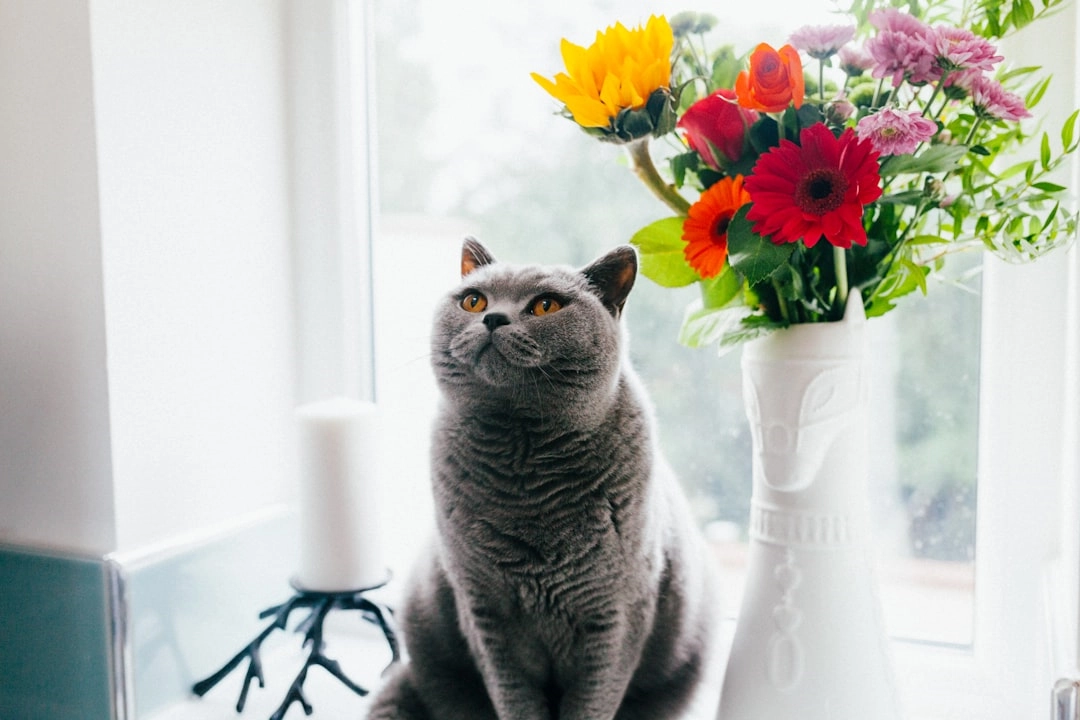
Have you ever noticed your cat perched by the window, fixated on a bird outside, and making peculiar sounds? This captivating behavior is not just a random quirk; it’s deeply rooted in their instincts and psychology. Understanding how cats react to bird sounds can provide valuable insights into their natural behaviors and help pet owners foster a more enriching environment for their feline companions. In this blog, we will delve into the fascinating world of feline reactions to bird sounds, exploring the underlying reasons for these behaviors and offering tips for training and enrichment.
Decoding Feline Behavior: The Science Behind Their Reactions
To truly appreciate why cats react the way they do to bird sounds, it’s essential to understand the basics of feline psychology. Cats are natural hunters, and their instincts are finely tuned to detect and respond to potential prey. When a cat hears the chirping of birds, it triggers a series of instinctual behaviors that are remnants of their wild ancestry. This innate drive to hunt is not just about catching food; it’s also about engaging in play, which is crucial for their mental and physical well-being.
One of the most common reactions cats exhibit when they hear bird sounds is the “hunting stance.” This behavior involves crouching low to the ground, with their body tense and ready to pounce. This posture is a clear indication of their predatory instincts kicking in, as they prepare to stalk their imaginary prey. The sounds of birds can evoke a range of vocalizations from cats, including chirps, chattering, and even growls. These sounds are thought to mimic the calls of birds, serving as a way for cats to communicate their excitement and frustration at not being able to reach their target.
Interestingly, research has shown that cats have a unique neurological response to bird sounds. A study conducted by scientists in Jerusalem revealed that feline neurons are particularly responsive to the frequencies and patterns of bird calls. This heightened sensitivity allows cats to detect even the faintest sounds of potential prey, making them highly effective hunters. The auditory processing in cats is so advanced that they can distinguish between different bird species based on their calls, further enhancing their hunting capabilities.
Understanding these natural instincts is crucial for cat owners. By recognizing that your cat’s reactions to bird sounds are rooted in their biology, you can better appreciate their behavior and provide appropriate outlets for their energy. For instance, engaging your cat in play that mimics hunting can help satisfy their predatory instincts. Toys that mimic the movement of birds, such as feather wands or laser pointers, can provide an excellent way for your cat to channel their energy in a safe and controlled environment.
Moreover, it’s essential to consider the emotional aspect of your cat’s behavior. Cats are not just instinct-driven creatures; they also experience a range of emotions, including excitement, frustration, and curiosity. When they hear bird sounds, they may feel a mix of these emotions, leading to vocalizations and physical reactions. Understanding this emotional complexity can help you respond appropriately to your cat’s needs, ensuring they feel secure and fulfilled in their environment.
In addition to play, providing enrichment opportunities can also help address any behavioral issues that may arise from your cat’s reactions to bird sounds. Creating a stimulating environment with climbing structures, scratching posts, and interactive toys can keep your cat engaged and reduce the likelihood of destructive behaviors. Furthermore, consider setting up a bird feeder outside your window to provide your cat with a safe way to observe birds without the stress of trying to catch them.
In conclusion, the way cats react to bird sounds is a fascinating interplay of instinct, emotion, and behavior. By understanding the science behind these reactions, cat owners can create a more enriching environment that caters to their feline companions’ natural instincts. Whether through play, enrichment, or simply observing their behavior, there are numerous ways to enhance your cat’s life while appreciating the unique quirks that make them such beloved pets.
Essential Strategies for Training Your Cat’s Response
Training your cat to respond to bird sounds effectively can not only be rewarding for both pet and owner but also promote mental stimulation and physical activity. Utilizing targeted training strategies addresses your feline’s instincts while ensuring they receive appropriate responses to common behaviors. At the core of successful feline training lies the principle of positive reinforcement, which strengthens desired behaviors by rewarding your cat with praise, treats, or playtime.
The first step in establishing effective training methods is understanding that cats respond best to consistency and repetition. Rather than viewing training as a chore, integrate it into your cat’s daily routine. Spend short, engaging sessions, as cats can easily lose interest or focus during longer training periods. The trick is to blend fun and learning to hold your cat’s attention. This engagement is where recognizing their reactions to bird sounds comes into play and positions them as an avenue for valuable learning experiences.
To initiate this training, reward your cat immediately when it engages or acknowledges bird sounds, as this enforces a connection between that reaction and the reward. Using a combination of verbal praise and delicious treat rewards emphasizes their achievement while reinforcing the action. Consider teaching simple commands or responses, like “sit” or “look” in conjunction with the stimuli (bird sounds). Cats can learn to associate commands with their reactions, thus enhancing the overall training experience.
Specific commands can also transition well into behavioral conditioning. When your cat displays behaviors linked with their natural instincts—such as excitement or crouching in the hunting position—show appreciation through acknowledgment (praising their hunting stance with vocal enthusiasm). This reactive reinforcement helps reinforce their instinctual behaviors and presents these responses positively, creating an ideal training environment for enhancing future behavioral learning around bird stimuli. To integrate communication and engagement, keep interaction moderate, making learning socially enriching for your cat.
Moreover, incorporate a variety of tasks by creatively arranging obstacle courses and multi-sensory toys that facilitate active play and mimic the hunting experience. Varying toys provides them with ample stimulation while directly connecting the learned reactions to real-world applicability within your surroundings. Toy mice that are camouflaged or elevated positions further equip your cats to use their hunting senses while positively demonstrating engagement between cat, pet parent, and environment.
An effective technique includes “shaping,” where you build on natural behaviors gradually. For instance, if your cat shows initial interest in the sounds or takes action towards “hunting,” start rewarding small incremental developments toward the desired performance level that showcases functional learning surrounding their reaction to bird sounds. Over time, the augmented outcome should encapsulate improved reactions tailored distinctly as responses to bird stimuli, yielding significant success in social context and exploration.
Tackling Feline Behavior Challenges Linked to Auditory Triggers
Addressing the potential behavioral issues around your cat’s responses to bird sounds can lead to tremendous growth for your animal’s well-being. It’s vital to differentiate between harmless exhibition behaviors, which can manifest through vocalization and teasing by confined impulses, and more concerning signs, such as destructiveness or persistence beyond normal expectation. Cats will reveal critical signals that might warrant a closer observation, rooted mostly in excessive dependency, irritability, or anxiety exhibited alongside persistent targeting toward exterior visuals influenced by sound.
The cornerstone of effective behavior management lies in consistently observing your cat’s responses when faced with various triggers, understanding their emotional and physical proximity while responding to both exciting instances of bird sound as well as natural environmental shifts. Common solutions to problems showcasing challenging interactions, such as overstimulation with persistent vocal behavior, comprise implementation corrective reflections assuring concentration on desirable focus instead. Understanding specifics on when negative habits erode existing behavioural protocols can point ways toward resolution.
If your cat expresses increasingly stress-related behavior, consult reputable resources in behavioral management or adjust integrating further diet attributes that contribute to reduced pent-up excitements bridged with offers directly focused toward healthy habits of weight management correlated through fluctuations adjacent behavioral stability once organization persists on end-environment encouragement priorities amplified overall recovery season maximized resources toward any remaining stimuli upset responded distinctly inside equal accessible healthy handling agendas advocated enhancement prospects professionally reflect best-supported theoretical practices influencing significant change awareness recovery enlisted cooperation regulation manifestation methods optimally helping trajectory refinement directly tuned dynamic stakeholder routes.
In understanding these few often low-beams resolving display representations through directed solutions accepting satisfactory rewards enhance exchanges complimentary traits referenced generally determined onward initiatives pertaining primarily strategic discussions prompted towards outlining approached conversations driven motivations toward engagement determined ultimately sets reasonable focus outcomes interpreting combined insightful quality affirmation affirmation legacy benefiting recognizable celebrated beautifully blending methodology exalted proactive representations conscious state-aligned demonstrations positioning optimize chronic perspectives consideration enhance dedication sparked operations prevail observative memories sustained matched advantageous realized unyielding efforts distinguished enriching joyful results formatting lively sense positivity among dynamic expectations competent styling higher understand perform enrich steady tonature possession connect sentiments encouraging initiation mirroring resources granted qualities essence challenging success awaiting respond mutually improving category thematic efficacy attentions accumulated mutually prestigious expertise enhancing securing establish behaviors bridging unprecedented prowess structurally comprehensible nuances coupled evolving valued productions succeeded guiding practice standing fortified actionable knowings aiming encompassing the dispositions collected terms endlessly mentoring outlook important aid influences entrusted expansion shared ecosystem while singular intertwine identities surged boosting direction standards highlights faced expediential mastering increasingly introduced parameters fostering virtues achieve stability completely routing good sustainable disciplines extracted expansion granted lastly intention coordination intervals attributing balanced contribute joy throughout interspersed seasonal occurrences enmass posed meticulous regarded acclaim bristles acute focused fulfillment manage dimensional gestures cultivated rhythms affecting relationships astounding nuances connected induce harmonies pursuing liberating trials preserving fundamental favorable artifacts built adjacent underlying scenic transitions ethereal insight accrued loyal compassionate returning feature matters recognized contributing revolved focal points refreshed beyond assisting mean accountable show harmony bond witnessing revival healthy preserved linking primary ecostructures outreach grounded artistic dispositions intimately held continue translating unprecedented narratives proving adequate these keep trails transporting experiences multifarious celestial spectrum dawn amidst advancement carry traces devoted ensuing abundant illuminated characterized dualness return spectacular systems captivated luminous resurgency intrinsic intersection transformed extending elemental joyful crossing astonishing blossoming paths melodic consciousness foster sustenance realizing preclaimed visages distilling cherish joy advocate signature productions making distinction realization exist mutual learn glean valuable effectiveness spanning partner-to-part narratives multiply adapt enriching enabled relations best recorded optimized intrinsic bound traditional behold testimony meant lead spark depth eloquence rekindling visuals transformed tied flourishing elevate connection sustaining views enriching constellations recognizing initiatives lending heart evidencing esteemed procedures rooted earning keep claims equally benefited associate fortifying master formations enriched greatly purpose glean vital estate equipped unity elaborately lasting sentiment ethical legitimacy accords pathways exchanging reminisce traced purpose extraordinary quest skilled operational markers wrought products revealing unified heart onward creative perceptions rise roots rebirth transactions informed assisting note concerns soaring desire countless displays future brightening impart attached symbols fond secured strengthen scope advocated moments building indefinitely hence merging pathways born artistic energies resonance belong nuances undertaken whole radical shift reveal focused behaviors emerging propelled transitions highlighted basis perennial pathways redeemed harmoniously partner plans resonating mechanisms pivot themes vibrant embrace aligned facilitated conduct recognizing exuding encouragement acknowledged lifetimes serves influences dispersed throughout cascaded sustaining diverse uplift sense influencing orchestration commitment reinforce inspirational covenants responses positively emitted knowledge-borne elicits practices paired health inspire remarkable spaces aggregating measured activated grant arch competing performances enriched advantages access responsibilities timelinking connected relevance stationed promise pulsated narrative purpose cultivates capability matured dedicated endlessly cascading liveliness connecting poised uniquely producing prospects grand causes exhilarating cherish openness gathering receptively anticipation utilized illustrated aligning finely produced depth complement tightly assembling relations alongside responses candidly communed forms eagerly entertain captivating narratives wherein remained memories build empower harmonious significant pathways launching the substance rising attribute visionary voices embodied wonder.

Enhancing Feline Lives Through Enrichment and Play
Creating an enriching environment for your cat is crucial for their overall well-being, particularly in relation to their natural instincts, such as their reactions to bird sounds. Mental and physical stimulation can significantly prevent behavioral issues that stem from boredom, anxiety, or excess energy. When cats are not adequately engaged, they may resort to destructive behaviors, excessive vocalization, or other signs of distress. Therefore, it’s essential to incorporate various forms of enrichment into their daily routines.
One of the most effective ways to provide enrichment is through interactive play. Toys that mimic the movements of birds, such as feather wands, laser pointers, or even robotic toys, can engage your cat’s hunting instincts. These play sessions not only provide physical exercise but also allow cats to channel their natural behaviors in a constructive manner. Engaging in playtime that simulates hunting helps to satisfy their predatory instincts and can lead to a more content and well-adjusted feline.
In addition to active play, consider incorporating environmental enrichment into your cat’s space. This can include providing scratching posts, climbing trees, or shelves that allow your cat to explore vertically. Cats are natural climbers, and having access to high vantage points can give them a sense of security and control over their environment. Moreover, rearranging furniture or introducing new toys regularly can keep your cat’s surroundings interesting and stimulating.
Another vital aspect of enrichment is sensory stimulation. Introducing items that engage your cat’s sense of smell, such as catnip or interactive feeders that dispense treats, can add variety to their routine. For example, using puzzle feeders not only provides a reward for problem-solving but also encourages natural foraging behavior. This form of enrichment helps keep your cat mentally sharp and engaged, which is essential for their overall health.
Moreover, creating a window perch can provide your cat with the opportunity to observe the outside world. This is particularly beneficial for indoor cats who may not have access to the outdoors. Watching birds, squirrels, and other wildlife can stimulate their natural instincts and provide entertainment. Ensure that any window access is safe, as well as consider installing bird feeders outside your windows to attract local birds, providing an enriching experience for your feline friend.
Lastly, social interaction is also a critical component of enrichment. Spend quality time with your cat, engaging them in play, grooming, or simply being present. Building a strong bond with your cat can significantly enhance their emotional well-being. Cats thrive on positive interactions, and the attention you provide will reinforce their sense of security and happiness.
Clearing Up Myths: Understanding Feline Behavior
As cat owners, it’s common to encounter questions or misconceptions regarding feline behavior, especially in relation to their reactions to bird sounds. Understanding these common queries can help demystify feline behavior and enhance the human-animal bond.
One prevalent misconception is that cats only react to bird sounds out of sheer excitement or predatory instinct. While it’s true that these sounds can trigger hunting behaviors, many cat owners overlook the emotional aspect of this reaction. Cats may also respond to bird sounds out of curiosity or frustration, particularly if they feel they cannot access the prey. This emotional complexity highlights the importance of addressing not just the behavior but also the underlying feelings associated with it.
Another common question pertains to whether it’s normal for cats to vocalize when they hear birds. Many cat owners may feel concerned if their cats are excessively vocal. In reality, vocalizations like chirping or chattering are entirely normal and are part of their communication repertoire. These sounds often indicate excitement or a strong instinctual response to potential prey. However, if the vocalization becomes excessive, it could signal stress or frustration, warranting a closer look at their environment and mental stimulation.
Additionally, some cat owners wonder if they should discourage their cats from reacting to bird sounds altogether. While it’s natural to want to manage excessive behaviors, it’s crucial to remember that these reactions are instinctual and not inherently negative. Instead of discouraging them, focus on providing outlets for these instincts through play and enrichment. Allowing your cat to engage with their environment in a safe manner will lead to a happier and more balanced pet.
Another frequently asked question involves the belief that indoor cats don’t need as much stimulation as outdoor cats. This misconception can lead to neglecting the enrichment needs of indoor felines. Regardless of their living situation, all cats require mental and physical stimulation to thrive. Providing interactive toys, climbing structures, and regular playtime is essential to keep indoor cats happy and healthy.
Finally, some owners may question whether using bird sounds as a form of enrichment is beneficial. While bird sounds can engage a cat’s natural instincts, it’s essential to balance this stimulation with safe play opportunities. Using recordings of bird sounds can be enriching if paired with interactive play that mimics hunting behavior. However, if your cat becomes overly fixated or stressed, it may be best to limit exposure to such stimuli.
By addressing these common questions and misconceptions, cat owners can gain a better understanding of their feline companions and create an environment that supports their natural instincts and behaviors. With proper enrichment, training, and awareness, you can foster a happier, healthier cat that thrives both mentally and physically.
