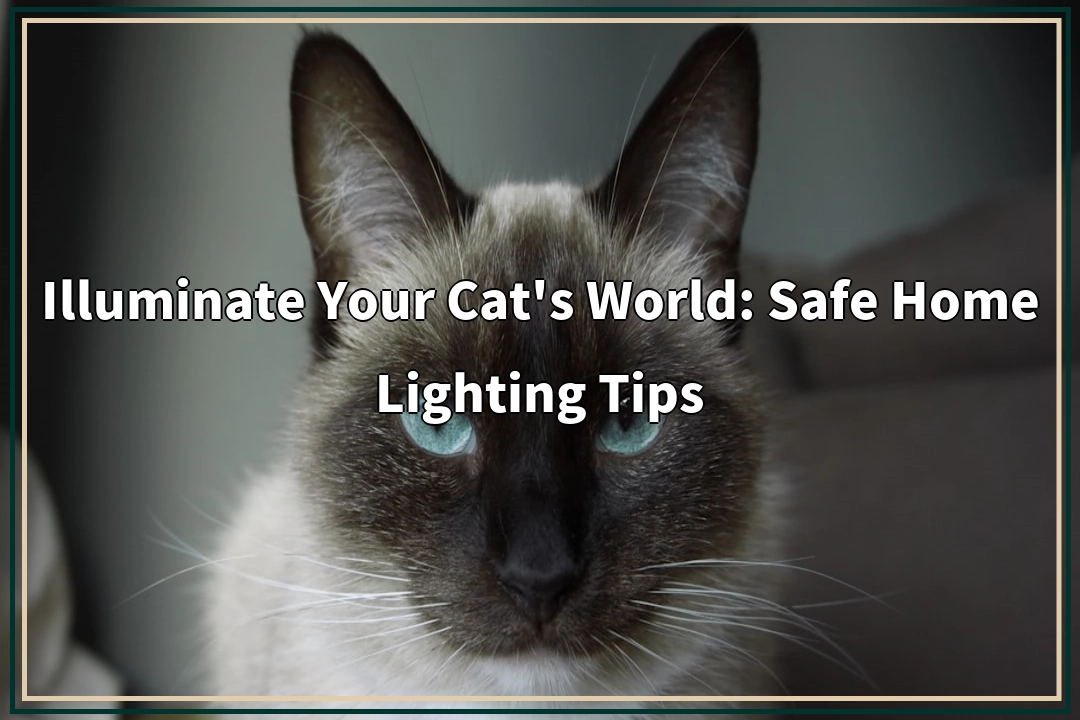
Brightening Your Cat’s Life: The Importance of Safe Home Lighting
When it comes to creating a comfortable and safe environment for our feline friends, lighting is often an overlooked aspect. Many cat owners may not realize that the type of lighting in their homes can significantly impact their cats’ well-being. Did you know that certain types of lighting can cause stress or anxiety in cats? Understanding how to illuminate your home safely for your cat is essential for their comfort and health. In this post, we will explore the best practices for cat-safe home lighting, ensuring that your furry companions feel secure and happy in their environment.
Understanding Cat-Safe Home Lighting
Cat-safe home lighting refers to the use of lighting fixtures and bulbs that are not only energy-efficient but also safe for cats. This includes avoiding harsh fluorescent lights, which can be jarring for a cat’s sensitive eyes, and opting for softer, warmer lighting options that mimic natural daylight. The goal is to create a soothing atmosphere that caters to your cat’s natural instincts and behaviors.
When considering the lighting in your home, it’s essential to think about how your cat interacts with their environment. Cats are naturally curious creatures, and they often explore their surroundings by climbing, jumping, and playing. Therefore, the placement of light fixtures should be carefully considered to avoid any potential hazards. For instance, overhead lights should be positioned in a way that does not create shadows or dark corners where a cat might feel vulnerable.
In addition to the type of lighting used, the intensity and color temperature of the light can also affect your cat’s mood and behavior. Cats are crepuscular animals, meaning they are most active during dawn and dusk. Therefore, having adjustable lighting that can be dimmed during the evening hours can help create a more comfortable environment for your cat. Warm white lights, typically in the range of 2700K to 3000K, are ideal as they provide a cozy ambiance without being too harsh on your cat’s eyes.
Moreover, it’s crucial to consider the safety of the lighting fixtures themselves. Cats are known for their playful nature, and they may be tempted to swat at dangling cords or climb on shelves where lamps are placed. To prevent accidents, ensure that all cords are secured and that lamps are stable and not easily tipped over. Additionally, using LED bulbs can be a safer option, as they produce less heat compared to traditional incandescent bulbs, reducing the risk of burns or fires.
Another aspect to consider is the use of natural light. Cats love to bask in the sun, and providing them with access to natural light can enhance their mood and overall well-being. Strategically placing cat trees or perches near windows can allow your cat to enjoy the warmth of the sun while also observing the outside world. However, it’s essential to ensure that windows are securely screened to prevent any accidental escapes.
In summary, creating a cat-safe home lighting environment involves selecting the right types of lighting, considering the placement of fixtures, and ensuring the safety of your cat while they explore their surroundings. By taking these factors into account, you can help illuminate your cat’s world in a way that promotes their comfort, safety, and happiness.
Exploring the Essentials of Cat-Safe Lighting
When discussing cat-safe home lighting, it’s important to delve into the various aspects that contribute to a safe and enjoyable environment for your feline companions. The first step is understanding the different types of lighting available and how they can affect your cat’s behavior and health.
One of the most common types of lighting found in homes is incandescent bulbs. While these bulbs provide a warm light that many people enjoy, they can generate a significant amount of heat, which may not be ideal for a cat’s safety. Additionally, the brightness of incandescent bulbs can be overwhelming for some cats, leading to stress or anxiety. Therefore, it is advisable to limit the use of incandescent bulbs in areas where your cat spends a lot of time.
Fluorescent lights, on the other hand, are often used in kitchens and garages due to their energy efficiency. However, these lights can produce a flickering effect that is not only irritating to humans but can also be distressing for cats. The harshness of fluorescent lighting can create an uncomfortable atmosphere, making it essential to consider alternative options.
LED lights have become increasingly popular in recent years due to their energy efficiency and longevity. They emit less heat than incandescent bulbs and are available in various color temperatures, allowing you to choose a softer light that is more suitable for your cat. Additionally, LED lights are less likely to flicker, providing a stable and calming environment for your feline friend.
When selecting lighting for your home, consider using dimmable fixtures that allow you to adjust the brightness according to the time of day. This flexibility can help create a more natural lighting environment that aligns with your cat’s natural behaviors. For instance, during the evening, you can lower the lights to mimic the setting sun, encouraging your cat to wind down and relax.
Incorporating smart lighting technology can also enhance your cat’s environment. Smart bulbs can be programmed to change color and intensity throughout the day, simulating a natural light cycle. This can be particularly beneficial for indoor cats who may not have access to natural sunlight. By mimicking the sun’s movement, you can help regulate your cat’s circadian rhythm, promoting better sleep and overall health.
Lastly, always keep in mind the importance of safety when it comes to lighting. Ensure that all electrical cords are out of reach and that any lamps or fixtures are securely anchored. By taking these precautions, you can create a safe and inviting space for your cat to thrive.

Key Features of Cat-Safe Lighting
Understanding the characteristics of cat-safe lighting is essential for creating a harmonious living environment for your feline companions. The term “cat-safe lighting” encompasses various aspects, including the type of light sources used, their intensity, and their placement within the home. The primary goal is to ensure that the lighting not only enhances the aesthetic appeal of your home but also prioritizes the well-being of your cats.
The origins of the concept of cat-safe lighting can be traced back to a growing awareness of animal welfare and the importance of creating environments that cater to the specific needs of pets. Historically, many pet owners have overlooked the impact of lighting on their animals, often opting for traditional light sources without considering how these choices affect their pets. As our understanding of animal behavior and psychology has evolved, so too has the approach to home lighting.
One of the key characteristics of cat-safe lighting is the use of warm light sources. Cats are naturally drawn to environments that mimic their natural habitats, which typically feature softer, warmer lighting. This type of lighting is less harsh on their sensitive eyes and creates a calming atmosphere. LED bulbs with a color temperature of around 2700K to 3000K are ideal for achieving this effect, as they provide a cozy glow that is similar to natural sunlight.
Another important feature of cat-safe lighting is the avoidance of flickering or overly bright lights. Flickering lights can be distressing for cats, leading to anxiety and discomfort. Therefore, it is crucial to choose lighting options that provide a steady and consistent illumination. Dimmable LED lights are an excellent choice, as they allow you to adjust the brightness according to the time of day and your cat’s activity levels.
Additionally, the placement of lighting fixtures plays a significant role in creating a cat-friendly environment. Overhead lights should be positioned to minimize shadows and dark corners, which can make cats feel vulnerable. Instead, consider using floor lamps or table lamps that provide indirect lighting, creating a warm and inviting space for your cat to explore.
Furthermore, safety is a paramount characteristic of cat-safe lighting. Cats are known for their playful nature, and they may be tempted to swat at dangling cords or climb on shelves where lamps are placed. To mitigate these risks, ensure that all cords are secured and that lamps are stable and not easily tipped over. Using LED bulbs, which generate less heat than traditional incandescent bulbs, can also enhance safety by reducing the risk of burns or fires.
In summary, the key features of cat-safe lighting revolve around creating a warm, inviting, and safe environment for your feline friends. By understanding the characteristics of different light sources and their impact on your cat’s well-being, you can make informed choices that enhance both your home and your pet’s quality of life.
Maintaining a Healthy Environment for Your Cat
Creating a safe and healthy environment for your cat goes beyond just selecting the right lighting; it also involves understanding their specific needs and how to meet them effectively. This section will focus on the care aspects related to cat-safe lighting, including the importance of a proper diet and addressing common health concerns associated with lighting and overall well-being.
When it comes to maintaining your cat’s health, one of the most critical factors is their diet. A well-balanced diet is essential for supporting your cat’s overall health and well-being. Cats are obligate carnivores, meaning they require a diet primarily composed of meat. High-quality commercial cat foods are formulated to meet their nutritional needs, providing essential proteins, vitamins, and minerals. It’s important to choose a diet that is appropriate for your cat’s age, weight, and activity level, as these factors can influence their nutritional requirements.
In addition to a balanced diet, hydration is another crucial aspect of your cat’s health. Cats are prone to urinary tract issues, and ensuring they have access to fresh water at all times is vital. Some cats prefer running water, so consider investing in a cat water fountain to encourage hydration. This can also help create a more dynamic environment, complementing the lighting choices you make in your home.
Moreover, it’s essential to be aware of common health concerns that can arise from improper lighting or environmental factors. For instance, excessive exposure to bright or flickering lights can lead to stress and anxiety in cats. Signs of stress may include hiding, excessive grooming, or changes in eating habits. By providing a calming lighting environment, you can help reduce these stressors and promote a more relaxed atmosphere.
Another health concern related to lighting is the potential for eye strain. Cats have sensitive eyes, and exposure to harsh lighting can lead to discomfort or even long-term vision issues. Ensuring that your home is well-lit with soft, warm lighting can help prevent these problems and create a more comfortable living space for your cat.
Regular veterinary check-ups are also essential for maintaining your cat’s health. During these visits, your veterinarian can assess your cat’s overall well-being and address any concerns related to diet, weight, or environmental factors. They can also provide guidance on the best practices for creating a safe and healthy home environment, including recommendations for lighting and other aspects of your cat’s living space.
In conclusion, maintaining a healthy environment for your cat involves a holistic approach that encompasses proper diet, hydration, and awareness of health concerns related to lighting and overall well-being. By prioritizing these aspects, you can create a nurturing and safe space for your feline friend to thrive.

Creating a Harmonious Home with Your Cat
Living with a cat is a unique and rewarding experience, but it comes with its own set of challenges and considerations. Understanding how to create a cat-friendly environment, particularly in terms of lighting, is crucial for fostering a positive relationship between you and your feline friend. A well-lit space not only enhances the aesthetic of your home but also contributes significantly to your cat’s overall happiness and well-being.
Compatibility is a key aspect when it comes to living with cats. Cats are generally independent animals, but they also crave companionship and interaction. Their compatibility with families and other pets can vary depending on their individual personalities and experiences. For instance, some cats are more sociable and adapt well to households with children and other pets, while others may prefer a quieter environment where they can enjoy their solitude. When introducing a new cat into a home with existing pets, it’s essential to consider the lighting and layout of the space. Providing well-lit areas for exploration and play can help ease the transition and promote positive interactions.
Moreover, the activity needs of cats should be taken into account when designing a cat-friendly home. Cats are naturally curious creatures that require mental and physical stimulation to thrive. Ensuring that your home has ample opportunities for play and exploration is vital. Incorporating climbing structures, scratching posts, and interactive toys can keep your cat engaged and active. Additionally, creating cozy spots with warm, inviting lighting allows your cat to rest and recharge. Cats are crepuscular animals, meaning they are most active during dawn and dusk, so having adjustable lighting that mimics this natural rhythm can enhance their activity levels and overall happiness.
Lighting also plays a significant role in a cat’s behavior. Bright, harsh lighting can be overwhelming and may cause stress or anxiety in some cats. By using softer, warm light sources, you can create a calming atmosphere that encourages your cat to explore and engage with their environment. Positioning lights strategically to avoid dark corners or shadows can also help your cat feel more secure and confident in their space.
In summary, creating a harmonious home with your cat involves understanding their compatibility with family dynamics and other pets, as well as meeting their activity needs. By considering the lighting and overall layout of your living space, you can foster a nurturing environment that promotes both physical activity and emotional well-being for your feline companion.
Your Cat Questions Answered: Common Queries About Cat-Friendly Lighting
As cat owners, we often have questions about how to best care for our furry friends, particularly when it comes to creating a safe and comfortable living environment. Here are some frequently asked questions related to cat-friendly lighting that may help you enhance your cat’s home experience.
1. What type of lighting is best for my cat’s environment?
When it comes to cat-friendly lighting, warm white LED bulbs are an excellent choice. They provide a soft glow that mimics natural daylight without being too harsh on your cat’s sensitive eyes. Aim for a color temperature between 2700K and 3000K to create a cozy atmosphere.
2. Can harsh lighting affect my cat’s behavior?
Yes, harsh or flickering lights can cause stress and anxiety in cats. It’s important to create a well-lit environment that minimizes shadows and avoids overly bright lights. Using dimmable fixtures can help you adjust the lighting according to your cat’s needs.
3. How can I create safe lighting in my home for my cat?
To create a safe lighting environment, consider using LED bulbs that generate less heat and are less likely to cause burns or fires. Ensure that all cords are secured and that lamps are stable to prevent accidents. Additionally, avoid using incandescent bulbs in areas where your cat spends a lot of time.
4. Do cats prefer natural light over artificial light?
Cats do enjoy natural light, as it allows them to bask and absorb warmth. Providing access to windows where they can soak up sunlight can enhance their mood and overall well-being. However, ensure that windows are securely screened to prevent escapes.
5. How can I encourage my cat to play and be active?
Incorporating climbing structures, scratching posts, and interactive toys can keep your cat engaged. Using adjustable lighting that mimics natural light patterns can also encourage your cat to be more active during their natural peak activity times.
6. What are some signs that my cat may be stressed due to lighting?
Signs of stress in cats can include hiding, excessive grooming, changes in eating habits, or displaying aggressive behavior. If you notice any of these signs, consider adjusting the lighting in your home to create a more calming environment.
By addressing these common questions and concerns, you can take proactive steps to create a cat-friendly environment that prioritizes their comfort and well-being. Remember that the right lighting can significantly impact your cat’s mood and behavior, so investing time and effort into creating a safe and inviting space is well worth it.
