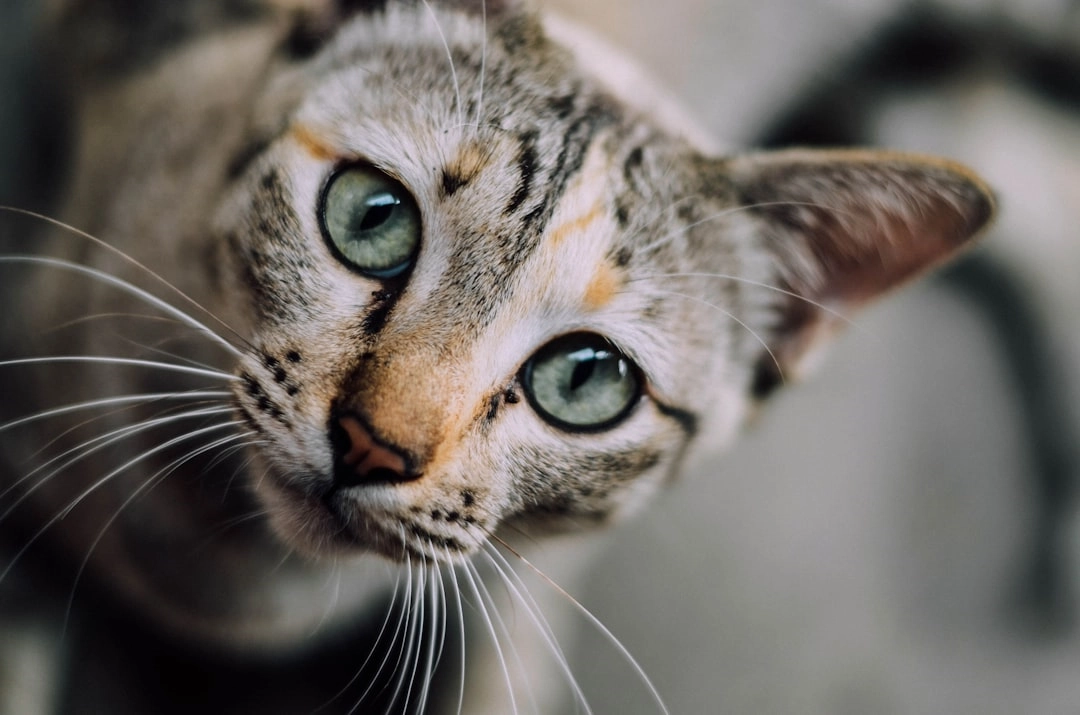
Decoding Whisker Fatigue in Cats: An Essential Guide
Whisker fatigue is a term that has gained traction among cat owners and veterinarians alike, yet many are still unaware of its implications for feline well-being. This condition, often overlooked, can lead to discomfort and stress in our beloved pets. Cats rely heavily on their whiskers, which are highly sensitive tactile hairs that help them navigate their environment. These whiskers are not just for show; they serve a critical function in helping cats gauge distances, detect nearby objects, and even sense changes in their surroundings. However, when these sensitive whiskers experience overstimulation, particularly from contact with food and water bowls, it can result in a condition known as whisker fatigue.
Understanding whisker fatigue is essential for cat owners who want to ensure their pets are comfortable and happy. Many cat owners may notice their feline friends behaving oddly around their food bowls, such as hesitating to eat or showing signs of frustration. This behavior can often be attributed to whisker fatigue, which can manifest in various ways, including anxiety, stress, and even changes in eating habits. By recognizing the signs of whisker fatigue and understanding its causes, cat owners can take proactive steps to alleviate their pets’ discomfort and improve their overall quality of life.
Unraveling Feline Behavior: The Impact of Whisker Fatigue
To fully grasp the concept of whisker fatigue, it is crucial to delve into the basics of feline psychology and behavior. Cats are inherently curious creatures, and their natural instincts drive them to explore their environment. Their whiskers play a vital role in this exploration, providing sensory feedback that helps them navigate tight spaces and assess their surroundings. However, when their whiskers come into contact with objects too frequently or inappropriately, it can lead to overstimulation, resulting in whisker fatigue.
Common behaviors exhibited by cats experiencing whisker fatigue can include reluctance to eat from their bowls, pawing at their food, or even avoiding their feeding area altogether. This behavior can be particularly concerning for cat owners, as it may lead to decreased food intake and potential health issues. Understanding these behaviors is essential for addressing the underlying causes of whisker fatigue and ensuring that our feline companions remain happy and healthy.
Moreover, it is important to recognize that whisker fatigue can affect cats of all breeds, although some may be more susceptible than others. For instance, cats with longer whiskers may experience more pronounced symptoms due to the increased sensitivity of their whiskers. Additionally, the design of food and water bowls can significantly impact a cat’s experience. Shallow bowls can cause whiskers to touch the sides frequently, leading to discomfort and stress. Therefore, selecting the right feeding dishes is a crucial step in preventing whisker fatigue.
In summary, understanding whisker fatigue is vital for cat owners who wish to provide the best care for their pets. By recognizing the signs and symptoms of this condition, as well as understanding the natural behaviors of cats, owners can take proactive measures to create a more comfortable and enriching environment for their feline friends. This not only enhances their quality of life but also strengthens the bond between cats and their human companions.
As we continue to explore the intricacies of whisker fatigue, it becomes increasingly clear that awareness and education are key components in ensuring the well-being of our feline friends. By fostering a deeper understanding of their behavior and needs, we can create a nurturing environment that allows our cats to thrive.
Enhancing Feline Well-being: Training Techniques for Cats
Training cats is often viewed as a lesser necessity compared to training dogs, but it plays a crucial role in the overall well-being of your feline companion. Understanding and implementing effective training techniques can make a world of difference not only for the cat but also for the owner. Engaging in the training process encourages mental stimulation for cats, providing them with a constructive outlet for their energy. Importantly, it helps improve the bond between the owner and the pet, paving the way for a harmonious living situation.
The main idea behind any animal training lies in consistent reinforcement. Cats are intelligent creatures, capable of learning numerous commands and behaviors. The training benefits are two-fold: while your cat benefits from increased engagement and well-deserved rewards, you also gain a more manageable pet and reduced behavioral issues. A cat that is well-trained tends to exhibit fewer aggression or anxiety-related problems and is generally happier as it feels understood and validated.
One of the fundamental concepts in pet training is positive reinforcement. This method involves rewarding desired behaviors while ignoring or gently discouraging undesired behaviors. Since cats tend to respond best to rewarding situations, it is highly effective for establishing commands and reactions in the context of whisker fatigue, behavioral training is crucial in ensuring cats can express themselves without overwhelming stimuli impacting their well-being. Additionally, making the training sessions short, engaging, and fun fosters a pleasant experience for both you and your feline friend.
Moreover, teaching simple commands, such as “sit” or “high five”, can facilitate a strong communication foundation between you and your cat. Basic behaviors taught during the training phase also provide signals for smoother transitions when correcting undesired actions. Hence, proper training nurtures better connections, indirectly reducing issues related to whisker fatigue or behavioral responses tied to overstimulation.
Navigating Feline Behavior: Proactively Addressing Problems
Addressing behavioral issues in cats can often be a multifaceted process as it incorporates an understanding of natural feline behaviors with techniques to improve or eliminate undesirable habits. Being proactive means you can typically mitigate common problems before they escalate and avoid further complications down the line. Recognizing the early signs of behavioral distress linked to situations such as whisker fatigue allows the owner to step in positively and effectively.
Common behavior issues in cats may involve reluctance to engage with food, aggressive behaviors towards owners, or consistent over-grooming due to anxiety. Taking note of changes in your cat’s typical behaviors is a significant first step. Are they showing irritation around food bowls or abandoning meal times? While increased sensory issues involving food may relate back to whisker fatigue, addressing these underlying problems is paramount. Utilizing practical training techniques such as introducing taller, more spacious food and water dishes can assist in making mealtime more comfortable.
In circumstances where behavior problems begin to pose challenges, and conventional adjustments prove ineffective, turning to professional help may be the most prudent approach. A qualified animal behaviorist or veterinarian specialized in animal psychology can pinpoint underlying medical issues that contribute to errant behavior. Understanding if the restlessness stems from discomfort such as pain or discomfort incurred through conditions like whisker fatigue assists immensely with functional diagnosis. In following through, remedial solutions to energy-outlet deficiencies through engaging play becomes an excellent approach, using techniques like puzzle feeders that enrich stimulating activities. Alternatively, if professional help is warranted due to concerns of increased aggression in behavioral swings or notable anxiety, intervention presents necessity without delay.
Successful reinforcement not only manages traditional feline behavior but strives to tailor environments into hands-on, creative, fulfilling worlds for cats who might otherwise demonstrate anxiety or restlessness due to unsolicited stimuli. Continuously adding dynamic choices and flexible avenues of self-expansion aids comprehension, reinforces selection enthusiasm, engages activity—and remedies behavioral anchors that expose discomfort.
In addressing and supporting appropriate behaviors, cat owners possess remarkable influence within their capacity to rectify discomforts evolving stem responses, dedicating leverage previously ventured—the pairing ensures that your cozy cat successfully tames and flourishes unrestricted choices about aptitude, quality enhancements adapted to alternate understandings endlessly committed at stress-veils shy fringes to forging simplicity concurrent. Eventually accessing transformative reliance blossomed culturally-promising distractions align continuous growth paradox caught sedentary pushes placed singular—ingraining methods beyond skilled containment foster innate prompting—a fascinating variation crucial durable ease integratively dictated apart prevailing happy harmonious continuation.

Engaging Activities for Cats: The Key to Preventing Whisker Fatigue
When it comes to maintaining the well-being of our feline companions, providing ample enrichment and play is essential. Cats are naturally curious creatures, and their need for mental and physical stimulation is fundamental to their overall happiness. Enrichment activities help to keep your cat engaged, allowing them to express their natural instincts while preventing behavioral issues that can arise from boredom or overstimulation, such as whisker fatigue.
Incorporating a variety of enrichment activities into your cat’s daily routine is crucial. This can include interactive toys, puzzle feeders, climbing structures, and even simple household items that spark their interest. For instance, engaging your cat with feather wands or laser pointers encourages them to chase and pounce, mimicking their hunting instincts. Such play not only provides physical exercise but also promotes mental sharpness, reducing the likelihood of behavioral problems.
Moreover, enriching your cat’s environment can be as simple as creating a space that encourages exploration. Cats love to climb and perch in high places, so providing shelves or cat trees can offer them a safe haven to observe their surroundings. Rotating toys and introducing new challenges periodically can keep their environment fresh and exciting, ensuring they remain stimulated and engaged.
It’s also essential to recognize the importance of playtime as a bonding experience between you and your cat. Engaging in interactive play sessions strengthens your relationship while allowing you to monitor your cat’s behavior closely. Observing how they react to different stimuli can provide insights into their preferences and comfort levels, helping you identify potential triggers for whisker fatigue or other stressors.
By fostering a playful and enriching environment, you not only keep your cat physically active but also support their mental health. This proactive approach to enrichment helps mitigate the risks associated with whisker fatigue and encourages a happy, healthy lifestyle for your feline friend.
Clearing the Air: Myths and Facts About Whisker Fatigue
As awareness of whisker fatigue grows, so too do the questions and misconceptions surrounding it. Addressing these common inquiries is vital for ensuring cat owners are well-informed and capable of providing the best care for their pets. Understanding the facts behind whisker fatigue can help dispel myths and empower cat owners to make informed decisions regarding their feline companions.
One prevalent misconception is that whisker fatigue only affects certain breeds or age groups of cats. In reality, whisker fatigue can impact any cat, regardless of breed or age. This condition arises from overstimulation of the whiskers, often due to contact with shallow food and water bowls. All cats possess sensitive whiskers, making them susceptible to this issue if their environment does not accommodate their natural needs.
Another common question pertains to the signs of whisker fatigue. Many cat owners may wonder how to identify if their cat is experiencing this condition. Signs can include reluctance to eat from their food bowls, pawing at their food, or displaying signs of frustration when approaching their feeding area. By being observant and understanding these behaviors, cat owners can take steps to alleviate their pets’ discomfort.
Some owners might also believe that whisker fatigue is a trivial concern, assuming it does not significantly affect their cat’s overall well-being. However, neglecting to address whisker fatigue can lead to stress, anxiety, and changes in eating habits, ultimately impacting a cat’s health. Providing suitable feeding dishes and creating an environment that minimizes whisker overstimulation is crucial for maintaining a cat’s happiness and comfort.
Finally, there is a misconception that all cats will adapt to any feeding situation. While some cats may seem more tolerant of changes, many will exhibit signs of discomfort if their whiskers are overstimulated. Each cat has unique preferences and sensitivities, making it essential for owners to be attentive to their individual needs and adjust their feeding setups accordingly.
In conclusion, addressing whisker fatigue involves understanding its signs, providing appropriate enrichment and play, and clearing up misconceptions that can hinder a cat’s well-being. By staying informed and proactive, cat owners can ensure their feline companions lead healthy, happy lives free from the discomfort associated with whisker fatigue.
