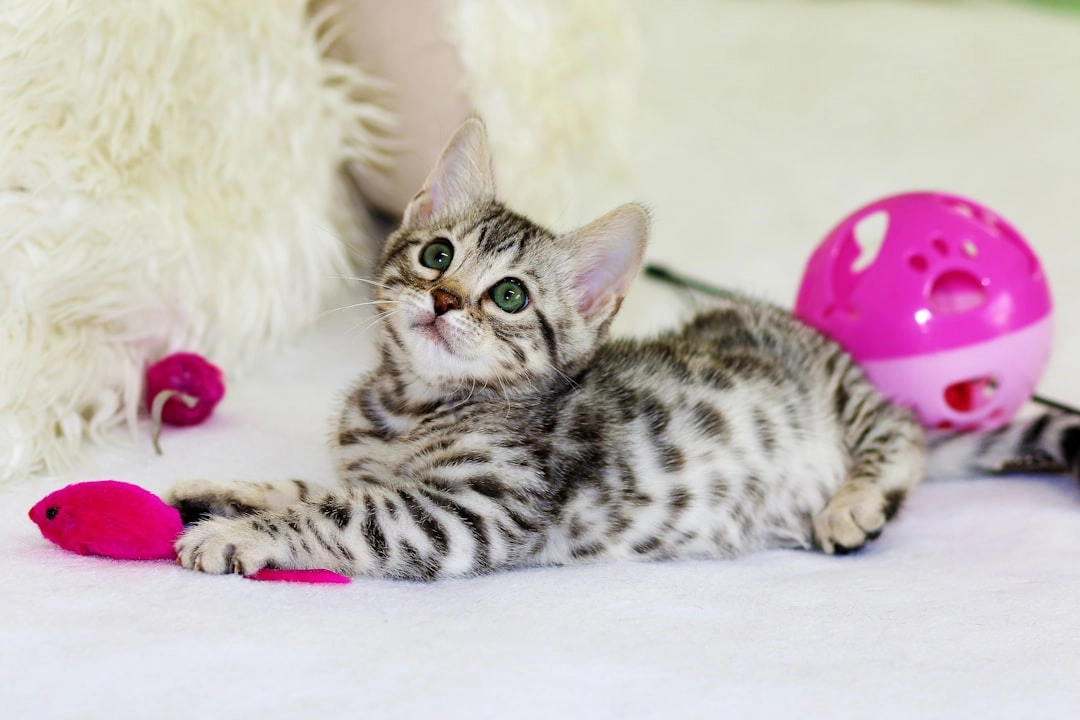
Creating a Safe Space for Your Feline Friend
When it comes to our beloved cats, understanding their behavior is crucial for creating a safe and comfortable environment. Cats are fascinating creatures with complex behaviors that can sometimes leave their owners puzzled. Did you know that a cat’s behavior can be influenced by its environment, genetics, and even its past experiences? This blog post will delve into the intricacies of feline behavior, particularly in the context of creating a safe haven for your cat. By understanding what makes your cat tick, you can foster a space that promotes their well-being and happiness.
Decoding Feline Behavior: The Essentials
To truly appreciate your cat’s behavior, it’s essential to grasp the basics of feline psychology. Cats are instinctual animals, and their behaviors often stem from their wild ancestors. Understanding these instincts can help you interpret your cat’s actions and reactions more effectively.
One of the most fundamental aspects of feline behavior is their territorial nature. Cats are known to be territorial creatures, often marking their space with scent glands located on their cheeks, paws, and tail. This behavior is a way for them to communicate with other cats and establish their territory. When creating a safe room for your cat, consider incorporating elements that allow them to feel secure in their space. This could include providing hiding spots, vertical spaces like cat trees, and familiar scents from their bedding or toys.
Another key behavior to understand is the importance of play. Cats are natural hunters, and their play behavior mimics the stalking and pouncing they would do in the wild. Engaging your cat in interactive play not only satisfies their hunting instincts but also strengthens the bond between you and your feline friend. Toys that mimic prey, such as feather wands or laser pointers, can provide hours of entertainment and mental stimulation.
Additionally, it’s important to recognize the significance of grooming in a cat’s life. Cats spend a significant portion of their day grooming themselves, which serves multiple purposes. Grooming helps them maintain their coat, regulate body temperature, and even relieve stress. When creating a safe haven, ensure that your cat has access to grooming tools or consider regular brushing sessions to enhance their comfort and well-being.
Understanding common behaviors can also shed light on your cat’s emotional state. For instance, purring is often associated with contentment, but it can also indicate pain or distress in certain situations. Similarly, kneading is a behavior that stems from kittenhood, where they knead their mother’s belly to stimulate milk flow. This behavior can be a sign of comfort and affection when your cat kneads on your lap or a soft surface.
Scratching is another behavior that can be both beneficial and frustrating for cat owners. Cats scratch to mark their territory, keep their claws healthy, and stretch their muscles. Providing designated scratching posts or pads can help redirect this natural behavior away from your furniture and into a more appropriate outlet.
It’s also worth noting that different breeds can exhibit unique behaviors. For example, Siamese cats are known for their vocal nature and social tendencies, while Maine Coons are often more laid-back and affectionate. Understanding these breed-specific traits can help you tailor your cat’s environment to better suit their needs.
In conclusion, creating a safe haven for your cat involves understanding their natural instincts and behaviors. By recognizing the significance of territoriality, play, grooming, and common behaviors, you can foster an environment that promotes your cat’s well-being. Remember, every cat is unique, and taking the time to observe and understand their individual behaviors will lead to a happier and healthier feline companion.
Essential Training Tips for Your Feline Companion
Training your cat is not just about teaching them to obey commands; it’s also about strengthening the bond between you and your feline companion. An understanding of the fundamental principles of pet training can have significant benefits both for the cat’s behavioral health and your own peace of mind. Successful training can lead to a happier, healthier household and can minimize behavioral problems that often arise in cats.
First, let’s explore why training your cat is crucial. Although it’s widely assumed that cats are independent and difficult to train compared to their canine counterparts, this perspective is misleading. While cats may not always respond as obediently as dogs, they are quite capable of learning through both direct instruction and by observing their owners. Training enhances your cat’s cognitive skills, teaches them good manners, and can dramatically reduce stress both for you and your cat.
Every training session should ideally use positive reinforcement. Positive reinforcement is a training method that rewards desired behavior rather than punishing unwanted behavior. This could be in the form of treats, praise, or playtime. For example, if you want to teach your cat to come when called, say your cat’s name in a cheerful tone followed by a treat whenever they respond appropriately. Positive experiences associated with that behavior will help solidify it over time.
Feline behaviors can also significantly change over time. Establishing rules early and consistently applying them helps set expectations for your cat. For example, if you want to stop your cat from jumping on kitchen counters, make sure to provide an alternative by giving them climbing structures or tall cat trees. Whenever your cat opts for the appropriate climbing options, offer praise or treats.
A crucial part of cat training is understanding their distinct learning processes. Cats respond best to training in short, rewarding bursts. One effective training session should last no longer than five to ten minutes, especially if your cat seems disinterested. The goal is to ensure they stay engaged and don’t associate training with boredom or stress.
Moreover, be observant! Take cues from your cat. Your furry friend may communicate whether they’re ready to train through their body language. A relaxed body, perky ears, and focused eyes generally indicate engagement. Ensure you maintain patience during sessions; like humans, cats have unique personalities and may take different amounts of time to respond.
Tackling Cat Behavior Challenges Effectively
No matter how diligent your training may be, behavior issues can arise. It’s essential to address these challenges swiftly to enhance your cat’s emotional well-being and to create harmony within your household. Common behavioral issues might include litter box problems, aggression, excessive meowing, or destructive scratching.
Litter box issues are not uncommon among cats and can often stem from medical or environmental factors. Start by ensuring the litter box is kept clean, use a litter type that your cat prefers, and ensure it is located in a quiet and accessible area. If problems persist despite addressing these elements, it may be wise to consult your veterinarian to rule out any health concerns.
Aggression is another common behavioral issue that can be alarming. Understanding what triggers aggressive behavior is crucial for resolving it. Sometimes aggression can be a byproduct of fear, frustration, or overstimulation. Establish a safe space for your cat, gradually encourage it to interact more positively with people or other pets, and if aggression persists, consider discussing your cat’s behavior with a professional animal behaviorist. They can provide insights into why your cat is behaving aggressively and how to correct this.
Excessive meowing may seem playful but can signify underlying concerns. If your feline friend meows excessively, take time to evaluate the cause. Your cat might be lonely, in distress, or attempting to communicate that they want attention. Implementing scheduled playtimes could relieve loneliness, while gentle interaction helps form more comfortable communication.
Finally, for destructive scratching, offer scratching posts designed specifically for that purpose. Training your cat to use this instead can redirect natural urges to scratch while saving your furniture. When you catch your cat using a scratching post, shower them with praise and encouragement.
Understanding behavior patterns in cats will not only save them from potential stress but also optimize the training process for a happy cohabitation. Nonetheless, always observe for subtler messages during interactions and watch how your cat communicates. They will often give clues into their emotions and needs.

Maximizing Fun and Stimulation for Your Cat
Creating a safe haven for your cat goes beyond providing a comfortable space; it also involves ensuring that they have ample opportunities for mental and physical stimulation. Enrichment and play are vital components of feline care, and they play a significant role in your cat’s overall well-being. Just like humans, cats require engagement to thrive. Lack of stimulation can lead to behavioral issues, stress, and even health problems.
So, what exactly is enrichment? Enrichment refers to activities or environments that enhance an animal’s quality of life by encouraging natural behaviors. For cats, this includes climbing, scratching, hunting, and exploring. Providing enrichment is essential for preventing boredom, which can lead to destructive behaviors such as scratching furniture, excessive meowing, or litter box avoidance.
One effective way to enrich your cat’s environment is by incorporating a variety of toys. Toys that mimic prey, such as feather wands or small balls, encourage your cat to engage in their natural hunting instincts. Interactive toys that require problem-solving, such as puzzle feeders, can stimulate your cat mentally while rewarding them with treats. The combination of physical activity and mental engagement is crucial for keeping your cat healthy and happy.
Another aspect of enrichment is providing vertical space for your cat to explore. Cats are natural climbers, and they feel safer when they can observe their environment from a height. Cat trees, shelves, and window perches allow your feline friend to engage in climbing behavior while also providing a vantage point to survey their territory. Make sure to place these structures in areas where your cat can safely jump and explore without the risk of injury.
Additionally, creating a play routine can significantly enhance your cat’s quality of life. Schedule regular play sessions each day to engage with your cat actively. This not only helps strengthen the bond between you and your pet but also ensures they receive the exercise they need. Cats may not always initiate play, so taking the initiative can make a significant difference in their happiness.
Furthermore, rotating toys and introducing new ones can keep your cat’s interest piqued. Just like humans, cats can get bored with the same old toys. By swapping out toys or adding new ones every few weeks, you can create a fresh and stimulating environment that encourages exploration and play.
Clearing Up Misunderstandings About Cat Behavior
With so much information available, it’s common for cat owners to encounter misconceptions regarding feline behavior and care. Addressing these common questions can help demystify cat behavior and enhance your relationship with your furry friend.
One prevalent misconception is that cats are solitary animals that do not require social interaction. While it is true that cats are more independent than dogs, they are still social creatures that benefit from interaction, both with humans and other pets. Many cats thrive on companionship and will actively seek out their owners for attention and play. Ensuring that your cat receives adequate social engagement is crucial for their emotional well-being.
Another misunderstanding is that indoor cats do not need enrichment or play. Some people believe that because their cat is safe indoors, they do not require stimulation. However, indoor cats are often more prone to boredom and stress without proper mental and physical engagement. Providing a stimulating environment filled with toys, climbing structures, and interactive play is essential, regardless of whether your cat goes outdoors.
Additionally, many people assume that a cat’s behavior is set in stone and cannot be changed. While certain behaviors may be instinctual, many can be modified through training and environmental adjustments. For example, if your cat is scratching furniture, providing designated scratching posts and rewarding them for using them can help redirect this behavior. With patience and consistency, many behavioral issues can be improved.
Another common question is whether all cats can be trained. The answer is yes! While training a cat may require different techniques than training a dog, cats are capable of learning a variety of commands and tricks. Positive reinforcement, such as treats and praise, is highly effective in encouraging desired behaviors. With time and patience, you can teach your cat to respond to commands, use a litter box consistently, or even perform tricks.
Lastly, some cat owners may wonder if their cats can experience depression or anxiety. The answer is yes; cats can suffer from mental health issues just like humans. Signs of stress or anxiety in cats can include changes in appetite, hiding, aggression, or excessive grooming. If you notice these behaviors, it’s essential to evaluate their environment and consider seeking advice from a veterinarian or animal behaviorist to address the underlying issues.
In summary, understanding the importance of enrichment and addressing common misconceptions can significantly enhance your cat’s quality of life. By providing a stimulating environment and being open to learning about your cat’s behavior, you can create a safe haven where your feline friend thrives both mentally and physically.
