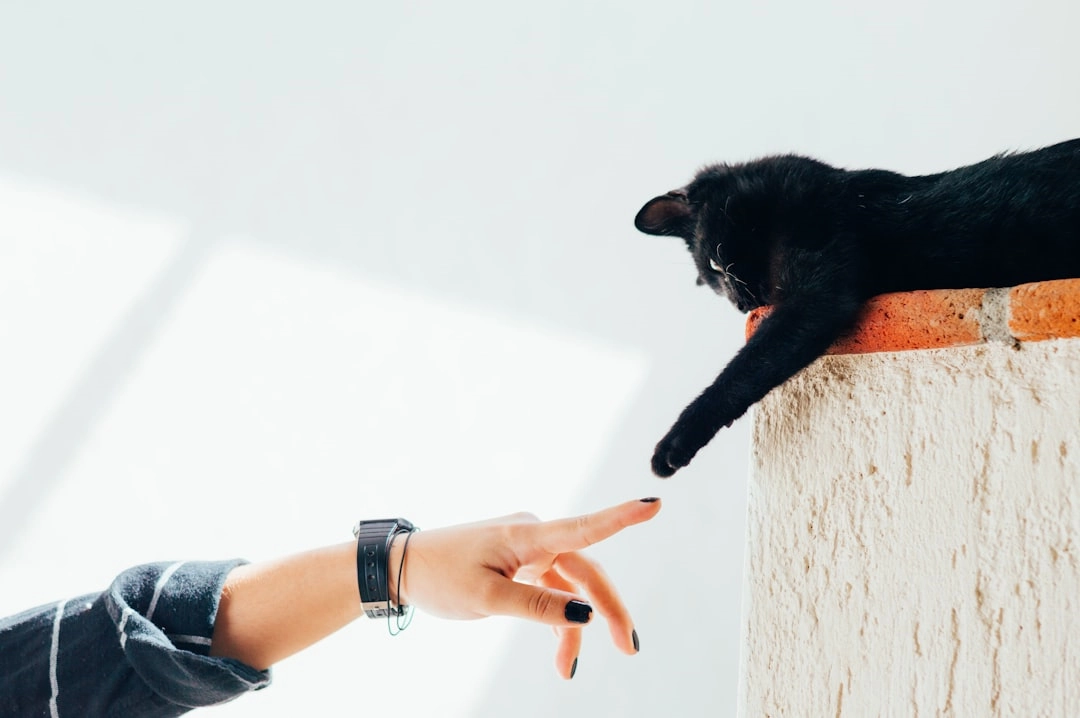
Delving into Gentle Playtime: A Cat’s Joyful Journey
Engaging in gentle playtime with our feline friends is not just a delightful pastime; it is a crucial aspect of their overall well-being. Cats, known for their playful and curious nature, thrive on interactive play that stimulates their minds and bodies. Did you know that play is essential for a cat’s physical health and emotional stability? It helps them develop their hunting skills, maintain a healthy weight, and reduce stress. In this blog, we will explore the significance of gentle playtime, how it fosters a strong bond between you and your cat, and the various ways to engage in this enriching activity.
Many cat owners often wonder how to effectively engage their pets in play. The answer lies in understanding their natural instincts and behaviors. Cats are instinctual hunters, and their play often mimics the stalking and pouncing behaviors they would exhibit in the wild. By providing them with opportunities to express these instincts through gentle play, we can create a fulfilling environment that caters to their needs. This not only keeps them physically active but also mentally stimulated, preventing boredom and the behavioral issues that can arise from it.
Decoding Feline Behavior: The Psychology of Play
To truly appreciate the importance of gentle playtime, it is essential to understand the basics of feline psychology. Cats are complex creatures with a rich array of behaviors that stem from their evolutionary history. Their ancestors were solitary hunters, and many of their instincts remain intact today. This means that playtime is not just a fun activity; it is a vital part of their development and well-being.
One of the most common behaviors observed during play is purring. While many people associate purring with contentment, it can also indicate excitement or even anxiety. Understanding the context in which your cat purrs can help you gauge their emotional state during play. Similarly, kneading is another behavior that often surfaces during gentle play. Cats knead with their paws, pushing in and out against soft surfaces, which is a comforting action that harkens back to kittenhood when they kneaded their mother’s belly to stimulate milk flow.
Scratching is yet another behavior that is often misunderstood. While it may seem destructive, scratching is a natural instinct for cats. It helps them maintain their claws, stretch their muscles, and mark their territory. Providing appropriate scratching posts and incorporating them into playtime can help satisfy this instinct while protecting your furniture.
Moreover, different breeds of cats may exhibit unique behaviors during play. For instance, Siamese cats are known for their vocal nature and may engage in more interactive play, while Maine Coons often enjoy a more laid-back approach. Understanding these breed-specific behaviors can enhance your playtime experience, allowing you to tailor activities that resonate with your cat’s personality.
Incorporating toys that mimic prey, such as feather wands or laser pointers, can ignite your cat’s hunting instincts and make playtime more engaging. It’s essential to observe your cat’s reactions to different toys and activities, as this will help you identify what they enjoy the most. Remember, the goal of gentle playtime is not just to tire them out but to create a positive and enriching experience that strengthens your bond.
As you engage in gentle playtime with your cat, be mindful of their body language. Signs of overstimulation, such as twitching tails or flattened ears, indicate that it may be time to take a break. Respecting your cat’s boundaries is crucial for fostering a trusting relationship. By creating a safe and enjoyable play environment, you can ensure that your cat looks forward to these interactions, enhancing their overall happiness and well-being.
In conclusion, gentle playtime is a vital component of a cat’s life, offering numerous benefits for both the pet and the owner. By understanding feline behavior and providing engaging play experiences, you can create a fulfilling environment that nurtures your cat’s instincts and strengthens your bond. So grab those toys, get ready to engage in some delightful playtime, and watch your cat thrive!
Fostering a Strong Bond: The Importance of Training
Training your cat is an essential aspect of ensuring a harmonious household and establishing a positive relationship between you and your feline companion. While many people may associate training with dogs, cats can be trained just as effectively. In fact, incorporating structured play and gentle instruction can significantly enhance their behavior and social skills. Why is training crucial, you might ask? The benefits of training extend to both the animal and the owner, and here are a few reasons why fostering these skills is important.
First and foremost, training equips your cat with basic commands and desired behaviors, which can make daily life smoother. A well-trained cat can be directed away from unwanted behaviors, whether it be climbing on countertops or using the litter box properly. This not only saves you stress but can also prevent potential destructive behaviors that stem from boredom or insufficient mental stimulation.
Training creates a mutually respectful bond between you and your cat. Engaging with your cat using positive reinforcement, such as treats and affection, enables them to feel loved and secure. This ensures that your cat associates you with positive experiences, increasing their trust and affection towards you. Trust is crucial to creating a meaningful relationship, making your interactions more joyful and engaged.
Additionally, cats require mental stimulation to prevent boredom, which can lead to anxiety and other behavioral issues. Integrating training routines that challenge their intellect enhances their cognitive skills while reinforcing desired behaviors. For instance, teaching your cat to fetch a toy is a playful way to encourage exercise while strengthening the bond you share.
Another important element of effective cat training is understanding the principles behind how pets learn and respond. Basic training follows the principles of positive reinforcement, which involves rewarding desired behaviors rather than punishing unwanted actions. For instance, when your cat successfully uses a scratching post instead of your furniture, acknowledging this with verbal praise or a treat ensures they know their action was correct. Over time, they will continue to choose the designated behavior that yields positive outcomes.
The best approach involves breaking training down into manageable steps and recognizing your cat’s signals. Some cats may require more time to learn specific behaviors than others, but patience is vital. Building upon each little success aids confidence in their learning process, and consistent, short training sessions produce longer-lasting results. Balancing gentleness with persistence fosters a nurturing and engaging learning environment.
Tackling Common Cat Behavior Concerns Effectively
While engagement in gentle playtime with our feline friends is delightful, it’s crucial to address any behavioral issues that arise to enhance harmony within the household. Just as important as training is understanding common behavior issues and implementing effective solutions to keep the stress at bay.
Some of the frequent behavioral concerns cat owners face include litter box issues, aggression, excessive vocalization, or destructive scratching. Let’s explore these challenges and some effective strategies to address them.
Starting with litter box issues, these can arise from several reasons, such as inadequate cleanliness, multiple pet households, or health problems. Ensuring a clean litter box is the foundation. Cats tend to prefer privacy when answering nature’s call, so consider placing the litter box in a quiet, secluded area. Sometimes, transitioning to a different litter type can also make a considerable difference since the texture or scent can affect their comfort. If the problems persist, a visit to the veterinarian can be warranted to rule out any underlying medical conditions.
When it comes to aggression, many factors could be fueling your cat’s behavior. This can range from fear responses, territorial disputes among pets, or underlying stressors within their environment. Learning to recognize the body language—like flattened ears, dilated pupils, or raised hackles—can signal a potential impending aggression. Practicing gradual introductions between pets or providing vertical space through cat trees may reduce feelings of territoriality. In persistent scenarios, seeking professional behaviorist support would be a reasonable course of action.
Excessive vocalization is another area of concern for many cat owners. If your cat tends to meow or cry often, it might seek attention or exhibit signs of stress or discomfort. Carefully observing potential triggers surrounding excessive vocalization can be enlightening, helping to discover the causes that initiate such behaviors. Offering interactive play or environments enriched with entertaining toys may alleviate anxiety, filling the silence in positive and healthy ways.
Destructive scratching can wreak havoc on your furnishings, but understanding why cats scratch allows you to provide an appropriate outlet. Establishing specific scratch posts, cat trees, and textured surfaces will not only meet their scratching instincts but can also reduce household discontent. Enhancing an area with individual toys, scent-enhanced surfaces, or vertical spaces gives your cat healthy forms of expression through scratching.
Ultimately, every behavior that cat owners may encounter can be approached from a place of understanding, and fostering effective communication around these concerns allows us to create positive outcomes. Dedication and enthusiasm for healthy playtime through training and behavior intervention stimulate extraordinary ties with your feline friend that will enrich your life as well. Adopting patience and loving diligence opens doors to happy and well-adjusted lifestyles that make every day’s play a cherished journey.

Enhancing Feline Fun: The Role of Enrichment in Play
Engaging in gentle playtime is more than just a delightful way to bond with your cat; it is a vital aspect of their overall well-being. The importance of mental and physical stimulation cannot be overstated when it comes to our feline friends. Just like humans, cats need regular engagement to thrive emotionally and physically. When we think about enrichment and play, we must consider how these elements contribute to a cat’s happiness and health.
Enrichment activities, including interactive play, help to satisfy a cat’s natural instincts. Cats are natural hunters, and their playful behavior mimics the actions they would take while stalking and capturing prey. Providing opportunities for your cat to engage in this type of play is essential in preventing boredom, which can lead to behavioral issues such as aggression, anxiety, or destructive habits.
Physical stimulation is just as crucial as mental engagement. Regular playtime helps to maintain a healthy weight, as obesity can be a significant health issue in cats. By incorporating activities that encourage your cat to run, jump, and pounce, you not only promote physical fitness but also contribute to their overall mental health. Activities such as chasing feather toys, laser pointers, or even simple crumpled paper balls can ignite your cat’s predatory instincts, keeping them active and engaged.
Furthermore, enriching your cat’s environment can have lasting benefits. Providing climbing structures, scratching posts, and interactive toys can stimulate their curiosity and allow them to explore their surroundings. A multi-level cat tree or shelves installed on the wall can give your cat the vertical space they crave, allowing them to observe their environment from a safe vantage point. Such enrichment encourages them to engage with their surroundings and provides an outlet for their natural behaviors.
In addition to physical play, mental enrichment is equally important. Puzzle toys that dispense treats or food can challenge your cat’s intellect, making them work for their rewards. This not only satisfies their hunger but also provides a sense of accomplishment. Engaging your cat in activities that require problem-solving fosters their cognitive skills, preventing boredom and keeping their minds sharp.
Moreover, social interaction plays a role in enrichment. Cats are social creatures, and spending time with their human companions can significantly improve their emotional well-being. Gentle playtime serves as an opportunity for bonding and can help to alleviate feelings of loneliness, especially for indoor cats. Incorporating routine play sessions into your daily life fosters a stronger relationship between you and your cat, making them feel secure and loved.
Ultimately, the importance of enrichment and play cannot be overstated. By actively engaging in gentle playtime and providing various stimulating activities, you create a fulfilling environment that caters to your cat’s physical and emotional needs. This proactive approach to enrichment can prevent behavioral issues and lead to a happier, healthier feline companion.
Clearing Up Misconceptions: Common Questions About Cat Play
As cat owners, we often have questions or misconceptions about our furry friends, especially regarding playtime and enrichment. Understanding these topics can enhance our interactions with our cats and help us provide better care. Let’s address some of the common questions and clear up misconceptions surrounding cat play and enrichment.
One common misconception is that cats are solitary animals that do not require playtime or interaction. While it is true that cats are independent creatures, they are also social beings that thrive on interaction with their human companions. Regular playtime is crucial for their emotional well-being, and neglecting this aspect can lead to behavioral problems. Engaging with your cat through play fosters trust and strengthens the bond between you.
Another question often arises about how much playtime is sufficient for a cat. While every cat is unique, experts recommend at least 15-30 minutes of interactive play daily. However, it’s essential to pay attention to your cat’s individual needs and preferences. Some cats may require more playtime, while others may be satisfied with shorter sessions. The key is to create a routine that works for both you and your feline friend, incorporating various activities to keep things interesting.
Many people also wonder if it’s necessary to invest in expensive toys for their cats. The good news is that cats can be entertained with simple, everyday items. Crumpled paper balls, cardboard boxes, or string can provide just as much excitement as commercial toys. The focus should be on engaging your cat’s instincts, and sometimes the simplest toys can lead to the most enjoyable play experiences.
Some owners worry that playtime might lead to aggressive behavior in their cats. While it’s essential to monitor your cat’s play style, gentle playtime can actually help to alleviate aggression. By providing appropriate outlets for their energy, such as interactive toys, you can channel their natural instincts into positive behaviors. If you notice aggressive tendencies during play, it’s crucial to recognize the signs and redirect their focus to suitable toys.
Lastly, many people question whether older cats still benefit from playtime. The answer is a resounding yes! While older cats may not have the same energy levels as younger ones, they still enjoy play and require mental stimulation. Adjusting the type and intensity of play can accommodate their physical abilities, allowing them to enjoy the benefits of engagement without overexertion.
In conclusion, understanding the importance of play and addressing common misconceptions can lead to a more enriching and fulfilling experience for both you and your cat. By actively engaging in gentle playtime and providing mental and physical stimulation, you can create a happier, healthier feline companion who thrives in your loving care.
