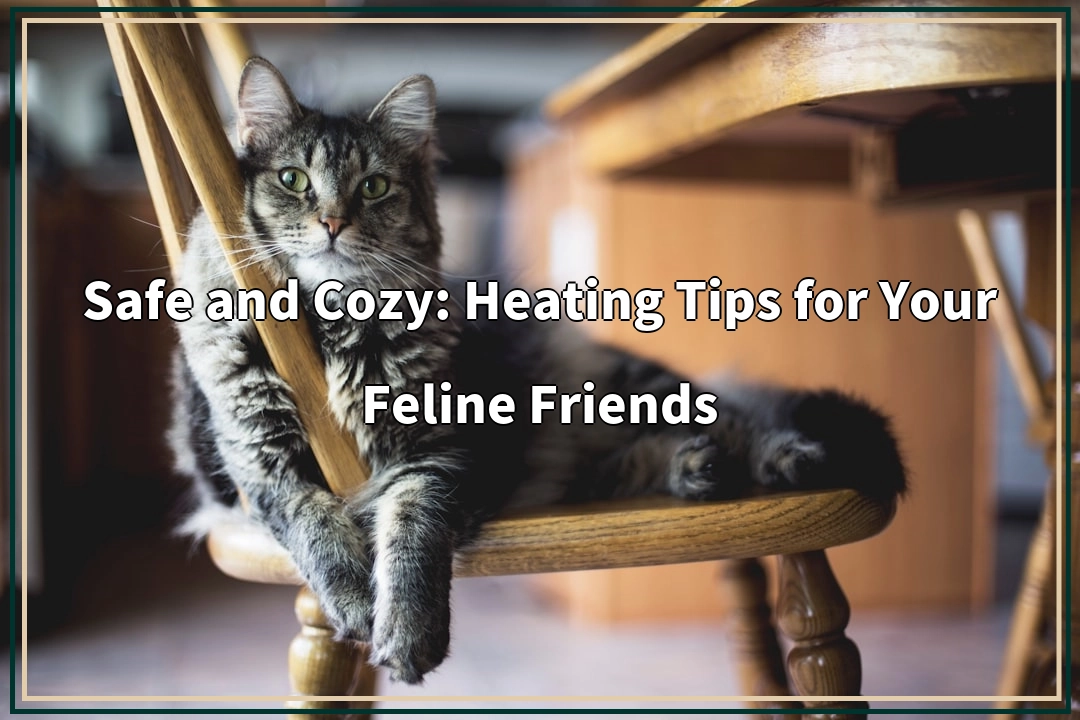
Creating a Warm Haven: Essential Heating Tips for Cats
As the temperatures drop and winter settles in, many pet owners find themselves asking a crucial question: How can I keep my feline friends warm and comfortable during the colder months? Cats, known for their love of warmth, can be particularly sensitive to chilly environments. Unlike humans, who can easily adjust their clothing or heating systems, our furry companions rely on us to provide a safe and cozy atmosphere. This blog post will explore various safe heating methods that ensure your cat remains snug and secure, while also highlighting the importance of maintaining a comfortable living space for their well-being.
Understanding Safe Heating Methods for Cats
When it comes to heating your home for your cat, it’s essential to consider their unique needs and behaviors. Cats are naturally drawn to warmth, often seeking out sunny spots or cozy nooks to curl up in. However, not all heating methods are safe for our feline friends. From traditional heating systems to modern solutions, understanding the best practices for keeping your cat warm is vital for their health and happiness.
One of the most common heating methods is central heating, which can effectively warm an entire home. However, it’s important to ensure that your cat has access to warm areas without being exposed to drafts or extreme temperature fluctuations. Additionally, space heaters can be a great option, but they must be used with caution. Always choose models with safety features, such as automatic shut-off mechanisms, to prevent accidents.
Another popular method is the use of heated pet beds or pads. These specially designed products provide a warm surface for your cat to rest on, mimicking the natural warmth they seek. When selecting a heated bed, look for options that are specifically made for pets, as they are designed with safety in mind. Ensure that the bed has a low wattage and is made from non-toxic materials to keep your cat safe.
In addition to these methods, it’s essential to create a warm environment by utilizing blankets, cushions, and other soft materials. Cats love to burrow and nest, so providing them with cozy spots to snuggle up in can help them retain body heat. Consider placing blankets in their favorite resting areas or creating a designated warm space where they can feel secure and comfortable.
It’s also important to monitor your cat’s behavior during colder months. If you notice them seeking out warmth more frequently or displaying signs of discomfort, it may be time to reassess your heating methods. Cats can be prone to hypothermia, especially if they are older or have health issues, so keeping a close eye on their habits is crucial.
In summary, ensuring your cat stays warm during the winter months involves a combination of safe heating methods and attentive care. By understanding their needs and providing a cozy environment, you can help your feline friend thrive even in the coldest weather.
Exploring Heating Solutions for Your Feline Companion
When considering heating solutions for your cat, it’s essential to explore various options that cater to their specific needs. Understanding the different types of heating methods available can help you make informed decisions that prioritize your cat’s safety and comfort.
Central heating systems are a common choice for many households. These systems distribute warm air throughout the home, creating a consistent temperature. However, it’s important to ensure that your cat has access to warm areas without being exposed to drafts. Cats often seek out sunny spots or cozy corners, so providing them with access to these areas can enhance their comfort.
Space heaters are another popular option, especially for those who want to heat specific rooms. When using space heaters, it’s crucial to choose models with safety features, such as automatic shut-off mechanisms, to prevent accidents. Additionally, ensure that the heater is placed in a location where your cat cannot accidentally knock it over or come into direct contact with it.
Heated pet beds or pads are specifically designed to provide warmth for cats. These products are an excellent investment for pet owners looking to create a cozy resting space for their feline companions. When selecting a heated bed, look for options that are made from non-toxic materials and have low wattage to ensure safety.
Creating a warm environment with blankets, cushions, and soft materials is also essential. Cats love to burrow and nest, so providing them with cozy spots to snuggle up in can help them retain body heat. Consider placing blankets in their favorite resting areas or creating a designated warm space where they can feel secure and comfortable.
In conclusion, understanding safe heating methods for your cat is vital for their well-being during the colder months. By exploring various heating solutions and creating a warm environment, you can ensure that your feline friend remains cozy and happy throughout the winter.

Understanding Your Cat’s Needs for a Cozy Environment
When it comes to creating a warm and inviting space for your feline friends, understanding their unique characteristics is essential. Cats are inherently creatures of comfort, often seeking out warm spots to curl up and relax. Their behavior and preferences can be influenced by various factors, including their breed, age, and individual personality. Recognizing these traits will help you provide a safe and cozy environment that caters to their needs.
Cats have evolved as independent hunters, which has shaped their behavior and instincts. They tend to prefer warmer areas because their ancestors thrived in climates where they could find shelter from the cold. This instinctual behavior drives them to seek out sunlit spots or cozy corners in your home. Understanding this characteristic can help you create designated warm areas that your cat will naturally gravitate towards.
Additionally, the physical characteristics of cats play a significant role in their comfort. Cats have a higher body temperature than humans, typically ranging from 100.5°F to 102.5°F (38°C to 39.2°C). This means they may require a warmer environment than we do. When setting up your home for your cat, consider their need for warmth and comfort, especially during colder months.
Another aspect to consider is the breed of your cat. Some breeds, such as the Maine Coon or the Norwegian Forest Cat, have thicker fur and may tolerate colder temperatures better than short-haired breeds like the Siamese or the Bengal. Understanding these differences can help you tailor your heating methods to suit your cat’s specific needs.
Furthermore, age and health status can influence a cat’s comfort level. Older cats or those with health issues may struggle to regulate their body temperature and may require additional warmth. By being attentive to these characteristics, you can ensure that your cat feels safe and cozy in their environment.
Providing Optimal Care for Your Feline Companion
To ensure your cat remains healthy and comfortable, it’s essential to provide proper care that includes attention to their dietary needs and overall health. Cats are obligate carnivores, meaning their diet must primarily consist of meat. Understanding their nutritional requirements is crucial for maintaining their health and well-being.
A balanced diet for cats should include high-quality protein sources, essential fatty acids, vitamins, and minerals. Look for cat food that lists meat as the primary ingredient, as this will provide the necessary nutrients for their energy and overall health. Additionally, ensure that your cat has access to fresh water at all times, as hydration is vital for their well-being.
In terms of health, there are several common concerns that cat owners should be aware of. One significant issue is obesity, which can lead to various health problems, including diabetes, joint issues, and heart disease. Monitoring your cat’s weight and ensuring they receive regular exercise is essential for preventing obesity. Engaging your cat in playtime with toys or interactive games can help keep them active and healthy.
Another common health concern is dental disease. Cats can suffer from periodontal disease, which can lead to pain and tooth loss if left untreated. Regular dental check-ups and providing dental treats or toys can help maintain your cat’s oral health.
Additionally, regular veterinary check-ups are crucial for monitoring your cat’s overall health. Routine vaccinations, parasite control, and health screenings can help catch any potential issues early on. By staying proactive about your cat’s health, you can ensure they remain happy and comfortable in their cozy environment.
In summary, understanding your cat’s characteristics and providing optimal care are essential for creating a safe and cozy environment. By catering to their needs and being attentive to their health, you can ensure that your feline friend thrives in your home.

Cozy Living: Creating a Comfortable Environment for Your Cat
Living with a cat requires understanding their unique needs and preferences to ensure they feel safe and comfortable in their home environment. This involves not only providing a cozy space but also considering their compatibility with family members, other pets, and their activity needs. By fostering a harmonious living environment, you can help your feline friend thrive.
Cats are known for their independent nature, but they also seek companionship and can form strong bonds with their human families. When introducing a cat into your home, it’s important to consider how they will interact with family members. Most cats are generally adaptable, but their level of sociability can vary depending on their breed and individual personality. For example, breeds like the Ragdoll or the Maine Coon are known for their friendly and sociable demeanor, making them great companions for families. In contrast, some breeds may be more reserved and prefer a quieter environment.
In households with other pets, the introduction process is crucial. Cats can coexist peacefully with dogs and other cats, but it often depends on their temperament and socialization. Slow introductions, supervised interactions, and providing separate spaces for each pet can help ease any tension and promote harmony. Understanding your cat’s body language is also key to ensuring that they feel safe and secure around other animals.
Another important aspect of living with a cat is recognizing their activity needs. Cats are natural hunters and require mental and physical stimulation to stay happy and healthy. While some cats are content to lounge around, others have higher energy levels and need regular playtime to burn off excess energy. Engaging your cat with interactive toys, puzzle feeders, and regular play sessions can help satisfy their hunting instincts and keep them mentally sharp.
Providing vertical spaces, such as cat trees or shelves, can also enhance their living environment. Cats love to climb and perch, as it allows them to observe their surroundings from a safe vantage point. Creating an enriched environment that includes scratching posts, cozy hiding spots, and stimulating toys will help keep your cat engaged and satisfied in their home.
Your Cat Questions Answered: Common Inquiries About Feline Comfort
As a cat owner, you may have several questions regarding how to best care for your feline friend, especially when it comes to ensuring their comfort during colder months. Here are some frequently asked questions that can provide valuable insights into keeping your cat cozy and safe.
1. What is the best way to keep my cat warm during winter?
To keep your cat warm during winter, ensure they have access to cozy spots with blankets or heated pet beds. Utilize space heaters safely, ensuring they are placed in areas where your cat can comfortably relax without the risk of burns or accidents. Make sure to keep doors and windows closed to prevent drafts, and provide plenty of soft bedding for them to snuggle in.
2. Are there specific heating products that are safe for cats?
Yes, there are several heating products designed specifically for pets. Look for heated pet beds, pads, or blankets that are made from non-toxic materials and have low wattage to ensure safety. Always choose products that have been tested for pet safety and come with built-in safety features, such as automatic shut-off mechanisms.
3. How can I tell if my cat is too cold?
Signs that your cat may be too cold include shivering, seeking out warm places, curling up tightly, or displaying lethargy. If you notice your cat showing these behaviors, it’s essential to provide them with a warm, comfortable environment immediately.
4. Can I use regular blankets or towels to keep my cat warm?
Yes, regular blankets and towels can be great for keeping your cat warm. Cats love to burrow, so providing them with soft blankets to snuggle in can enhance their comfort. Just make sure the materials are safe and free from harmful substances.
5. Is it safe to use a heating pad for my cat?
Using a heating pad designed for pets can be safe, but it’s crucial to monitor your cat while they use it. Ensure that the heating pad is set to a low temperature, and never leave your cat unattended while it is in use. Always follow the manufacturer’s instructions for safe usage.
6. What if my cat prefers cooler temperatures?
Cats have individual preferences when it comes to temperature. If your cat prefers cooler areas, ensure they have access to different spots in your home where they can choose their preferred temperature. Provide a mix of warm and cool spaces, allowing them to move freely as they please.
By addressing these common inquiries, you can create a warm and inviting environment for your feline companion, ensuring they remain cozy and comfortable throughout the colder months.
