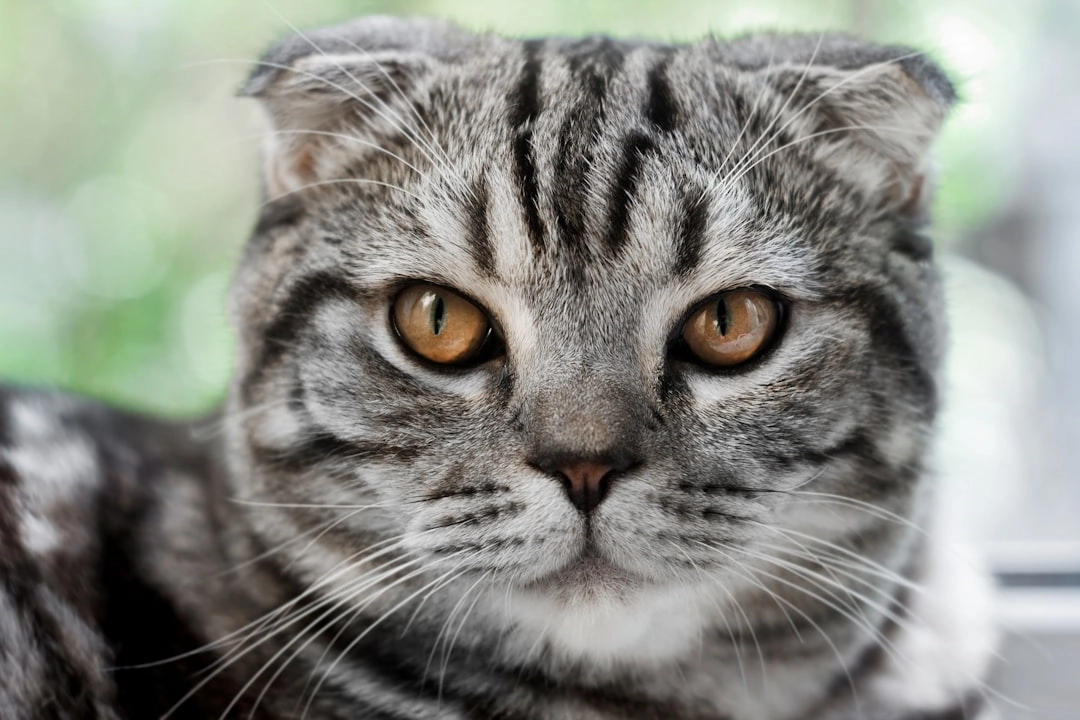
Unlocking the Secrets of Your Cat’s Silent Communication
When it comes to understanding our feline companions, many pet owners often focus on vocalizations, such as meows and purrs. However, a significant portion of cat communication occurs silently, through body language and subtle behavioral cues. This non-vocal communication is essential for deciphering what your cat is feeling and thinking. Did you know that cats can express a wide range of emotions and intentions without uttering a single sound? From the way they position their ears to the flick of their tails, these silent signals can tell you a lot about their mood and needs. In this guide, we will explore the fascinating world of cat non-vocal communication, helping you unlock the silent signals your cat uses to express itself.
Understanding these non-vocal cues is crucial for building a strong bond with your cat. By learning to interpret their body language, you can respond more effectively to their needs, ensuring a happier and healthier relationship. Whether you are a new cat owner or have been living with your feline friend for years, understanding their silent communication can enhance your interactions and deepen your connection. Let’s dive into the intricacies of feline behavior and discover how to read the unspoken language of cats.
Decoding Feline Body Language and Behavior
To truly understand your cat, it’s essential to grasp the basics of feline psychology and the natural instincts that drive their behavior. Cats are inherently instinctual creatures, and their behaviors often stem from their wild ancestry. Understanding these instincts can provide valuable insights into their actions and reactions in a domestic setting.
One of the most common behaviors observed in cats is purring. While many people associate purring with contentment, it can also indicate other emotions, such as anxiety or discomfort. Cats often purr when they are in pain or feeling unwell, as the vibrations can have a soothing effect on their bodies. Therefore, it’s crucial to consider the context in which your cat is purring to accurately interpret their feelings.
Kneading is another behavior that many cat owners find endearing. This action, where a cat pushes its paws in and out against a soft surface, is often a remnant of kittenhood. Kittens knead their mother’s belly to stimulate milk flow, and adult cats may continue this behavior as a sign of comfort and security. If your cat kneads on your lap, it’s a clear indication that they feel safe and content in your presence.
Scratching is a natural behavior for cats, serving multiple purposes. It helps them maintain their claws, stretch their muscles, and mark their territory. Providing appropriate scratching posts can help redirect this behavior away from your furniture while satisfying their instinctual needs. Understanding why your cat scratches can help you create an environment that caters to their natural behaviors.
Another important aspect of feline behavior is tail position. A cat’s tail can convey a wealth of information about their emotional state. For instance, a tail held high often indicates confidence and happiness, while a low or tucked tail may suggest fear or submission. A flicking tail can signal agitation or excitement, while a slowly waving tail may indicate curiosity. By paying attention to your cat’s tail movements, you can gain insights into their mood and intentions.
Eye contact is also a significant form of communication among cats. Slow blinking is often referred to as a “cat kiss,” and it signifies trust and affection. If your cat looks at you and slowly closes their eyes, it’s a sign that they feel safe and comfortable with you. Conversely, direct staring can be perceived as a threat, so it’s essential to be mindful of how you engage with your cat’s gaze.
Understanding breed-specific behaviors can also enhance your knowledge of feline communication. Different breeds may exhibit unique traits and tendencies that influence their behavior. For example, Siamese cats are known for their vocal nature and strong social bonds, while Maine Coons are often more laid-back and independent. Recognizing these breed characteristics can help you tailor your approach to your cat’s specific needs and preferences.
In conclusion, decoding your cat’s silent signals is an essential skill for any cat owner. By understanding the basics of feline psychology and recognizing common behaviors, you can foster a deeper connection with your furry friend. Whether it’s interpreting their body language, responding to their needs, or appreciating their unique personality traits, being attuned to your cat’s silent communication will lead to a more harmonious and fulfilling relationship.
Essential Training Techniques for Cats: Fostering Positive Behaviors
Training is not just for dogs; it is equally essential for cats and can significantly improve your relationship with your feline companion. Unlike their canine counterparts, cats often communicate and behave in more subtle, complex ways. This is why effective training approaches can bridge the communication gap between pet owners and their cats. Training can lead to improved behavior, less stress, and greater harmony within the household.
The importance of training for cats extends well beyond obedience. For many cats, a structured training regimen can help build confidence, diminish anxiety, and prevent common behavioral issues. When owners take an active role in teaching their cats, they open a window to enhance their bonds. Both owner and feline can share positive experiences, ultimately leading to happier and more well-adjusted pets.
Understanding how cats learn is integral to developing a successful training approach. Positive reinforcement—a technique that involves rewarding desired behavior with treats, praise, or play—is particularly effective for felines. This technique is grounded in the knowledge that cats repeat behaviors that yield positive outcomes. Remember, patience is crucial: cats may not learn at the same pace as dogs, so celebrate small victories along the way!
The environment in which you train your cat also matters. Ensuring that the space is quiet and free of distractions helps keep your cat engaged. The duration of the training sessions should be manageable; short and fun sessions often work better as cats have shorter attention spans compared to dogs. Practice regular training to keep it familiar for your feline while helping them internalize the commands and concepts faster.
Another important aspect of training is establishing a routine. Cats thrive on predictability, and integrating commands into regular daily activities can boost their understanding of what is being asked of them. For example, using a simple command such as “sit” can often coincide with the time you offer a meal or a favorite treat.
Reward-based learning also fosters your cat’s ability to associate the command with the desired action, thanks to repeated reinforcement. For instance, if you’re teaching “high five,” patiently encourage your cat to tap your hand by raising it gently and rewarding them immediately after they succeed.
Using clicker training, where a clicker is used to punctuate positive behaviors that are followed by a treat, can further sharpen this approach. Many cat trainers advocate for this technique, as the click sound can signify to the cat that a reward is on its way for behaving correctly.
Handling Common Cat Behavioral Problems Effectively
While understanding your cat’s silent signals is key to improving the quality of your relationship with them, sometimes specific behavioral challenges may arise. Being attuned to their unique needs will ultimately make managing these issues more approachable. Common cat behavioral problems include litter box avoidance, excessive scratching, inappropriate biting or aggression, and vocalization.
Litter box issues can be frustrating, but generally stem from discomfort rather than defiance. To combat this, first ensure the litter box is clean and accessible. Also, note the type of litter being used, as some cats are quite particular about its texture or scent. For any sudden change in litter habits, it’s also essential to consult with a veterinarian to rule out any potential health issues.
Another common challenge is scratching. While natural and unavoidable, providing various scratching posts at diverse angles can encourage acceptable behavior. When scratching occurs in undesired locations, redirect your cat back to designated scratching spaces, supplementing your teaching with praise when they do it correctly.
Aggressive behavior often arises from fear or lack of socialization. Assess the triggers contributing to biting or clawing and seek methods to reduce exposure to these stimuli. Creating a safe and positive space can gradually reduce anxiety leading to hostile interactions. If aggression occurs during play, utilize enticing toys to establish healthier engagement compared to using your hands or body.
As for unwanted vocalizations, know that incessant meowing might indicate hunger, stress, boredom, or medical needs. Addressing them involves observation; ignore vocal cues to identify the cause. By proactively incorporating toys and engaging playtime, you can fulfill much of their physical stimulation need, and lessen instances of unnecessary meowing, shifting their focus back to entertainment rather than pleading.
If you find that attempts to rectify behavioral issues are not working or if they worsen over time, enlisting the assistance of a professional animal behaviorist may be beneficial. Finding an expert who specializes in feline behavior can offer tailored insights specific to your cat’s characteristics and situations.
In conclusion, while understanding and fostering effective behavior might take patience and consistency, those initial efforts yield rewarding outcomes for you and your cat. Training serves as a valuable bridge between the two of you, providing solutions to everyday challenges and promoting a lifetime of joy. The journey of navigating feline communication may be evolving but requires deep compassion and proactive efforts to foster happy relationships along the way.

Enhancing Your Cat’s Life: The Importance of Play and Enrichment
Providing mental and physical stimulation for your cat is crucial to their overall well-being. Just like humans, cats require activities that challenge their minds and bodies to thrive. Enrichment involves a variety of activities and resources that keep your cat engaged, entertained, and happy. By incorporating these elements into your cat’s daily routine, you can prevent behavioral issues and create a fulfilling environment that mimics their natural instincts.
Cats are natural hunters, and without appropriate outlets for their predatory instincts, they can develop problematic behaviors such as scratching furniture, excessive vocalization, or even aggression. Enrichment helps channel their energy into positive actions, ensuring that your feline friend remains physically active and mentally stimulated. Providing various enrichment opportunities can prevent boredom and anxiety, which are common contributors to destructive behavior.
Physical enrichment can come in many forms, including interactive toys, climbing structures, and even simple cardboard boxes. Toys that mimic the movements of prey, such as feather wands or laser pointers, engage your cat’s hunting instincts and encourage them to exercise. Climbing structures, like cat trees or shelves, allow your cat to explore vertical spaces, which is essential for their physical health and natural behavior.
Mental stimulation is equally important and can be achieved through puzzle feeders or treat-dispensing toys. These toys challenge your cat to think critically about how to access their food, providing both entertainment and a rewarding experience. Additionally, engaging in training sessions using positive reinforcement techniques can enhance your cat’s mental acuity and strengthen the bond between you.
Environmental enrichment can also include creating a stimulating atmosphere within your home. Consider placing scratching posts near windows so your cat can observe the outside world. This provides both mental stimulation and satisfies their curiosity. Incorporating safe plants or cat-friendly herbs can also add to their sensory experiences, giving them a variety of textures and scents to explore.
Remember that each cat is unique, and what works for one may not work for another. It’s essential to observe your cat’s preferences and behaviors to tailor enrichment activities to their specific needs. Regularly rotating toys and activities will keep your cat engaged and prevent them from losing interest in their environment. Ultimately, a well-enriched environment promotes a happier, healthier, and more balanced feline companion.
Clearing Up Myths: Frequently Asked Questions About Cat Behavior
As a cat owner, you may have questions or misconceptions about your feline friend’s behavior and communication. Understanding these aspects is vital for fostering a healthy relationship with your cat. Here, we’ll address some common questions and misconceptions to help clarify your understanding of cat behavior.
One common misconception is that cats are solitary creatures that do not require social interaction. While cats are more independent than dogs, they are social animals that thrive on companionship. Many cats enjoy spending time with their owners and can develop strong bonds with them. Engaging in interactive play or simply sitting together can fulfill their social needs and provide emotional support.
Another frequently asked question is whether cats can be trained. The answer is yes! Cats are capable of learning commands and behaviors, especially when trained using positive reinforcement techniques. Training can help establish a clear communication channel between you and your cat, enhancing your bond while addressing any unwanted behaviors. Techniques such as clicker training can be effective in teaching your cat new tricks or reinforcing good behavior.
Many owners wonder why their cat displays certain behaviors, such as kneading or scratching. Kneading is a natural instinct that stems from kittenhood, where they knead their mother’s belly to stimulate milk flow. As adult cats, this behavior can signify comfort and contentment. Scratching, on the other hand, serves multiple purposes: it helps maintain their claws, marks their territory, and stretches their muscles. Providing appropriate scratching posts can help redirect this behavior away from furniture.
Some owners may also be concerned about their cat’s vocalizations. While excessive meowing can indicate distress or discomfort, it is essential to understand the context. Cats may vocalize to communicate their needs, such as hunger or a desire for attention. Observing your cat’s body language and the situations in which they vocalize can provide insights into their emotions and needs.
Another myth is that all cats dislike water. While it’s true that many cats are not fond of being submerged, some breeds, like the Maine Coon and the Abyssinian, are known to enjoy playing with water. Additionally, some cats may enjoy the sensation of water, especially if introduced to it gradually and positively. Providing a shallow dish of water or a cat fountain can encourage playful exploration.
Lastly, some people believe that cats cannot feel emotions as deeply as dogs. However, research shows that cats are capable of forming strong emotional attachments to their owners and can experience a range of emotions, including joy, fear, and even jealousy. Recognizing and responding to your cat’s emotional cues is essential for building a trusting and loving relationship.
By addressing these common questions and misconceptions, you can better understand your cat’s behavior and needs. Building a strong relationship with your feline companion involves learning about their unique personality and providing an environment that nurtures their instincts and well-being. Ultimately, an informed and engaged cat owner is better equipped to create a happy and fulfilling life for their furry friend.
