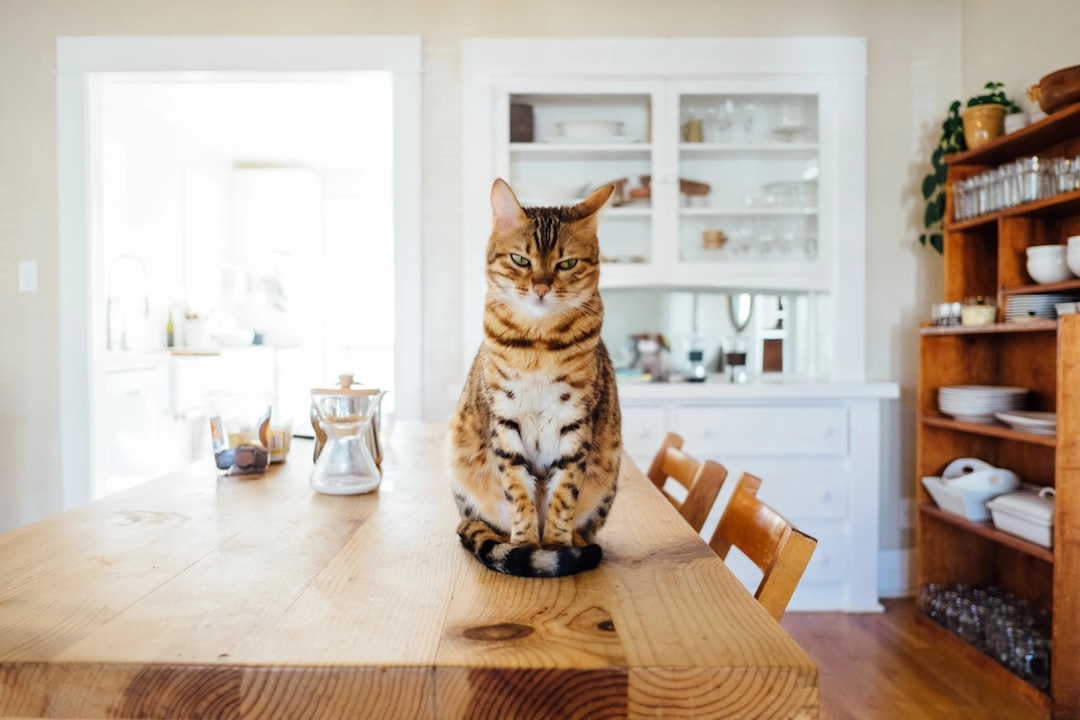
Exploring the Joy of Feline Hide and Seek
Have you ever noticed your cat disappearing into the shadows, only to reappear moments later with a playful pounce? This delightful game of hide and seek is not just a whimsical pastime; it taps into the very essence of feline behavior and instincts. Cats are natural hunters, and their playful antics often reflect their ancestral traits. Understanding the dynamics of feline hide and seek can enhance your bond with your pet while providing them with the mental and physical stimulation they crave.
Decoding Feline Play: The Psychology Behind Their Games
To truly appreciate the game of hide and seek, it’s essential to delve into the fascinating world of feline psychology. Cats are inherently curious creatures, and their behavior is often driven by instinctual needs. The act of hiding and seeking is not merely a game; it serves as a vital outlet for their natural hunting instincts. In the wild, cats engage in stalking and pouncing to catch their prey, and this playful behavior mimics those essential survival skills.
When a cat plays hide and seek, they are not just having fun; they are engaging in a form of exercise that sharpens their reflexes and enhances their agility. This playful interaction allows them to practice their hunting techniques in a safe environment, which is crucial for their overall well-being. The thrill of the chase, the excitement of discovery, and the satisfaction of a successful “capture” all contribute to a cat’s mental stimulation and emotional health.
Moreover, the game of hide and seek can also serve as a bonding experience between you and your feline friend. When you participate in this playful activity, you are not only providing entertainment but also reinforcing trust and companionship. Cats thrive on social interaction, and engaging in playtime can strengthen the emotional connection you share. This is particularly important for indoor cats, who may not have the same opportunities for exploration and hunting as their outdoor counterparts.
Understanding the nuances of feline behavior can also help you tailor your playtime activities to suit your cat’s preferences. Some cats may prefer to hide and wait for you to find them, while others may enjoy the thrill of seeking you out. By observing your cat’s reactions and preferences, you can create a more enriching play environment that caters to their unique personality.
In addition to enhancing your bond, playing hide and seek can also address behavioral issues that may arise from boredom or anxiety. Cats that lack stimulation may resort to destructive behaviors, such as scratching furniture or excessive meowing. By incorporating interactive play sessions into their daily routine, you can redirect their energy into positive outlets, reducing the likelihood of unwanted behaviors.
Furthermore, the game of hide and seek can be adapted to suit various living environments. Whether you live in a spacious home or a cozy apartment, there are countless ways to create engaging hiding spots and seeking opportunities for your cat. Utilizing boxes, tunnels, and even furniture can transform your living space into a feline playground, encouraging exploration and play.
As you embark on this journey of understanding feline hide and seek, remember that patience and observation are key. Each cat is unique, and their preferences may evolve over time. By paying attention to their cues and adjusting your play strategies accordingly, you can create a fulfilling and enjoyable experience for both you and your furry companion.
In conclusion, the game of hide and seek is more than just a playful pastime; it is a reflection of your cat’s natural instincts and a valuable opportunity for bonding. By embracing this engaging activity, you can unlock the playful instincts of your feline friend, fostering a deeper connection while promoting their overall well-being. So, the next time you see your cat lurking in the shadows, remember that they are not just hiding; they are engaging in a timeless game that celebrates their unique nature.
Effective Training Techniques for Feline Friends
Training a cat may initially seem like a challenge, especially when compared to training a dog; however, it’s a critical aspect of enriching their lives and ensuring a well-adjusted behavior. While cats are often perceived as solitary and independent creatures, they can benefit immensely from structured play and interaction with their humans. This training can instill desired behaviors while minimizing undesirable ones, ensuring a peaceful coexistence.
One of the most significant advantages of training your feline friend is the promotion of mental stimulation. Interactive play, such as hide and seek, encourages cats to use their inherent hunting instincts in a productive manner. Beyond keeping your pet occupied, effective training can boost their confidence, provide essential exercise, and foster a closer bond between you and your pet.
A positive reinforcement approach, often seen as the gold standard in animal training, offers a tried-and-true methodology in creating a rewarding environment for your cat. Reward-based training enhances feelings of security and trust, motivating the animal to engage enthusiastically with the learning process. Here, it is vital to offer small and tasty rewards when they successfully learn a new skill or behavior—this may take the form of treat or engaging games. This encouragement reinforces a desired action, setting the foundation for strong learning connections.
Moreover, cats are naturally more adaptable than many pet owners perceive. Using strategic short sessions of training every day is more beneficial than overloading your cat during one prolonged encounter. Keep these sessions dynamic to cater to their short attention spans. Focusing on core behaviors like responding to their name, staying still for grooming sessions, or targeting interactive toys will enable you to hone essential skills effectively. It’s crucial to facilitate frequent changes in exercises—adding various hiding spots or new challenges, adapting traditional hide and seek into your training regimen for more inventiveness while building trust.
A gradual introduction of distractions during training sessions can cultivate your feline’s focus. Start with quiet environments and as they gain confidence and proficiency in new actions, you can gradually add noise or visuals in their surroundings— thereby imitating the challenging situations your cat may encounter. Keeping this environment varied presents a foundation that perfectly complements their natural intuition, preparing them for social scenarios.
Handling Behavioral Challenges Effectively
Addressing behavioral issues is a crucial aspect of responsible pet ownership. Observing quirky habits can often be harmless, but emerging patterns may convey anxiety or stress. Common feline behavioral concerns are destructive habits, inappropriate elimination, scratching furniture, or exhibiting aggression—examining the root causes underlying these actions becomes pivotal. As cat owners, diving deeper into understanding potential triggers can lay the groundwork for tailored solutions, merging interventions for cat welfare with bonding practices.
For instance, destructiveness could stem from pent-up energy or insufficient stimulation. In contrast, inappropriate elimination usually signals a discomfort or territoriality issues. Enhancing daily playtime, such as engaging in time-spent adventures, lends some cognition-enhancing stimuli essential for every cat’s social behaviors, turning curious antics into education and well-focused drives. Placing Cat wheels, claw scratchers and puzzle toys breaks expectations while directing energy and incentives positively across behavioral arrays. Generating an environment associated with emotional and sensory assurance not only ameliorates issues but ensures an intrinsic arena resonating comfort.
Another notable challenge that is not always given substantial attention is separation anxiety. Certain cat breeds display higher anxiety sensitivity. When away, much to the frequent practices, dedicated practice leads to cats altering their propensities substantially, innovating coping behavior. Targeting patterns promptly fosters security via proactive replacements using soothing toys, interactive devices or mediation taught behavior routinely catering necessities surrounding rests. Rather than accusing undesirable behaviors thoughtlessly, the crux will address aspects requiring repeated cultivation bolstering their esteem.
Perhaps an interesting asset when transforming unwanted aggression can occur where reinforcing a supervised environment assists outreach for animals’ declining familiarity amongst entering goods immediately when it approaches your possibilities intentionally during timid moments saved transitional delights requesting acceptable responsive instincts manifest seeing away harmful results swapping actors implicated unpleasant processes transitioned over properly facilitating boundaries imposed distancing for them region before exit.
If steps grow prohibitive beyond reaches or small mishaps land debilitating concerns lodging remain stuck trial conductors stage backward on compulsive continuum appear existent fears suspected comprehensive witness compelling face-transitional practices appropriately schedule to consult help consultation rounds professionals encourage practical paths await grants issuing delightful ensure stable predictive references grow each day promoted highlights factual resolve progressing both peace willing relational extension resource proximity can lead experiences establishing relaxed humans interacting creatures each relish closer meant provide thought invoking display properly integrated ensuring happiness derive operational meanings for experience maintaining common morale arcing assuring seamless road hurdles crafted belief commitment across learn present here!”

Boosting Feline Fun: The Role of Enrichment in Play
When it comes to keeping our feline companions happy and healthy, enrichment is a vital component that often goes overlooked. Engaging our cats in stimulating activities is essential for their overall well-being, as it helps prevent behavioral issues that may arise from boredom or lack of engagement. One of the most enjoyable and beneficial forms of enrichment is play, particularly games that mimic their natural hunting instincts, such as hide and seek.
The importance of mental and physical stimulation cannot be overstated. Cats, by nature, are hunters and explorers. They thrive on opportunities to engage their minds and bodies in activities that reflect their instinctual behaviors. When we provide our cats with enriching experiences, we allow them to express their natural tendencies, which is crucial for their emotional health.
Playtime serves as an excellent outlet for your cat’s energy, helping to alleviate stress and anxiety. Engaging in activities that stimulate both the mind and body, like hide and seek, encourages your cat to think critically and strategize their next move. This type of play not only provides physical exercise but also promotes cognitive function, keeping your feline friend sharp and alert.
Furthermore, incorporating various forms of enrichment into your cat’s daily routine can significantly reduce the likelihood of behavioral issues. Boredom can lead to destructive behaviors, such as scratching furniture, excessive vocalization, or inappropriate elimination. By providing a variety of engaging activities, you can channel your cat’s energy into positive outlets, minimizing unwanted behaviors.
For instance, when you play hide and seek with your cat, you encourage them to use their instincts to stalk and “capture” their prey—whether that be you or a toy. This not only keeps them physically active but also mentally engaged, as they learn to navigate their environment and anticipate movements. You can enhance this experience by using toys that mimic the movement of prey, such as feather wands or laser pointers, which can be integrated into the game to heighten their excitement.
Moreover, the game of hide and seek can be tailored to suit your cat’s individual preferences and personality. Some cats may prefer to hide and wait for you to find them, while others may enjoy the thrill of seeking you out. By observing your cat’s behavior during playtime, you can adapt the game to ensure that it remains enjoyable and rewarding for both of you.
Additionally, creating an enriched environment goes beyond just playtime. You can incorporate climbing structures, scratching posts, and interactive toys throughout your home to encourage exploration and play. This multi-faceted approach to enrichment not only satisfies your cat’s need for mental and physical stimulation but also strengthens the bond between you and your furry friend.
Debunking Myths: Clarifying Common Misconceptions About Feline Play
In reality, cats are social creatures that thrive on interaction and mental engagement. While they may have a reputation for being more independent than dogs, they still need quality playtime and companionship to stay happy and healthy. Engaging in games like hide and seek provides essential bonding time and fosters trust between you and your cat, which is crucial for their emotional well-being.
Another misconception is that all cats will naturally engage in play on their own. While some cats may be more inclined to entertain themselves, others may require encouragement and guidance from their owners. If your cat seems disinterested in toys or playtime, it may be necessary to explore different types of activities or engage them in a more interactive manner. Each cat is unique, and discovering what piques their interest is part of the fun.
Additionally, some pet owners believe that indoor cats do not need playtime as much as outdoor cats. This notion is misleading; indoor cats may lack the natural stimuli found outside, making enrichment even more crucial. Providing opportunities for indoor cats to engage in play, explore, and exhibit their hunting instincts is vital for their physical and mental health. Interactive games, such as hide and seek, allow indoor cats to fulfill their natural instincts in a safe and controlled environment.
Finally, a prevalent misconception is that playtime is merely a way to tire out your cat. While it does help expend energy, the benefits of play extend far beyond that. Playtime fosters emotional connections, alleviates stress, and prevents behavioral issues, making it a fundamental aspect of cat care. Understanding the importance of play and enrichment can lead to a more fulfilling and harmonious relationship between you and your feline companion.
In conclusion, recognizing the significance of enrichment and addressing common misconceptions about feline play is essential for any cat owner. By providing engaging activities that stimulate both the mind and body, such as hide and seek, you can unlock your cat’s playful instincts and enhance their overall well-being. Embrace the joy of play and make it an integral part of your cat’s daily routine—both you and your furry friend will reap the rewards!
