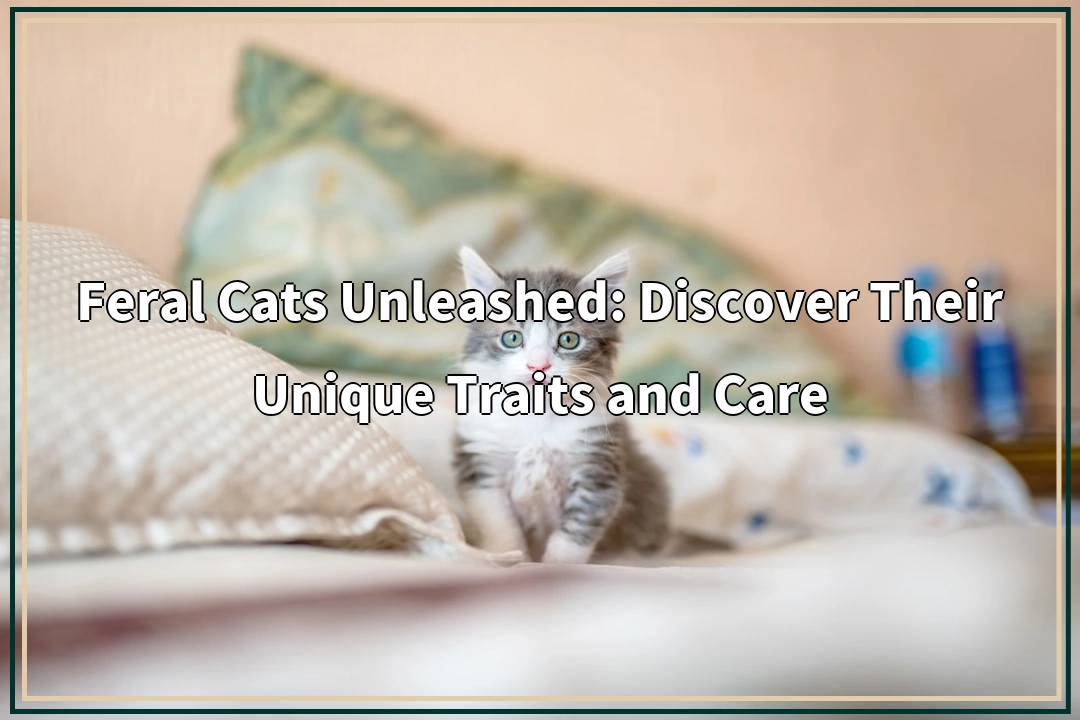
Understanding Feral Cats: A Deep Dive into Their World
Feral cats are often misunderstood creatures that live on the fringes of human society. Unlike domestic cats, which have been bred for companionship and have adapted to living with humans, feral cats exist in a wild state, having reverted to their natural instincts. This intriguing distinction raises many questions: What exactly defines a feral cat? How do they survive in environments that are often hostile to their kind? And what unique traits do they possess that set them apart from their domesticated counterparts? In this exploration, we will uncover the fascinating characteristics of feral cats, their behaviors, and the challenges they face in the wild.
Feral Cats: Characteristics and Origins
Feral cats are defined as domestic cats that have returned to a wild state, often due to abandonment or a lack of human interaction. They are not to be confused with stray cats, which are typically lost or abandoned pets that may still seek human companionship. Feral cats, on the other hand, have adapted to living independently, relying on their instincts to hunt and survive.
The origins of feral cats can be traced back to the domestication of wildcats thousands of years ago. As humans transitioned from nomadic lifestyles to settled agricultural communities, they began to store surplus grain, which attracted rodents. Wildcats, in turn, were drawn to these food sources, leading to a mutually beneficial relationship. Over time, some of these wildcats became domesticated, while others remained wild, giving rise to the feral cat populations we see today.
Feral cats exhibit a range of characteristics that distinguish them from their domesticated relatives. Physically, they tend to be leaner and more muscular, having developed strong hunting skills to catch prey. Their fur may vary widely in color and pattern, reflecting the diverse genetic backgrounds of their ancestors. Unlike domestic cats, feral cats often have a more cautious demeanor, as they must be wary of potential threats in their environment.
Behaviorally, feral cats are highly independent and territorial. They establish colonies, often around human settlements, where they can find food and shelter. These colonies are typically led by a dominant male, with females forming strong bonds with one another to raise their kittens. Feral cats communicate through vocalizations, body language, and scent marking, which helps them establish their territory and social hierarchy.
In terms of care and health, feral cats face numerous challenges. They are often exposed to harsh weather conditions, limited food sources, and potential dangers from predators or human activity. As a result, their lifespan is generally shorter than that of domestic cats. However, many feral cats can thrive in their environments if they have access to adequate resources and shelter.
Understanding the unique traits and behaviors of feral cats is crucial for their management and welfare. Many communities have implemented trap-neuter-return (TNR) programs to help control feral cat populations while ensuring their well-being. These programs involve humanely trapping feral cats, spaying or neutering them, and then returning them to their colonies. This approach not only helps reduce the number of feral cats but also improves their quality of life by preventing overpopulation and reducing the spread of diseases.
In conclusion, feral cats are remarkable animals that have adapted to survive in a world that often overlooks them. By learning more about their characteristics, behaviors, and the challenges they face, we can foster a greater appreciation for these resilient creatures and work towards their conservation and welfare.

Unique Traits of Feral Cats: Understanding Their Nature
Feral cats possess a fascinating array of traits that set them apart from their domesticated counterparts. These characteristics stem from their wild origins and the environments in which they thrive. Linguistically, the term “feral” is derived from the Latin word “feralis,” meaning “wild” or “savage.” This etymology reflects the inherent nature of feral cats, which have reverted to their primal instincts after living without human intervention.
Historically, feral cats are believed to have descended from the African wildcat, which was domesticated around 9,000 years ago in the Near East. As humans began to settle and form agricultural communities, these wildcats adapted to living near human habitats, leading to a symbiotic relationship. Over time, some cats remained domesticated, while others reverted to a feral state, resulting in the diverse populations we see today.
Physically, feral cats are typically lean and agile, possessing strong muscles that enable them to hunt effectively. Their fur can vary widely in color and pattern, reflecting the genetic diversity within feral populations. Unlike domestic cats, which may exhibit a range of physical traits due to selective breeding, feral cats tend to have a more uniform appearance that is adapted to their environment.
Behaviorally, feral cats are known for their independence and territorial nature. They often form colonies, which are social groups that can consist of several related or unrelated cats. These colonies are usually centered around a reliable food source, such as a human settlement or a natural habitat rich in prey. Within these colonies, feral cats establish a social hierarchy, with dominant individuals asserting their authority through vocalizations and body language.
Feral cats are also highly skilled hunters, relying on their instincts to catch small mammals, birds, and insects. Their hunting prowess is a crucial aspect of their survival, as they must find food in environments that can be unpredictable and harsh. Unlike domestic cats, which may rely on humans for sustenance, feral cats must be resourceful and adaptable to thrive in the wild.
In terms of social behavior, feral cats can be both solitary and social, depending on their circumstances. While they often prefer to hunt and roam alone, they can also form strong bonds with other cats in their colony, especially females who collaborate in raising their young. This social structure is essential for the survival of kittens, as it allows for shared responsibilities in nurturing and protecting them.
Health and Well-Being of Feral Cats: Ensuring Their Survival
When it comes to the care and health of feral cats, understanding their nutritional needs and common health concerns is vital for their well-being. Feral cats are natural hunters, and their diet primarily consists of small mammals, birds, and insects. This protein-rich diet is essential for maintaining their energy levels and overall health.
Feral cats require a balanced diet that includes essential nutrients such as proteins, fats, vitamins, and minerals. While they are adept at hunting, the availability of prey can vary based on environmental factors, leading to potential nutritional deficiencies. In areas where food sources are scarce, feral cats may struggle to meet their dietary needs, resulting in health issues.
Common health concerns for feral cats include parasitic infections, dental problems, and injuries from fights with other animals or accidents. Parasites such as fleas, ticks, and worms can significantly impact their health, leading to weight loss, anemia, and other complications. Regular veterinary care, including vaccinations and parasite control, is crucial for managing these health risks.
Another significant concern for feral cats is the risk of overpopulation, which can lead to increased competition for resources and higher mortality rates. Trap-neuter-return (TNR) programs have been implemented in many communities to address this issue. These programs involve humanely trapping feral cats, spaying or neutering them, and then returning them to their colonies. This approach not only helps control the population but also improves the overall health of feral cat communities by reducing the spread of diseases.
In addition to physical health, the mental well-being of feral cats is also important. They thrive in environments where they can express their natural behaviors, such as hunting, climbing, and socializing with other cats. Providing safe spaces and adequate resources, such as food and shelter, can help support their overall well-being.
Ultimately, understanding the unique traits and health needs of feral cats is essential for promoting their welfare. By recognizing their natural behaviors and providing appropriate care, we can help ensure that these resilient creatures continue to thrive in their environments.

Coexisting with Feral Cats: Understanding Their Behavior and Needs
Living with feral cats can be a rewarding yet challenging experience. These unique animals have distinct behaviors and needs that set them apart from their domesticated counterparts. Understanding how feral cats interact with families, other pets, and their environment is crucial for creating a harmonious living situation.
Compatibility with humans and other pets can vary widely among feral cats. Generally, feral cats are more cautious and less socialized than domestic cats. They often prefer to maintain a safe distance from humans, which can lead to misunderstandings. However, with time, patience, and the right approach, some feral cats can become accustomed to human presence and even develop bonds with their caregivers. It’s essential to respect their boundaries and allow them to approach at their own pace.
When it comes to interactions with other pets, feral cats may not always get along well with dogs or other cats, especially if they have not been properly socialized. Introducing a feral cat to a household with existing pets should be done gradually, ensuring that both the feral cat and the resident pets feel safe. Supervised introductions and the provision of separate spaces can help facilitate a smoother transition.
Activity needs for feral cats are another important aspect to consider. Feral cats are naturally active and require stimulation to thrive. They are skilled hunters, and their play behavior often mimics hunting techniques. Providing opportunities for physical activity, such as climbing structures, scratching posts, and interactive toys, can help satisfy their instinctual drives. Engaging them in play can also foster trust and encourage socialization over time.
Feral cats typically exhibit high levels of energy, especially during dawn and dusk, which are their natural hunting times. It’s essential to create an environment that allows them to express their natural behaviors. This can include outdoor access, if safe and appropriate, or creating a dynamic indoor space filled with enrichment activities. Additionally, establishing a routine for feeding and playtime can help them feel more secure and settled.
Providing shelter is also crucial for feral cats, particularly in harsh weather conditions. Outdoor shelters, designed to protect against the elements, can provide a safe haven for feral cats while allowing them to maintain their independence. These shelters should be insulated, easy to clean, and placed in a quiet area to minimize disturbances.
Your Questions Answered: Feral Cats Explained
As interest in feral cats grows, many people have questions about their care, behavior, and how to coexist with them. Below are some frequently asked questions that can help clarify common concerns and misconceptions.
1. What is the difference between a feral cat and a stray cat?
Feral cats are those that have had little to no contact with humans and have reverted to a wild state, while stray cats are typically lost or abandoned pets that may still seek human companionship. Strays can often be socialized and adopted, whereas feral cats may require more time and patience to acclimate to human interaction.
2. How can I help a feral cat?
There are several ways to assist feral cats, including providing food, water, and shelter. Participating in or supporting trap-neuter-return (TNR) programs can also be beneficial. TNR involves humanely trapping feral cats, spaying or neutering them, and then returning them to their colonies, which helps control their population and improves their overall health.
3. Can feral cats be socialized?
While some feral cats can be socialized, especially younger ones, it often requires time, patience, and gentle handling. The process may involve providing food, shelter, and a safe environment, allowing the cat to approach at its own pace. Some feral cats may never become fully socialized but can still live comfortably in a managed environment.
4. What health issues do feral cats face?
Feral cats are prone to various health concerns, including parasites, injuries from fights, and dental issues. Regular veterinary care is essential, and community-based programs often help provide necessary vaccinations and medical treatment to improve their health and longevity.
5. How can I create a safe environment for feral cats?
To ensure a safe environment for feral cats, provide shelter that protects them from the elements and predators. Ensure a consistent food and water supply, and avoid using toxic plants or chemicals in the vicinity. If possible, allow for outdoor access in a secure area where they can roam safely.
By addressing these common questions, we can foster a greater understanding of feral cats and promote responsible care practices. As more individuals and communities become aware of the unique needs and challenges faced by feral cats, we can work together to create environments where they can thrive. Through compassion and informed actions, we can ensure a better quality of life for these remarkable animals.
