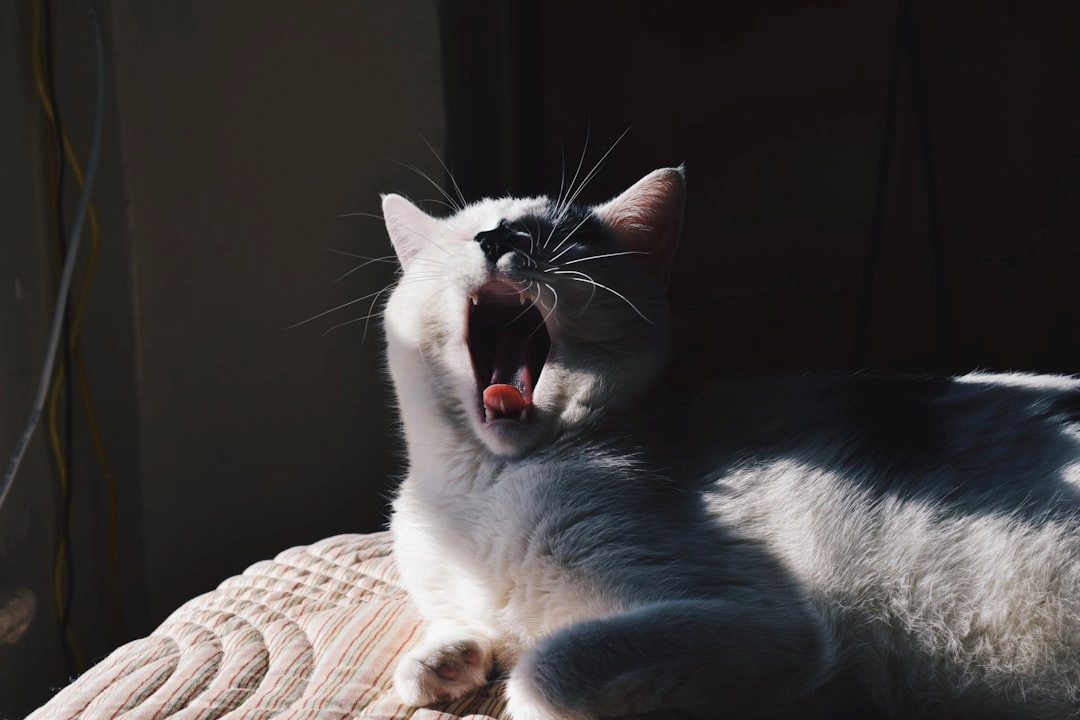
Exploring the Joy of Feline Hide and Seek
Feline Hide and Seek is not just a playful game; it’s a fascinating insight into the natural instincts and behaviors of our beloved cats. Many cat owners have experienced the delightful surprise of watching their furry companions engage in this playful pursuit, often leading to laughter and joy. But have you ever wondered why cats love to play hide and seek? This engaging activity taps into their innate hunting instincts, providing both mental and physical stimulation. Understanding the reasons behind this behavior can enhance your bond with your feline friend and enrich their playtime experience.
Interestingly, cats are natural hunters, and their playful antics often mimic the behaviors they would exhibit in the wild. This instinctual drive to stalk, pounce, and hide is deeply ingrained in their DNA. When you engage in a game of hide and seek with your cat, you are not only providing entertainment but also allowing them to express their natural behaviors in a safe and controlled environment. This can lead to a happier, healthier cat, as play is essential for their overall well-being.
Moreover, the game of hide and seek can serve as a wonderful bonding experience between you and your cat. It encourages interaction and communication, allowing you to understand your pet’s personality and preferences better. As you observe your cat’s reactions and strategies during the game, you may discover unique traits that make your feline companion truly special. So, let’s dive deeper into the fascinating world of feline behavior and explore how understanding these instincts can enhance your relationship with your pet.
Decoding Feline Behavior: The Psychology Behind Play
To truly appreciate the game of hide and seek, it’s essential to understand the basics of feline psychology. Cats are complex creatures with a rich tapestry of behaviors that stem from their evolutionary history. Their ancestors were solitary hunters, and many of their behaviors today reflect this heritage. For instance, the act of hiding is not just a playful tactic; it’s a survival instinct. In the wild, cats often seek out hiding spots to stalk prey or evade predators. This instinct remains strong in domestic cats, making games like hide and seek not only fun but also a way for them to engage in their natural behaviors.
Common behaviors exhibited by cats during playtime can include purring, kneading, and scratching. Each of these actions has its own significance. Purring, for example, is often associated with contentment, but it can also indicate stress or discomfort. Kneading, where cats push their paws in and out against a soft surface, is a behavior that originates from kittenhood when they knead their mother’s belly to stimulate milk flow. Scratching, on the other hand, serves multiple purposes, including marking territory, sharpening claws, and stretching muscles.
When it comes to hide and seek, you may notice your cat exhibiting behaviors such as crouching, stalking, and pouncing. These actions are not just playful; they are rooted in their instinctual drive to hunt. By understanding these behaviors, you can create a more enriching environment for your cat. For instance, providing various hiding spots and interactive toys can stimulate their natural instincts and keep them engaged.
Additionally, it’s important to recognize that behavior can vary among different breeds. For example, some breeds, like the Abyssinian, are known for their playful and active nature, while others, like the Persian, may be more laid-back and less inclined to engage in vigorous play. Understanding these breed-specific behaviors can help you tailor your playtime activities to suit your cat’s personality, ensuring that they get the most out of their play experiences.
In conclusion, engaging in a game of feline hide and seek is more than just a fun pastime; it’s an opportunity to connect with your cat on a deeper level. By understanding the psychology behind their behaviors, you can create a stimulating environment that caters to their natural instincts. This not only enhances their playtime but also strengthens the bond between you and your furry friend. So, the next time you play hide and seek with your cat, remember that you are not just playing a game; you are nurturing their instincts and enriching their lives.
Enhancing Feline Playfulness through Positive Training
Training your cat is not just a means of establishing control; it is a vital aspect of building a rewarding relationship between you and your feline friend. Felines, much like their canine counterparts, benefit enormously from training; it enhances their adaptability within our human environments while simultaneously fostering desirable behaviors and making coexistence more harmonious. One compelling aspect of training is the significant reduction of stress, both for you as the owner and for your cat.
Feline training enhances communication, allowing cats to become more receptive to human cues. This enrichment can dramatically change how a cat interacts with both people and its environment, promoting a more fulfilled and playful disposition. Creating a successful training experience relies on understanding how cats learn best, making positive reinforcement a cornerstone strategy. Instead of focusing on punishment, reward-based training encourages good behavior through treats, praise, or play, making the training session engaging and enjoyable for your cat.
The concept of positive reinforcement asserts that behavior leading to pleasant outcomes is likely to be repeated. Thus, when your cat uses the litter box instead of an inappropriate area, rewarding them instantly reinforces that behavior. With time, patience, and a sprinkling of creativity, you can teach your feline companion a variety of actions such as jumping through hoops, coming when called, or engaging in their version of hide and seek – successfully applying their innate behaviors into structured games that we both enjoy.
In the playful spirit of hide and seek, incorporating this game into training can dramatically amplify your cat’s willingness to engage and learn. Initially, you may begin by teasing your cat with a toy to pique their curiosity while hiding behind furniture or in plain sight, softly calling their name as they approach in search. Success should be celebrated by a series of affection or their favorite treats to positively reinforce their approach. Throughout multiple training sessions, blending favorite games with teaching moments effectively expands not only their skill set but also fortifies the bond of trust and playfulness in your relationship.
Navigating and Solving Common Feline Behavior Issues
While every cat brings joy and happiness into our lives, they also come with a unique set of behaviors that can sometimes pose challenges. Early intervention in addressing potential behavioral issues can streamline your training experience, ensuring that your feline does not develop chronic and deeper issues. Proactive owners should closely observe and identify unwanted behaviors, ranging from litter box aversion, aggression, and excessive meowing, to those concerning scratching, chewing on household objects, and even disturbances during the night.
Understanding that many behaviors stem from an underlying cause is crucial. For instance, litter box avoidance is rarely out of spite; most commonly, it’s a sign of an environmental or health-related issue, either an unsuitable box setup, cleanliness standards not being met, or possible distress signs related to a medical issue. In such instances, remedies could involve thorough cleaning, exploring various litter types to find one your cat favors, and even considering more appealing litter box placement.
Behavioral issues stemming from under-stimulation may manifest as overly vocal meowing or destructive tendencies. Here, providing suitable outlets for exercise and mental engagement is paramount. At this point, offering enrichment, like playtime with laser pointers, interactive toys, or investment in furniture designed for climbing and scratching – can minimize the feelings of boredom leading to undesirable conduct. Ensure there’s a range of these various outlets to encourage healthy alternatives for a your cat’s energy.
Every once in a while, however, issues may extend beyond a regular behavioral inquiry. When it’s apparent that your feline has recurrent behaviors such as fighting, excessively clawing furniture, or hidden forms of aggression, consulting a professional may be essential. An expert behaviorist can discern between typical habit issues and deeper emotional problems requiring designated social conditioning, injury contemplation, or the examination for obscure psychological disturbances. From obstacles at home, personal wellness needs or territory insecurity amongst multi-pet homes, enlist the expertise to create sustainable adjustments specific to yours and your cat’s arrangements.
Ultimately, bonding with your cat through playful training is as much about consistency, observation, and emotional investment as it is about practice and reinforcement. Cat owners equipped with behavioral knowledge and innovative training strategies will nurture a life filled with happiness while ensuring a closer bond developed within healthy entertainment hours tailored specifically to their playful yet intrinsic demeanor.

Enhancing Feline Joy: The Role of Enrichment and Play
Engaging your cat in play is not merely a way to pass the time; it serves as an essential component of their overall well-being. Enrichment through play provides both mental and physical stimulation, which is crucial for preventing behavioral issues that can arise from boredom or lack of activity. Cats are natural hunters, and playtime allows them to exercise their instincts, helping them stay healthy and happy.
The importance of mental stimulation cannot be overstated. Cats thrive when they have the opportunity to explore, chase, and interact with their environment. This kind of engagement keeps their minds sharp and helps to mitigate common behavioral problems such as excessive meowing, scratching, or aggression. By providing your cat with varied forms of enrichment, you create an environment that encourages exploration and play, thus fostering a happier and more balanced feline companion.
Physical activity is equally vital for your cat’s health. Regular play helps to maintain a healthy weight, reduces the risk of obesity, and promotes cardiovascular fitness. Activities like chasing after a feather toy or engaging in a game of hide and seek stimulate your cat’s muscles and agility. Additionally, incorporating interactive toys that challenge your cat to think, such as puzzle feeders or toys that dispense treats, can enhance their problem-solving skills and keep them entertained for longer periods.
Moreover, social interaction is a crucial aspect of feline enrichment. While cats are often perceived as solitary creatures, many enjoy companionship, whether from their human caretakers or other pets. Engaging in cooperative play can strengthen the bond between you and your cat, creating a sense of security and happiness. Simple activities, such as playing with a laser pointer or engaging in a playful game of fetch with a soft toy, can create delightful moments of connection.
To ensure that your cat remains engaged, it’s essential to regularly rotate toys and introduce new forms of play. Cats can quickly become bored with the same activities, so providing a variety of options, from scratching posts to climbing structures, will keep their interest piqued. Consider creating an environment where your cat can explore and discover new challenges. This could include setting up a cat tree near a window or using boxes and tunnels for hide-and-seek adventures.
In summary, enrichment and play are vital components of your cat’s well-being. By providing mental and physical stimulation, you can help prevent behavioral issues while fostering a playful and engaged spirit. Your cat will not only enjoy a happier life but will also be more likely to exhibit positive behaviors, making your home a more harmonious place.
Clearing Up Myths: Common Questions About Feline Play
When it comes to feline play and enrichment, there are several common questions and misconceptions that pet owners may have. Addressing these concerns is essential for ensuring that cats receive the best care possible while maximizing their playtime enjoyment.
One frequent misconception is that all cats dislike interactive play or that they are too independent to engage with their owners. While it’s true that some cats may be more reserved, many felines actually thrive on interaction and play. Understanding your cat’s unique personality and preferences can help you tailor playtime to suit their needs. For instance, shy or more introverted cats may prefer quieter play sessions, while more outgoing cats may enjoy boisterous games that involve chasing and pouncing.
Another common question is whether certain types of play are better than others. The truth is that variety is key. Cats can benefit from different types of play, including solo activities and interactive games with their owners. Toys that mimic prey, such as feather wands or laser pointers, can satisfy their hunting instincts. At the same time, providing puzzle toys or treat-dispensing gadgets can stimulate their minds and keep them engaged. It’s important to experiment with various toys and activities to see what your cat enjoys most.
Many owners also wonder about the appropriate amount of playtime their cats should have. While each cat is different, experts generally recommend at least 15 to 30 minutes of active play each day. Breaking this time into several short sessions can be beneficial, especially for cats that have bursts of energy. Monitoring your cat’s behavior and adjusting playtime according to their activity levels will help you strike the right balance.
Additionally, some pet owners worry that allowing their cats to engage in play might encourage undesirable behaviors, such as scratching furniture or being overly aggressive. In reality, structured playtime can actually prevent these behaviors by providing an outlet for your cat’s energy. When cats have an appropriate way to channel their instincts, they are less likely to resort to destructive behaviors out of boredom or frustration.
Finally, many people may be unsure about the best toys for their cats. It’s essential to choose safe and appropriate toys that cater to your cat’s instincts. Avoid toys with small parts that could be ingested and opt for high-quality materials that are durable. Additionally, observe how your cat interacts with different toys and choose those that engage them the most, as this will lead to more enriching play experiences.
By addressing these common questions and misconceptions, cat owners can create a more enriching environment for their pets. Understanding the importance of play and the various ways to engage with your feline companion will enhance their quality of life and strengthen the bond you share. Embrace the joy of playtime and unleash your cat’s playful spirit, fostering a happy and healthy feline friend.
