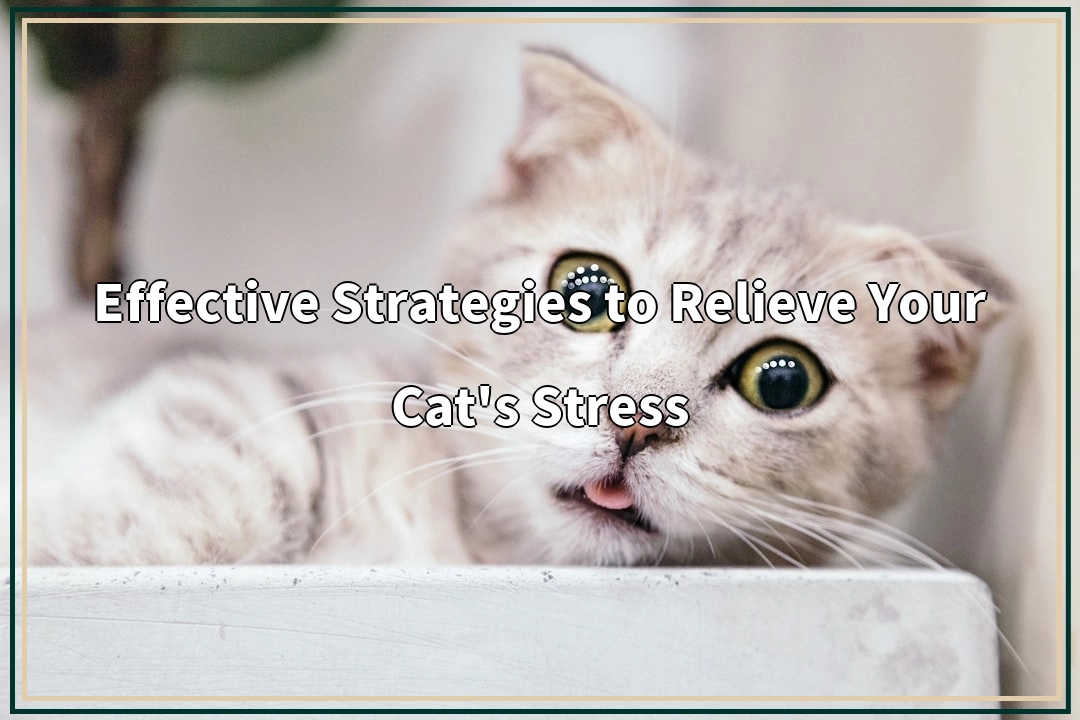
Understanding Cat Stress and Its Impact
As a cat owner, you may have noticed that your feline friend can sometimes exhibit signs of stress. Just like humans, cats can experience anxiety and stress, which can significantly impact their overall well-being. In fact, studies have shown that stress in cats can lead to various health issues, including behavioral problems, gastrointestinal disorders, and even urinary issues. This makes it crucial for cat owners to understand effective strategies to relieve their cat’s stress and create a calming environment for their beloved pets.
One surprising fact is that cats are often more sensitive to changes in their environment than we might realize. A simple change, such as moving furniture, introducing a new pet, or even changes in your daily routine, can trigger stress in your cat. This is why it’s essential to be proactive in managing your cat’s stress levels. By implementing effective stress relief strategies, you can help your cat feel more secure and comfortable in their home.
In this blog post, we will explore various effective strategies to relieve your cat’s stress, from environmental adjustments to behavioral modifications. Understanding the signs of stress in cats and knowing how to address them can lead to a happier, healthier life for your furry companion.
Exploring Cat Stress: Causes and Solutions
Cat stress can stem from a variety of sources, including environmental changes, social dynamics, and even health issues. Understanding these factors is the first step in addressing your cat’s stress effectively. Cats are creatures of habit, and any disruption to their routine can lead to anxiety. For instance, moving to a new home, introducing a new family member, or even changes in your work schedule can all contribute to your cat’s stress levels.
Additionally, certain breeds may be more prone to stress than others. For example, breeds like the Siamese and Burmese are known for their social nature and may experience stress when left alone for extended periods. On the other hand, more independent breeds like the British Shorthair may handle changes in their environment with greater ease. Understanding your cat’s breed characteristics can help you tailor your stress relief strategies to their specific needs.
In terms of solutions, there are numerous strategies that can be employed to help alleviate your cat’s stress. Creating a safe and comfortable environment is paramount. This can include providing cozy hiding spots, ensuring access to fresh water and food, and maintaining a clean litter box. Additionally, incorporating interactive playtime into your daily routine can help reduce stress by allowing your cat to expend energy and engage in natural hunting behaviors.
Moreover, natural remedies such as catnip and calming pheromones can also be effective in reducing anxiety. Catnip, in particular, has been shown to have a calming effect on many cats, making it a simple yet effective tool for stress relief. Similarly, pheromone diffusers can create a soothing atmosphere that helps to ease your cat’s anxiety.
In summary, understanding the causes of cat stress and implementing effective strategies to relieve it is essential for the well-being of your feline friend. By creating a supportive environment and being attentive to your cat’s needs, you can help them navigate the challenges of stress and lead a happier, healthier life.
Understanding the Importance of Stress Management for Cats
Stress management is not just about addressing immediate issues; it’s about fostering a long-term sense of security and well-being for your cat. Regularly assessing your cat’s environment and behavior can help you identify potential stressors before they escalate. This proactive approach can make a significant difference in your cat’s quality of life.
Furthermore, it’s essential to recognize that each cat is unique. What works for one cat may not work for another, so it’s important to be patient and willing to try different strategies. Observing your cat’s reactions to various stress relief techniques can provide valuable insights into what works best for them.
In conclusion, by understanding the nature of cat stress and implementing effective strategies for relief, you can create a nurturing environment that promotes your cat’s health and happiness. Whether through environmental adjustments, behavioral modifications, or natural remedies, there are numerous ways to support your feline friend in managing stress.

Identifying Signs of Stress in Cats
Understanding the characteristics of stress in cats is crucial for any cat owner. Cats are known for their subtle ways of expressing discomfort or anxiety, which can often be overlooked. Stress in cats can manifest in various forms, including changes in behavior, appetite, and overall demeanor. Recognizing these signs early can help in implementing effective strategies to relieve their stress.
One of the primary characteristics of a stressed cat is changes in behavior. A cat that is usually playful may become withdrawn or lethargic. Conversely, a normally calm cat may exhibit increased aggression or hyperactivity. These behavioral changes can often be linked to environmental stressors, such as moving to a new home, the introduction of new pets, or even changes in the owner’s routine.
Another characteristic to watch for is changes in eating habits. A stressed cat may either overeat or lose interest in food altogether. This can lead to further health complications, such as obesity or malnutrition. Monitoring your cat’s eating patterns is essential in identifying stress and taking appropriate action.
Physical signs of stress can also be telling. Cats may groom themselves excessively, leading to bald patches or skin irritations. They may also exhibit signs of distress, such as hiding or avoiding interaction with family members. Understanding these characteristics is the first step in addressing your cat’s stress effectively.
Essential Care Practices for Stress Relief
When it comes to caring for a stressed cat, a holistic approach is often the most effective. This includes providing a safe and comfortable environment, as well as addressing their nutritional needs. A well-balanced diet plays a significant role in maintaining your cat’s overall health and can also help mitigate stress levels.
Dietary needs for cats can vary based on their age, breed, and health status. However, all cats require a diet rich in high-quality protein, essential fatty acids, and vitamins. Ensuring that your cat receives a balanced diet can help support their immune system and overall well-being, making them more resilient to stress.
In addition to a nutritious diet, it’s essential to consider the mental and emotional health of your cat. Providing enrichment activities, such as interactive toys, scratching posts, and climbing structures, can help alleviate boredom and reduce stress. Engaging your cat in playtime not only helps them expend energy but also strengthens the bond between you and your pet.
Regular veterinary check-ups are also crucial in maintaining your cat’s health. Common health concerns, such as dental issues, obesity, and urinary tract problems, can contribute to stress. By staying on top of your cat’s health needs, you can help prevent potential stressors and ensure a happier, healthier life for your feline friend.
Moreover, understanding the importance of a calming environment cannot be overstated. Creating a designated safe space for your cat, complete with cozy bedding and familiar scents, can provide them with a retreat when they feel overwhelmed. This space should be quiet and away from the hustle and bustle of daily life, allowing your cat to relax and recharge.
In summary, recognizing the signs of stress in cats and implementing effective care practices are essential for their well-being. By focusing on their dietary needs, providing enrichment, and ensuring regular health check-ups, you can create a supportive environment that promotes relaxation and happiness for your cat.

Creating a Harmonious Home for Your Cat
When it comes to effectively managing your cat’s stress, understanding how to create a harmonious living environment is key. This involves not only knowing your cat’s specific needs but also understanding how they interact with family members and other pets. Different cat breeds have varying temperaments and compatibility levels, which can significantly impact their stress levels and overall happiness.
Compatibility is a significant factor when living with a cat. Some breeds, such as the Ragdoll or Maine Coon, are known for their friendly and sociable nature. They often get along well with children and other pets, making them excellent family companions. In contrast, more independent breeds like the Russian Blue or British Shorthair may prefer a quieter environment and require more space to feel comfortable. Understanding these characteristics can help you foster a peaceful atmosphere in your home, which is essential for minimizing stress.
Additionally, activity needs play a crucial role in your cat’s well-being. Cats are naturally curious and playful animals, and providing them with adequate stimulation is vital for their mental and physical health. Interactive toys, climbing structures, and regular play sessions can help satisfy your cat’s activity requirements and prevent boredom. Boredom can lead to stress-related behaviors, such as excessive grooming or aggression, so keeping your cat engaged is essential.
Furthermore, consider the dynamics of your household. If you have young children or other pets, it’s important to introduce them to your cat gradually and in a controlled manner. Supervised interactions can help your cat feel more secure and reduce anxiety. Always be attentive to your cat’s body language; if they seem uncomfortable or stressed, it’s crucial to give them space and allow them to retreat to their safe area.
Creating a harmonious living environment for your cat also involves maintaining a routine. Cats thrive on predictability, so establishing consistent feeding times, play sessions, and quiet times can help reduce stress. This structure allows your cat to feel more secure in their environment, knowing what to expect throughout the day.
Your Cat’s Questions Answered: Stress Relief FAQs
As a cat owner, you may have numerous questions regarding stress relief strategies for your feline friend. Here, we address some of the most frequently asked questions that can guide you in managing your cat’s stress effectively.
What are the signs of stress in cats?
Common signs of stress in cats include changes in behavior, such as increased aggression or withdrawal, changes in eating habits, excessive grooming, and physical signs like hiding or vocalizing more than usual. Recognizing these signs early can help you take appropriate action.
How can I help my cat feel more secure?
Creating a safe space in your home where your cat can retreat when feeling overwhelmed is essential. This area should be quiet, cozy, and equipped with their favorite toys or bedding. Additionally, maintaining a consistent routine can help your cat feel more secure.
Are there natural remedies for cat stress relief?
Yes, several natural remedies can help alleviate stress in cats. Catnip is a well-known stress reliever, and many cats enjoy its calming effects. Additionally, pheromone diffusers can create a soothing atmosphere that promotes relaxation. Always consult with your veterinarian before trying new products.
How much playtime does my cat need?
The amount of playtime needed can vary based on your cat’s age, breed, and energy level. Generally, aim for at least 15-30 minutes of interactive play each day. Engaging in play not only provides physical exercise but also mental stimulation, which is crucial for reducing stress.
What should I do if my cat shows signs of severe anxiety?
If your cat displays severe anxiety or stress-related behaviors, it’s important to consult with a veterinarian. They can help identify any underlying health issues and recommend appropriate treatments, which may include behavioral therapy or medication.
By addressing these frequently asked questions, you can gain a deeper understanding of your cat’s needs and implement effective strategies to relieve their stress. Creating a supportive environment and being attentive to your cat’s behavior can significantly enhance their quality of life.
