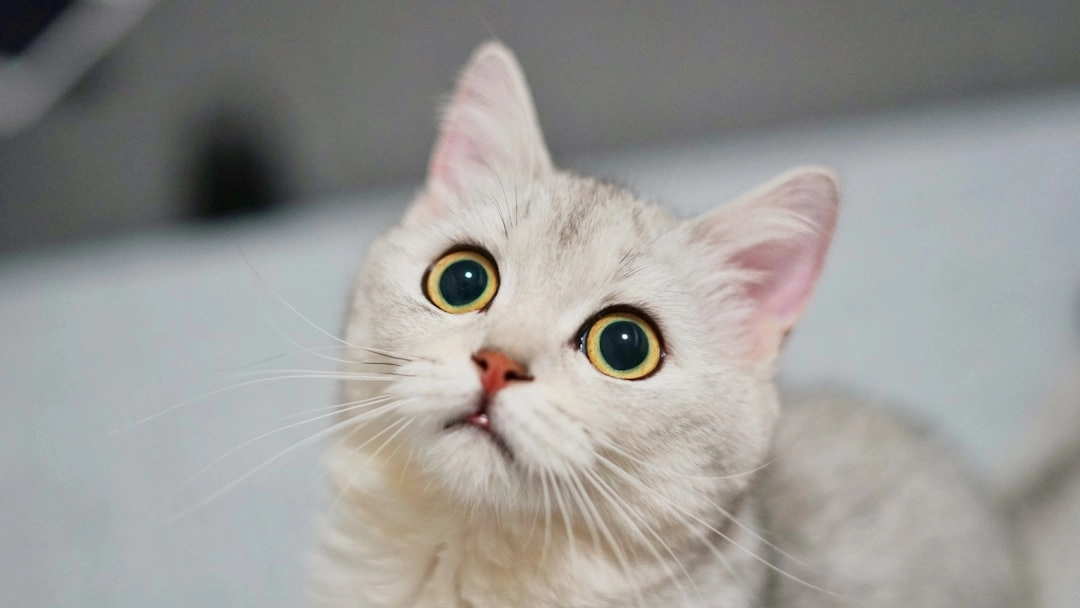
Decoding Cat Aggression After Spaying: What You Need to Know
When it comes to our feline friends, understanding their behavior can often feel like deciphering a complex code. One of the most common concerns among cat owners is aggression, particularly after spaying. Did you know that spaying can lead to changes in a cat’s behavior, including increased aggression in some cases? This phenomenon can be surprising and concerning for pet owners who expect a calmer, more docile pet post-surgery. In this blog, we will explore the intricacies of cat aggression after spaying, providing insights and tips to help you navigate this challenging aspect of feline behavior.
Unraveling Feline Behavior: The Psychology Behind Aggression
To effectively address cat aggression after spaying, it’s essential to understand the underlying psychology of our furry companions. Cats are complex creatures with a rich tapestry of instincts and behaviors that shape their interactions with the world around them. Understanding these behaviors can help pet owners manage aggression and foster a more harmonious environment.
First, let’s consider the natural instincts that drive feline behavior. Cats are both predators and prey in the wild, which means they possess a unique set of survival instincts. These instincts can manifest in various ways, including hunting, territoriality, and social interactions. After spaying, a cat’s hormonal balance changes significantly, which can lead to shifts in behavior. For instance, a cat that was once more aggressive due to hormonal influences may become less so, while others may exhibit increased aggression as they adjust to their new state.
One common behavior seen in cats is territorial aggression. Cats are naturally territorial animals, and spaying can sometimes exacerbate this behavior as they navigate changes in their environment and social structure. If a cat feels threatened by another animal or perceives an intrusion into its territory, it may respond with aggression. This is particularly true in multi-pet households where the dynamics can shift dramatically after one cat is spayed.
Another aspect to consider is the role of play in feline behavior. Cats are playful creatures, and their play often mimics hunting behavior. After spaying, some cats may redirect their energy into aggressive play, which can be misinterpreted as aggression. Understanding the difference between playful behavior and true aggression is crucial for pet owners. Providing appropriate outlets for play, such as interactive toys and regular playtime, can help mitigate aggressive tendencies.
Additionally, stress and anxiety can significantly impact a cat’s behavior. The process of spaying itself can be stressful for a cat, and the recovery period may lead to feelings of vulnerability. Cats may react to this stress with aggression, either towards their owners or other pets. Creating a calm and safe environment during the recovery phase is essential for helping your cat adjust and feel secure.
Moreover, breed-specific behaviors can also play a role in how aggression manifests in cats. Certain breeds are known for their more assertive or dominant personalities, which can influence their behavior post-spaying. For example, breeds like the Siamese or Bengal may exhibit more pronounced aggressive tendencies compared to more laid-back breeds like the Ragdoll or British Shorthair. Understanding your cat’s breed characteristics can provide valuable insights into their behavior and help you tailor your approach to managing aggression.
In summary, navigating cat aggression after spaying requires a multifaceted understanding of feline behavior. By recognizing the natural instincts, play behaviors, stress factors, and breed-specific traits that contribute to aggression, pet owners can take proactive steps to address these issues. Whether it’s through providing enrichment, ensuring a stress-free environment, or seeking professional guidance, understanding the psychology behind your cat’s behavior is the first step towards fostering a peaceful and loving relationship with your furry companion.
Empowering Your Cat: The Importance of Effective Training
Training your cat is an essential aspect of responsible pet ownership, especially when navigating behavioral changes post-spaying. As cat owners, we often underestimate the importance of training, believing that our feline companions are too independent or stubborn to respond to commands and corrections. However, proper training provides a structured way to enhance the bond between you and your cat, fosters a better understanding of their behavior, and addresses issues like aggression. In this section, we’ll discuss why training is crucial and the principles that underpin effective feline training.
The first reason that underscores the significance of training is improved communication. Cats often misinterpret human signals, and without proper training, these misunderstandings can lead to aggressive or unwanted behaviors. Training helps establish a clearer line of communication by teaching your cat to understand commands and what behaviors are desirable. For instance, a simple command like “no” or “stop” can be taught through consistent and positive reinforcement, making it easier to redirect unwanted aggression or playfulness.
Moreover, effective training sets a foundation for a safe and comfortable home environment. A well-trained cat is less likely to display aggression towards people or other pets when boundaries and acceptable behaviors are established. This enhances both the cat’s and your family’s wellbeing, minimizing the chances of dangerous interactions that could arise from typical territorial behavior or playtime overload.
To ensure your training method is effective, it is crucial to utilize positive reinforcement techniques. This principle focuses on rewarding desirable behavior rather than punishing the undesired actions. Positive reinforcement can range from verbal praise, gentle strokes, or offering treats whenever your cat responds well to commands or displays non-aggressive behaviors. Associating good behavior with positive outcomes helps reinforce that behavior, encouraging cats to repeat it.
Furthermore, implementing basic training principles ensures long-term success in correcting aggressive tendencies. Start small with familiar commands like “sit,” “come,” and “stay.” Set training sessions for about 5 to 10 minutes each day to keep your cat engaged without becoming overwhelmed. Consistent, focused training can significantly influence your cat’s understanding of behavioral expectations. Remain patient and remember that progress may take time, particularly for cats overcoming habits related to their aggression post-spaying. It’s imperative to celebrate small victories in these lessons and gently reinforce desired behaviors over the negatives.
Creating an environment conducive to training can make all the difference. Space out play zones, food placement, and the cat’s resting areas so that you have your training schedule distinctly laid out in your home. Spend time observing your cat and their behavioral tendencies—what activates their aggression, frustration, or joy. Understanding what energizes or relaxes them creates more opportunities for seamless training sessions.
Identifying and Correcting Feline Aggression: Targeted Solutions
Addressing behavioral issues—particularly aggression following spaying—requires acute awareness and tailored strategies. Aggression in cats can stem from a variety of triggers, including fear, stress, or environmental changes following their surgical procedure. Therefore, as a cat owner, knowing how to identify these behavioral issues is essential in planning your response and incorporating appropriate management tactics.
One common behavior exhibiting itself post-spay is redirected aggression, which often manifests when a cat’s focus is inadvertently shifted away from its original object. This shift creates a frustration cycle that may lead to sudden outbursts directed at humans or other pets. For instance, if your cat spots a neighborhood cat from a window, but can’t access it, that frustration may result in an unwarranted attack toward nearby objects or even family members. It’s imperative to observe situations triggering such aggressive displays—interruptions must occur from a distance or conditioned behavior redirected in a safe context before initiating play or training.
An effective strategy for handling and preventing such aggression includes engaging your cat’s curiosity. This can involve environmental enrichment tactics like providing feline climbing structures, hide-and-seek toys, and stimulating play sessions. Bringing variety to play keeps your cat active and entertained while properly redirecting energy towards healthy outlets instead of developing tensions that lead to aggression.
Consistent application of rules and limits helps uphold stable behavioral practices across all areas of training. Remain firmly aware of personal interactions with your cat and address behaviors as they arise; permitting undesirable actions such as scratching furniture while restricting them from interaction could develop paradoxical behaviors stemming from confusion. For instance, engaging them with a firm but gentle correction when aggression occurs is far more beneficial in the long run than one-off proclamations allowing increased leeway.
If despite employing training and environment optimization, aggression continues to remain a concerning feature, enlisting the support of professionals can be an advantageous option. Veterinary behaviorists and animal psychologists specifically examine the full scope of behavioral issues, accounting for both mental and physical ramifications. Seeking a professional guide in these instances can unveil vital nuances that lead to proven solutions quickly. They may develop a personalized behavioral modification plan extending beyond general training exercises by inducing fresh perspectives into widely practiced remedies or offering medication options as needed for severe cases.
Ultimately, addressing feline aggression revolves around creating comprehension of inherent behaviors that oftentimes return toward their baseline state after surgeries like spaying. Management techniques can perfectly integrate into keeping optimal lives with captivating companionship while navigating minor behavior nuances. Consistent application, recognition, empathy, commitment to life improvements over sluggish phases cultivates diligent efforts ensure trending path connect behavior management criteria breed resiliency before growing uneasy from tension.

Enhancing Feline Well-Being: The Role of Enrichment and Play
After spaying, many cat owners notice changes in their feline companions, including increased aggression or altered behavior. One of the most effective ways to mitigate these issues is through enrichment and play. Engaging your cat both mentally and physically is essential for their overall well-being, and it can significantly reduce unwanted behaviors, including aggression. In this section, we will explore the importance of mental and physical stimulation in a cat’s life and how it can help prevent behavioral issues.
Cats are natural hunters, and their instincts drive them to seek out stimulation and challenges in their environment. Without adequate mental and physical activities, they can become bored, leading to behavioral problems such as aggression, anxiety, and destructive behaviors. Enrichment activities can provide the necessary outlets for these instincts, keeping your cat engaged and happy.
One of the key benefits of enrichment is that it mimics natural hunting behaviors. Activities such as interactive play with toys that simulate prey can satisfy your cat’s predatory instincts. Wand toys, laser pointers, and feather toys encourage your cat to chase, pounce, and engage in play that resembles hunting. This type of play not only provides physical exercise but also mental stimulation as your cat learns to strategize and use its instincts effectively.
In addition to physical play, mental enrichment is equally crucial. Puzzle toys that dispense treats require your cat to think critically and solve problems to access rewards. This not only keeps them entertained but also encourages cognitive development. Training sessions that incorporate commands or tricks can also serve as mental challenges, reinforcing good behavior while providing bonding opportunities between you and your cat.
Creating an enriched environment involves more than just toys. Consider adding vertical spaces such as cat trees, shelves, or window perches that allow your cat to explore their surroundings from different heights. Cats enjoy climbing and observing their territory from above, which satisfies their curiosity and gives them a sense of security. Moreover, providing scratching posts can help prevent destructive behaviors while allowing your cat to stretch and exercise its claws.
Interactive playtime is also vital for strengthening the bond between you and your cat. Regular play sessions not only help expend energy but also promote trust and companionship. Aim for at least 15-20 minutes of playtime each day, adjusting based on your cat’s energy levels and preferences. Observe your cat’s reactions to different toys and activities to discover what they enjoy most.
In conclusion, enrichment and play are fundamental components of your cat’s well-being, particularly after spaying. By providing a variety of stimulating activities, you can help prevent behavioral issues such as aggression while enhancing your cat’s quality of life. Remember, a happy and engaged cat is less likely to exhibit negative behaviors, making enrichment an essential part of responsible pet ownership.
Debunking Myths: Common Questions About Cat Behavior Post-Spaying
As a cat owner, you may have many questions and concerns regarding your feline friend’s behavior after spaying. Understanding the truth behind common misconceptions can help you navigate this transitional period with confidence. In this section, we will address frequently asked questions and clarify misconceptions related to cat aggression and behavior after spaying.
One common question is whether spaying will completely eliminate aggression in cats. While spaying often reduces hormone-driven aggressive behaviors, it does not guarantee that a cat will become entirely non-aggressive. Aggression can stem from various factors, including fear, territoriality, and learned behaviors. Thus, it’s important to address these underlying causes through proper training and enrichment, rather than relying solely on the spaying procedure.
Another misconception is that only male cats exhibit aggressive behaviors. In reality, female cats can also display aggression, particularly if they feel threatened or are competing for resources. Post-spaying, some female cats may experience changes in their behavior, including increased aggression as they adjust to hormonal shifts. Understanding that both genders can exhibit aggressive tendencies allows owners to approach behavior management holistically.
Many owners also wonder if certain breeds are more prone to aggression than others. While breed characteristics can influence behavior, it’s essential to remember that individual personality plays a significant role. Factors such as early socialization, environmental influences, and past experiences contribute to a cat’s behavior. Therefore, focusing on positive training methods and enrichment can help manage aggression, regardless of breed.
Another frequently asked question pertains to the timing of spaying and its effects on behavior. Some owners believe that spaying too early or too late can lead to behavioral problems. While early spaying can reduce the likelihood of certain behavioral issues related to hormonal influences, each cat is unique. It’s essential to consult with your veterinarian about the best timing for your cat, considering their individual health and behavior.
Lastly, many cat owners express concern about the effectiveness of training methods. Some believe that cats are too independent to train, leading to frustration when attempting to correct aggressive behaviors. However, cats are capable of learning through positive reinforcement and consistent training techniques. Patience and understanding are key components in successfully training your cat and managing aggression.
In summary, navigating cat aggression after spaying can be challenging, but understanding the truth behind common questions and misconceptions is essential. By addressing behavioral issues with effective training, enrichment, and play, you can foster a harmonious environment for both you and your feline companion. Remember that every cat is unique, and a tailored approach to their needs will yield the best results in promoting positive behavior.
