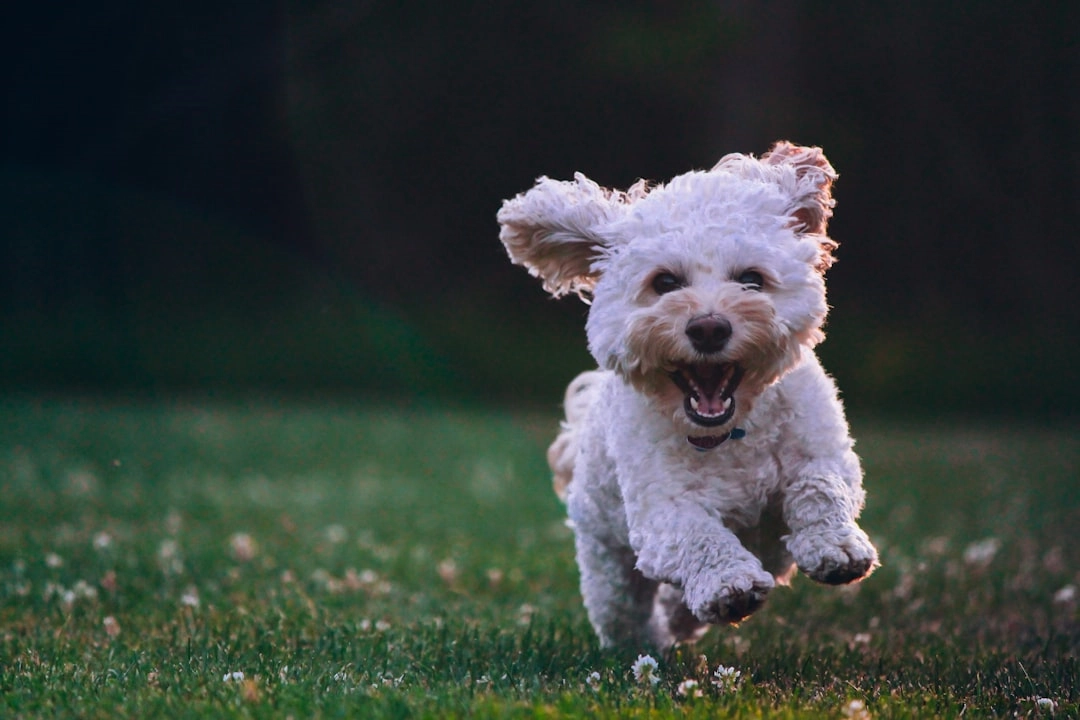
Empowering Your Puppy: The Journey to Confidence
Training a puppy is not just about teaching commands; it’s about fostering self-assurance and building a strong emotional foundation. Many new puppy owners often wonder how to instill confidence in their furry companions. Did you know that the first few months of a puppy’s life are crucial for their emotional development? During this period, they are like sponges, soaking up experiences that will shape their behavior for years to come. Understanding how to empower your puppy through effective training can lead to a well-adjusted, confident adult dog.
Building confidence in puppies involves a combination of socialization, positive reinforcement, and understanding their unique personalities. Puppies, much like human children, thrive in environments where they feel safe and secure. This sense of security allows them to explore their surroundings, learn new skills, and develop healthy relationships with both humans and other animals. In this blog, we will delve into the essential aspects of training that contribute to a puppy’s self-assurance, including understanding their behavior, addressing common challenges, and incorporating play and enrichment into their daily routine.
Decoding Your Puppy’s Behavior: The Key to Confidence
Understanding your puppy’s behavior is fundamental to building their confidence. Puppies communicate through a variety of signals, and being attuned to these can help you respond appropriately to their needs. For instance, a puppy that is shy or fearful may exhibit behaviors such as cowering, hiding, or excessive barking. Recognizing these signs is the first step in addressing their emotional state and helping them feel more secure.
One of the most important aspects of puppy behavior is their natural instincts. Puppies are born with certain instincts that guide their actions. For example, they have a strong instinct to explore their environment, which is crucial for their development. However, this exploration can sometimes lead to anxiety, especially if they encounter unfamiliar situations or stimuli. As a responsible pet owner, it’s essential to create a safe and controlled environment where your puppy can explore without fear.
Socialization is another critical component of understanding puppy behavior. During the first few months of life, puppies are particularly receptive to new experiences. Exposing them to various environments, people, and other animals can help them develop confidence and reduce fearfulness. This process should be gradual and positive, ensuring that each new experience is associated with rewards and praise. For instance, if your puppy meets a new person and receives treats and affection, they will learn to associate strangers with positive experiences.
Moreover, understanding breed-specific behaviors can also play a significant role in training. Different breeds have unique traits and tendencies that can influence their behavior. For example, herding breeds like Border Collies may exhibit strong instincts to chase and herd, while toy breeds may be more prone to anxiety. By recognizing these breed-specific behaviors, you can tailor your training approach to meet your puppy’s needs effectively.
In addition to socialization and understanding instincts, positive reinforcement is a powerful tool in building confidence. This training method involves rewarding desired behaviors with treats, praise, or playtime, encouraging your puppy to repeat those behaviors. For instance, if your puppy successfully navigates a new environment without showing signs of fear, rewarding them with a treat can reinforce their bravery. Over time, this positive reinforcement helps to build their self-esteem and encourages them to face new challenges with confidence.
It’s also essential to address any behavioral issues that may arise during training. Puppies may exhibit undesirable behaviors such as chewing, barking, or jumping due to anxiety or lack of guidance. Understanding the root cause of these behaviors is crucial in addressing them effectively. For example, if your puppy is chewing furniture, it may be a sign of boredom or anxiety. Providing appropriate chew toys and engaging in regular playtime can help redirect their energy and reduce destructive behaviors.
Lastly, incorporating enrichment activities into your puppy’s routine can significantly enhance their confidence. Enrichment can take many forms, including puzzle toys, interactive games, and training exercises that challenge their minds and bodies. These activities not only provide mental stimulation but also help your puppy develop problem-solving skills and resilience. As they learn to navigate challenges, their confidence will grow, making them more adaptable to new situations.
In summary, empowering your puppy through training is a multifaceted process that requires understanding their behavior, providing positive reinforcement, and creating a supportive environment. By focusing on these key elements, you can help your puppy develop the confidence they need to thrive as a well-adjusted adult dog. Remember, the journey to building confidence in your puppy is not just about obedience; it’s about nurturing a strong bond and fostering a sense of security that will last a lifetime.
Building Your Puppy’s Skills: The Importance of Training
Training a puppy is a foundational element of responsible pet ownership, as it not only teaches basic commands but also fosters a deep and trust-filled relationship between the dog and its owner. The crucial early training period, usually within the first six months of a puppy’s life, offers ample opportunities to lay the groundwork for good behavior, social interactions, and a solid sense of security.
Why is training so pivotal? For starters, trained dogs are more manageable and enjoyable as companions. Consistent training enhances communication, meaning the owner is better equipped to articulate expectations and the dog learns what is acceptable behavior. Furthermore, a well-trained puppy tends to have fewer behavioral problems, which ultimately enriches life for both the dog and its owner. This makes for a smoother experience during walks, trips to the vet, and even interactions with friends and family.
One fundamental principle of successful training is the use of positive reinforcement techniques, which are underpinned by behavioral science. Puppies learn best through motivation, and rewards like treats, praise, or playtime help anchor good behavior. This method encourages a positive response in the dog, turning training sessions into positive experiences rather than stress-inducing events. Celebrating small victories along the way builds confidence and opens the gateway for the puppy to become an adaptable adult dog.
The process can seem daunting initially, but starting with simple commands like “sit,” “stay,” and “come” provides a solid launching pad. Incorporating training into daily routines—such as asking the puppy to “sit” before meals—establishes good habits and integrates training seamlessly into everyday life. Structured training not only develops these skills but also strengthens the emotional connection between the puppy and its owner, creating a bond of trust and affection.
Puppy classes serve as an excellent avenue for initial training. In addition to teaching commands, they offer invaluable socialization opportunities with both people and other dogs. Exposure to various sights, sounds, and experiences promotes overall wellness, allows for adaptable behaviors, and equips your puppy with coping skills for life’s hurdles.
Diagnosing and Resolving Puppy Challenges
Addressing behavioral issues becomes particularly crucial after the foundational training has begun. Puppies can exhibit a variety of challenges ranging from excessive barking and chewing to anxiety-driven behaviors. Understanding the reasons behind these actions is key in finding viable solutions.
Common behavioral issues often stem from boredom, lack of training, anxiety, or even pent-up energy. For instance, a puppy that persistently chews furniture or digs at walls may not be receiving adequate mental or physical stimulation. Incorporating more playtime or problem-solving puzzles can effectively reduce such problems while fostering their confidence and satisfy their innate drive to explore. Often, preventive measures can also redirect their energies towards productive pursuits.
Addressing anxiety-driven behaviors, such as overly frequent barking or fear-based responses to loud noises, is particularly sensitive and requires understanding and patience. Creating a safe space for the puppy where they can retreat during moments of stress or discomfort allows them to self-soothe. Moreover, positive reinforcement can play a significant role in replacing negative associations with happy experiences, shaping a comfortable environment as they adapt.
Notably, determining when to seek professional help cannot be overstated. If a puppy exhibits aggressive behaviors, significantly destructive habits, or phobias that don’t respond to typical behavior adjustment methods, enlisting a professional trainer or a behaviorist can be invaluable. Professional consultation can provide tailored insight and help stabilize the household dynamics while promoting emotional wellbeing for the puppy.
Overall, navigating the training process and behavioral challenges requires time, effort, and compassion. Every puppy is an individual, with unique needs and responses to training methods. Celebrating each breakthrough, no matter how small, while showing ongoing dedication to their learning process enhances the trust and loyalty bond. Understanding, patience, and adaptation become your ultimate tools to raise a well-mannered, confident, and socially adept canine companion!

Engaging Activities for Your Puppy: The Role of Play and Enrichment
One of the most essential components of raising a confident puppy is providing them with ample opportunities for mental and physical stimulation. Engaging activities and enrichment play a significant role in preventing behavioral issues, ensuring your puppy grows into a well-adjusted adult dog. Puppies are naturally curious creatures, and when they are not given the proper outlets for their energy and instincts, they can develop unwanted behaviors, such as chewing, barking, or digging.
Mental enrichment involves providing activities that challenge your puppy’s cognitive abilities. This can include puzzle toys that dispense treats when solved, scent games where your puppy searches for hidden treats, or even basic obedience training sessions that stimulate their mind. These activities not only keep your puppy entertained but also strengthen the bond between you and your furry friend. Engaging your puppy’s brain helps them learn problem-solving skills and builds their confidence, which is crucial for their emotional development.
Physical enrichment is equally important. Puppies have a natural inclination to run, jump, and play, and meeting these physical needs can prevent the buildup of pent-up energy that often leads to behavioral problems. Activities like fetch, tug-of-war, or even structured agility courses can be great ways to provide exercise while reinforcing training commands. Incorporating play into your puppy’s routine ensures they are physically fit and helps them develop coordination and strength, contributing to their overall confidence.
Socialization is another vital aspect of enrichment. Exposing your puppy to different environments, people, and other animals helps them learn how to interact appropriately in various situations. Puppy classes, dog parks, or even playdates with other friendly dogs can provide the social exposure needed for a well-rounded dog. When puppies learn to navigate social settings confidently, it decreases their likelihood of developing anxiety or fear-based behaviors later in life.
Furthermore, varying the types of activities and environments in which you engage your puppy can prevent boredom and keep their interest piqued. Rotating toys, introducing new games, or exploring different walking routes can provide fresh experiences that stimulate your puppy’s senses. Remember, the goal is not just to tire them out but to foster a sense of accomplishment and confidence in their abilities. This combination of mental and physical stimulation ultimately empowers your puppy, allowing them to flourish into a confident adult dog.
Clearing Up Misconceptions About Puppy Training and Care
As with any aspect of pet ownership, there are numerous misconceptions about puppy training and care that can lead to confusion among new pet parents. One common myth is that training should only occur during a specific age window. While it’s true that the early months are crucial for socialization and foundational training, it’s important to note that dogs can learn at any age. Consistent training and reinforcement throughout their lives will enhance their skills and help maintain good behavior.
Another misconception is that all puppies will naturally know how to behave in social situations. While some dogs may have a more easygoing temperament, others require guidance to learn appropriate behaviors. Socialization is not just a one-time event; it is an ongoing process that should continue as your puppy matures. Taking your puppy to various places and exposing them to different experiences is vital in teaching them how to respond to the world around them.
Additionally, many people believe that training is all about correcting bad behavior. In reality, effective training focuses on reinforcing good behavior. Positive reinforcement techniques—such as treats, praise, and play—are far more effective than punishment. When puppies associate good behavior with rewards, they are more likely to repeat those behaviors in the future, fostering a more positive learning environment.
There is also a common notion that puppies should be trained using strict discipline. This approach can lead to fear and anxiety, which can be detrimental to a puppy’s development. Instead, using patience, consistency, and encouragement will yield better results. Training should be a fun and rewarding experience for both the puppy and the owner, reinforcing the bond of trust between them.
Finally, many new pet owners underestimate the importance of mental stimulation in addition to physical exercise. While daily walks and playtime are crucial for a puppy’s physical health, engaging their minds through training and enrichment activities is equally essential. Mental stimulation can help reduce unwanted behaviors and promote a well-balanced, confident dog.
In conclusion, empowering your puppy through play, enrichment, and proper training techniques lays the foundation for a confident, well-adjusted adult dog. By dispelling common myths and embracing effective training practices, you can ensure a happy and fulfilling relationship with your furry companion.
