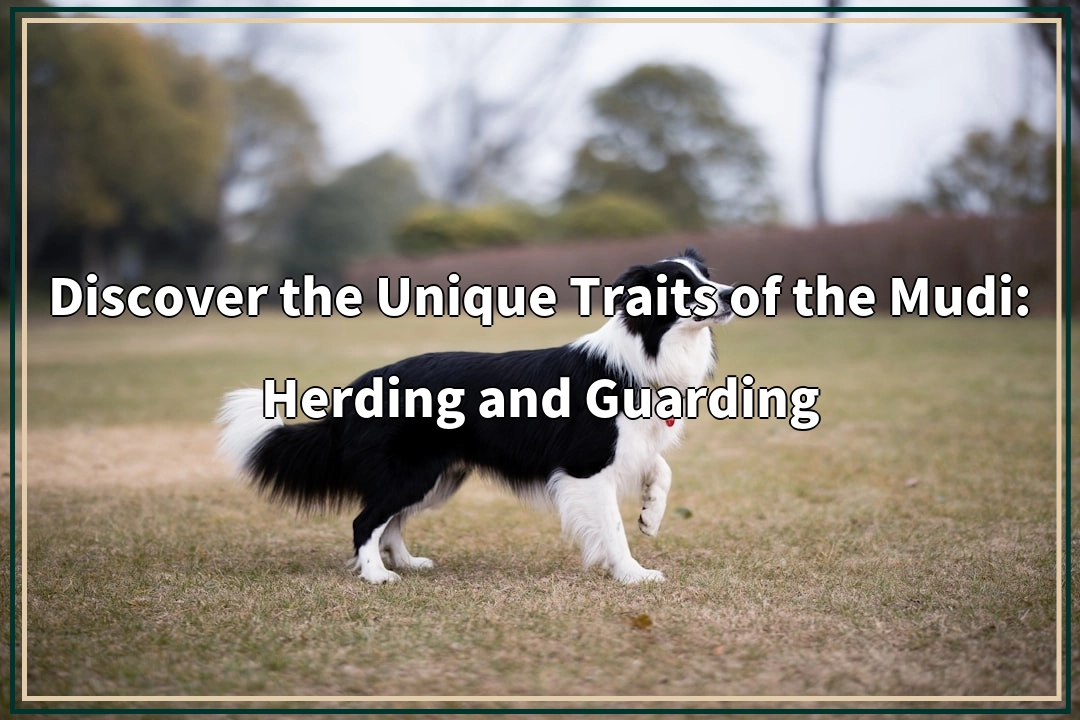
Unveiling the Mudi: A Unique Herding and Guarding Breed
The Mudi, a remarkable breed originating from Hungary, is not just another herding dog; it is a testament to the rich history and versatility of canine companions. Known for their intelligence, agility, and strong work ethic, Mudis have captured the hearts of dog enthusiasts and working dog aficionados alike. But what makes this breed stand out in the crowded world of herding and guarding dogs? One surprising fact is that the Mudi is a rare breed, often overshadowed by more popular herding breeds like the Border Collie or German Shepherd. However, their unique traits and capabilities make them exceptional in their roles as herders and guardians.
As we delve deeper into the world of the Mudi, we will explore their characteristics, care requirements, and the joys of living with this energetic breed. Whether you are considering adding a Mudi to your family or simply want to learn more about this fascinating breed, understanding their origins and unique traits is essential.
Understanding the Mudi: Origins and Characteristics
The Mudi is a medium-sized herding dog that has been a part of Hungarian culture since the 19th century. This breed was developed from a mix of various herding dogs, including the Puli and the German herding dogs, which contributed to its unique appearance and skill set. The Mudi was officially recognized as a breed in 1936 by Dr. Dezso Fenyes, who played a crucial role in its development and promotion. Unfortunately, the breed faced a significant decline shortly after its recognition, as many Mudis were killed off during World War II. However, dedicated breeders worked tirelessly to revive the breed, and today, the Mudi is celebrated for its versatility and intelligence.
One of the most striking features of the Mudi is its wavy coat, which can come in various colors, including black, white, brown, and even a unique merle pattern. Their coat not only adds to their aesthetic appeal but also serves a functional purpose, providing protection against the elements while they work in the fields. The Mudi’s pointed ears and expressive eyes give them an alert and intelligent appearance, reflecting their keen awareness of their surroundings.
In terms of temperament, Mudis are known for their energetic and playful nature. They thrive on physical activity and mental stimulation, making them ideal companions for active families or individuals who enjoy outdoor activities. Their herding instincts are strong, and they often display a natural ability to manage livestock, making them invaluable on farms and ranches. Additionally, Mudis are known for their loyalty and protective instincts, which make them excellent guard dogs. They are naturally suspicious of strangers, which can be an asset in guarding roles, but early socialization is crucial to ensure they are well-adjusted and friendly.
As a breed, Mudis are highly trainable due to their intelligence and eagerness to please. They respond well to positive reinforcement training methods, and their quick learning ability makes them suitable for various dog sports and activities, including agility, obedience, and herding trials. However, potential owners should be aware that Mudis require consistent training and mental challenges to prevent boredom, which can lead to undesirable behaviors.
In summary, the Mudi is a unique breed that embodies the spirit of herding and guarding. With a rich history rooted in Hungary, this versatile dog has proven itself as a capable worker and a loyal companion. Understanding the Mudi’s origins, characteristics, and care requirements is essential for anyone considering welcoming this remarkable breed into their home. As we continue to explore the Mudi’s traits and needs, we will uncover the joys and responsibilities of living with this exceptional herding and guarding dog.

Distinctive Traits of the Mudi: A Closer Look
The Mudi is a breed that stands out not only for its striking appearance but also for its remarkable capabilities as a herding and guarding dog. This medium-sized breed possesses a unique combination of physical and behavioral traits that make it particularly well-suited for work on farms and as a loyal companion. One of the most notable characteristics of the Mudi is its wavy coat, which can come in a variety of colors, including black, white, brown, and even a rare merle pattern. This coat not only adds to their aesthetic appeal but also serves a functional purpose, providing protection against harsh weather conditions.
In terms of physical attributes, the Mudi is known for its well-proportioned body, with a strong, muscular build that allows for agility and endurance. Their pointed ears and expressive eyes convey a sense of alertness and intelligence, which is a hallmark of the breed. Mudis are known for their energetic nature, requiring ample exercise and mental stimulation to thrive. They are naturally curious and intelligent, traits that make them quick learners and eager participants in various activities, including agility training and obedience competitions.
Behaviorally, Mudis are known for their strong herding instincts. They have a natural ability to manage livestock, displaying an innate understanding of how to guide and control animals. This instinct is coupled with a protective nature, making them excellent guard dogs. Mudis are typically wary of strangers, which can be an asset in their guarding role. However, early socialization is crucial to ensure they develop into well-rounded companions who are friendly and approachable.
Another defining characteristic of the Mudi is its loyalty to its family. They form strong bonds with their owners and are known to be affectionate and playful. This breed thrives in active households where they can participate in family activities and enjoy plenty of outdoor time. Their intelligence and eagerness to please make them highly trainable, but they require consistent training and mental challenges to prevent boredom and potential behavioral issues.
Essential Care and Health Considerations for the Mudi
Caring for a Mudi involves understanding their specific needs, including dietary requirements and health considerations. As an active and energetic breed, Mudis require a balanced diet that supports their high energy levels and overall health. A high-quality dog food formulated for active breeds is recommended, ensuring it contains adequate protein, healthy fats, and essential vitamins and minerals. It’s important to choose a diet that meets the nutritional needs of their age, size, and activity level. Additionally, providing fresh water at all times is crucial for their hydration and well-being.
In terms of feeding schedules, adult Mudis typically benefit from two meals a day, while puppies may require more frequent feeding to support their growth and development. Portion control is essential to prevent obesity, which can lead to various health issues. Regular exercise is also a vital component of their care, as it helps maintain a healthy weight and provides mental stimulation. Activities such as daily walks, playtime, and engaging in dog sports can help keep a Mudi physically and mentally fit.
Health-wise, the Mudi is generally considered a robust breed, but like all dogs, they can be prone to certain health issues. Common concerns for Mudis include hip dysplasia, eye disorders, and skin conditions. Regular veterinary check-ups are essential to monitor their health and catch any potential issues early. Responsible breeding practices can also reduce the risk of genetic health problems, so it’s important to source a Mudi from a reputable breeder who conducts health screenings on their breeding stock.
Another aspect of health care for Mudis is grooming. Their wavy coat requires regular brushing to prevent matting and to keep their skin healthy. Bathing should be done as needed, but over-bathing can strip the coat of its natural oils. Regular dental care, nail trimming, and ear cleaning are also important components of their grooming routine to ensure overall health and hygiene.
In summary, the Mudi is a unique breed with distinctive traits that make it an exceptional herding and guarding dog. Understanding their characteristics and providing appropriate care and health management is essential for ensuring a happy and healthy life for this remarkable breed. With the right environment, training, and care, Mudis can thrive as loyal companions and dedicated workers.

Embracing Life with a Mudi: Family Compatibility and Activity Needs
Living with a Mudi can be a rewarding experience, thanks to their loyal and affectionate nature. These dogs thrive in family environments where they can be active participants in daily life. Known for their strong bond with their human companions, Mudis are often described as being highly social and eager to please. This breed generally gets along well with children, making them an excellent choice for families. Their playful demeanor and energy make them fun companions for kids, who can engage in various activities such as fetch or agility training. However, it’s essential to teach children how to interact with dogs respectfully to ensure a harmonious relationship.
When it comes to living with other pets, Mudis can adapt well, particularly if they are introduced to them at a young age. Their herding instincts may kick in, so supervision during initial interactions with smaller animals is crucial. With proper socialization, Mudis can learn to coexist peacefully with other dogs and even cats. However, their natural drive to herd might lead them to chase smaller pets, so training and management are necessary to ensure everyone feels safe and comfortable in the home.
Activity needs are another critical aspect of living with a Mudi. This breed is known for its high energy levels and requires ample physical and mental stimulation to remain happy and healthy. Daily exercise is essential, and Mudis typically thrive in environments where they can engage in activities like running, hiking, or playing fetch. They excel in dog sports such as agility, obedience, and herding trials, making them ideal companions for active individuals or families who enjoy outdoor adventures. Without sufficient exercise and mental challenges, Mudis can become bored, which may lead to destructive behaviors or excessive barking.
In addition to physical activity, mental stimulation is crucial for this intelligent breed. Engaging them in puzzle toys, training sessions, or interactive games can help keep their minds sharp. Regular training not only provides mental exercise but also strengthens the bond between the Mudi and its owner. This breed responds well to positive reinforcement techniques, making training sessions enjoyable for both parties. By incorporating a variety of activities into their routine, Mudis can channel their energy productively, leading to a well-behaved and content dog.
Common Queries About the Mudi: Your Questions Answered
As potential Mudi owners consider adding this unique breed to their family, several common questions often arise. Here, we address some frequently asked questions to provide you with the information needed to make an informed decision about welcoming a Mudi into your home.
1. What is the temperament of a Mudi?
The Mudi is known for its energetic, intelligent, and affectionate temperament. They are loyal to their families and often form strong bonds with their human companions. While they can be wary of strangers, proper socialization from a young age can help them become friendly and well-adjusted.
2. How much exercise does a Mudi need?
Mudis are high-energy dogs that require substantial exercise. Daily walks, playtime, and engaging in dog sports are essential to meet their activity needs. Ideally, they should have at least an hour of physical activity each day to keep them happy and healthy.
3. Are Mudis good with children?
Yes, Mudis are generally good with children. Their playful nature and affectionate demeanor make them excellent companions for families. However, supervision is necessary, especially during initial interactions, to ensure a safe and positive experience for both the dog and the child.
4. Do Mudis get along with other pets?
Mudis can get along well with other pets, especially if introduced to them at a young age. Their herding instincts may lead them to chase smaller animals, so supervision and training are important to ensure harmonious interactions.
5. What are the common health issues in Mudis?
While the Mudi is generally a healthy breed, they can be prone to certain health issues, such as hip dysplasia and eye disorders. Regular veterinary check-ups and responsible breeding practices can help mitigate these risks.
6. How much grooming does a Mudi require?
Mudis have a wavy coat that requires regular grooming to prevent matting and maintain its health. Brushing several times a week is recommended, along with occasional baths to keep their coat clean and free from dirt. Regular dental care, nail trimming, and ear cleaning are also essential for overall health.
By understanding the unique traits of the Mudi and addressing common concerns, potential owners can better prepare for life with this exceptional breed. The Mudi’s intelligence, loyalty, and energetic nature make them a fantastic addition to active households, and with the right care and training, they can thrive as loving companions.
