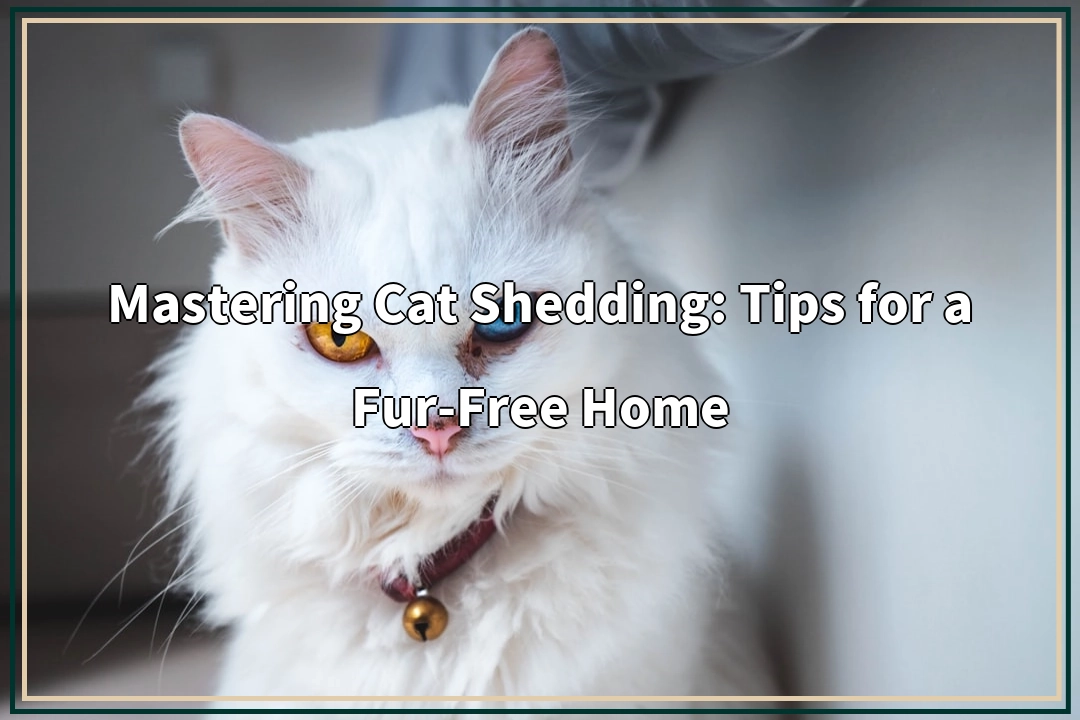
Understanding Cat Shedding: A Common Concern for Cat Owners
For many cat owners, the sight of fur floating through the air or clinging to furniture is an all-too-familiar reality. Shedding is a natural process for cats, but it can often feel overwhelming, especially during seasonal changes. Did you know that cats can shed up to 50% of their fur during peak shedding seasons? This fact might surprise you, but it highlights the importance of understanding and managing cat shedding effectively. Whether you are a seasoned cat owner or a new pet parent, mastering the art of managing cat shedding can lead to a cleaner home and a happier feline companion.
In this blog post, we will explore various strategies to help you manage cat shedding, ensuring that your home remains fur-free while keeping your cat comfortable and healthy. From grooming techniques to dietary considerations, we will cover a range of tips and tricks that can make a significant difference in your cat’s shedding habits. By understanding the reasons behind shedding and implementing effective management strategies, you can create a harmonious living environment for both you and your furry friend.
Exploring Cat Shedding: Causes and Insights
Cat shedding is a natural phenomenon that occurs in all breeds, but the extent and frequency can vary significantly. Shedding is primarily influenced by factors such as breed, age, health, and environmental conditions. For instance, long-haired breeds like Persians and Maine Coons tend to shed more visibly than short-haired breeds like Siamese or American Shorthairs. Understanding the specific shedding patterns of your cat’s breed can help you prepare for and manage the shedding process more effectively.
Additionally, seasonal changes play a crucial role in shedding. Many cats experience increased shedding during spring and fall as they transition between their winter and summer coats. This seasonal shedding is a natural response to changes in daylight and temperature, prompting cats to shed their heavier winter fur in favor of lighter summer coats. By being aware of these patterns, you can anticipate shedding spikes and take proactive measures to manage the fur in your home.
Moreover, health factors can also influence shedding. Cats that are stressed, ill, or experiencing allergies may shed more than usual. It’s essential to monitor your cat’s overall health and consult with a veterinarian if you notice any sudden changes in shedding patterns. A healthy diet, regular grooming, and a stress-free environment can significantly reduce excessive shedding and improve your cat’s well-being.
In summary, understanding the causes and patterns of cat shedding is the first step in mastering this common concern. By recognizing the factors that contribute to shedding, you can implement effective strategies to manage it, ensuring a cleaner home and a happier cat.
Understanding Your Cat’s Shedding Patterns
When it comes to managing cat shedding, knowledge is power. Each cat breed has its unique shedding characteristics, and understanding these can help you tailor your approach to grooming and care. For example, breeds like the Ragdoll and British Shorthair are known for their luxurious coats, which require regular grooming to prevent matting and excessive shedding. On the other hand, breeds like the Bengal and Abyssinian have shorter coats that may require less maintenance but can still shed significantly.
In addition to breed-specific traits, individual factors such as age and health can also impact shedding. Kittens and young cats may shed less than older cats, while senior cats may experience changes in their coat condition that can lead to increased shedding. Regular veterinary check-ups can help identify any underlying health issues that may contribute to excessive shedding, allowing you to address them promptly.
By understanding your cat’s unique shedding patterns and needs, you can develop a personalized grooming routine that minimizes fur around your home while keeping your cat comfortable and healthy. In the following sections, we will delve into practical tips and techniques for managing cat shedding effectively, ensuring that you and your feline friend can enjoy a fur-free living space.

Understanding Cat Shedding: Key Traits and Patterns
Cat shedding is a natural and inevitable process that every cat owner must navigate. Understanding the characteristics of shedding can help you manage it more effectively. Shedding is influenced by several factors, including breed, age, health, and environmental conditions. Each cat has its unique shedding patterns, which can be crucial for owners to recognize in order to maintain a clean home and a healthy pet.
When we talk about the characteristics of cat shedding, it’s essential to note that different breeds exhibit varying shedding behaviors. For instance, long-haired breeds such as the Persian or Maine Coon are known for their luxurious coats, which require regular grooming to prevent matting and excessive shedding. These breeds tend to shed more fur than their short-haired counterparts, especially during seasonal changes. On the other hand, short-haired breeds like the American Shorthair or Siamese may shed less visibly, but they still contribute to the overall fur in your home.
Additionally, the shedding process is not uniform across the year. Cats typically experience two major shedding seasons: spring and fall. During these times, they shed their winter coats to prepare for warmer weather and vice versa. This seasonal shedding is influenced by changes in daylight and temperature, prompting cats to adapt their fur density accordingly. Recognizing these patterns can help you anticipate when to ramp up your grooming efforts and manage the fur that accumulates in your living space.
Age also plays a significant role in shedding. Kittens and young cats may shed less than older cats, whose fur may become thinner and more prone to falling out. Moreover, health factors can greatly impact shedding. Cats that are stressed, ill, or suffering from allergies may shed more than usual. It’s crucial for cat owners to monitor their pets for any sudden changes in shedding patterns, as this could indicate underlying health issues that require veterinary attention.
In summary, understanding the characteristics of cat shedding is essential for effective management. By recognizing the breed-specific traits, seasonal patterns, and health-related factors that influence shedding, cat owners can take proactive steps to keep their homes fur-free while ensuring their feline companions remain comfortable and healthy.
Optimal Care for Your Shedding Cat: Nutrition and Health
When it comes to managing cat shedding, proper care and attention to health are paramount. A well-balanced diet plays a crucial role in maintaining your cat’s coat health and minimizing excessive shedding. Cats are obligate carnivores, meaning their diet should primarily consist of high-quality protein sources. Essential fatty acids, particularly omega-3 and omega-6, are vital for promoting a healthy coat and skin. These nutrients help reduce inflammation and improve the overall condition of your cat’s fur, making it less prone to shedding.
When selecting cat food, look for options that list high-quality meat as the primary ingredient. Additionally, consider incorporating wet food into your cat’s diet, as it provides hydration and can contribute to healthier skin. Supplements containing omega fatty acids can also be beneficial, especially for cats prone to dry skin or excessive shedding. Always consult with your veterinarian before introducing new dietary changes or supplements to ensure they are appropriate for your cat’s specific needs.
In addition to diet, regular grooming is an essential aspect of caring for a shedding cat. Brushing your cat at least once a week can help remove loose fur and prevent it from accumulating in your home. For long-haired breeds, daily grooming may be necessary to prevent matting and tangles. Using the right grooming tools, such as slicker brushes or de-shedding tools, can make the process more effective and enjoyable for both you and your cat.
Health issues can also significantly impact shedding. Common concerns include allergies, skin infections, and hormonal imbalances, all of which can lead to increased shedding. If you notice any sudden changes in your cat’s shedding patterns, such as excessive fur loss or bald patches, it is essential to consult with a veterinarian. Regular veterinary check-ups can help identify and address any underlying health issues, ensuring your cat remains in optimal condition.
In conclusion, providing optimal care for your shedding cat involves a combination of proper nutrition, regular grooming, and attentive health monitoring. By focusing on these aspects, you can help minimize shedding and promote a healthy, vibrant coat for your feline friend.

Coexisting with Your Feline Friend: Insights into Cat Ownership
Living with a cat involves understanding their unique behaviors, preferences, and needs. As cat owners, it is essential to recognize how our feline companions interact with family members, other pets, and their environment. By understanding these dynamics, you can create a harmonious home that accommodates both the needs of your cat and the comfort of your family.
One of the most significant aspects of living with a cat is their compatibility with families. Most cats are known for their independent nature, but they can also be incredibly affectionate and social. Cats often form strong bonds with their human companions, enjoying cuddles, playtime, and interactive sessions. For families with children, it is crucial to choose a cat that is tolerant and adaptable to the often energetic environment. Breeds such as Ragdolls and Maine Coons are known for their friendly and gentle dispositions, making them excellent companions for children.
When it comes to interactions with other pets, cats can vary significantly in their behavior. Some cats are quite social and will get along well with dogs and other cats, while others may prefer to be the only pet in the household. It’s essential to introduce new pets gradually and monitor their interactions to ensure everyone feels comfortable and safe. A cat’s personality and previous experiences with other animals can greatly influence their adaptability in a multi-pet household.
Activity needs are another critical factor to consider when living with a cat. Cats are natural hunters, and they require mental and physical stimulation to stay healthy and happy. Engaging your cat in interactive play is vital for their well-being. Toys that mimic prey, such as feather wands or laser pointers, can provide the necessary exercise and mental stimulation. Additionally, providing climbing structures and scratching posts can cater to their instinctual behaviors, allowing them to explore and exercise in a safe environment.
While cats are often seen as low-maintenance pets, they still require daily interaction and enrichment to thrive. Creating a routine that includes playtime, grooming, and quality bonding moments can significantly enhance your relationship with your cat. By understanding their needs and providing an enriching environment, you can foster a loving and supportive atmosphere for your feline friend.
Your Cat Questions Answered: A Comprehensive FAQ
As a cat owner, you may have numerous questions about managing shedding, grooming, and caring for your feline friend. This FAQ section aims to address some of the most common inquiries potential cat owners might have, particularly concerning shedding and overall cat care.
What causes excessive shedding in cats?
Excessive shedding can be attributed to several factors, including seasonal changes, diet, stress, and underlying health issues. Cats typically shed more during spring and fall as they transition between coats. If you notice sudden or excessive shedding, it’s essential to consult with a veterinarian to rule out any health concerns.
How can I reduce shedding in my cat?
To reduce shedding, establish a regular grooming routine to remove loose fur. Invest in quality grooming tools such as brushes and de-shedding tools. Additionally, ensure your cat is on a balanced diet rich in omega fatty acids to promote a healthy coat and skin. Regular vet check-ups can also help identify any health issues contributing to excessive shedding.
Do certain cat breeds shed more than others?
Yes, some cat breeds are known for shedding more than others. Long-haired breeds, such as Persians and Maine Coons, tend to shed more than short-haired breeds like the Siamese or American Shorthair. However, individual cats within any breed can have different shedding patterns, so it’s essential to understand your cat’s specific needs.
Is it normal for my cat to shed all year round?
While cats typically experience seasonal shedding, some cats may shed consistently throughout the year. Factors such as indoor heating, stress, and diet can influence this. If you notice constant shedding, consider evaluating your cat’s environment and consult with a veterinarian if needed.
How often should I groom my cat to manage shedding?
The frequency of grooming depends on your cat’s breed and coat type. Long-haired cats usually require daily grooming to prevent matting and excessive shedding, while short-haired cats may only need grooming once a week. Regular grooming helps keep your cat’s coat healthy and reduces the amount of fur in your home.
By addressing these common questions, you can better understand how to manage your cat’s shedding and provide a loving and supportive environment for your feline companion.
