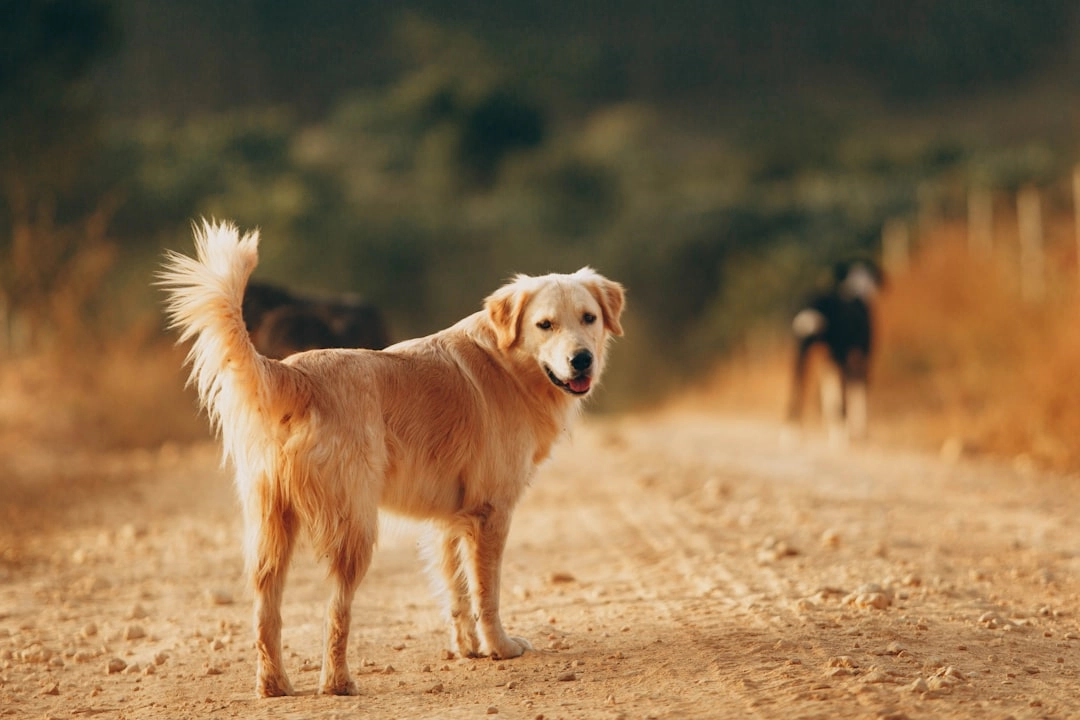
Puppy Park Adventures: A Guide to Successful Visits
Taking your puppy to the park can be an exhilarating experience for both you and your furry friend. It’s a chance for them to explore new environments, socialize with other dogs, and burn off some energy. However, many new puppy owners often wonder how to make these outings enjoyable and safe. Did you know that early socialization in puppies can significantly influence their behavior as adults? This is why understanding how to train and prepare your puppy for park visits is crucial. In this guide, we will explore effective strategies for mastering park visits with your puppy, ensuring that both of you have a delightful experience.
Decoding Puppy Behavior: Insights for Park Visits
Understanding your puppy’s behavior is essential for a successful park visit. Puppies, like all animals, have natural instincts and behaviors that can be influenced by their environment. When you take your puppy to a park, you are exposing them to a variety of stimuli, including other dogs, people, and unfamiliar sounds. This can be both exciting and overwhelming for them. By recognizing and interpreting their behaviors, you can help them navigate these experiences more effectively.
One of the first things to consider is the natural instincts that drive your puppy’s behavior. Puppies are naturally curious and energetic, which means they will want to explore their surroundings. This exploration is vital for their development, as it helps them learn about the world around them. However, it’s important to guide this curiosity in a positive direction. For instance, if your puppy is overly excited and starts jumping on other dogs or people, it’s essential to intervene and redirect their energy. Teaching them basic commands like “sit” and “stay” can be incredibly helpful in managing their behavior in a park setting.
Socialization is another critical aspect of understanding puppy behavior. Puppies learn a lot from interacting with other dogs and people. Positive experiences during these interactions can help them develop confidence and good social skills. However, not all interactions will be positive. Some puppies may feel intimidated or scared when meeting larger dogs or overly boisterous playmates. It’s crucial to monitor your puppy’s body language during these encounters. Signs of stress or fear, such as cowering, tail tucking, or excessive barking, indicate that your puppy may need a break or a more controlled environment.
Additionally, breed-specific behaviors can play a significant role in how your puppy reacts in a park setting. Different breeds have unique traits and temperaments that can influence their behavior. For example, herding breeds like Border Collies may exhibit strong chasing instincts, while toy breeds may be more prone to anxiety in crowded situations. Understanding these breed-specific tendencies can help you tailor your training and socialization efforts to better suit your puppy’s needs.
Another important aspect of puppy behavior is their play style. Puppies engage in play to develop their social skills and learn how to interact with others. Observing how your puppy plays can provide valuable insights into their personality. Some puppies may be more dominant and assertive, while others may be more submissive and gentle. Encouraging positive play behaviors, such as sharing toys and taking turns, can help foster good social habits that will benefit your puppy in the long run.
Finally, it’s essential to consider the environment of the park itself. Different parks may have varying levels of stimulation, from the number of dogs present to the types of activities happening around them. A park that is too crowded or noisy may overwhelm your puppy, leading to anxiety or fear. Start by visiting parks during quieter times to help your puppy acclimate to the environment. Gradually increase the level of stimulation as they become more comfortable.
In summary, understanding your puppy’s behavior is key to mastering park visits. By recognizing their natural instincts, socialization needs, and play styles, you can create a positive and enriching experience for both you and your puppy. With patience and consistent training, your puppy will learn to navigate the park confidently, making these outings enjoyable for everyone involved.
Essential Techniques for Puppy Training
Training your puppy is one of the most rewarding activities as a pet owner, and its importance cannot be overstated. From basic obedience commands to specialized training techniques, the key to nurturing a well-behaved and socially adept companion lies in consistent practice and positive reinforcement. Training is a foundation that builds trust, strengthens your bond, and lays the groundwork for good behavior that can last a lifetime.
One of the primary reasons training is essential is the role it plays in enhancing the owner-pet relationship. For a puppy, learning commands such as “sit,” “stay,” and “come” translates to an understanding of what is expected. Training provides clarity, not only defining acceptable behaviors but also reducing misunderstandings that could lead to frustration on both ends. For pet owners, this translates to reduced stress and a more harmonious home.
Moreover, training enhances safety for your puppy. In situations that might otherwise be tempting, a well-trained dog will respond to commands and keep themselves out of potentially dangerous situations. For example, ensuring your puppy stops at curbs or doesn’t dart after unfamiliar animals helps prevent accidents on park visits.
A crucial part of any training regime is understanding how dogs learn. Puppies respond best to positive reinforcement strategies that reward desirable behaviors rather than focusing solely on correcting negative ones. Utilizing treats, praise, and play as rewards helps create an encouraging training atmosphere where your puppy feels safe and eager to please. When employing positive reinforcement, it’s essential to administer praise or treats immediately after the desired action to effectively reinforce that behavior in the puppy’s mind.
A step-by-step guide to training your puppy begins with establishing a consistent environment where they can learn effectively. Select a location with minimal distractions and keep training sessions short but frequent – five to ten minutes is typically ideal. Ensure you utilize high-value rewards that captivate your puppy’s interest. First, focus on basic commands, as they are the stepping stones to more advanced training.
Starting with essential commands also aids social interaction and behavior while out at a park. Commands such as “sit” and “leave it” foster the kind of control you need when your pup is engaged with other dogs or varying stimuli found in park environments. Especially important is teaching “leave it,” as this command could be critical for discouraging your puppy from picking up dangerous items, like discarded food or objects they should not consume.
In practice, commands should be taught in a quiet environment, using clear verbal commands accompanied by hand signals. Initially, pair a verbal cue with the action; for instance, saying “sit” while gently guiding your puppy’s rear down with your hands if necessary. Reward them immediately when they respond correctly. Consistency is paramount — use the same commands and rewarding technique throughout your training, so your puppy becomes accustomed to and understands your cues.
Overcoming Challenging Dog Behaviors
While training provides essential foundations for good behavior, it is common to face challenging behaviors that may emerge with puppy interactions, particularly in a bustling environment such as a park. Addressing these behaviors promptly not only fosters a better-trained dog but can also establish confidence within the puppy themselves.
Common behavioral issues might include excessive barking, jumping up on people, or fearful aggression toward other dogs. Being able to identify the reasons behind these actions can significantly help in finding solutions. For instance, excessive barking may stem from over-excitement, boredom, or even anxiety. If a puppy barks at other dogs from fear, the approach may differ compared to a dog that merely wants attention. Observing these conditions assists in creating tailored strategies that cater specifically to the behavioral needs of the puppy.
Another notable challenge is play aggression — common amongst young dogs in parks when enthusiastic play time gets too heated. Recognizing the difference between regular play and potential aggression is pivotal. If play becomes increasingly overwhelming — such as growling or snapping — it’s important to intervene immediately to prevent fear-induced responses in either puppy. Employing a “timeout” can help your puppy learn to calm down and refocus their attention before re-engaging with others.
Behavior modification techniques may necessitate your patience and consistency. Positive reinforcement should still play an active role in correcting undesirable behaviors — perhaps using high-value treats and affection to reward calm behavior during play. In cases where behaviors continue despite consistent efforts, seeking assistance from a professional trainer can lead to the implementation of strategic behavior modification plans suited to your pup.
Recognizing when the time comes to ask for professional support cannot be understated. When unmodified behaviors escalate and present risks to other pets, people, or the pup themselves, it’s best to approach an experienced trainer or an animal behaviorist to explore strategies for resolving behavioral complications. This might include specialized behavior training programs that offer skills necessary to cope with specific conduct, both at home and in dynamic settings like parks.
Ultimately, successful puppy training involves forming habits of understanding and addressing challenging behaviors. By practicing the techniques outlined for structured training, highlighting positive reinforcements, and recognizing behavioral challenges promptly — owners position both themselves and their puppies for joyful adventures in parks, ensuring beneficial experiences enriched through training combined with play.

Boosting Puppy Happiness: The Role of Enrichment and Play
When it comes to raising a happy and well-adjusted puppy, the importance of enrichment and play cannot be overstated. These elements not only provide mental and physical stimulation but also foster the overall well-being of your furry friend. Engaging your puppy in enriching activities is essential to prevent behavioral issues that can arise from boredom or pent-up energy.
Puppies are naturally curious and energetic, making them prone to exploring their surroundings. However, if their environment lacks stimulation, they may resort to undesirable behaviors, such as chewing furniture, excessive barking, or digging. By incorporating various forms of enrichment into their daily routine, you can help channel their energy positively and prevent these behaviors from manifesting.
Mental stimulation is crucial for your puppy’s cognitive development. Engaging them in activities that challenge their minds can help improve their problem-solving skills and adaptability. Puzzle toys, for instance, can provide hours of entertainment as your puppy learns to navigate their way to the hidden treats. This not only keeps them occupied but also builds their confidence as they successfully complete each challenge.
Physical play is equally important for a puppy’s health. Regular exercise helps to maintain a healthy weight and strengthens their muscles and joints. Playtime can take various forms, from fetch in the park to tug-of-war at home. It’s important to ensure that your puppy has a balanced mix of structured play, like obedience training, and unstructured play, allowing them the freedom to explore and engage with their environment. These activities not only promote physical health but also help develop social skills as your puppy interacts with other dogs and people.
Another aspect of enrichment involves sensory experiences. Introducing your puppy to different environments, sounds, and smells can stimulate their senses and contribute to their overall well-being. Take them on walks through parks, nature trails, or urban areas to expose them to new sights and sounds. These experiences can help build their confidence and make them more adaptable to various situations.
Additionally, training sessions can serve as a form of enrichment. Incorporating new tricks or commands into your routine keeps your puppy engaged and eager to learn. This not only enhances their obedience but also strengthens the bond between you and your pet. As you reward your puppy for their efforts, they will associate learning with positive experiences, making them more inclined to participate in future training sessions.
In conclusion, providing a well-rounded mix of enrichment and play is vital for your puppy’s happiness and behavior. By focusing on both mental and physical stimulation, you can help your puppy thrive, preventing behavioral issues and fostering a well-adjusted companion. Remember that a tired puppy is often a happy puppy, so make sure to include a variety of activities in their daily routine to keep them engaged and fulfilled.
Clearing Up Misunderstandings: Puppy Training FAQs
As a new puppy owner, you may have many questions about training, behavior, and the best practices for raising your furry friend. It’s essential to address common misconceptions to ensure that you provide the best care and training for your puppy. Here, we will clarify some frequently asked questions that often arise in the context of puppy training and park visits.
One of the most common misconceptions is that puppies should be fully trained before taking them to the park. In reality, parks can be excellent places for socialization and learning, even for untrained puppies. Introducing your puppy to different environments, people, and other dogs is crucial for their development. However, it’s essential to ensure that your puppy has had the necessary vaccinations before exposing them to public spaces. Always keep an eye on their interactions and intervene if necessary to prevent any negative experiences.
Another frequent question is whether it’s acceptable to let puppies off-leash at the park. While it may be tempting to allow your puppy to run free, it’s important to understand that off-leash play should only occur in designated areas and with dogs that are well-socialized. Uncontrolled off-leash play can lead to accidents or altercations with other dogs, especially if your puppy is still learning social cues. Always prioritize safety by keeping your puppy on a leash until they demonstrate reliable recall and social skills.
Many new puppy owners also wonder if it’s okay to scold their puppy for bad behavior. It’s essential to recognize that negative reinforcement can often lead to fear or anxiety in puppies. Instead of scolding, focus on redirecting your puppy’s behavior and reinforcing positive actions. For example, if your puppy starts to chew on furniture, redirect them to an appropriate chew toy and reward them when they engage with it. This positive approach encourages good behavior without instilling fear or confusion.
Another misconception is that puppies will naturally know how to behave in a park environment. Just like humans, puppies require guidance and training to navigate new situations. Socialization should start at an early age, exposing your puppy to various experiences to help them learn how to behave appropriately in different contexts. Gradually introduce them to new dogs, people, and environments, ensuring that each interaction is positive.
Finally, some owners may think that training should only happen during formal sessions. In reality, training can and should occur throughout the day, in various contexts. Use everyday situations, such as meal times, walks, or playtime, as opportunities to reinforce commands and teach new skills. Incorporating training into daily routines helps solidify the lessons your puppy is learning and makes them more likely to respond to commands consistently.
In summary, addressing common questions and misconceptions about puppy training is vital for fostering a healthy and positive relationship with your furry companion. By clarifying these misunderstandings, you can better equip yourself to provide the care and guidance your puppy needs as they navigate the exciting world of park visits and socialization. With patience and consistency, you’ll be well on your way to mastering the art of puppy training and creating unforgettable adventures together.
