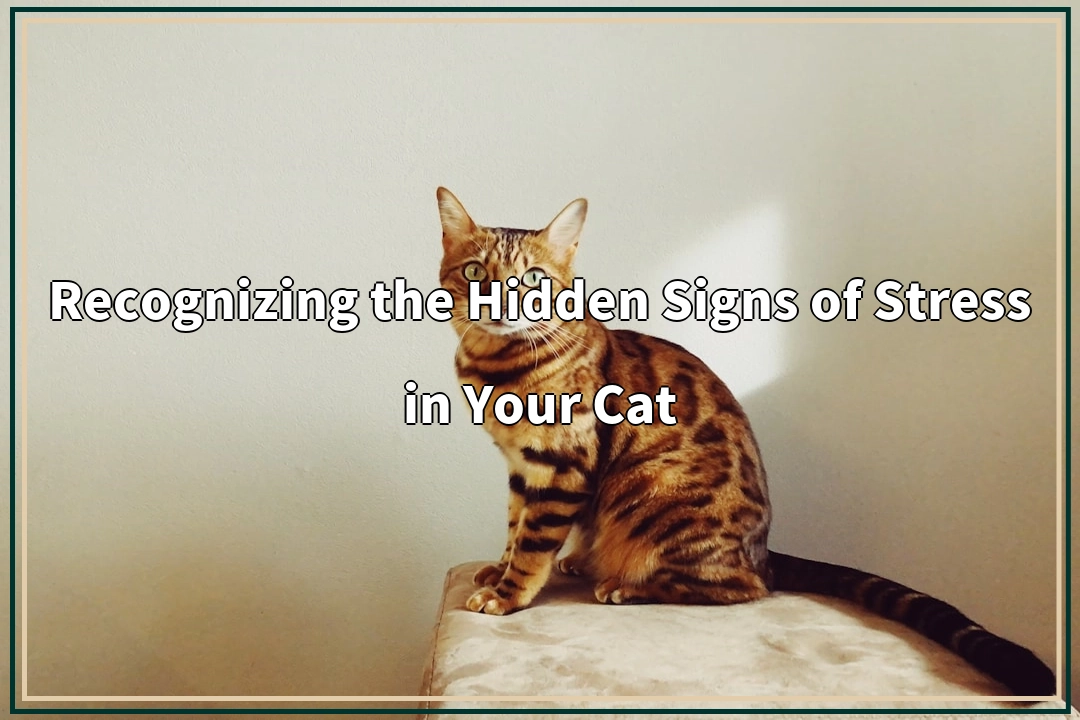
Understanding Cat Stress: A Hidden Challenge
As cat owners, we often pride ourselves on our ability to understand our feline friends. However, one of the most significant challenges we face is recognizing when our cats are stressed. Just like humans, cats experience stress, but they often do so in silence, masking their feelings behind a facade of normalcy. This can make it difficult for pet parents to identify when their beloved companions are in distress. Did you know that stress in cats can lead to serious health issues if left unaddressed? Understanding the signs of stress is crucial for maintaining your cat’s overall well-being and happiness.
Stress in cats can stem from various sources, including changes in their environment, interactions with other pets, or even alterations in their daily routine. As responsible pet owners, it is our duty to be vigilant and observant, ensuring that we can spot the subtle signs of stress before they escalate into more significant problems. In this blog post, we will explore the hidden signs of stress in cats, helping you to become more attuned to your feline’s emotional state.
Recognizing the Signs of Cat Stress
Recognizing stress in cats is not always straightforward. Unlike dogs, who may exhibit overt signs of anxiety, cats tend to hide their discomfort. This behavior is rooted in their evolutionary history as solitary hunters, where showing vulnerability could attract predators. As a result, many cats will internalize their stress, making it essential for owners to be aware of the more subtle indicators.
Common signs of stress in cats include changes in behavior, such as increased aggression, withdrawal, or excessive grooming. You may also notice physical symptoms, such as changes in appetite, litter box habits, or even excessive vocalization. By understanding these signs, you can take proactive steps to alleviate your cat’s stress and create a more harmonious living environment.
Exploring the Nature of Cat Stress
To effectively address cat stress, it is essential to understand its nature. Stress is an immediate response to perceived threats, activating the cat’s ‘fight or flight’ response. This reaction can be triggered by various factors, including environmental changes, social dynamics, or even health issues. For instance, a new pet in the household, a move to a new home, or even loud noises can all contribute to a cat’s stress levels.
Moreover, prolonged stress can have detrimental effects on a cat’s health, leading to issues such as a compromised immune system, behavioral problems, and even chronic health conditions. Therefore, recognizing and addressing stress in cats is not just about improving their emotional well-being; it is also about safeguarding their physical health.
Understanding the Impact of Environment on Cat Stress
The environment plays a crucial role in a cat’s stress levels. Cats are creatures of habit, and any disruption to their routine can lead to anxiety. Factors such as changes in household dynamics, the introduction of new pets, or even alterations in the physical space can all contribute to a cat’s stress. For example, a cat that is used to a quiet home may become stressed if a new baby arrives or if there are frequent visitors.
Creating a calming environment is essential for reducing stress in cats. This can include providing safe spaces for your cat to retreat to, maintaining a consistent routine, and ensuring that their basic needs are met. By fostering a secure and stable environment, you can help your cat feel more at ease and less prone to stress.
Recognizing the Hidden Signs of Stress in Your Cat
As we delve deeper into the topic of cat stress, it is vital to recognize that each cat is unique. What may be a stressor for one cat may not affect another in the same way. Therefore, it is essential to observe your cat’s behavior closely and note any changes that may indicate stress. This could include alterations in their eating habits, changes in grooming behavior, or even shifts in their social interactions.
By being proactive and attentive, you can help your cat navigate stressful situations more effectively. This may involve providing enrichment activities, ensuring they have access to safe spaces, and being mindful of their emotional needs. Ultimately, recognizing the hidden signs of stress in your cat is a crucial step in promoting their overall health and happiness.
Creating a Stress-Free Environment for Your Cat
In conclusion, understanding and recognizing the signs of stress in your cat is essential for their well-being. By being aware of the factors that contribute to stress and taking proactive measures to create a calming environment, you can help your feline friend thrive. Remember, a happy cat is a healthy cat, and your efforts to reduce stress will pay off in the long run.

Identifying the Signs of Cat Stress
Understanding the signs of stress in cats is crucial for any cat owner who wants to ensure their feline friend remains happy and healthy. Cats, by nature, are adept at hiding their discomfort, which can make it challenging to identify when they are experiencing stress. This section will explore the various characteristics that indicate a cat may be under stress, helping you to become more attuned to your pet’s emotional state.
Historically, cats have evolved as solitary hunters, which means they have developed behaviors that allow them to conceal signs of vulnerability. This instinct can make it difficult for pet owners to recognize when their cats are stressed. The linguistic roots of the word “stress” come from the Latin “stringere,” meaning “to draw tight,” which aptly describes the tension that can manifest in a cat’s behavior when they are feeling anxious or threatened.
Some common characteristics of stress in cats include changes in behavior, such as increased aggression, withdrawal, or excessive grooming. You may notice your cat becoming more reclusive, hiding in places they typically avoid, or showing signs of irritability when approached. Additionally, physical signs can include changes in appetite, litter box habits, and vocalization patterns. For instance, a cat that usually enjoys mealtime may suddenly refuse to eat, or a cat that is typically quiet may begin to vocalize excessively as a means of expressing their discomfort.
Another characteristic to look for is alterations in grooming behavior. Cats are known for their meticulous grooming habits, but stress can lead to either over-grooming or neglecting grooming altogether. Over-grooming can result in bald patches or skin irritations, while a lack of grooming can lead to matted fur and other hygiene issues. Both scenarios are indicators that your cat may be experiencing stress.
Moreover, changes in social behavior can also signal stress. Cats that are usually friendly and sociable may become withdrawn or aggressive towards other pets or humans. This shift in behavior can be alarming for pet owners, but it is essential to recognize that these changes are often a response to stressors in their environment.
Maintaining Your Cat’s Well-Being
To effectively care for a stressed cat, it is essential to understand their nutritional needs and health concerns. A well-balanced diet plays a significant role in maintaining your cat’s overall health and can help mitigate stress. Cats are obligate carnivores, meaning their diet should primarily consist of high-quality protein sources. Ensuring that your cat receives adequate nutrition is vital for their physical and emotional well-being.
When selecting cat food, look for options that list real meat as the first ingredient. This ensures that your cat is getting the necessary protein to support their energy levels and overall health. Additionally, consider incorporating wet food into their diet, as it can provide hydration and may be more palatable for some cats, especially those that are stressed and may not be eating well.
Health issues can also contribute to stress in cats. Common health concerns include dental problems, obesity, and urinary tract issues. Regular veterinary check-ups are essential for identifying and addressing these concerns early on. Dental disease, for example, can cause pain and discomfort, leading to changes in behavior and eating habits. Maintaining your cat’s dental health through regular brushing and dental treats can help prevent these issues.
Obesity is another significant health concern that can lead to stress in cats. Overweight cats may experience joint pain and reduced mobility, making them more susceptible to stress. Providing a balanced diet and encouraging regular playtime can help keep your cat at a healthy weight and reduce stress levels.
Urinary tract issues are also common in stressed cats. Cats may develop urinary crystals or infections due to stress, leading to further anxiety. Ensuring that your cat has access to fresh water and encouraging them to drink can help prevent these issues. Additionally, providing multiple litter boxes in different locations can reduce territorial stress and promote healthy elimination habits.
In summary, recognizing the signs of stress in your cat is vital for their overall well-being. By understanding the characteristics of stress and maintaining a focus on their care and health, you can create a nurturing environment that promotes happiness and reduces anxiety. Remember, a well-cared-for cat is a happy cat, and your attention to their needs will go a long way in ensuring their emotional and physical health.

Understanding Your Cat’s Environment and Behavior
Living with a cat requires an understanding of their unique needs and behaviors, especially when it comes to stress management. Recognizing how your cat interacts with its environment, family members, and other pets is essential for creating a harmonious living situation. This section will explore how to effectively coexist with your feline companion while being mindful of their stress levels and emotional well-being.
Compatibility is a significant factor in ensuring that your cat feels secure and happy in its home. Cats can be social creatures, but their temperament can vary widely depending on the individual cat and its breed. Some cats are naturally more sociable and enjoy the company of humans and other pets, while others may be more reserved and prefer solitude. Understanding your cat’s personality is key to fostering a peaceful environment.
For instance, breeds like the Ragdoll and Maine Coon are known for their friendly and gentle nature, making them great companions for families with children or other pets. These breeds typically thrive in a social setting, enjoying interactive play and affection from their owners. On the other hand, breeds like the Siamese may exhibit more independent behavior, requiring personal space and time alone to recharge. Recognizing these traits can help you navigate interactions and reduce stress for both your cat and other household members.
When introducing a new pet to the household, it’s crucial to take a gradual approach. Allowing both animals to acclimate to each other’s presence slowly can help minimize stress and prevent territorial disputes. Providing separate spaces for each pet initially can facilitate a smoother transition. Over time, supervised interactions can be encouraged, allowing both pets to become familiar with each other in a controlled manner.
Activity Level and Stimulation Requirements
Understanding your cat’s activity needs is essential for preventing boredom and associated stress. Cats require regular physical and mental stimulation to thrive. Engaging in interactive playtime not only strengthens the bond between you and your cat but also provides an outlet for their energy. Cats that do not receive enough stimulation may resort to destructive behaviors or exhibit signs of stress, such as excessive grooming or aggression.
Most cats benefit from a combination of play, exploration, and mental challenges. Interactive toys, puzzle feeders, and climbing structures can keep your cat entertained and mentally stimulated. Additionally, setting aside time each day for play can significantly improve your cat’s mood and overall well-being. Engaging in activities like feather wand play, laser pointers, or even training sessions can provide the exercise and mental engagement that your cat craves.
It’s also essential to consider your cat’s age and health status when assessing their activity needs. Kittens typically have higher energy levels and require more frequent play sessions, while senior cats may prefer gentler activities. Tailoring your approach based on your cat’s age, health, and personality can ensure they receive the right level of stimulation, promoting a happier and less stressed life.
Common Concerns and Solutions for Cat Owners
As a cat owner, you may have various questions regarding your cat’s behavior and health. Addressing common concerns can help you provide better care and ensure your cat’s emotional well-being. Here, we present a frequently asked questions section targeting common queries that cat owners might have about recognizing and managing stress in their pets.
What are the common signs of stress in cats?
Common signs of stress in cats include changes in appetite, increased aggression, excessive grooming, withdrawal, and alterations in litter box habits. If you notice any sudden changes in your cat’s behavior, it’s essential to investigate further to determine the cause.
How can I help my stressed cat feel more comfortable?
Creating a safe and secure environment is crucial for a stressed cat. Provide hiding spots, such as cat trees or cozy beds, where your cat can retreat when feeling anxious. Additionally, maintaining a consistent routine can help reduce stress, as cats thrive on predictability.
Can diet affect my cat’s stress levels?
Yes, a well-balanced diet plays a significant role in your cat’s overall health and can influence their stress levels. Ensure your cat is receiving high-quality nutrition that meets their specific needs, and consider incorporating wet food to increase hydration and palatability.
How often should I engage in playtime with my cat?
Engaging in daily playtime is essential for your cat’s physical and mental well-being. Aim for at least 15-30 minutes of interactive play each day, using toys that stimulate their natural hunting instincts. Regular play helps reduce stress and fosters a stronger bond between you and your cat.
What should I do if my cat shows signs of chronic stress?
If your cat exhibits signs of chronic stress, it’s essential to consult with your veterinarian. They can help identify underlying health issues and provide recommendations for stress management, which may include behavioral modifications or, in some cases, medication.
By understanding your cat’s needs and addressing potential stressors, you can create a supportive and nurturing environment that promotes their happiness and health. Regularly engaging with your cat, monitoring their behavior, and seeking professional advice when necessary can significantly enhance their quality of life.
