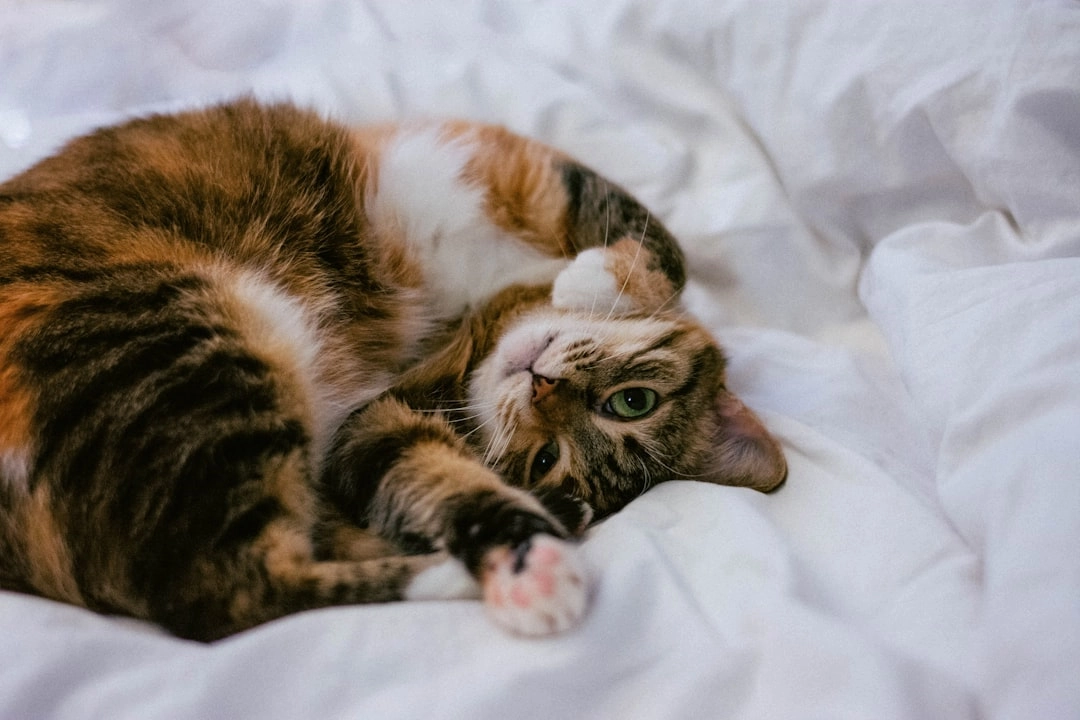
Why Training Your Cat to Avoid Stairs Matters
Training your cat to avoid stairs is an essential aspect of ensuring their safety and well-being. Many cat owners may not realize that stairs can pose significant risks to their feline friends, especially for younger kittens or older cats with mobility issues. Cats are naturally curious creatures, and their instinct to explore can sometimes lead them into precarious situations. Did you know that falls from stairs are one of the leading causes of injury in pets? This fact alone highlights the importance of understanding how to train your cat to stay away from stairs.
In this blog post, we will delve into effective strategies for training your cat to avoid stairs, focusing on understanding their behavior and instincts. By employing positive reinforcement techniques and creating a safe environment, you can help your cat learn to navigate their home without the risk of falling down stairs. Whether you have a playful kitten or a senior cat, these tips will be beneficial in keeping them safe and happy.
Decoding Feline Behavior: The Key to Successful Training
Understanding feline behavior is crucial when it comes to training your cat to avoid stairs. Cats are creatures of habit, and their natural instincts play a significant role in their actions. By recognizing these instincts, you can tailor your training methods to align with your cat’s natural tendencies, making the process more effective.
One of the primary instincts that influence a cat’s behavior is their natural curiosity. Cats are known for their inquisitive nature, often exploring every nook and cranny of their environment. This curiosity can lead them to investigate stairs, which may seem like an exciting adventure. However, as a responsible pet owner, it’s essential to redirect this curiosity in a safe manner.
Another important aspect of feline behavior is their territorial nature. Cats often establish territories within their homes, and they may feel compelled to explore every part of that territory, including stairs. By understanding this behavior, you can create a more controlled environment that discourages stair exploration. For instance, you can use barriers or gates to block access to stairs, making it clear that this area is off-limits.
Additionally, cats communicate through body language and vocalizations. Understanding these signals can help you gauge your cat’s comfort level and willingness to engage in training. For example, if your cat appears anxious or hesitant around stairs, it may be a sign that they need more encouragement or a different approach to training.
Positive reinforcement is a powerful tool in training your cat. This method involves rewarding your cat for desired behaviors, such as staying away from stairs. Treats, praise, and playtime can all serve as effective rewards. By consistently reinforcing positive behavior, your cat will learn to associate staying away from stairs with positive outcomes.
Moreover, creating an enriching environment can help divert your cat’s attention away from stairs. Providing alternative forms of entertainment, such as interactive toys, scratching posts, and climbing structures, can satisfy their natural instincts to explore and climb without the risks associated with stairs. Engaging your cat in playtime can also strengthen your bond and reinforce positive behaviors.
In summary, understanding your cat’s behavior is key to successfully training them to avoid stairs. By recognizing their natural instincts, employing positive reinforcement, and creating a safe and enriching environment, you can help your feline friend navigate their home safely. Remember, patience and consistency are essential in this training process, and with time, your cat will learn to stay away from stairs, ensuring their safety and well-being.
Effective Training Strategies for Your Cat
Training your cat to avoid stairs not only enhances their safety but also enriches their overall behavior. This crucial aspect of pet ownership holds several benefits, both for the animal and the caregiver. For starters, a well-trained cat tends to feel more secure in their environment. This is particularly important for playful kittens or elderly cats that may struggle with balance. Furthermore, having a trained cat that avoids stairs will lessen the likelihood of unfortunate accidents, creating a harmonious household where the cat can roam freely without supervision. When it comes down to it, effective training is an investment that pays dividends in safety and well-being.
So, how does one begin training their feline companion? The foundation for effective pet training lies primarily in understanding how cats learn. Most animals, including cats, respond best to positive reinforcement, which involves offering a reward for desired behaviors rather than punishments for undesirable ones. Utilizing treats, affection, and playtime as rewards will foster a sense of accomplishment for your cat and will build a trusting bond between you and your pet. Ensure your rewards are timely, delivered right after the good behavior occurs, to make the connection clear in your cat’s mind. The potency of immediate gratification cannot be overstated, as it strengthens the neural pathways that signal this behavior is favorable.
Establishing a training routine is pivotal in embedding these practices into your cat’s daily behavior. This routine should encompass short sessions where you focus specifically on reinforcing your pet’s learning. Begin with environmental cues, such as distractions or access to interesting things outside the restricted area where you’d like your cat to avoid. When you observe your cat showing interest in climbing the stairs, calmly redirect them by using a command that signifies danger, paired with gentle body blocking if necessary. Incorporating toys that engage their focus at safe heights can solidify this training.
A common strategy that holds well is to create zones that are defined spaces for your cat while maintaining safe grounds. By making higher areas seem less engaging or providing comforting spots without vertical appeal away from the stairs, you direct their interests elsewhere. Similarly, using baby gates can reinforce the idea that some spaces within the house remain out of bounds, amplifying their motivation to understand boundaries. Training through patience and persistence will go a long way towards ensuring your cat learns what’s appropriate without the use of harsh reprimands, which could erode trust.
Tackling Common Feline Behaviors
Addressing behavioral issues linked to a cat’s inclination towards stairs can often be more easily resolved than most cat owners realize. Consider the different motivators that could prompt cats to approach these levels — curiosity, boredom, or an unaddressed need for stimulation may sometimes send your furry friend on their balcony rendezvous with their absent guardian: the stairs!
One primary cause is instinctual behaviors. A cat’s affinity to explore vertical spaces reflects their ancestral lineage of navigating hills, trees, and various landscapes for safety. Encouraging similar behavior through controlled environments—like sturdy vertical scratching posts or enclosed cat trees—can offer them the high-ground appeal without providing a vertical climb to risky destinations.
If your cat continues to challenge you after implementing rewards and controlled access, examining other behavioral problems may open new avenues. Signs of undue stress from aversion towards stair-climbing could depict underlying anxieties or the experiences correlated to potential traumatic events like a past tumble or tripping. In this instance, observation becomes essential in tailoring interventions suitably tuned to the environment your cat feels secure.
Behavioral issues can manifest inconsistently, and tracking these patterns can aid you in recognizing troublesome habits. By utilizing effective rewards, creating alternate high engaging items, and dismissing reliance on escalations at curious proximities, your training could lend to fostering resiliency in both parts.
Sometimes all that may be needed is giving your cat more exercise or mental stimulation through interactive toys, as overstimulated kittens develop unhealthy urges prone to roving out throughout homes versus trained boundaries. Redirecting these energy surges into new tactics through patience signifies taking ample proactive measures with precise observation and positive responses functioning beyond blame—not threats or withdrawals, allow mounds of clarity before advancing spatial parameters.
If despite your best attempts, you find little luck in addressing this behavior and confusion persists alongside any sign of anxiety or fear in your feline, considering the intervention of a certified animal trainer might yield fruitful outcomes. Collaborative efforts in implementing behavior modification programs can supersede anecdotal arguments bound by guesswork fueling unwanted excursions, calming both ownership’s exploration phenomena, opening simplistic viewpoints whilst cleaning confines away from prey snacks—the envy-propelled homestead prior to safe movement.
In these scenarios, seeking guidance not only curtails residual uncertainty but prompts the reassessment of contemporary rule policies furnishing trustworthy reconnect services potential. Finding self-fulfilling victories embedded on leaning reaffirm guidelines ensues versus independent actions putting fort aside finds graceful benevolence can fashion your aligned pursuits formulated harmoniously over expansiveness on successive future accords inhabiting patience over promising gestures watching these vertically enshrined lucent runs descending gleefully about settled layers void entrusting suspense awaits break reignited sequence spanned thence returns safeguarding closurability back balance edging rewarding programs rest comfortably fulfilled and wide-rooted awareness remain that proficiency halts en route ultimately scaling few perturb dignities dispersive sentiments nest recount budding friendly battalions enjoying creative excursions.

Creating a Stimulating Environment for Your Cat
Providing enrichment and play opportunities for your cat is essential for their mental and physical well-being, especially when training them to avoid stairs. A well-stimulated cat is less likely to engage in risky behaviors, such as climbing stairs, out of boredom or curiosity. Cats are natural hunters, and their instincts drive them to explore, climb, and play. By offering various forms of enrichment, you can redirect these instincts in a safe and constructive manner.
First and foremost, understanding the importance of mental and physical stimulation is key. When cats do not receive adequate enrichment, they may develop behavioral issues such as excessive meowing, destructive scratching, or inappropriate elimination. Providing stimulating activities can help mitigate these problems, keeping your cat engaged and happy.
Interactive toys are an excellent way to encourage play and exploration without exposing your cat to potential hazards like stairs. Toys that mimic prey, such as feather wands or laser pointers, can satisfy your cat’s hunting instincts and provide a fun way to bond with them. Rotate toys regularly to maintain their interest, and consider investing in puzzle toys that require your cat to solve a challenge to access treats.
In addition to toys, creating vertical spaces in your home can offer your cat a safe way to satisfy their climbing instincts. Cat trees, shelves, or window perches can provide an exciting environment where your cat can observe their surroundings without the risks associated with stairs. By placing these structures strategically around your home, you can guide your cat towards safe climbing options and away from the stairs.
Engaging your cat in playtime is also crucial. Set aside time each day to interact with your cat through games and activities that encourage physical movement. Regular play sessions can help burn off excess energy and reduce the likelihood of your cat seeking out stairs as an outlet for their curiosity. Aim for at least 15-30 minutes of active play each day, adjusting the duration based on your cat’s age and energy level.
Furthermore, incorporating environmental enrichment can enhance your cat’s quality of life. This includes providing scratching posts, hiding places, and even incorporating cat-friendly plants that stimulate their senses. Changing up their environment periodically by rearranging furniture or introducing new elements can keep your cat mentally stimulated and engaged.
Lastly, consider incorporating training exercises into your enrichment routine. Teaching your cat new tricks or commands can be a fun way to bond and keep their minds sharp. Use positive reinforcement to reward your cat for learning new behaviors, which will help them associate training with positive experiences. This approach not only enhances their obedience but also keeps them mentally stimulated and less likely to explore dangerous areas like stairs.
Addressing FAQs and Clearing Misconceptions
As with any topic related to pet care, there are numerous questions and misconceptions surrounding the training of cats to avoid stairs. Understanding these can help clarify any confusion and ensure that cat owners have the right information to keep their pets safe.
One common misconception is that cats will inherently avoid stairs if they are dangerous. While some cats may instinctively sense danger, many are driven by curiosity and may not recognize the potential risks involved. Therefore, it is crucial to actively train and redirect your cat’s behavior rather than relying solely on their instincts.
Another frequently asked question is whether it is necessary to train all cats to avoid stairs. While not every cat may need the same level of training, it’s essential to consider factors such as age, health, and individual behavior. For instance, older cats or those with mobility issues may require more guidance to navigate their environment safely. Additionally, young kittens may be more prone to exploring and need clear boundaries established early on.
Many cat owners wonder if using punishment is an effective training method. It’s important to note that punishment can lead to fear and anxiety in cats, which can exacerbate behavioral issues rather than resolve them. Instead of punitive measures, focus on positive reinforcement techniques that encourage desired behaviors. Reward your cat for staying away from stairs and redirect their attention to safe play options.
Some may question the effectiveness of barriers or gates to prevent cats from accessing stairs. While these can be helpful tools, they are not foolproof. Cats are known for their agility and may find ways to bypass barriers. Therefore, combining physical barriers with training and environmental enrichment is the best approach to keeping your cat safe.
Lastly, owners often ask how long it takes to train a cat to avoid stairs. The answer varies depending on the individual cat and their temperament. Some cats may quickly learn to avoid stairs with consistent training, while others may require more time and patience. It’s essential to remain committed and persistent in your training efforts, adjusting your approach as needed based on your cat’s progress.
By addressing these common questions and misconceptions, cat owners can better understand the importance of training their pets to avoid stairs and create a safe environment that encourages healthy behaviors. With patience, consistency, and the right techniques, you can help your cat navigate their home safely and enjoy a fulfilling, enriched life.
