Creating a Positive Environment for Your Cat
When it comes to our feline friends, understanding how to handle them gently is crucial for fostering a happy and trusting relationship. Cats are unique creatures with distinct personalities, and their acceptance of handling can vary widely. Did you know that many cats are naturally inclined to be cautious and may feel threatened by sudden movements or unfamiliar situations? This is why mastering gentle handling techniques is essential for both the cat’s well-being and the owner’s peace of mind. In this blog, we will explore the importance of gentle handling, how to read your cat’s body language, and the best practices for creating a safe and loving environment.
Decoding Feline Behavior for Better Handling
Understanding feline behavior is the first step in mastering gentle handling techniques. Cats are governed by their instincts, and their behavior often reflects their natural tendencies. For instance, cats are both predators and prey in the wild, which means they have developed a keen sense of awareness and caution. This duality influences how they react to handling and interaction with humans.
One of the most common behaviors exhibited by cats is purring. While many people associate purring with contentment, it can also indicate anxiety or discomfort in certain situations. Therefore, it is essential to pay attention to the context in which your cat is purring. If your cat is purring while being held, it may be enjoying the affection. However, if it starts to tense up or its tail begins to flick, it might be time to give it some space.
Kneading is another behavior that many cat owners observe. This action, where a cat pushes its paws in and out against a soft surface, is often a remnant of kittenhood when they kneaded their mother’s belly to stimulate milk flow. Kneading can signify comfort and security, making it a positive sign when your cat does this while being handled. However, if your cat kneads aggressively or with claws extended, it may be a signal that it is overstimulated and needs a break.
Scratching is a natural behavior for cats, serving multiple purposes, including marking territory, stretching their muscles, and maintaining their claws. Providing appropriate scratching posts can help redirect this behavior away from your furniture and allow your cat to express its natural instincts. Understanding that scratching is not a sign of aggression but rather a normal feline behavior can help you manage it more effectively.
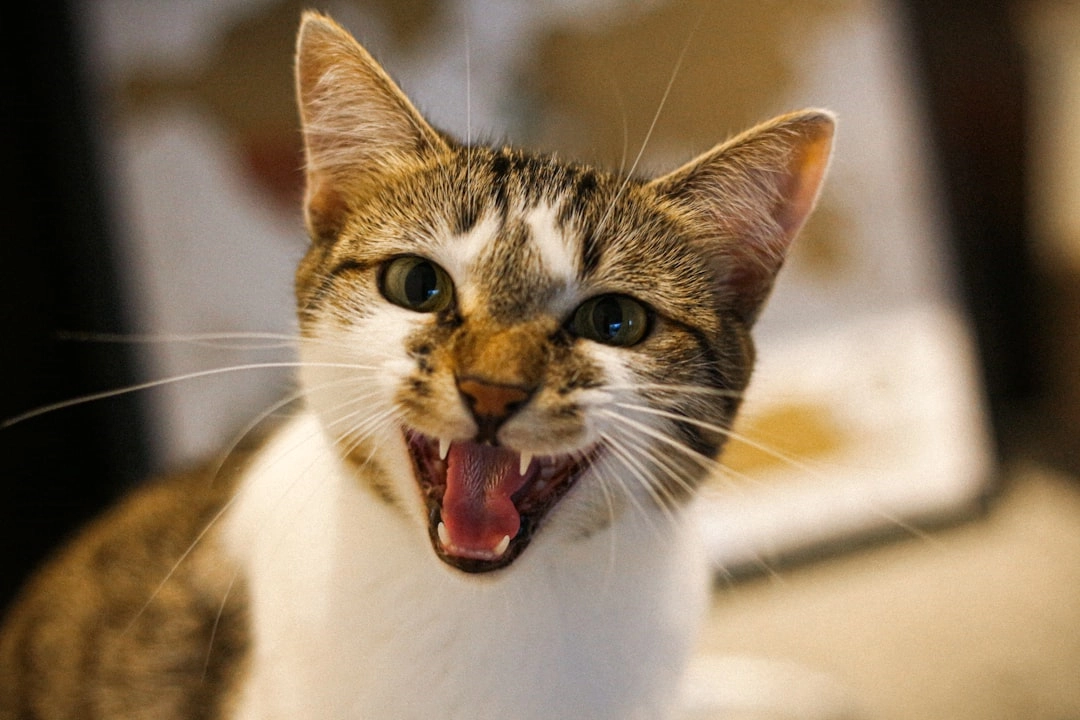
Another important aspect of feline behavior is their body language. Cats communicate primarily through visual cues, and being able to read these signals is vital for gentle handling. For example, a cat with its ears pointed forward and tail held high is generally feeling confident and relaxed. In contrast, a cat with flattened ears and a twitching tail may be feeling threatened or agitated. Recognizing these signs can help you approach your cat in a way that makes it feel safe and secure.
Additionally, different breeds may exhibit specific behaviors that can influence how they respond to handling. For instance, Ragdolls are known for their docile and relaxed nature, often going limp when picked up, while Siamese cats tend to be more vocal and demanding of attention. Understanding these breed-specific traits can help you tailor your handling techniques to suit your cat’s personality.
In conclusion, mastering gentle handling techniques for your cat involves a deep understanding of feline behavior. By recognizing the natural instincts and communication styles of your cat, you can create a positive environment that fosters trust and affection. Whether it’s through gentle petting, providing safe spaces, or respecting your cat’s boundaries, the goal is to ensure that your feline companion feels secure and loved. With patience and practice, you can develop a strong bond with your cat that enhances both your lives.
Effective Techniques for Training Your Feline Companion
Training is a fundamental aspect of building a harmonious relationship between you and your cat. Unlike many animals, cats are not traditionally motivated to please their owners in the way that dogs often are; however, this does not mean that they cannot be trained. Understanding the importance of training can significantly enrich both your cat’s life and your own. In this section, we will delve into the benefits of training your cat and explore effective techniques to achieve this goal.
One of the key reasons training your cat is essential is that it reinforces boundaries, aids in understanding, and enhances communication between you and your feline friend. Training equips your cat with vital skills that can help it navigate its environment and your home more effectively. For instance, if you train your cat to come when called or to accept being handled, both the animal and the owner can enjoy their interactions more comfortably. A well-trained cat experiences less stress, and in turn, the owner enjoys a more manageable companion.
Incorporating positive reinforcement into your training regimen is crucial. Cats respond more favorably to positive actions—such as praise, treats, and affection—when they perform desired behaviors. For example, if your cat successfully uses the litter box or stops clawing your furniture, reward it with a special treat or gentle praise. Over time, your cat will associate good behavior with positive outcomes, making it more likely that they’ll replicate such behaviors.
Moreover, when beginning your training journey, keep sessions short and fun. Cats, being naturally curious and sometimes easily distracted, benefit from brief but frequent training sessions. Spending a few minutes each day on training helps hold your cat’s attention and enables information retention. Gradual introduction to new commands can result in progressive mastery of basic tricks like “sit,” “high five,” or even more practical commands like “leave it.” Tools such as clickers can also effectively mark positive behaviors as a response to your commands.
Creating a learning environment free from distractions enhances the effectiveness of training. This setting reduces environmental stimuli that might impede your cat’s learning. Every training environment should also feel safe and comfortable; try starting training at a consistent time every day in a preferred location, allowing your cat to assimilate in a habitual manner.
Additionally, understanding your cat’s personality and breeds can significantly impact training methods. For instance, an outgoing Siamese might engage enthusiastically in learning new tricks, while a more aloof Persian could require a gentler approach. Noting how each individual cat reacts will inform the training technique that best suits their temperament.
Resolving Common Behavioral Challenges with Compassion
While training fosters positive habits, it’s equally important to understand and address any behavioral challenges your cat may present. Common issues such as litter box avoidance, excessive grooming, scratching, and aggressive behavior may arise, often leaving cat owners puzzled about how to respond. Here’s how to address these challenges effectively while ensuring your cat feels secure.
One prevalent behavioral challenge is litter box avoidance. This often indicates an underlying issue, ranging from a medical concern to an unwillingness to enter the litter box due to factors like cleanliness or placement. To help resolve this issue, ensure that the litter box is kept clean and placed in a quiet, accessible location. Experiment with different types of litter and boxes until your cat expresses a preference. Moreover, be patient, as transitioning and modifying their behavior may take time.
Excessive grooming is another behavioral issue you may notice. This can stem from stress, anxiety, or even boredom, especially if your cat doesn’t have appropriate avenues for physical and mental enrichment. Providing interactive toys, scratching posts, and safe spaces for climbing can help alleviate excess grooming behaviors. Observing patterns in your cat’s behavior will also guide you to differentiate between benign grooming and more concerning obsessive behaviors.
Scratching often proves problematic for many cat owners; this is a completely natural, instinctive behavior for felines. However, you can address it effectively by providing suitable alternatives such as scratching posts, cat trees, or vertical spaces, allowing your cat to scratch comfortably without damaging your furniture. Monitor their play behavior; sometimes redirecting unwanted actions to more appropriate outlets can prevent continued issues.
Should issues escalate or involve behaviors such as aggression towards other pets or humans, consider seeking professional guidance. A certified animal behaviorist or veterinarian specializing in feline behavior may offer invaluable insights, more profound understanding, and solutions tailored specifically to your cat’s unique circumstances.
In summary, training your cat while addressing behavioral challenges involves understanding feline psychology, maintaining consistent boundaries, and implementing patience combined with compassion. Equipping your cat to thrive in a social and comforting environment enhances its quality of life while deepening your bond as companions.

Boosting Your Cat’s Happiness Through Play and Enrichment
Creating a stimulating environment for your cat is vital for their mental and physical well-being. Just like humans, cats thrive when they are engaged in activities that challenge their minds and allow them to express their natural behaviors. Enrichment is more than just providing toys; it encompasses a variety of activities and experiences that cater to a cat’s instinctual needs. By focusing on enrichment and play, you can help prevent behavioral issues and enhance your cat’s quality of life.
The importance of mental and physical stimulation cannot be overstated. Cats are natural hunters, and they require opportunities to engage in behaviors that mimic their hunting instincts. When a cat is deprived of these experiences, it can lead to boredom, anxiety, and unwanted behaviors such as scratching, biting, or litter box avoidance. Therefore, implementing a variety of enrichment activities is crucial to keep your cat mentally stimulated and physically active.
Interactive play is one of the most effective ways to provide enrichment for your cat. Utilizing toys that encourage movement, such as feather wands, laser pointers, or even simple balls, can help replicate the chase-and-capture behaviors they would exhibit in the wild. Engaging in daily play sessions not only strengthens the bond between you and your cat but also allows them to expend energy, reducing the likelihood of destructive behaviors. Aim for at least 15 to 20 minutes of interactive play each day, broken into multiple sessions to cater to your cat’s attention span.
Additionally, incorporating puzzle toys and treat-dispensing toys into your cat’s routine can provide mental stimulation. These toys challenge your cat to solve problems to access their favorite treats or kibble, keeping their minds sharp and engaged. Rotating toys regularly can also prevent boredom and encourage exploration of new activities. By mixing things up, you can keep your cat curious and excited about their environment.
Another form of enrichment is providing vertical spaces for your cat to explore. Cats are natural climbers, and having access to cat trees, shelves, or window perches allows them to exhibit their instinctual behaviors. Creating a multi-level environment gives your cat the opportunity to observe their surroundings from a height, providing them with a sense of security and control over their territory. This is particularly beneficial for indoor cats, who may not have access to the outdoors.
Environmental enrichment can also include sensory experiences, such as incorporating cat-friendly plants, varied textures, or different scents. Engaging a cat’s sense of smell can be particularly enriching, as they rely heavily on scent in their natural behaviors. Introducing catnip, silver vine, or even safe herbs can provide stimulating olfactory experiences that can energize and engage your cat.
Overall, the goal of enrichment is to create an environment that encourages exploration, play, and natural behaviors. By providing a variety of mental and physical stimulation opportunities, you can significantly enhance your cat’s quality of life and reduce the likelihood of behavioral issues arising. A happy cat is an engaged cat, and through enrichment and play, you can cultivate a joyful and fulfilling life for your feline friend.
Clearing Up Myths and Misunderstandings About Cats
When it comes to cat ownership, there are many common questions and misconceptions that can lead to misunderstandings about feline behavior and needs. Addressing these myths is essential for ensuring that both you and your cat have a positive experience together.
One prevalent misconception is that cats are solitary animals that do not require social interaction. While it’s true that cats are more independent than some other pets, they are not solitary by nature. Cats thrive on social interaction, whether it’s with their human companions or other animals. Failing to provide social stimulation can lead to loneliness and behavioral issues. It’s essential to spend quality time with your cat, engage in play, and create a stimulating environment that fosters socialization.
Another common question revolves around the idea that all cats hate water. While many cats are indeed averse to water, it is not a universal truth. Some breeds, such as the Turkish Van, are known to enjoy water and even swim. Each cat has its own preferences, and understanding your cat’s individual personality is crucial. If your cat is one that enjoys water, you can incorporate safe water play into their enrichment activities.
Many cat owners also believe that scratching is a sign of aggression or bad behavior. In reality, scratching is a natural and necessary behavior for cats. It helps them maintain their claws, mark their territory, and stretch their muscles. Providing appropriate scratching posts and redirecting scratching behavior can help prevent damage to your furniture while allowing your cat to express this instinctive behavior.
Some people think that if a cat is purring, it means they are always happy. While purring is often associated with contentment, it can also indicate stress or discomfort in certain situations. Learning to read your cat’s body language and vocalizations can provide more insight into their emotional state, allowing you to respond appropriately to their needs.
Finally, many cat owners wonder whether they should allow their cats outdoors. While outdoor access can provide enrichment, it also comes with risks such as exposure to predators, traffic, and diseases. Many cat owners choose to keep their cats indoors for safety, but it is essential to provide indoor enrichment options to keep them happy and healthy. Exploring alternatives like leash training or supervised outdoor time in a safe enclosure can also offer the best of both worlds.
By addressing these common questions and misconceptions, cat owners can cultivate a better understanding of their feline companions. Knowledge is key to creating a nurturing environment that supports a happy and fulfilling life for both you and your cat. Ultimately, understanding your cat’s unique needs and behaviors will lead to a more enriching experience for both of you.
