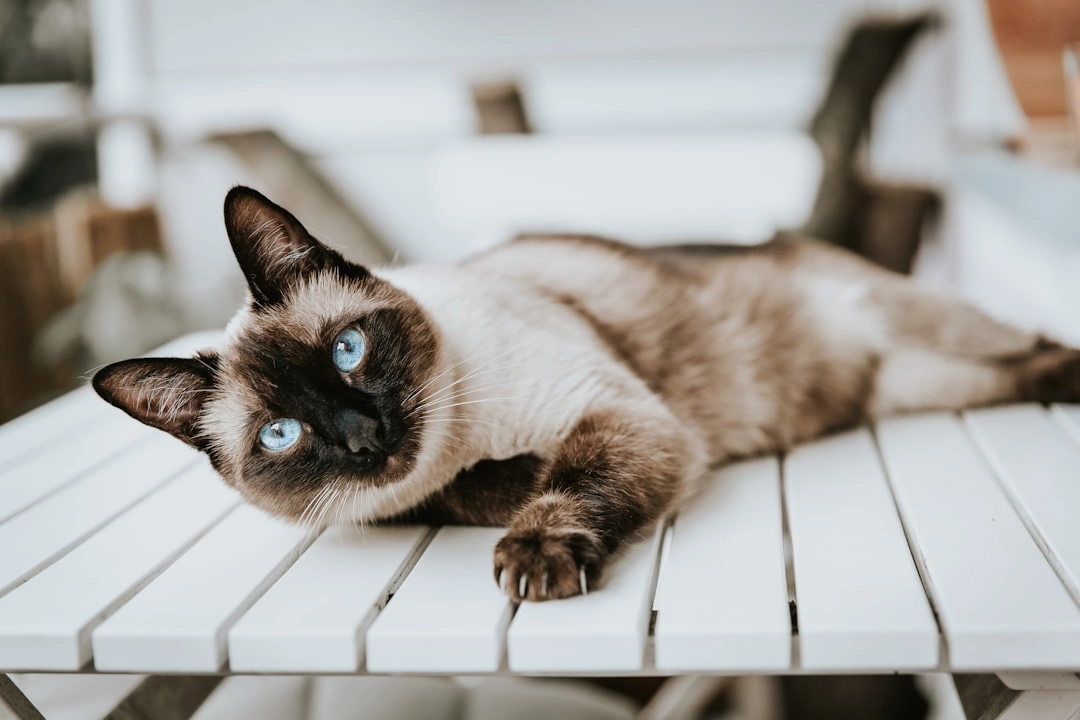
Unlocking the Secrets of Your Cat’s Doorway Behavior
Have you ever wondered why your feline friend seems so fixated on doorways? This behavior is not just a quirky trait; it stems from their natural instincts and psychological makeup. Understanding your cat’s doorway behavior is essential for creating a harmonious living environment for both you and your pet. Cats are inherently curious creatures, and their fascination with doors can lead to various behaviors that may be puzzling to their human companions. In this blog, we will explore the intricacies of feline doorway behavior management, helping you to master this aspect of your cat’s life.
Many cat owners have experienced the frustration of their pets darting towards an open door or persistently meowing at a closed one. This behavior can be attributed to several factors, including territorial instincts, curiosity, and even boredom. By delving into the psychology behind these actions, you can better understand your cat’s needs and develop effective strategies to manage their behavior.
Decoding Your Cat’s Intriguing Doorway Behavior
To effectively manage your cat’s doorway behavior, it’s crucial to first understand the underlying instincts that drive these actions. Cats are natural hunters and solitary creatures, which means they possess a strong sense of territory and a keen interest in their surroundings. When they encounter a closed door, their instinctual response may be to investigate what lies beyond it. This behavior is rooted in their evolutionary history as solitary hunters, where curiosity and exploration were vital for survival.
Moreover, cats are known for their acute senses, particularly their sense of smell and hearing. When they hear sounds or detect scents from the other side of a door, their curiosity is piqued, prompting them to investigate further. This instinctual response can manifest in various ways, such as pawing at the door, meowing, or even attempting to dart through when the opportunity arises. Understanding these behaviors is the first step in managing them effectively.
Another important aspect to consider is the role of environmental enrichment in your cat’s life. Indoor cats, in particular, may experience boredom if their environment lacks stimulation. This can lead to heightened interest in doorways as they seek out new experiences. Providing your cat with engaging toys, interactive playtime, and opportunities for exploration can help alleviate some of this boredom and reduce their fixation on doorways.
Additionally, it’s essential to recognize that different breeds may exhibit varying behaviors when it comes to doorway interactions. For instance, some breeds, like the Abyssinian or Bengal, are known for their high energy and curiosity, making them more likely to engage in door-related antics. On the other hand, more laid-back breeds, such as the British Shorthair, may show less interest in doorways. Understanding these breed-specific tendencies can help you tailor your approach to managing your cat’s behavior.
In summary, mastering your cat’s doorway behavior requires a comprehensive understanding of their natural instincts and psychological needs. By recognizing the factors that drive their actions, you can create a more harmonious living environment that caters to their curiosity while minimizing potential behavioral issues. In the following sections, we will explore practical strategies for training your cat, addressing behavioral issues, and enhancing their overall well-being through enrichment and play.
Mastering Feline Doorway Management Through Training
Training your cat to manage its behavior around doorways can greatly enhance the harmony within your home. Cats, by nature, are curious and territorial animals that tend to explore their surroundings passionately. When they discover doors—both open and closed—this exploration instinct often amplifies. Training offers both you and your furry friend the opportunity to set boundaries, paving the way for better interaction and a more tranquil living space.
Understanding the fundamental principles of animal training can be beneficial in ensuring the success of your cat’s doorway behaviors. One of the core methodologies that cat owners can incorporate is the positive reinforcement technique. When your feline engages in the desired behavior—for example, staying calm or sitting patiently when approached with a doorway—immediate rewards like treats, praise, or playtime can reinforce that behavior. This creates a connection between the action and the positive outcome, and as such, your cat is more likely to replicate that behavior in the future.
Breaking down the training process into achievable steps is key. Start simple; for instance, teaching your cat to sit before a closed door. When the door is closed and your cat appears in front of it, gently encourage them to sit with a treat. As they begin to master the concept, gradually increase the period they must sit before they earn the reward. This will help manage any impatient tendencies they may show when waiting to dash through an open door or meow insistently at closed ones.
Equally important is to consider the timing of your training sessions. Cats are often more receptive to learning when they are in the mood to engage, typically during playtime or quiet hours when they are calm. Consistency is critical in training to set clear expectations. If doors are regularly opened or left ajar and this rewards their darting, a conflicting pattern is created for the cat. Regularly reinforce rules around door management during intentional training moments to help solidify expected behaviors.
Setting appropriate boundaries and integrating various toys or enrichment activities while training will not only stimulate your cat physically but mentally, too. An often-overlooked factor in training sessions is considering your cat’s enthusiasm for structured engagement. Sometimes creating a predetermined playful routine that promotes patience (like “wait to enter”) could solidify calmness behavior around doorways. It adds a fun dynamic to training that keeps both you and your feline entertained.
Effective Strategies for Overcoming Common Behavioral Challenges
Cat doorway behaviors can present various challenges, from simple inquisitiveness to more serious behaviors like doorway darting. Addressing these behavioral issues promptly can foster a calmer and more content kitty. Recognizing the reasons why these behaviors may develop is crucial as you search for effective solutions. Unaddressed curiosities or excess pent-up energy may lead to a pattern of chaotic door behavior in your cat’s daily life.
One of the predominant issues many owners face involves the cat’s desire to bolt through open doors. This can place the animal in vulnerable situations as they become exposed to outdoor hazards. In response, one effective method is establishing “gateway zones,” wherein your cat gradually learns acceptable places to pause and remain calm when being led by a door. Having separation items like doors or barricades reinforces the feline’s understanding of area limitations. By properly staging time for exposure to these zones and periodically testing your results, the intention behind doorway behavior can be modified.
If more complex behavioral problems persist—like vocalizations, aggressive behaviors, or hindering activities when nearing doors—you may want to seek professional help. Animal behaviorists or trainers may offer valuable insight, tailored strategies specific to individual patterns, and improve the interaction flow in diverse door situations.
Furthermore, ensuring your cat’s overall well-being through proper environmental enrichment cannot be understated. When cats become mentally and physically occupied through scratching posts, stimulating play gear, and puzzle feeders, their attachment towards various distractions reduces. While being engaged with an entertaining treat-searching game away from the doorway reduces cat anxious behavior entirely, it diverts the cat’s eagerness at target door attention effectively.
In incorporating effective training techniques and directly addressing behavioral challenges, both you and your cat can cultivate a joyful understanding of territorial cues surrounding doorways, ultimately leading to a peaceful living environment.

Boosting Your Cat’s Well-Being Through Play and Enrichment
Creating a stimulating environment for your cat is essential in managing their doorway behavior effectively. Enrichment is more than just providing toys; it involves creating an engaging atmosphere that caters to your cat’s physical and mental needs. When cats are provided with appropriate mental and physical stimulation, they are less likely to exhibit undesirable behaviors, such as excessive meowing at doors or attempting to escape when a door opens.
One of the primary reasons for a cat’s fascination with doorways is boredom. Indoor cats, in particular, may find themselves staring longingly at doors, intrigued by the world beyond. By introducing various enrichment activities, you can redirect their focus and reduce the likelihood of disruptive doorway behaviors. This could include interactive toys that mimic prey movements, puzzle feeders that challenge their intellect, or climbing structures that satisfy their instinct to explore vertically.
Incorporating playtime into your cat’s daily routine is another vital component of enrichment. Engaging in interactive play sessions using feather wands or laser pointers not only stimulates your cat’s hunting instincts but also fosters a strong bond between you and your feline friend. These play sessions can be strategically scheduled before opening doors, helping to tire them out and minimize the urge to dart through the doorway as soon as it opens.
Additionally, environmental enrichment can be enhanced by providing sensory stimulation. Consider placing scratching posts, cat trees, and cozy hideaways near doorways. This not only gives your cat alternative places to explore but also creates a sense of security. Cats love to observe their surroundings from a height, and having a vantage point near a door allows them to feel included in the action without feeling the need to rush out.
It’s essential to remember that each cat is unique, and their preferences for enrichment will vary. Some cats may thrive on interactive toys, while others may prefer quiet corners with soft bedding to lounge. Experimenting with different types of enrichment will help you discover what resonates best with your feline companion. As you incorporate more enriching activities into their lives, you’ll likely notice a significant reduction in undesirable doorway behaviors, leading to a more harmonious home environment.
Clearing Up Myths About Feline Doorway Behavior
Understanding feline doorway behavior is often clouded by misconceptions. One of the most common myths is that a cat’s fixation on doors is purely a sign of disobedience or mischief. In reality, this behavior is deeply rooted in their instincts and natural curiosity. Cats are wired to explore their surroundings, and when they see a door, they may feel compelled to investigate what lies beyond. Recognizing this instinctual behavior allows owners to respond more effectively, focusing on management strategies rather than punishment.
Another misconception is that all cats are equally motivated by the outdoors. While many cats may show interest in exploring outside, some may feel more secure and content within their home environment. It’s crucial to understand your cat’s personality and preferences. Some cats may simply enjoy the sights and sounds associated with doorways without a genuine desire to escape. Observing your cat’s behavior can provide insights into their individual needs and help you tailor your enrichment strategies accordingly.
Additionally, many people believe that providing their cat with a cat door will automatically solve doorway behavior issues. While cat doors can offer more freedom for some cats, they can also create problems if not properly managed. Cats may dart out unexpectedly or encounter dangers outside. It’s essential to assess whether a cat door is appropriate for your specific cat and to monitor their behavior closely when using one.
Another frequent question pertains to whether training can eliminate doorway behavior issues. While training can certainly help, it is essential to combine it with enrichment and play. Cats are not like dogs; they respond differently to training. Therefore, a holistic approach that incorporates training, play, and environmental enrichment is crucial for effectively managing doorway behavior.
Finally, some owners may feel overwhelmed by their cat’s persistent doorway behavior, leading them to believe that their cat is being difficult. It’s important to remember that cats are complex creatures with specific needs. By providing enrichment, engaging in regular play, and addressing their behavioral needs, you can create a more harmonious environment for both you and your cat.
