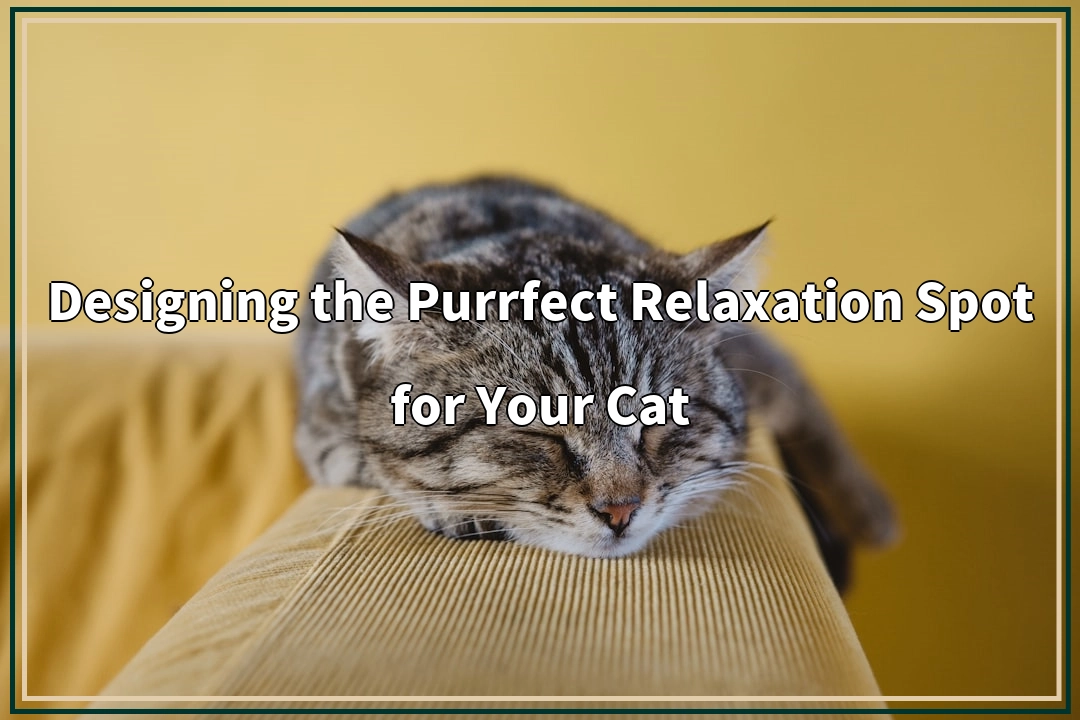
Creating a Cozy Haven for Your Feline Friend
Every cat owner knows that our furry companions have a knack for finding the coziest spots in the house. Whether it’s a sunbeam streaming through the window or a pile of freshly laundered clothes, cats instinctively seek out places that offer comfort and security. But have you ever considered designing a dedicated relaxation spot specifically for your cat? A well-thought-out relaxation area can significantly enhance your cat’s well-being, providing them with a safe space to unwind, play, and observe their surroundings. In this blog post, we will explore the essential elements of creating the purrfect relaxation spot for your cat, ensuring they have a sanctuary that caters to their natural instincts and preferences.
Understanding the Essentials of Cat Relaxation Spots
When it comes to designing a relaxation spot for your cat, it’s crucial to understand their unique needs and behaviors. Cats are territorial creatures, and they thrive in environments that allow them to feel secure and in control. A relaxation spot should not only be comfortable but also strategically placed to cater to your cat’s instincts. Here are some key factors to consider:
Comfort and Softness: Cats love soft surfaces where they can curl up and nap. Consider using plush blankets, soft cushions, or even a dedicated cat bed that provides warmth and comfort. The material should be easy to clean, as cats can be prone to shedding and occasional accidents.
Height and Perch Options: Cats are natural climbers and enjoy observing their surroundings from a height. Incorporating shelves, cat trees, or window perches can create an elevated relaxation area that satisfies their instinct to survey their territory. This not only provides a sense of security but also stimulates their curiosity.
Safe and Quiet Location: The location of the relaxation spot is vital. Cats prefer quiet areas where they can retreat without disturbances. Look for corners of the room, away from high traffic areas, or even a cozy nook where they can feel safe. Avoid placing their relaxation spot near loud appliances or busy family areas.
Personalization: Just like humans, cats have individual preferences. Some may prefer enclosed spaces, while others enjoy open areas. Observe your cat’s behavior to determine what they gravitate towards. You can personalize their relaxation spot with their favorite toys, scratching posts, or even a cozy hideaway that reflects their personality.
Environmental Enrichment: To keep your cat engaged and happy, consider adding elements of environmental enrichment to their relaxation spot. This could include interactive toys, climbing structures, or even a small water fountain. Providing mental stimulation is essential for your cat’s overall well-being.
Exploring the Concept of Cat Relaxation
Understanding the concept of relaxation for cats goes beyond just providing a comfortable spot. It involves recognizing their natural behaviors and instincts. Cats are crepuscular animals, meaning they are most active during dawn and dusk. Therefore, their relaxation spot should cater to their need for rest during the day and provide a safe haven for nighttime activities.
Additionally, the design of the relaxation area can influence your cat’s mood and behavior. A well-designed space can reduce stress and anxiety, promoting a sense of calm. For instance, incorporating natural elements such as plants (non-toxic to cats) can create a soothing atmosphere. The use of calming colors and textures can also enhance the overall ambiance of the relaxation spot.
Moreover, the importance of scent cannot be overlooked. Cats have a highly developed sense of smell, and familiar scents can provide comfort. Consider using bedding or blankets that carry your scent or the scent of their favorite toys. This can help create a sense of security and belonging in their relaxation area.

Essential Features of a Purrfect Relaxation Spot
Creating an ideal relaxation spot for your cat involves understanding the essential features that cater to their unique needs and instincts. The characteristics of a cat’s relaxation area should align with their natural behaviors, ensuring they feel safe, comfortable, and stimulated. Let’s explore the fundamental aspects that contribute to a purrfect relaxation environment for your feline friend.
Comfort and Softness: At the heart of any relaxation spot is comfort. Cats are known for their love of soft surfaces, so incorporating plush bedding, cushions, or blankets is essential. The materials used should be inviting and easy to clean, as cats can shed fur and may have occasional accidents. Opt for washable fabrics that can withstand the test of time and maintain their softness.
Height and Perching Options: Cats are natural climbers and enjoy observing their surroundings from elevated positions. Including shelves, cat trees, or window perches in their relaxation area allows them to fulfill their instinctual desire to survey their territory. This not only provides a sense of security but also enriches their environment, keeping them engaged and entertained.
Safe and Quiet Location: The placement of the relaxation spot is crucial. Cats prefer quiet, low-traffic areas where they can retreat without disturbances. Look for corners of the room or cozy nooks that provide a sense of safety. Avoid placing their relaxation area near loud appliances or busy family spaces, as this can lead to stress and anxiety.
Personalization: Just like humans, cats have individual preferences. Some may prefer enclosed spaces, while others enjoy open areas. Observing your cat’s behavior can help you determine what they gravitate towards. Personalizing their relaxation spot with their favorite toys, scratching posts, or even a cozy hideaway can enhance their comfort and sense of ownership.
Environmental Enrichment: To keep your cat engaged and happy, consider adding elements of environmental enrichment to their relaxation spot. This could include interactive toys, climbing structures, or even a small water fountain. Providing mental stimulation is essential for your cat’s overall well-being and can prevent boredom-related behaviors.
Temperature Control: Cats are sensitive to temperature changes, so it’s important to consider the climate of the relaxation area. Ensure that the spot is not too hot or too cold. In warmer months, a shaded area with good airflow is ideal, while in colder months, a cozy spot with blankets can provide warmth and comfort.
Maintaining Your Cat’s Well-Being in Their Relaxation Spot
Once you have created the ideal relaxation spot for your cat, it’s essential to focus on their overall care and health to ensure they thrive in their new environment. This includes addressing their dietary needs and being aware of common health concerns that may arise.
Dietary Needs: A balanced diet is crucial for your cat’s health and well-being. Cats are obligate carnivores, meaning they require a diet high in animal protein. When designing their relaxation spot, consider placing their food and water bowls nearby to encourage them to eat and stay hydrated. It’s important to choose high-quality cat food that meets their nutritional needs, which should include essential nutrients such as proteins, fats, vitamins, and minerals.
Consulting with a veterinarian can help you determine the best diet for your cat, taking into account their age, weight, and any specific health concerns. Additionally, providing fresh water at all times is vital for their hydration, especially if they are eating dry food. Consider using a water fountain, as many cats prefer running water, which can encourage them to drink more.
Common Health Concerns: Being aware of common health issues is essential for maintaining your cat’s well-being. Regular veterinary check-ups are crucial for early detection of potential problems. Some common health concerns include obesity, dental disease, and urinary tract issues. Ensuring your cat maintains a healthy weight is important, as obesity can lead to various health complications.
Dental health is another critical aspect to consider. Providing dental treats or toys can help keep their teeth clean and reduce the risk of dental disease. Additionally, being mindful of any changes in your cat’s behavior, appetite, or litter box habits can help you identify potential health issues early on.
Creating a safe and comfortable relaxation spot for your cat is just the beginning. By focusing on their dietary needs and being vigilant about their health, you can ensure that your feline friend enjoys a happy and healthy life in their purrfect sanctuary.

Coexisting Harmoniously with Your Feline Companion
When it comes to creating a harmonious living environment for your cat, understanding their personality and behavior is essential. Cats are unique creatures, each with their own quirks and preferences, and knowing how they interact with family members, other pets, and their environment can greatly enhance the quality of life for both you and your feline friend. In this section, we will explore how to ensure compatibility with your cat, as well as their activity needs to keep them happy and engaged.
Compatibility with Family and Other Pets
Cats are known for their independent nature, but they can also form strong bonds with their human companions and other pets. Understanding your cat’s temperament is crucial for fostering a positive relationship. Some cats are naturally more social and enjoy the company of children, while others may prefer a quieter household.
When introducing a cat into a family with children, it’s important to teach kids how to interact gently and respectfully with the pet. Supervised playtime and positive reinforcement can help establish trust and prevent any accidental rough handling. Cats often appreciate having a designated space where they can retreat when they need some alone time, allowing them to feel secure in their environment.
In households with other pets, the introduction process is key. Cats may be wary of dogs, especially larger breeds, but many cats can coexist peacefully with canine companions if introduced properly. Gradual introductions, using positive reinforcement, and providing separate spaces for each pet can help ease any tension. Cats may also enjoy the company of other cats, but their individual personalities will dictate the success of such arrangements. Monitoring interactions and ensuring that each pet has its own territory can prevent territorial disputes.
Activity Level and Stimulation Requirements
Understanding your cat’s activity level is vital for creating an enriching environment that meets their needs. While some cats are naturally more active and playful, others may prefer lounging and napping. Providing a variety of toys and engaging activities is essential to keep your cat stimulated, both physically and mentally.
Interactive toys, such as feather wands, laser pointers, and puzzle feeders, can provide excellent exercise and mental challenges. Cats are natural hunters, and incorporating playtime that mimics hunting behaviors can satisfy their instincts. Regular play sessions not only help keep your cat fit but also strengthen the bond between you and your feline friend.
Additionally, creating vertical spaces, such as cat trees or shelves, allows your cat to climb and explore, catering to their natural climbing instincts. This can be especially beneficial for indoor cats, providing them with opportunities to exercise and satisfy their curiosity.
Remember that while play is essential, providing quiet time is equally important. Cats are known for their catnaps, and ensuring they have a comfortable and peaceful relaxation spot is vital for their overall well-being. Balancing playtime with rest will help your cat thrive in a loving and supportive environment.
Common Queries About Creating the Ideal Cat Relaxation Spot
Designing the purrfect relaxation spot for your cat may raise several questions, especially for new cat owners or those looking to enhance their feline’s environment. In this section, we will address some frequently asked questions to help guide you in your quest to create a cozy sanctuary for your cat.
What materials are best for a cat’s relaxation area?
When selecting materials for your cat’s relaxation spot, look for soft, durable, and easy-to-clean fabrics. Plush blankets, cushions, and cat beds made from hypoallergenic materials are excellent choices. Additionally, consider using waterproof liners for easy maintenance, especially if your cat tends to have accidents or spills.
How can I make the relaxation spot more appealing to my cat?
To make the relaxation spot more appealing, personalize it with your cat’s favorite toys, blankets, and even an item that carries your scent. Adding vertical spaces, such as shelves or cat trees, can create an engaging environment. You might also consider placing the relaxation area near a window, allowing your cat to observe the outside world and enjoy natural light.
Is it important to have a separate relaxation area for my cat?
Yes, having a separate relaxation area is crucial for your cat’s well-being. Cats appreciate having a space where they can retreat and feel secure, especially in busy households. A designated relaxation spot helps reduce stress and provides a sanctuary for your cat to recharge.
How often should I change or clean the relaxation area?
Regular cleaning is essential to maintain a healthy environment for your cat. Vacuuming the area to remove fur and debris should be done frequently, while washing bedding and blankets can be done weekly. It’s also a good idea to periodically rearrange or refresh the space to keep it interesting for your cat.
What are some signs that my cat is comfortable in their relaxation spot?
Signs that your cat is comfortable in their relaxation spot include spending time there voluntarily, purring, kneading, and sleeping soundly. If your cat chooses to curl up and relax in their designated area, it indicates that they feel secure and at ease in that space.
