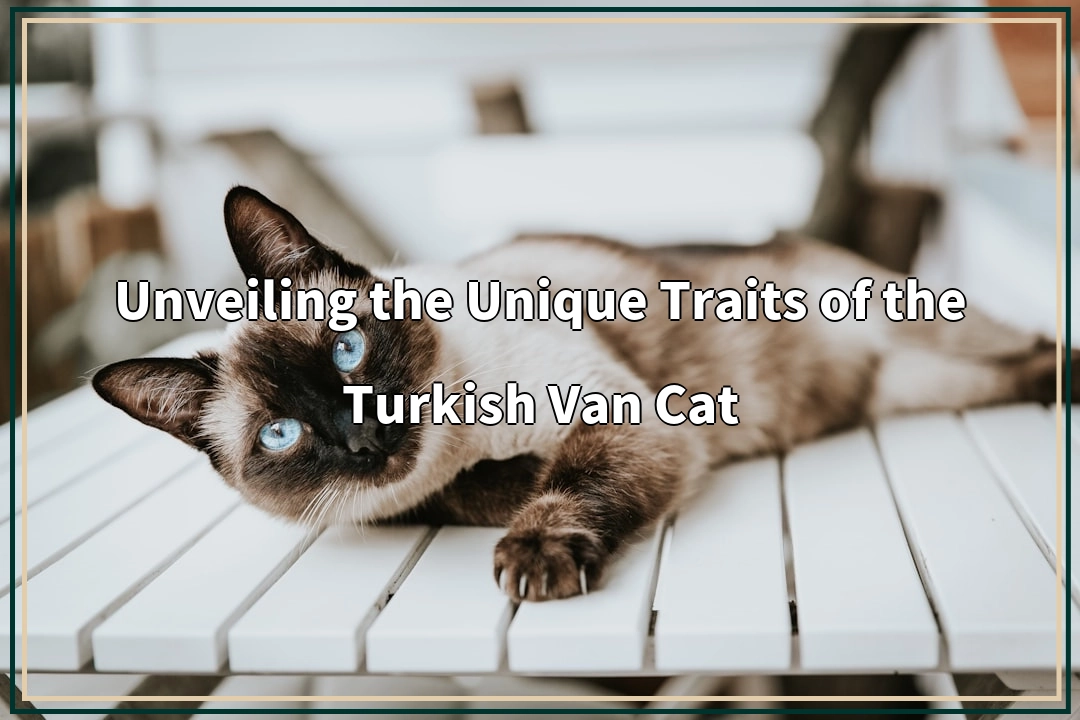
Discovering the Allure of the Turkish Van Cat
The Turkish Van cat is a breed that captivates the hearts of cat lovers around the world with its unique traits and charming personality. Known for their striking appearance and playful nature, these felines are often referred to as “swimming cats” due to their unusual affinity for water. This intriguing characteristic sets them apart from many other cat breeds, making them a subject of fascination for both casual pet owners and dedicated feline enthusiasts alike. But what exactly makes the Turkish Van cat so special? In this exploration, we will delve into the distinctive traits, history, and care requirements of this remarkable breed, shedding light on why they are such beloved companions.
Understanding the Turkish Van Cat Breed
The Turkish Van cat is a semi-long-haired breed that originated in the Lake Van region of Turkey, a place known for its stunning landscapes and rich cultural heritage. This breed is not just a pretty face; it has a fascinating history that dates back centuries. The Turkish Van is believed to have developed from a combination of local cats and those brought to the region by traders and travelers. The breed was officially recognized in the 1950s in the United Kingdom, where it was selectively bred for its unique characteristics.
One of the most notable features of the Turkish Van cat is its striking coat, which typically exhibits a distinctive “van” pattern. This pattern consists of a predominantly white body with colored markings on the head and tail, often in shades of auburn or cream. The breed’s fur is soft and cashmere-like, providing a luxurious feel that many cat owners adore. Additionally, Turkish Van cats are known for their large size, with males often weighing up to 20 pounds, making them one of the larger domestic cat breeds.
In terms of personality, Turkish Van cats are known for their energetic and playful nature. They are highly intelligent and curious, often engaging in playful antics that can entertain their owners for hours. Their love for water is a defining trait; many Turkish Vans enjoy playing in water or even swimming, which is quite rare among cats. This unique behavior can be traced back to their origins near Lake Van, where they likely developed a natural affinity for water as a means of survival and play.
When it comes to care, Turkish Van cats are generally healthy and robust, but like all breeds, they can be prone to certain health issues. Regular veterinary check-ups, a balanced diet, and plenty of exercise are essential to keep them in optimal health. Their semi-long fur requires regular grooming to prevent matting and to keep their coat looking its best. Owners should also provide mental stimulation through interactive toys and playtime, as these cats thrive on engagement and activity.
In summary, the Turkish Van cat is a breed that combines beauty, intelligence, and a playful spirit. Their unique traits, including their love for water and striking appearance, make them a fascinating choice for cat lovers. As we continue to explore the characteristics and care of this remarkable breed, it becomes clear why the Turkish Van cat holds a special place in the hearts of many.

Distinctive Traits of the Turkish Van Cat
The Turkish Van cat is renowned for its striking appearance and vibrant personality, making it a beloved breed among cat enthusiasts. One of the most defining characteristics of this breed is its unique coat pattern, known as the “van” pattern, which features a predominantly white body adorned with colored markings on the head and tail. This striking coloration is not just visually appealing; it also reflects the breed’s origins in the Lake Van region of Turkey, where such markings are believed to have developed as a natural adaptation.
Beyond their beautiful appearance, Turkish Van cats are celebrated for their playful and energetic demeanor. They are often described as “swimming cats” due to their unusual affinity for water, a trait that sets them apart from many other cat breeds. This love for water is not merely a quirk; it is thought to stem from their historical environment near Lake Van, where they likely developed a natural inclination to engage with water as part of their daily activities. Owners of Turkish Van cats often find their pets delighting in splashing water or even joining them in the bath, showcasing their adventurous spirit.
In terms of size, Turkish Van cats are considered large felines, with males typically weighing between 15 to 20 pounds. Their robust build is complemented by a muscular physique, which adds to their playful and active nature. These cats are not just physically impressive; they also possess a keen intelligence that makes them highly trainable. Many Turkish Van owners report that their cats can learn tricks and commands, demonstrating their ability to engage with their human companions on a deeper level.
Another notable trait of the Turkish Van cat is its sociable and affectionate personality. They thrive on interaction with their human families and often form strong bonds with their owners. This breed is known for being friendly and outgoing, making them excellent companions for families and individuals alike. Their playful antics and curious nature often lead to entertaining moments, as they explore their surroundings and engage in various activities.
In summary, the Turkish Van cat is a breed characterized by its stunning appearance, playful personality, and unique affinity for water. Their combination of beauty and charm makes them a favorite among cat lovers, and their engaging traits ensure that they bring joy and companionship to any household.
Essential Care and Health for Turkish Van Cats
Caring for a Turkish Van cat involves understanding their specific needs to ensure they lead healthy and fulfilling lives. One of the primary aspects of their care is their diet. Turkish Van cats require a balanced and nutritious diet that supports their active lifestyle and maintains their overall health. High-quality cat food that contains a good balance of protein, fats, and carbohydrates is essential. Look for options that list real meat as the first ingredient, as this aligns with their carnivorous nature.
In addition to high-quality commercial cat food, it is important to provide fresh water at all times. Turkish Van cats are known for their playful nature, and some may even enjoy playing with water. This can encourage them to stay hydrated, which is crucial for their overall health. A diet rich in moisture, such as wet cat food, can also help maintain their urinary tract health, which is particularly important for larger breeds.
When it comes to health concerns, Turkish Van cats are generally robust and healthy. However, like all breeds, they can be prone to certain genetic conditions. One common health issue seen in Turkish Van cats is hypertrophic cardiomyopathy (HCM), a condition that affects the heart muscle and can lead to serious complications. Regular veterinary check-ups are essential for early detection and management of any potential health issues.
Another aspect of care is grooming. Turkish Van cats have semi-long hair that requires regular brushing to prevent matting and to keep their coats looking their best. A grooming routine that includes brushing at least once a week can help reduce shedding and maintain the health of their fur. Additionally, regular nail trimming and dental care should be part of their grooming regimen to ensure overall well-being.
In conclusion, providing proper care for a Turkish Van cat involves a balanced diet, regular veterinary check-ups, and grooming. By understanding their unique needs and characteristics, owners can ensure that their Turkish Van cats lead happy, healthy lives filled with play and companionship.

Life with a Turkish Van Cat: Companionship and Compatibility
Welcoming a Turkish Van cat into your home means inviting a playful, energetic, and affectionate companion into your life. This breed is known for its engaging personality and ability to bond closely with family members. Turkish Van cats thrive in a social environment, making them ideal for families with children or other pets. Their friendly nature and playful demeanor ensure that they integrate well into various household dynamics, creating a harmonious living environment.
One of the standout characteristics of the Turkish Van cat is its love for interaction. These cats are known to be quite social and often seek out the company of their human family members. They enjoy participating in family activities and can be seen following their owners around the house, eager to be part of the action. Their playful antics, such as chasing after toys or engaging in games, provide endless entertainment for both children and adults alike.
In homes with other pets, Turkish Van cats generally exhibit a friendly and tolerant attitude. They can coexist peacefully with dogs, provided the introductions are handled properly. Their confident nature allows them to stand their ground, but they are not typically aggressive. This breed is more likely to engage in playful interactions with other animals rather than confrontations. However, early socialization is crucial to ensure they develop good relationships with other pets.
When it comes to activity needs, Turkish Van cats are known for their high energy levels. They require ample stimulation to keep them physically and mentally engaged. Providing a variety of toys, scratching posts, and interactive play sessions is essential for their well-being. Turkish Vans are particularly fond of climbing and exploring, so cat trees and shelves can enhance their environment and provide them with the opportunity to exercise and satisfy their natural instincts.
Additionally, these cats are quite intelligent and can benefit from interactive toys and puzzle feeders that challenge their minds. Engaging in regular playtime not only helps keep them fit but also strengthens the bond between the cat and its owner. A Turkish Van cat will thrive in an environment where it can explore, play, and interact, making them a perfect match for active households.
Common Inquiries About Turkish Van Cats
As potential owners consider adding a Turkish Van cat to their family, several common questions arise regarding their care, personality, and compatibility. Below, we address some frequently asked questions to provide clarity and insight into this unique breed.
1. Are Turkish Van cats good with children?
Yes, Turkish Van cats are known for their friendly and playful nature, making them excellent companions for children. They often enjoy interactive play and can engage well with kids, fostering a fun and loving relationship.
2. Do Turkish Van cats get along with other pets?
Turkish Van cats typically have a sociable disposition and can coexist peacefully with other pets, including dogs. Proper introductions and early socialization are key to ensuring a harmonious environment.
3. How much exercise do Turkish Van cats need?
This breed is quite active and requires regular exercise to stay healthy and happy. Engaging them in play sessions, providing climbing structures, and offering interactive toys can help meet their activity needs.
4. What is the grooming requirement for Turkish Van cats?
Turkish Van cats have semi-long hair that requires regular grooming to prevent matting and maintain coat health. Brushing at least once a week is recommended, along with regular nail trimming and dental care.
5. Are Turkish Van cats prone to any health issues?
While generally healthy, Turkish Van cats can be susceptible to certain genetic conditions, such as hypertrophic cardiomyopathy (HCM). Regular veterinary check-ups are essential for early detection and management of any potential health concerns.
6. What kind of diet is best for a Turkish Van cat?
A balanced diet consisting of high-quality cat food that includes real meat as the primary ingredient is essential for Turkish Van cats. Ensuring they have access to fresh water is also crucial for their overall health.
7. Can Turkish Van cats be trained?
Yes, Turkish Van cats are intelligent and can be trained to follow commands or perform tricks. Positive reinforcement methods, such as treats and praise, can be effective in training them.
By addressing these common inquiries, potential owners can gain a better understanding of what it’s like to live with a Turkish Van cat and how to provide the best care for their feline companion.
