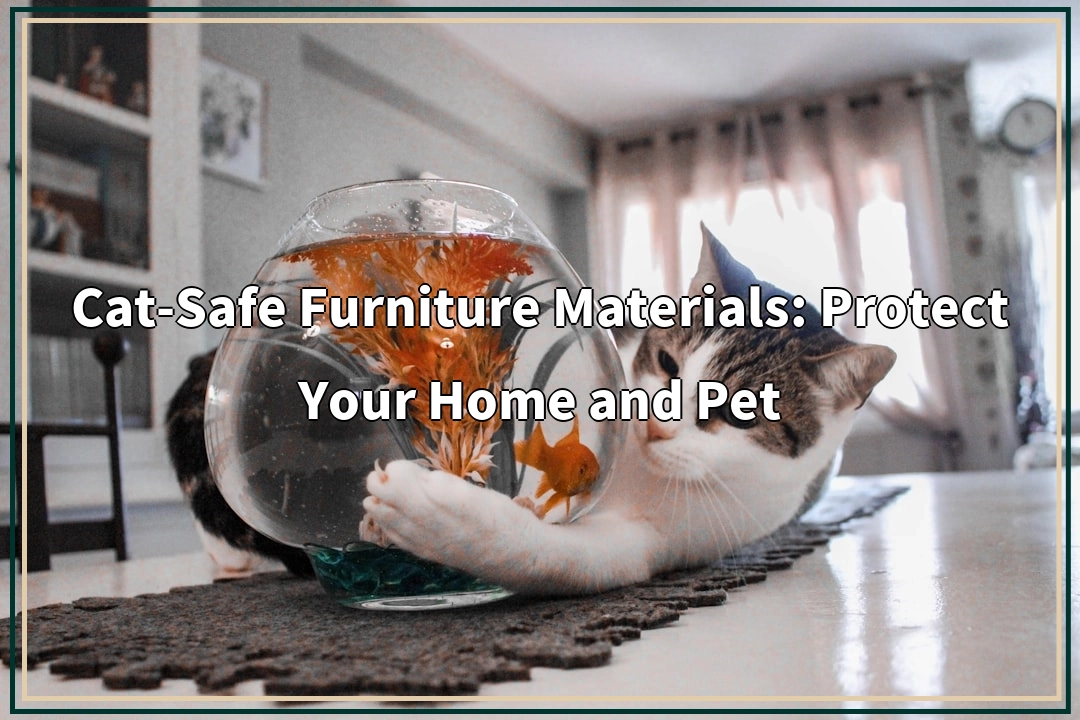
Creating a Cat-Friendly Home: The Importance of Safe Furniture Materials
When it comes to sharing our living spaces with our feline friends, ensuring their safety and comfort is paramount. One often overlooked aspect of cat ownership is the choice of furniture materials. Did you know that certain fabrics and materials can not only enhance the aesthetic of your home but also protect your cat from potential hazards? As cats are naturally curious and playful, they tend to explore their environment, which can sometimes lead to accidents or damage to household items. This is where understanding cat-safe furniture materials becomes essential.
Choosing the right furniture can significantly impact your cat’s well-being. For instance, materials that are easy to clean and resistant to scratches can help maintain a hygienic environment while also ensuring that your furniture lasts longer. Additionally, some fabrics are more forgiving when it comes to cat hair and dander, making them ideal for households with pets. In this blog, we will explore various cat-safe furniture materials, their benefits, and how they can contribute to a harmonious living space for both you and your furry companion.
Understanding Cat-Safe Furniture Materials
Cat-safe furniture materials are specifically designed to withstand the wear and tear that comes with having a cat in the home. These materials not only provide durability but also prioritize the health and safety of your pet. When selecting furniture, it’s crucial to consider factors such as scratch resistance, ease of cleaning, and hypoallergenic properties.
One of the most popular materials for cat-friendly furniture is microfiber. This fabric is known for its durability and resistance to stains, making it an excellent choice for households with pets. Microfiber is tightly woven, which helps prevent claws from snagging and tearing the fabric. Additionally, it is easy to clean, allowing pet owners to quickly address any accidents or spills.
Another great option is tightly woven fabrics, such as canvas or denim. These materials are less likely to be damaged by scratching and are also easy to maintain. They can withstand the playful antics of cats while still looking stylish in your home. Furthermore, nylon is another durable fabric that is often used in pet-friendly furniture. It is resistant to wear and tear, making it a long-lasting choice for cat owners.
In addition to fabric choices, the structure of the furniture itself plays a significant role in its safety for cats. For example, furniture with rounded edges and sturdy construction can help prevent injuries to your pet. Avoiding sharp corners and unstable pieces can create a safer environment for your feline friend to explore.
When considering the overall design of your home, it’s also essential to think about the placement of furniture. Cats love to climb and perch, so providing them with safe spaces to do so can help keep them entertained and satisfied. Cat trees and shelves made from safe materials can offer your pet a designated area to play and relax, reducing the likelihood of them scratching your furniture.
In summary, selecting cat-safe furniture materials is crucial for creating a harmonious living environment for both you and your pet. By choosing durable, easy-to-clean fabrics and considering the overall design of your home, you can ensure that your furniture remains intact while providing a safe space for your feline companion. In the following sections, we will delve deeper into specific materials, their benefits, and tips for maintaining a cat-friendly home.

Essential Features of Cat-Safe Furniture Materials
When it comes to creating a cat-friendly home, understanding the essential features of cat-safe furniture materials is crucial. These materials are designed not only to withstand the playful antics of our feline companions but also to ensure their safety and comfort. The evolution of furniture materials has been influenced by the growing awareness of pet safety and the need for durable, easy-to-maintain options. As pet ownership continues to rise, so does the demand for furniture that accommodates both human and animal needs.
One of the primary characteristics of cat-safe furniture materials is their durability. Fabrics such as microfiber, canvas, and tightly woven textiles are engineered to resist scratches and wear. This durability is particularly important in households with active cats that love to climb, scratch, and explore their environment. Microfiber, for instance, is not only soft and comfortable but also boasts a tight weave that prevents claws from easily penetrating the surface, making it a popular choice among cat owners.
Another key feature is the ease of cleaning. Cats can be prone to accidents, and their fur can quickly accumulate on furniture. Materials that are stain-resistant and easy to wipe down are essential for maintaining a hygienic living space. Fabrics like nylon and treated polyester are designed to repel stains and resist moisture, making them ideal for homes with pets. This means that pet owners can spend less time worrying about cleaning and more time enjoying their time with their furry friends.
Additionally, hypoallergenic properties are becoming increasingly important in the selection of cat-safe furniture materials. Many cats can be sensitive to allergens, and choosing materials that are less likely to harbor dust mites, dander, and other irritants can significantly improve your pet’s quality of life. Fabrics that are treated to be hypoallergenic can help reduce the risk of allergic reactions, making them a wise choice for households with sensitive cats.
Moreover, the structural design of the furniture plays a vital role in its safety for cats. Furniture with rounded edges and sturdy construction can prevent injuries, while pieces that are too flimsy may tip over or collapse under the weight of an adventurous cat. It’s essential to select furniture that not only looks good but also provides a safe environment for your pet to explore.
Maintaining Your Cat’s Health and Safety with Furniture Choices
Choosing the right furniture materials is just one aspect of ensuring your cat’s health and safety at home. Proper care and maintenance of these materials are equally important. Regular cleaning and upkeep can help prevent the buildup of allergens and maintain a safe environment for your feline friend. Vacuuming upholstered furniture regularly can help remove hair, dander, and dirt, reducing the risk of respiratory issues for both you and your pet.
In addition to cleaning, it’s essential to monitor your cat’s behavior around furniture. If you notice your cat scratching or chewing on furniture, it may be a sign that they are not satisfied with their scratching posts or play areas. Providing alternative outlets for their natural behaviors can help protect your furniture while ensuring your cat remains happy and healthy. Consider investing in cat trees, scratching posts, and interactive toys to keep your cat engaged and less likely to damage your furniture.
Diet also plays a significant role in your cat’s overall health. A balanced diet rich in essential nutrients is crucial for maintaining their energy levels and supporting their immune system. Cats are obligate carnivores, meaning they require a diet high in protein. Look for high-quality cat food that lists meat as the primary ingredient, and consult with your veterinarian to determine the best dietary plan for your cat’s specific needs.
Regular veterinary check-ups are also essential for monitoring your cat’s health. During these visits, your veterinarian can assess your cat’s weight, dental health, and overall well-being. They can also provide guidance on any potential health concerns related to your cat’s environment, including allergies or behavioral issues that may arise from stress or discomfort in their living space.
In summary, understanding the essential features of cat-safe furniture materials and maintaining a healthy environment for your feline friend are crucial steps in ensuring their safety and well-being. By selecting durable, easy-to-clean, and hypoallergenic materials, you can create a comfortable living space that accommodates both your needs and those of your beloved pet. Additionally, prioritizing your cat’s health through proper diet and regular veterinary care will contribute to a happy and healthy life together.

Adapting Your Home for a Cat-Friendly Environment
Creating a harmonious living space for you and your feline friend involves understanding how to best accommodate their needs and behaviors. When you bring a cat into your home, you not only gain a companion but also take on the responsibility of providing an environment that keeps them safe and happy. Cats are unique creatures with distinct personalities, and their interactions with families and other pets can vary widely. Thus, understanding their compatibility and activity needs is crucial for fostering a positive living experience.
Compatibility is an essential factor when integrating a cat into your household. Most cats are social animals that enjoy companionship, whether from humans or other pets. However, the degree of sociability can depend on the individual cat’s temperament and upbringing. Some breeds, such as Ragdolls and Maine Coons, are known for their affectionate nature and are often great with children and other pets. They tend to seek out human interaction and thrive in a family environment.
On the other hand, some cats may be more independent and prefer solitude, which can make them less compatible with young children or overly energetic pets. It’s important to observe your cat’s behavior and provide them with safe spaces where they can retreat when they need quiet time. Ensuring that your furniture and home layout accommodate both social and solitary behaviors can lead to a more harmonious household.
Activity needs are another crucial consideration when living with a cat. Cats are natural hunters and require mental and physical stimulation to stay healthy and happy. This means providing them with opportunities for play and exploration. Interactive toys, climbing structures, and scratching posts are excellent ways to engage your cat and fulfill their activity needs. Additionally, regular playtime with their human companions can help strengthen the bond between you and your pet while also keeping them active.
It’s important to note that different breeds may have varying activity levels. For instance, breeds like the Abyssinian and Bengal are known for their high energy and playful nature, requiring more engagement and exercise. In contrast, breeds like the Persian tend to be more laid-back and may require less active playtime. Understanding your cat’s breed and individual personality can help you tailor your home environment and activities to suit their needs.
Common Queries About Cat-Safe Living
As pet owners seek to create a safe and welcoming environment for their cats, several questions often arise. Here are some frequently asked questions that can help guide your decisions when it comes to cat-safe furniture and home design:
What materials are considered cat-safe for furniture?
When selecting furniture, look for materials such as microfiber, tightly woven fabrics, and nylon. These materials are durable, easy to clean, and resistant to scratches, making them ideal for homes with cats. Additionally, hypoallergenic options can help reduce allergens in your living space.
How can I protect my furniture from cat scratches?
To protect your furniture, provide your cat with appropriate scratching posts and pads. Position these near your furniture to encourage your cat to use them instead. You can also use furniture protectors or sprays designed to deter scratching, and consider using slipcovers on couches and chairs to minimize damage.
Are there specific furniture designs that are better for homes with cats?
Yes, look for furniture with rounded edges and sturdy construction to minimize the risk of injury. Avoid fragile pieces that may tip over easily. Additionally, multi-level cat trees or shelves can provide climbing opportunities while integrating seamlessly into your home decor.
How can I create a cat-friendly environment without sacrificing style?
Many brands now offer stylish pet-friendly furniture that doesn’t compromise on aesthetics. Choose colors and designs that complement your home while ensuring that the materials are durable and easy to maintain. You can also incorporate decorative cat furniture, such as elegant scratching posts or stylish cat beds, into your decor.
What should I do if my cat is allergic to certain materials?
If you suspect your cat has allergies, consult with your veterinarian to determine the best course of action. You may need to remove certain materials from your home and replace them with hypoallergenic options. Regular cleaning can also help reduce allergens in your living space.
Creating a cat-safe environment is not just about selecting the right furniture materials; it also involves understanding your cat’s unique personality and needs. By fostering compatibility within your household and providing engaging activities, you can ensure that both you and your feline companion enjoy a fulfilling life together. Whether you’re a new cat owner or looking to improve your current living situation, the insights shared here can help you create a safe and welcoming space for your pet.
