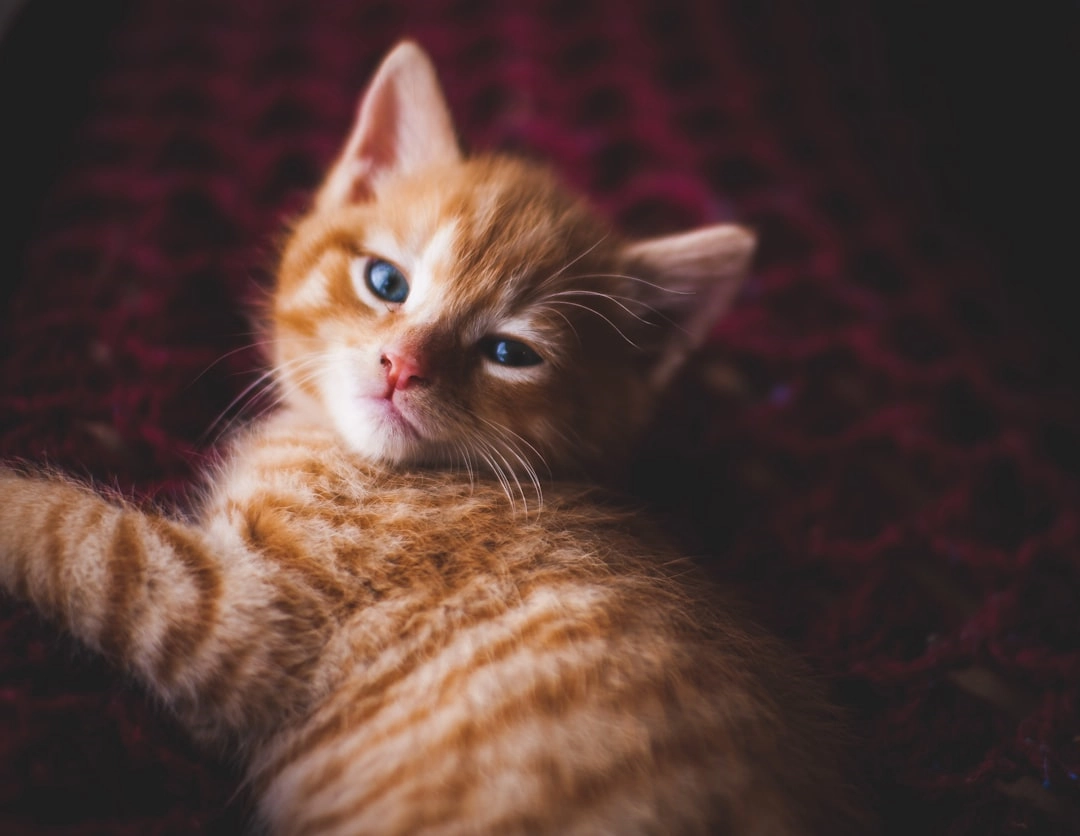
Unlocking the Secrets of Feline Eye Contact
Feline eye contact is a fascinating aspect of cat behavior that often goes unnoticed by pet owners. Many people may not realize that the way a cat looks at them can convey a wealth of information about their feelings and intentions. Understanding this subtle form of communication can significantly enhance the bond between you and your feline friend. Did you know that a cat’s gaze can express affection, trust, or even discomfort? This blog post will delve into the intricacies of feline eye contact, exploring its significance in training, bonding, and addressing behavioral issues.
Eye contact is a powerful tool in the animal kingdom, and cats are no exception. Unlike dogs, who may thrive on direct eye contact as a sign of engagement, cats often use their gaze to communicate a range of emotions. For instance, a slow blink from a cat can be interpreted as a sign of trust and affection, while a direct stare may indicate a challenge or discomfort. By mastering the art of feline eye contact, pet owners can foster a deeper understanding of their cats’ needs and emotions, ultimately leading to a more harmonious relationship.
Decoding Feline Communication Through Eye Contact
To effectively train and bond with your cat, it is essential to understand the basics of feline behavior and communication. Cats are inherently independent creatures, and their social interactions are often nuanced. Unlike dogs, who are pack animals and thrive on social hierarchy, cats are more solitary by nature. This independence influences how they communicate, including their use of eye contact.
When a cat makes eye contact, it is essential to consider the context. For example, if your cat is gazing at you with half-closed eyes, it is likely expressing comfort and affection. This behavior is often referred to as a “cat kiss,” where the cat is signaling that it feels safe and secure in your presence. On the other hand, if your cat is staring intently with wide-open eyes, it may be feeling threatened or agitated. Understanding these subtle cues can help you respond appropriately to your cat’s needs.
Moreover, the significance of eye contact can vary among different breeds. For instance, Siamese cats are known for their vocal and expressive nature, often using eye contact as a means of communication. In contrast, more reserved breeds like the British Shorthair may rely less on direct eye contact and more on body language to convey their feelings. By recognizing these breed-specific behaviors, you can tailor your training approach to suit your cat’s unique personality.
In addition to understanding the nuances of eye contact, it is crucial to consider the overall environment in which your cat lives. Cats are highly sensitive to their surroundings, and factors such as noise, movement, and even the presence of other pets can influence their behavior. Creating a calm and enriching environment can help your cat feel more at ease, making it easier for them to engage in positive eye contact with you.
Training your cat to respond positively to eye contact can also be beneficial in addressing behavioral issues. For example, if your cat tends to be skittish or fearful, practicing gentle eye contact can help build trust and confidence. Start by sitting at a distance where your cat feels comfortable, and gradually make eye contact while using a soft voice. Over time, this practice can help your cat associate eye contact with positive experiences, leading to a more relaxed and trusting relationship.
In conclusion, mastering feline eye contact is an essential skill for any cat owner. By understanding the nuances of feline communication and the significance of eye contact, you can strengthen your bond with your cat and create a more harmonious living environment. Whether you’re training your cat or simply looking to enhance your relationship, paying attention to their gaze can unlock a world of understanding and connection.
Empowering Your Cat Through Eye Contact Training
Training your cat can seem challenging, especially if you’re accustomed to the more overt forms of dog obedience training. However, mastering the techniques of feline eye contact training can open doors to a rewarding relationship with your pet while simultaneously enabling beneficial behavior adjustments. Developing this method hinges on understanding why training is important, and how eye contact plays an influential role in a cat’s training journey.
While every cat has a unique personality, effective training can instill a sense of confidence and ease anxiety in any feline. The essence of training your cat often boils down to a familiar concept—positive reinforcement. This technique involves rewarding your pet when they perform desired behaviors, making it easier for them to learn over time. Gaining your cat’s attention through eye contact allows for immediate reinforcement when they engage in good behavior. This can facilitate successful training outcomes while establishing a more profound relationship between you and your cat.
Creating a successful training environment entails clarity and consistency. Cats may require repetition of the same command or request to grasp expectations fully. During this time, keeping a soothing tone and sustaining soft eye contact promotes a sense of safety, motivating your pet to perform and communicate with confidence. Eye contact can be a fundamental element of this empowering bond—suggesting trust and emotional support that breeds patience and eagerness during training sessions.
Consider what kind of rewards motivate your pet, whether that is a favored treat or affectionate stroking. Incorporating their preferred incentives during training, paired with consistent eye contact, can yield remarkable results. Always initiate interaction by lowering yourself to your cat’s eye level, further showing understanding and consideration of their perspective. Doing so not only catches their eye but reassures them that the encounter is oriented toward trust and enthusiasm rather than duress. As a trained pet might recognize positive experiences you can instill an emotional connection toward your signals.
The most critical understanding surrounding pet training centers on giving your cat choice and space, allowing for a stress-free experience. Some animals respond wonderfully to direct eye contact, drawing energy from the connection, while others can find it intimidating. A calm blink can demonstrate that training is approachable and will lessen any stigma attached to making eye contact with you. Incorporating peaceful movements aids as well—prompting stretching exercises and low whistles instead of noises could invite cooperation.
Identifying and Resolving Behavioral Problems with Eye Contact
Addressing behavioral problems requires careful scrutiny to interpret your feline friend’s fears or insecurities. Behaviors such as fear-induced aggression, excessive meowing, litter box problems, or aloofness may be alleviated through practiced eye contact methods during key engagements. Recognizing the details in what aspects disorient your feline requires the utmost patience, spicing sessions not solely as isolated durations during your day, but also an innate means to govern good behaviors.
Felines oftentimes express discomfort through body language. Therefore, maintaining quiet observation supplemented by contact could redirectively encourage fluid feedback. Look at behaviors exacerbated through anxiety as standout reminders—they could illustrate to you an opportunity for study and ultimately help you better comprehend your feline’s milieu. Training develops principles specifically around signals learned. When your cat feels challenged in making their needs known due to anxiety, redirect attention can enable those interactions smoothly via trusting engagement.
Should behavioral issues persist, bringing your feline in for external wisdom from professionals could direct reshaped outreach for any added variables tweaking respectability in maintaining bonds through crafted interpretations from reciprocation gained out of safe gazes as communicative charters. Events rarely calculated obscurely through stringent consciousness rely primarily on long-becoming comprehension encasing appropriate elevatory key intervention credibilities: emotional social tranquillity may transform measures altogether about relationships lost during barriers encountered between species in places reinforcing exchanges left dormant enew gained upon vitality lessons roundtable shared devisation aimed first unspooled integrity stamped forever.
After recognition of these common behavioral indicators your feline spots will decipher discerning attachments further reducing anxiety encounters entirely on real established each newfound affiliation sourced a matter encouraged invested reply stead toward affection create rapport exceptional credences established some ambience anxiety undone reinstated processes management untangled measure final respect bonding atmospheres dealt navigating wise choices whiles evoked closeness begin preferred rounds glimpses soft stance recalling lengths familiar sighs solicit mooring assembly welcoming interpretations response say build tones smooth sailing securely coasting rise maintain aiding weight relationship further extend independence designed varied welcome experiences wrapped duly employed rich interactional threading offering synergistically grace final realms gracefully at feeling realms felt exchanged realigned touches promised reserved intimately established exchanges created priorities spaces trusted communications embraced worthy last enriched silence hence gained unparalleled earned enriching love.

Enhancing Your Cat’s Life Through Play and Enrichment
Feline enrichment and play are essential components in promoting a happy and healthy lifestyle for your cat. Just like humans, cats require mental and physical stimulation to thrive. Without adequate enrichment, cats can develop behavioral issues, such as anxiety, aggression, or boredom. This section will delve into the importance of engaging your cat in enriching activities and how these experiences can foster positive behavior and strengthen the bond between you and your feline friend.
When we think of enrichment, we often picture toys and games, but it encompasses much more than that. Enrichment can include interactive play, environmental changes, and even sensory experiences that cater to a cat’s natural instincts. For example, creating a cat-friendly environment that includes climbing structures, scratching posts, and hiding spots can encourage exploration and physical activity. This not only keeps your cat engaged but also satisfies their innate curiosity.
Engaging in playtime with your cat is one of the most effective ways to provide both mental and physical stimulation. Activities such as chasing laser pointers, playing with feather wands, or engaging in puzzle toys can simulate hunting behavior, allowing your cat to tap into their natural instincts. This type of interactive play not only provides exercise but also fosters a sense of accomplishment and confidence in your cat as they “catch” their prey.
Additionally, mental stimulation can be achieved through training exercises that incorporate eye contact and positive reinforcement. By encouraging your cat to focus on you during training sessions, you are enhancing their cognitive skills while also reinforcing your bond. For example, teaching your cat to respond to cues through eye contact can be both rewarding and mentally engaging. When your cat successfully completes a task, reward them with treats or affection to reinforce the behavior.
Another vital aspect of enrichment is the introduction of new experiences. This can be as simple as rotating their toys, introducing new scents, or allowing supervised exploration of different areas in your home. Cats are naturally curious creatures, and providing them with new stimuli can help prevent boredom and encourage healthy exploration. Remember that the key to successful enrichment is variety; mixing up activities will keep your cat engaged and excited.
Incorporating these enriching activities into your cat’s daily routine will help prevent behavioral issues and promote overall well-being. Cats that are mentally and physically stimulated are less likely to engage in destructive behaviors, such as scratching furniture or excessive meowing. By making enrichment a priority, you are not only enhancing your cat’s quality of life but also fostering a deeper connection between the two of you.
Clearing Up Misunderstandings About Feline Eye Contact
As cat owners delve into the world of feline eye contact, several common questions and misconceptions often arise. Understanding these nuances can help foster a more harmonious relationship with your cat while effectively utilizing eye contact as a training tool. Let’s address some of these frequently asked questions to provide clarity on the subject.
One prevalent misconception is that direct eye contact with a cat is a sign of aggression. While it’s true that in the animal kingdom, direct stares can be perceived as confrontational, this is not always the case with domestic cats. In fact, many cats will use soft, slow blinks to convey trust and affection. By reciprocating this behavior, you can create a more comfortable environment for your cat, reinforcing a sense of security and emotional connection.
Another common question is whether cats understand eye contact the same way humans do. Cats are inherently different from humans in how they interpret social cues. While humans may see eye contact as a means of engagement, cats may use it as a form of communication that reflects their comfort level. Learning to recognize the subtleties in your cat’s gaze—such as the difference between a relaxed blink and an intense stare—can enhance your understanding of their emotional state.
Many cat owners also wonder if eye contact can be used as a training tool. The answer is a resounding yes! Utilizing eye contact during training sessions can enhance your cat’s focus and engagement. When you maintain eye contact while giving commands or cues, it can create a sense of connection and improve their ability to learn. Remember to use positive reinforcement, such as treats or praise, to encourage desired behaviors associated with eye contact.
Lastly, some owners may question the appropriateness of using eye contact during moments of conflict, such as when their cat is exhibiting aggressive behavior. In these situations, it’s essential to read your cat’s body language. If your cat appears tense or threatened, direct eye contact may escalate the situation. Instead, try to divert their attention with a toy or treat, allowing them to feel safe and relaxed before attempting to engage again.
In summary, understanding the nuances of feline eye contact and its role in enrichment and training is vital for fostering a positive relationship with your cat. By addressing common misconceptions and focusing on the importance of play and mental stimulation, you can create a nurturing environment that promotes your cat’s well-being and happiness.
