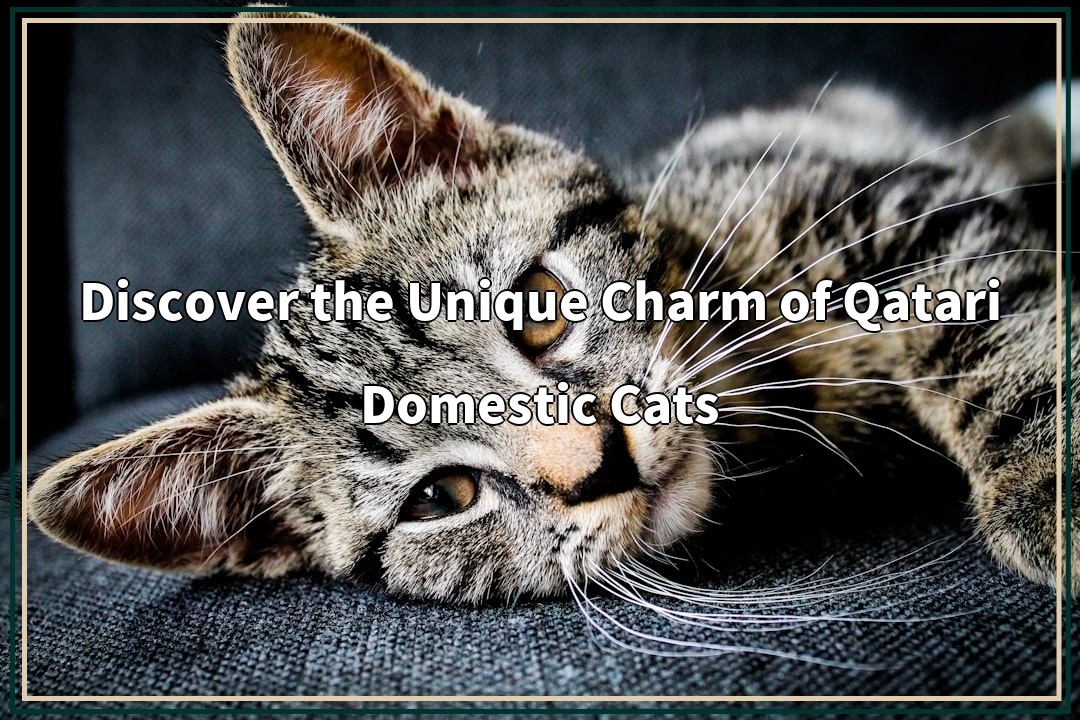
Unveiling the Allure of Qatari Domestic Cats
When one thinks of Qatar, images of luxurious skyscrapers, vast deserts, and rich cultural heritage often come to mind. However, nestled within this vibrant landscape is a unique and captivating aspect of Qatari life: the domestic cat. With a population of cats reportedly outnumbering humans in the country, these feline companions are not just pets; they are an integral part of the Qatari culture and lifestyle. The presence of cats in Qatar is so pronounced that they can be seen lounging in opulent villas, roaming the bustling streets, or even finding a cozy spot on a balcony. This fascinating relationship between Qatari people and their cats raises intriguing questions about the role of these animals in society and their significance in the hearts of the locals.
Understanding the Qatari Domestic Cat
The Qatari domestic cat, often referred to simply as the “Catar,” embodies a blend of resilience, adaptability, and charm that reflects the environment in which it thrives. Unlike specific breeds that are recognized globally, the Qatari domestic cat represents a diverse mix of feline characteristics shaped by the region’s unique climate and cultural practices. These cats are typically medium-sized, with a variety of coat colors and patterns, showcasing the genetic diversity that comes from generations of natural selection and human interaction.
Originating from the ancient domestication of cats in the Middle East, the Qatari domestic cat has a rich history that intertwines with the development of human civilization in the region. Cats were revered in ancient cultures for their ability to control pests, and this practical role has evolved into a cherished companionship in modern Qatari households. The cultural significance of cats in Qatar is profound; they are often seen as symbols of good fortune and are treated with respect and care. This reverence is evident in the way many Qatari families incorporate cats into their daily lives, providing them with comfortable living spaces and even pampering them with gourmet food and toys.
In terms of physical characteristics, Qatari domestic cats can vary widely. They may exhibit short or long fur, with colors ranging from solid black and white to tabby patterns and calico mixes. Their eyes can be striking, often showcasing vibrant hues that add to their overall appeal. The adaptability of these cats to the harsh desert climate is remarkable; they have developed traits that allow them to thrive in both urban and rural settings. Their agility and keen hunting instincts make them adept at navigating their environment, whether they are chasing after a toy or exploring the nooks and crannies of their surroundings.
As the population of cats in Qatar continues to grow, so does the awareness of their welfare and the importance of responsible pet ownership. Various organizations and individuals are dedicated to rescuing and caring for stray cats, ensuring that they receive the medical attention and love they deserve. This growing movement reflects a broader understanding of animal rights and welfare, highlighting the need for compassion and ethical treatment of all living beings.
In conclusion, the Qatari domestic cat is more than just a pet; it is a symbol of the rich cultural tapestry of Qatar. With their unique characteristics, historical significance, and the affection they receive from their human companions, these cats embody the spirit of the nation. As we delve deeper into the world of Qatari domestic cats, we uncover not only their charm but also the profound connection they share with the people of Qatar.

Distinctive Traits of Qatari Domestic Cats
The Qatari domestic cat, often referred to as the “Catar,” possesses a unique set of characteristics that set it apart from other feline breeds. These traits are not only a reflection of their genetic diversity but also a testament to their adaptability to the local environment. The cats in Qatar have evolved over generations, developing physical and behavioral traits that enable them to thrive in both urban and rural settings. This adaptability is crucial, given the extreme climate conditions of the region, which can range from scorching heat to cooler desert nights.
One of the most notable physical characteristics of Qatari domestic cats is their medium size, which allows them to be agile and nimble. They typically have a well-proportioned body, with strong legs that facilitate swift movements. Their fur can vary significantly in length and texture, ranging from short, sleek coats to longer, fluffier ones. This diversity in coat types is a result of the various genetic influences that have shaped the breed over time. The colors of their coats are equally varied, including solid blacks, whites, and browns, as well as striking tabby patterns and calico mixes. This wide range of appearances makes each Qatari domestic cat unique, contributing to their charm and appeal.
In addition to their physical traits, the behavior of Qatari domestic cats is equally fascinating. These cats are known for their friendly and sociable nature, often forming strong bonds with their human companions. They are playful and curious, traits that are essential for their survival in a dynamic environment. Many Qatari domestic cats exhibit a strong hunting instinct, which is a remnant of their ancestors’ need to catch prey. This instinct is often displayed through playful behaviors, such as pouncing on toys or chasing after small objects. Their intelligence and adaptability make them excellent companions, as they can easily adjust to various living situations, whether in a bustling household or a quieter setting.
The cultural significance of cats in Qatar also influences their characteristics. In many Qatari households, cats are treated with great respect and care, which can lead to a more affectionate and social demeanor. The positive interactions with humans contribute to their overall well-being and happiness, further enhancing their charming personalities. The unique blend of physical traits and behavioral characteristics makes the Qatari domestic cat a beloved companion in many homes across the country.
Essential Care and Health for Qatari Domestic Cats
Caring for a Qatari domestic cat involves understanding their specific needs, particularly in terms of diet and health. Providing a balanced and nutritious diet is crucial for maintaining their overall health and well-being. Qatari domestic cats require a diet that is rich in high-quality protein, as they are naturally active and need energy to support their playful behavior. A combination of dry kibble and wet food can help meet their nutritional needs, ensuring they receive adequate hydration and essential nutrients.
When selecting cat food, it is important to choose options that are specifically formulated for their age, size, and activity level. For instance, kittens require a diet that supports their rapid growth and development, while adult cats benefit from food that maintains their health and energy levels. Additionally, incorporating a variety of protein sources, such as chicken, fish, and lamb, can help keep mealtime interesting and appealing for your feline friend.
In terms of health, Qatari domestic cats are generally robust, but they are still susceptible to common feline health issues. Regular veterinary check-ups are essential for monitoring their health and addressing any potential concerns early on. Some common health issues that may affect Qatari domestic cats include obesity, dental problems, and parasitic infections. Obesity can be a significant concern, especially in indoor cats that may not get as much exercise. To prevent obesity, it is important to provide regular playtime and physical activity, along with portion control in their diet.
Dental health is another critical aspect of care for Qatari domestic cats. Regular dental check-ups and at-home dental care, such as brushing their teeth or providing dental treats, can help prevent periodontal disease and other dental issues. Additionally, keeping an eye out for signs of dental problems, such as bad breath or difficulty eating, can help catch issues early.
Parasites, such as fleas and ticks, can also pose a threat to the health of Qatari domestic cats. Regular use of preventive treatments and maintaining a clean living environment can help reduce the risk of infestations. Furthermore, vaccinations are vital for protecting against common feline diseases, and staying up-to-date with these vaccinations is essential for your cat’s health.
In summary, understanding the distinctive traits and essential care requirements of Qatari domestic cats is crucial for ensuring their health and happiness. By providing a balanced diet, regular veterinary care, and a loving environment, you can help your feline companion thrive in the vibrant culture of Qatar.

Embracing Life with Qatari Domestic Cats
Living with a Qatari domestic cat, or “Catar,” is an enriching experience that can bring joy and companionship to households. These cats are known for their sociable nature and adaptability, making them wonderful companions for families, individuals, and even other pets. Their friendly demeanor allows them to easily integrate into various living situations, from bustling homes filled with children to quieter environments where they can bask in the sun and enjoy a peaceful existence.
One of the standout characteristics of Qatari domestic cats is their compatibility with families. They are typically affectionate and enjoy human interaction, often forming strong bonds with their caregivers. This trait makes them great companions for children, as they tend to be playful and tolerant of gentle handling. The playful nature of these cats means they enjoy engaging in activities like chasing toys, playing hide and seek, or even participating in family games. Their playful antics can bring laughter and joy to any household, fostering a lively atmosphere.
When it comes to other pets, Qatari domestic cats are usually adaptable and can coexist peacefully with various animals. However, introductions should be managed carefully to ensure that all pets feel comfortable and secure. Providing a safe space for each pet during the introduction phase can help ease any tension and promote a harmonious living environment. The social nature of these cats often leads them to seek companionship from other animals, making them more likely to engage in friendly interactions with dogs or other feline friends.
Activity needs are another essential aspect of living with Qatari domestic cats. These cats are generally active and require regular physical and mental stimulation to keep them happy and healthy. Engaging them in playtime is crucial, as it not only helps them expend energy but also strengthens the bond between the cat and its owner. Interactive toys, feather wands, and laser pointers are excellent tools for encouraging play and exercise. Additionally, providing climbing structures, such as cat trees or shelves, allows them to indulge in their natural instincts to climb and explore.
Beyond physical play, mental stimulation is also vital for Qatari domestic cats. Puzzle toys that dispense treats or toys that require problem-solving can keep their minds sharp and engaged. Rotating toys regularly can help maintain their interest and excitement, ensuring that they remain mentally stimulated. The combination of physical and mental activities can prevent boredom, which can lead to behavioral issues or health concerns such as obesity.
Your Questions Answered: Qatari Domestic Cats
As the popularity of Qatari domestic cats grows, so does the curiosity surrounding their care and characteristics. Here, we address some frequently asked questions to help potential owners understand these charming felines better.
1. What is the temperament of Qatari domestic cats?
Qatari domestic cats are generally known for their friendly and sociable nature. They are affectionate towards their human companions and often enjoy being involved in family activities. Their playful demeanor makes them excellent companions for children and adults alike.
2. How much exercise do Qatari domestic cats need?
These cats are active and require regular exercise to stay healthy. Engaging them in playtime for at least 20-30 minutes a day is recommended. Activities such as chasing toys, climbing, and interactive play help keep them physically fit and mentally stimulated.
3. Are Qatari domestic cats good with other pets?
Yes, Qatari domestic cats are typically adaptable and can coexist peacefully with other pets. However, it is essential to introduce them gradually to new animals, ensuring a comfortable environment for all. Their sociable nature often leads them to seek companionship with other pets.
4. What should I feed my Qatari domestic cat?
A balanced diet is crucial for maintaining the health of Qatari domestic cats. High-quality cat food that meets their nutritional needs is essential. Look for options rich in protein and formulated for their age and activity level. Regular feeding schedules and portion control are also important to prevent obesity.
5. What are common health concerns for Qatari domestic cats?
While Qatari domestic cats are generally robust, they can be prone to common feline health issues such as obesity, dental problems, and parasites. Regular veterinary check-ups, vaccinations, and preventive care are vital for keeping them healthy and addressing any potential concerns early on.
6. How can I keep my Qatari domestic cat mentally stimulated?
Mental stimulation is crucial for Qatari domestic cats. Interactive toys, puzzle feeders, and regular playtime can help keep their minds engaged. Rotating toys and introducing new challenges can prevent boredom and promote a healthy, active lifestyle.
In conclusion, embracing life with a Qatari domestic cat can be a rewarding experience filled with companionship, joy, and playfulness. By understanding their unique characteristics and addressing their care needs, you can create a loving and enriching environment for your feline friend.
