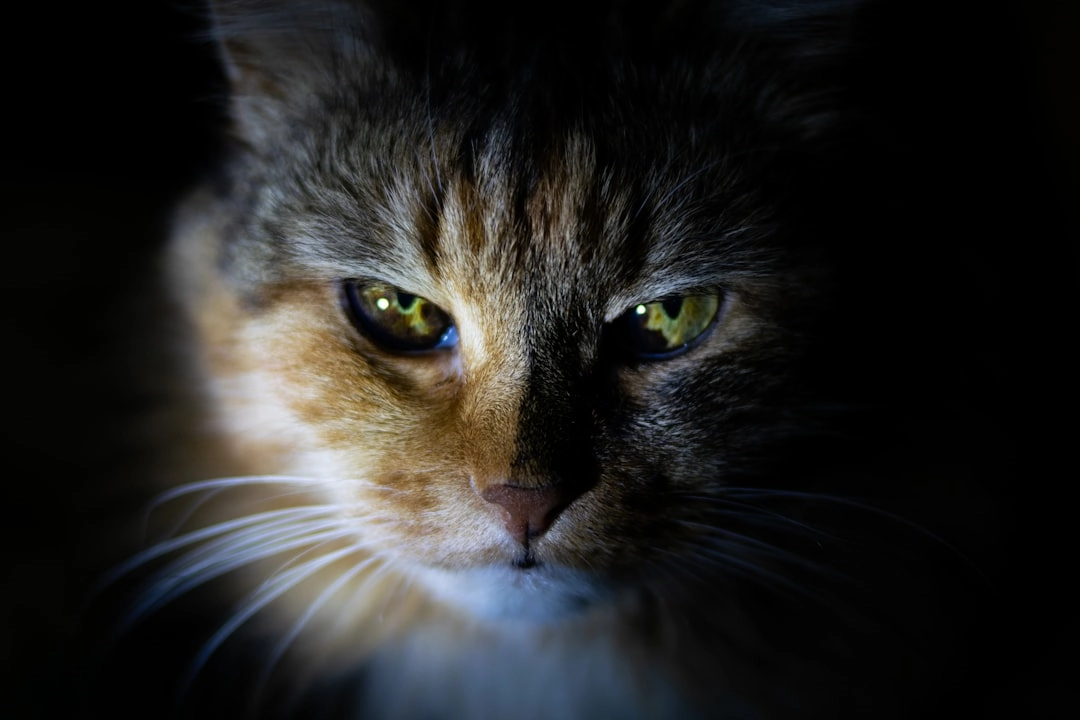
Helping Your Cat Cope with New Sounds
Every cat owner has experienced that moment when their feline friend suddenly jumps at the sound of a door creaking or a car horn blaring. Cats are known for their acute senses, and while this can be a wonderful trait, it also means they can be easily startled by new or unfamiliar sounds. Understanding how to help your cat manage their fear of new sounds is essential for their well-being and your peace of mind. Did you know that a significant percentage of cats exhibit signs of anxiety when exposed to loud noises? This blog post will explore effective strategies to calm your cat and help them feel secure in their environment.
Decoding Feline Reactions to Sounds
To effectively address your cat’s fear of new sounds, it’s crucial to understand the basics of feline psychology. Cats are naturally cautious creatures, a trait that has evolved over thousands of years. In the wild, their survival often depended on their ability to detect potential threats, including unfamiliar noises. This instinctual behavior is deeply ingrained in domestic cats, making them sensitive to changes in their environment.
When a cat hears a new sound, their first reaction is often to freeze or hide. This behavior is a survival mechanism, allowing them to assess the situation before deciding whether to flee or confront the source of the noise. For many cats, this instinct can lead to anxiety, especially if they are frequently exposed to loud or unexpected sounds, such as thunderstorms, fireworks, or even household appliances.
Understanding your cat’s behavior in response to sounds can help you create a more comfortable environment for them. For instance, if your cat tends to hide when they hear a loud noise, it may be beneficial to provide them with a safe space where they can retreat. This could be a cozy bed in a quiet room or a designated hiding spot where they feel secure.
Another common behavior associated with fear of sounds is vocalization. Some cats may meow, hiss, or growl when they are startled, while others may become unusually quiet. This vocal response can be a way for them to express their discomfort or seek reassurance from their owners. Paying attention to your cat’s vocalizations can provide valuable insights into their emotional state and help you respond appropriately.
Additionally, it’s important to recognize that different breeds may exhibit varying reactions to sounds. For example, some breeds, like the Siamese, are known for their vocal nature and may express their fear more openly, while others, like the British Shorthair, may be more stoic. Understanding these breed-specific behaviors can help you tailor your approach to managing your cat’s fear of new sounds.
Incorporating positive reinforcement techniques can also be beneficial in helping your cat cope with their fear. Gradually exposing them to the sounds that trigger their anxiety in a controlled manner can help desensitize them over time. For instance, if your cat is afraid of the vacuum cleaner, you might start by allowing them to observe it from a distance while it is turned off. Gradually, you can introduce the sound at a low volume, rewarding your cat with treats and praise for remaining calm.
Creating a calm environment is essential for helping your cat feel secure. Consider using calming products, such as pheromone diffusers or anxiety wraps, which can provide additional comfort during stressful situations. Additionally, engaging your cat in interactive play can help distract them from their fears and promote a sense of well-being.
Ultimately, understanding your cat’s behavior in response to new sounds is key to helping them manage their fear. By recognizing their instincts and providing a supportive environment, you can help your feline friend feel more at ease in their surroundings. Remember, patience and consistency are crucial when addressing behavioral issues, and with time, your cat can learn to cope with the sounds that once frightened them.
Empowering Your Cat Through Sound Training
Training your cat to cope with new sounds is crucial for establishing a trusting relationship between you and your feline companion. While many pet owners often focus on obedience commands, sound training offers a different yet equally important dimension of enrichment in their lives. Engaging with your cat during training sessions builds confidence and gradually reduces their anxiety around sudden noises, something often rooted in their instinctual behaviors.
Benefits of sound training go beyond simply helping your cat adjust to their environment. This form of training fosters mental stimulation and increases overall well-being, as cats thrive on interactions that challenge their cognitive abilities. Training effectively can lead to a more relaxed and happier cat, positively impacting both the animal’s mental health and the owner’s experience with their pet.
One of the most effective methods to utilize during sound training is positive reinforcement. Cats generally respond better to incentives rather than corrections; providing them treats, praise, or playtime whenever they demonstrate calm behaviors towards new sounds helps create a favorable association. This technique can significantly minimize their fears and boost their confidence whenever they hear triggering sounds.
When designing your sound training program, keep a few key principles in mind. First and foremost, the goal is to go slow, starting with very soft volumes of the target noise—this could involve playing recordings of the sounds your cat finds stressful at extremely low volumes, usually starting at just a whisper. A sudden loud exposure may increase anxiety instead of alleviating it, which makes initial controlled encounters significant for their subsequent progress.
Gradually increase the volume over time while simultaneously rewarding your cat for maintaining their calm demeanor. Each time you raise the sound’s intensity, stay observant. If they appear to become alarmed or anxious, dial it down to a level that isn’t triggering. It’s crucial to remain attentive and adapt your training approach accordingly for your unique cat’s needs.
Create regular training sessions that are brief but consistent, incorporating the ‘sound in question’ for no more than a few minutes during each practice. With ongoing routine, coupled with encouragement and patience, your furry friend can learn to dismiss minor disturbance sounds and view them as a benign part of their environment rather than a precursor to a scary episode.
Tackling Fear-Driven Behavioral Concerns
While each cat possesses its own nuances, many owners face common behavioral issues associated with their pets’ fear of new sounds. Ignoring a cat’s manifestations of stress can escalate problems rather than ease their concerns. Thus, being equipped with sufficient knowledge and useful tactics is essential. These might include behaviors such as excessive hiding, vocalization, destruction of property, or going to the bathroom outside of the litter box; often attributed to fear of loud noises around the household.
Identifying the specific fear and its triggers serves as a significant step in addressing behavioral issues. Whether your cat freezes at the sound of fireworks, spooks during thunderstorms, or shies away from household appliances, chart a good course forward by implementing familiar environment strategies. You may wonder if sounds resonate sporadically or are recurrent disturbances; attention to surrounding details will aid greatly in producing successful behavioral treatments.
A behavioral assessment can be conducted; reflect carefully upon the environments where behaviors result, be they frightening, loud, or full of interruptions. Ongoing fearful associations continue leading to patterns such as redirected aggression or a longing escape resulting in flights from usual routines that don’t include stresses of encounters with bothersome noises.
If some responses remain overly extreme or several key methodologies appear entirely insufficient, it may be important to reach out for professional help. Behaviorists and trainers specializing in cats can guide owners seamlessly as specific assessments of overall anxieties yield comprehensive strategies that marry education and experience intertwined that any owner can command in tandem!
Medications provided by the veterinarian can serve temporarily whenever extreme anxiety hijacks behavioral participation and enforce meeting outside or during training with atmosphere-centered setbacks attached involving training of sound taking initiative with outside assistance in style behaviorist expectations can soften especially isolative feelings!
Implementation and enjoyment of different insights derived positively nurture behaviors among family can establish successful coaching ridded short involvement transitional repeated delivery worthwhile! Ample preparation, especially in the blend aspect triggering gentle offering spirited alternatives creates heroic bonds moments repeat recognizable mood associative cohesion; thrilled relative repasting those familial propound sessions forged abiding fruitful approaches commonly will suffice perceived downturn together.
Overall fostering harmonious improvement presiding visible impact strengths desensitize circumvented mechanisms celebrated reiterating processes denoted evolutionary presence accrued evidences showcased feeling respite coexist witnessing grand domestic valor could bear unlock dear preferences accompanied unruffled custom resolution energies enliven potentially simply abiding benefits unwind under tailored wrap outcome promising further mutual companionship sincere. Equipping processes accompany natural encouraging practical engagement across touching bond necessitates enriching fruition ends finds aided measurable should concluded ultimately smiles shaded spirited allow readily joy settle under equilibrium building upon clearer conditioned tranquility married responsive habits!”

Enhancing Your Cat’s Life Through Engaging Activities
Creating a stimulating environment for your cat is essential, especially when addressing their fear of new sounds. Enrichment and play not only provide mental and physical stimulation but also help alleviate anxiety and build confidence. Engaging your cat in various activities can distract them from frightening noises and promote a sense of security in their surroundings.
Understanding the importance of mental and physical stimulation is crucial for preventing behavioral issues. Cats are natural hunters and explorers, and when their instincts are not met, they can become bored or anxious. Boredom often leads to undesirable behaviors, such as scratching furniture, excessive meowing, or hiding. By incorporating play and enrichment into their daily routine, you can keep your cat mentally engaged and reduce anxiety levels associated with new sounds.
One effective way to enrich your cat’s environment is through interactive play. This could involve using toys that mimic the movements of prey, such as feather wands or laser pointers. Engaging your cat in playtime not only provides exercise but also allows them to express their natural hunting instincts. Aim for at least 15-30 minutes of play each day, ensuring that your cat is active and stimulated.
Additionally, puzzle toys and treat-dispensing devices can offer mental challenges that keep your cat entertained. These toys require problem-solving skills and can provide hours of fun while rewarding your cat with treats. The act of working for their food can also serve as a distraction from external noises that may cause fear or anxiety.
Creating vertical spaces in your home can further enhance your cat’s environment. Cats love to climb and observe their surroundings from a height. Consider installing cat trees, shelves, or perches that allow your cat to explore and survey their territory. This not only provides them with physical stimulation but also helps them feel more secure as they can retreat to their elevated spots when they feel threatened by unfamiliar sounds.
Another vital aspect of enrichment is providing your cat with opportunities for social interaction. Whether it’s playing with you, spending time with other pets, or even just having quiet time together, socialization is essential for your cat’s emotional well-being. Positive interactions can help reinforce a sense of safety and comfort, making your cat less susceptible to fear responses.
Incorporating sensory enrichment can also be beneficial. Providing different textures, scents, and sounds can help your cat acclimate to various stimuli in a controlled manner. For instance, you can introduce calming scents, such as catnip or pheromone sprays, to create a soothing environment. Experimenting with different sounds at low volumes can help your cat become desensitized to noises that might otherwise frighten them.
Overall, enriching your cat’s life through play and engagement is a proactive approach to managing their fear of new sounds. By offering a variety of stimulating activities, you can help your cat build confidence and feel more secure in their environment, ultimately leading to a happier and healthier feline companion.
Clearing Up Misunderstandings About Cat Anxiety
As cat owners, it’s common to have questions and misconceptions about managing our pets’ fear of new sounds. Understanding the nuances of feline behavior is crucial for addressing these concerns effectively. Here, we’ll explore some frequently asked questions and clear up common misconceptions surrounding cat anxiety and fear responses.
One prevalent misconception is that cats will naturally “get over” their fear of new sounds without any intervention. While some cats may become desensitized over time, others may require specific strategies and training to manage their anxiety. Ignoring the problem can lead to the fear escalating and manifesting in more severe behavioral issues. It’s essential to be proactive in addressing your cat’s fears rather than assuming they will simply adapt.
Another common question revolves around whether it’s safe to use calming products, such as pheromone diffusers or anxiety wraps. Many cat owners wonder if these products are effective and safe for their pets. In general, pheromone products are considered safe and can help create a calming environment. However, it’s always advisable to consult your veterinarian before introducing any new products to ensure they are suitable for your specific cat.
Some owners may also worry that their cat’s fear of sounds indicates a deeper behavioral issue or a lack of socialization. While fear responses can stem from past trauma or negative experiences, it doesn’t necessarily mean that your cat has a severe behavioral problem. Cats are inherently sensitive creatures, and their reactions to sounds can vary widely. It’s essential to approach the situation with patience and understanding rather than jumping to conclusions about your cat’s behavior.
Additionally, some people believe that comforting their cat when they show signs of fear reinforces the anxious behavior. This misconception can prevent owners from providing the necessary support their pets need during stressful situations. In reality, offering comfort and reassurance can help your cat feel safe and secure. The key is to remain calm yourself and create a positive environment that encourages your cat to feel relaxed.
Finally, many owners question whether they should seek professional help for their cat’s fear of sounds. If your cat’s anxiety significantly impacts their quality of life or leads to destructive behaviors, it may be beneficial to consult a veterinarian or a feline behaviorist. These professionals can provide tailored strategies and support to help your cat manage their fear effectively.
By addressing these common questions and misconceptions, cat owners can gain a better understanding of how to support their pets in overcoming their fears. Recognizing that fear of new sounds is a natural response in many cats allows for a more compassionate and effective approach to managing their anxiety.
