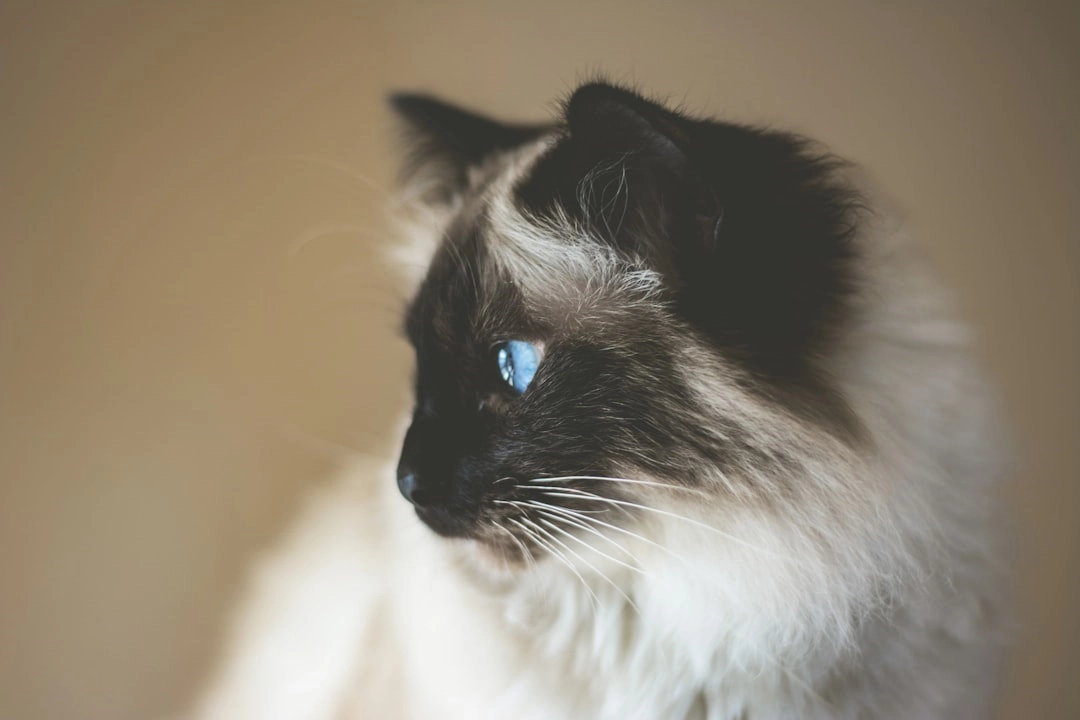
Exploring Safe Objects for Your Curious Cat
As cat owners, we often find ourselves marveling at the inquisitive nature of our feline friends. Cats are naturally curious creatures, driven by their instincts to explore their surroundings. This exploration is not just a pastime; it is essential for their mental and physical well-being. However, ensuring that the objects they interact with are safe is crucial for their health and happiness. In this blog post, we will delve into the fascinating world of cat exploration, focusing on safe objects that can stimulate their curiosity while keeping them out of harm’s way.
Did you know that cats have a unique way of exploring their environment? Unlike dogs, who may rely more on their sense of smell, cats utilize their keen eyesight and tactile senses to investigate their surroundings. This behavior is rooted in their evolutionary history as hunters, where being observant and cautious was key to survival. Understanding this instinctual behavior can help us create a safe and enriching environment for our cats, allowing them to explore without the risk of injury or exposure to harmful substances.
Decoding Feline Curiosity: Understanding Cat Behavior
To create a safe exploration environment for our cats, it is essential to understand their natural instincts and behaviors. Cats are known for their playful and curious nature, which can manifest in various ways. From pouncing on a toy to investigating a new box, these behaviors are not just for entertainment; they serve a purpose in their development and well-being.
One of the most common behaviors observed in cats is their tendency to knead. This action, often referred to as “making biscuits,” involves a cat pushing its paws in and out against a soft surface. Kneading is a comforting behavior that originates from kittenhood when they kneaded their mother’s belly to stimulate milk flow. Adult cats continue this behavior as a way to express contentment and mark their territory with scent glands in their paws.
Another typical behavior is scratching, which serves multiple functions. Cats scratch to sharpen their claws, stretch their muscles, and mark their territory. Providing appropriate scratching posts and pads can help satisfy this instinct while protecting your furniture. Understanding these behaviors allows cat owners to provide suitable outlets for their cats’ natural tendencies, ensuring a harmonious living environment.
Additionally, purring is a behavior that many cat owners cherish. While often associated with contentment, purring can also indicate stress or discomfort. Cats may purr when they are in pain or feeling anxious, so it is essential to pay attention to the context in which the purring occurs. By observing your cat’s body language and vocalizations, you can better understand their emotional state and respond accordingly.
Moreover, cats exhibit a range of breed-specific behaviors that can influence their exploration habits. For instance, Siamese cats are known for their vocal nature and social tendencies, often seeking interaction with their owners. In contrast, Maine Coons are typically more laid-back and enjoy leisurely exploration. Recognizing these differences can help you tailor your approach to your cat’s needs, ensuring they have a safe and enriching environment to explore.
In conclusion, understanding feline behavior is key to providing a safe and stimulating environment for your curious cat. By recognizing their natural instincts and behaviors, you can create a space filled with safe objects that encourage exploration and play. This not only keeps your cat entertained but also promotes their overall well-being, allowing them to thrive in their home environment.
Nurturing Curious Minds: A Guide to Training Kittens
Training our feline companions is vital not only for their safety but also for enhancing the bond between pets and owners. Cats, unlike dogs, may seem less eager to please or follow commands; however, this does not mean they aren’t capable of learning. Feline training can transform your house into a harmonious environment, making it essential for both pets and owners. Successful training ensures that your curious kittens navigate their environment in ways that safeguard them while allowing them to express their innate curiosity.
One of the most significant benefits of training is behavioral enrichment. Cats, especially kittens, thrive when challenged mentally. Implementing basic commands like ‘sit’ or ‘stay’ keeps their minds active and engaged. This constant stimulation can prevent common behavioral issues related to boredom, such as scratching furniture or excessive meowing. Interestingly, proper training allows your kitten to become more adaptable to new experiences, facilitating smoother transitions when introduced to new environments or changes in household dynamics.
Moreover, the bonding experience during training can strengthen your connection with your furry friend. Cats can learn to associate training sessions with fun, creating positive interactions between you. Incorporating treats, praise, and play during training transforms it into a rewarding experience rather than a chore. This encourages positive behavioral developments, assuring both you and your pet enjoy the process. One effective principle is the notion of positive reinforcement, where desirable behaviors are rewarded immediately, making it more likely that the behavior will be repeated.
A step-by-step training approach can prove beneficial. Start with a quiet environment with minimal distractions. Use short sessions (5-10 minutes) to maintain the kitten’s attention. Initially, introduce simple commands and accompany each with a distinct hand signal to create a visual association. For instance, if you’re teaching ‘sit,’ gently press down on their rear while saying the command, rewarding them with a treat upon execution.
Consistency is key in reinforcing positive behavior. Thus, everyone in the household should be on the same page regarding training protocols. Simultaneously, it’s essential to respect each kitten’s individuality; not all will respond at the same pace. An over-eager trainer could induce stress in their furry companion, reverting enthusiasm into anxiousness, jeopardizing the training experience.
Understanding and Resolving Feline Behavioral Challenges
Despite our best training efforts, there may be moments where we face behavioral challenges with our curious kittens. Various issues ranging from aggression towards others, over-grooming, litter box aversion, or obsessive meowing can surface. Observing their behavior is crucial: their body language often conveys if something isn’t right. Attention to their instincts and the environments in which these issues arise is a crucial first step. Unaddressed issues often link back to inadequate stimulation or feelings of insecurity within their environment.
Perhaps the most common concern for owners is cats failing to use litter boxes properly. Litter box issues could arise from various factors: cleanliness, changes in your cat’s health, or the specific type of litter being used. Often, a dirty litter box induces feelings of insecurity, prompting your cat to seek out more suitable bathroom options. Trying different boxes (like an open concept versus covered ones), new brands of litter, or altering the location of the litter box could assist in discerning your cat’s preference.
If the issue revolves around aggression, ensure to have open dialogues with family members regarding management strategies. Stress management might mean removing stressors from their immediate environment, leading to continuous triggers that evoke aggressive tendencies. Additionally, spaying or neutering your pet can address territorial instincts that stem from potential hormonal factors, particularly among intact felines.
Consider consulting a feline behaviorist or veterinarian when trying to change persistent or severe behaviors. An in-depth evaluation might reveal underlying issues that require professional assistance. Signs such as unpredictable aggression, constant hiding, or failure to eat may indicate psychological struggles necessitating advanced solutions beyond general training techniques.
Moreover, integrating enrichment products can circumvent boredom often leading to behavioral inconsistencies. Puzzle feeders, various interactive toys, and climbing structures can divert your cat’s excess energy into satisfying modes of exploration, reducing tendencies to exhibit destructive behavior. Mental stimulation not only calms typical exploratory natures but also contributes to better-composed house cats.
Dealing with challenging behaviors boils down to patience and commitment. Understanding feline behaviors cultivates an empathetic approach in addressing concerns collaboratively. By melding structured training techniques with actionable behavioral insights, feline caretakers can explore safe object exploration while attending to specific behavioral challenges head-on. Training also serves as a gratifying opportunity for enhanced bonding between owner and pet, intertwining personal enjoyment alongside further understanding into the captivating world of feline instinct.

Enhancing Curiosity: The Role of Play and Enrichment
Creating an environment that fosters curiosity in kittens is essential for their development and well-being. Engaging in enrichment activities and play not only provides mental stimulation but also ensures that your feline friend remains physically active. Kittens, with their innate desire to explore, require various forms of enrichment to satisfy their natural instincts and keep them out of trouble.
The importance of mental and physical stimulation cannot be overstated. Kittens that are mentally engaged are less likely to develop behavioral issues stemming from boredom, such as scratching furniture or excessive meowing. Providing a range of safe objects and toys can encourage exploration and creativity, leading to a more balanced and happy cat.
Playtime serves as a fundamental aspect of a kitten’s daily routine. During play, they can practice their hunting skills, which is a natural behavior inherited from their wild ancestors. This mimics their instinctual behaviors, allowing them to engage their senses and refine their motor skills. Toys that simulate prey, such as feather wands or laser pointers, can tap into this instinct, providing a safe outlet for their energy.
Additionally, interactive playtime with their owners strengthens the bond between cats and humans. This connection not only enriches the kitten’s life but also offers emotional benefits to the owner. Watching a kitten pounce and chase after a toy brings joy and laughter, making playtime an enjoyable experience for both parties. It is vital to engage in regular play sessions to maintain your kitten’s interest and prevent boredom.
Incorporating a variety of enrichment tools is key to keeping your kitten entertained. Puzzle feeders, for example, are excellent for stimulating their minds. These feeders require the kitten to work for their food, turning mealtime into an engaging challenge. This not only provides mental stimulation but also encourages slower eating habits, which can be beneficial for their digestion.
Creating vertical spaces in your home can also significantly enhance a kitten’s environment. Cats are natural climbers, and providing cat trees or shelves can allow them to explore different heights, satisfying their need for adventure. This exploration is crucial, as it mimics their instinctual behaviors and keeps them physically active.
Moreover, incorporating safe objects for exploration, such as cardboard boxes or paper bags, can provide endless entertainment. Kittens are naturally curious and will enjoy investigating new textures and hiding spots. Ensure that any objects they explore are safe and free from small parts that could be swallowed or harmful materials.
Finally, always monitor your kitten during playtime to ensure their safety. Remove any toys that show signs of wear and tear, as these could pose a choking hazard. Regularly rotating toys and introducing new items can keep the excitement alive and encourage continuous exploration. By fostering an enriching environment, you are setting the foundation for a happy, healthy, and curious kitten.
Debunking Myths: Common Questions About Cat Exploration
As curious cat owners, we often find ourselves inundated with questions and misconceptions about our feline companions. Understanding these common inquiries can help foster a more positive relationship with our pets while ensuring their safety during exploration.
One common misconception is that cats do not require much playtime or interaction. While it’s true that cats are more independent than dogs, they still thrive on social interaction and mental stimulation. Regular playtime is crucial for their physical and mental well-being. Engaging in daily play sessions helps fulfill their instinctual need to hunt and explore, preventing boredom-related behaviors.
Another frequently asked question revolves around the idea that all toys are safe for kittens. It is essential to choose toys specifically designed for cats, as many household items can pose hazards. For example, rubber bands, string, or small objects can be choking hazards or lead to gastrointestinal blockages if ingested. Always opt for toys made from safe materials and supervise your kitten during playtime to ensure their safety.
Some owners also wonder if they should limit their kitten’s exploration to prevent potential accidents. While it’s wise to create a safe environment, restricting a kitten’s natural curiosity can lead to frustration and behavioral issues. Instead, focus on kitten-proofing your home by removing hazards and providing safe spaces for exploration. By doing so, you can encourage your kitten to explore while minimizing risks.
Additionally, many people believe that kittens will outgrow their need for play and enrichment as they mature. In reality, cats of all ages benefit from mental and physical stimulation. Adult cats may require different types of enrichment compared to kittens, but the need for engagement remains. Providing varied toys and activities throughout their lives is essential to keep them happy and healthy.
Lastly, some owners might be unsure about the benefits of providing a multi-level environment for their kittens. Vertical spaces, such as cat trees or shelves, are not just for fun; they also promote physical fitness and mental stimulation. Cats enjoy climbing and surveying their territory from above, which helps satisfy their natural instincts. Providing these spaces can lead to happier, healthier cats who feel secure in their environment.
In summary, understanding the importance of enrichment and addressing common misconceptions about cat exploration can significantly enhance the lives of our feline companions. By providing safe objects, engaging playtime, and fostering a curious spirit, we create an environment that nurtures their instincts and keeps them healthy and happy.
