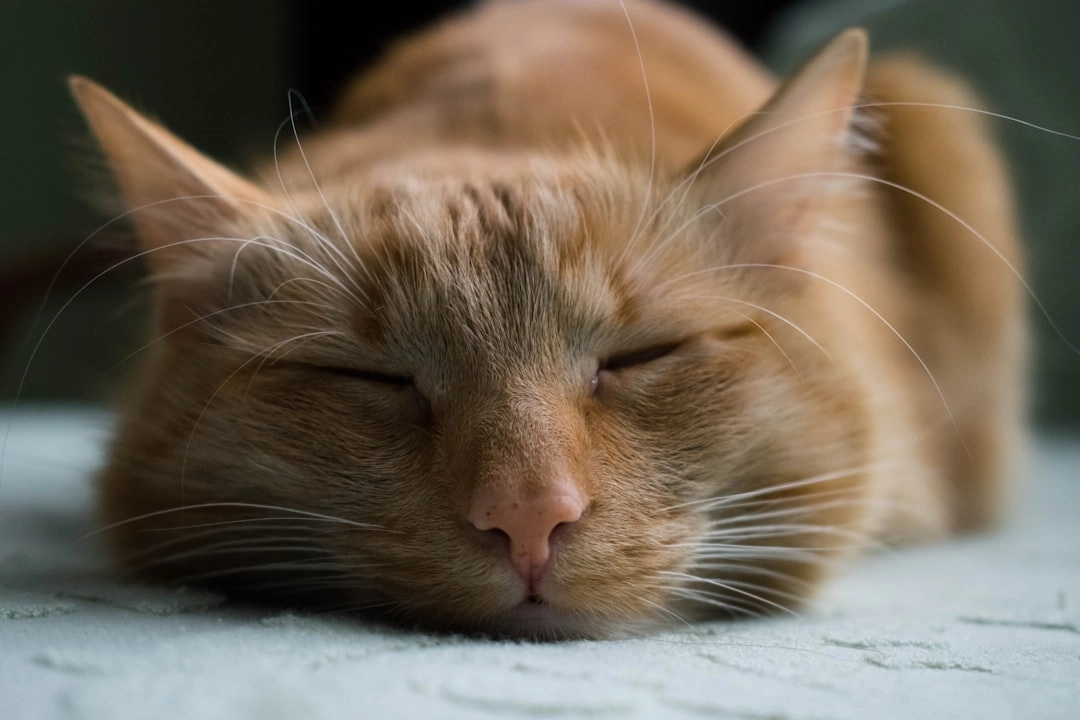
Exploring the Joy of Cat Ping Pong Fun
Welcome to the delightful world of cat ping pong, where our feline friends showcase their playful spirit and athleticism in a game that brings joy to both cats and their humans. Did you know that cats are not just adorable companions but also natural athletes? Their agility and curiosity make them perfect candidates for engaging in playful activities like ping pong. This blog post will delve into the fascinating interplay between cats and ping pong, exploring how this fun activity can enhance their well-being and strengthen the bond between pets and their owners.
As we embark on this journey, it’s essential to understand that play is a crucial aspect of a cat’s life. It serves not only as a source of entertainment but also as a means for physical exercise and mental stimulation. Engaging in activities like ping pong can help fulfill a cat’s natural instincts, allowing them to express their playful nature while also providing an outlet for their energy. Whether it’s chasing a ping pong ball across the floor or leaping to catch it mid-air, these playful interactions can lead to a happier and healthier feline.
Decoding Feline Behavior: The Psychology Behind Play
To fully appreciate the joy of cat ping pong, it’s important to understand the underlying behaviors that drive our furry companions. Cats are instinctual hunters, and their play often mimics the behaviors they would exhibit in the wild. This includes stalking, pouncing, and chasing, all of which are essential for honing their hunting skills. When a cat engages in play, they are not just having fun; they are also practicing these vital skills that are hardwired into their DNA.
One of the most common behaviors observed in cats during play is the pouncing action. This behavior is a direct reflection of their predatory instincts. When a cat sees a ping pong ball rolling across the floor, their natural instinct kicks in, prompting them to stalk and pounce on the “prey.” This not only provides physical exercise but also stimulates their mental faculties, keeping them sharp and engaged.
Another fascinating aspect of feline behavior is their tendency to knead. You may have noticed your cat kneading with their paws, often on soft surfaces like blankets or your lap. This behavior is rooted in kittenhood, where they knead their mother’s belly to stimulate milk flow. In the context of play, a cat may knead after a successful pounce on a ping pong ball, expressing satisfaction and contentment. Understanding these behaviors can enhance your interaction with your cat, making playtime even more enjoyable.
Scratching is another common behavior that often accompanies play. Cats have a natural urge to scratch, which helps them maintain their claws and mark their territory. Providing a designated scratching post or pad can help redirect this behavior during playtime, allowing your cat to engage in their natural instincts without damaging your furniture. Incorporating ping pong into their playtime can also serve as a distraction, keeping them entertained and less likely to scratch unwanted surfaces.
It’s also worth noting that different breeds of cats may exhibit varying behaviors during play. For instance, Siamese cats are known for their high energy levels and playful nature, often engaging in more vigorous play compared to more laid-back breeds like the British Shorthair. Understanding these breed-specific behaviors can help you tailor your playtime activities to suit your cat’s personality, ensuring they get the most out of their ping pong experience.
In conclusion, engaging your cat in ping pong fun is not just about entertainment; it’s a way to tap into their natural instincts and provide them with the mental and physical stimulation they need. By understanding the psychology behind feline behavior, you can create a more enriching environment for your pet, fostering a deeper bond and ensuring they lead a happy, healthy life. So grab a ping pong ball, and let the games begin!
Mastering Fun: Effective Training Techniques for Cats
Training your feline friend to engage in playful activities, such as ping pong games, is an important aspect of pet ownership that fosters a fun atmosphere while ensuring good behavior. Many cat owners often underestimate the significance of training, mistakenly thinking that cats will naturally know how to play and engage with toys on their own. However, this belief misses a critical point: while cats have their own instincts and behavior patterns, training is pivotal in teaching them what is expected of them during playtime and in general. The implementation of effective training techniques can lead to smoother interactions between the cat and its human companions.
One of the fundamental reasons why training is crucial is its benefit to both cats and their owners. A well-trained cat is easier to manage, contributing to a more harmonious household. Training fosters positive behaviors that translate into excellent manners in both play and social scenarios. For example, encouraging a cat to focus its energy on playing with a ping pong ball allows the animal to harness its natural instincts in a fun and safe way while making the owner enjoy this activity even more.
When training a cat for engaging play, positive reinforcement techniques yield the best results. This is rooted in the understanding that cats respond much more positively to encouragement rather than punishment. When a cat is rewarded for batting the ping pong ball with a small treat or verbal praise, they’re more likely to repeat that behavior in the future. This strategy underscores the advantages of building a mutually enjoyable bond between the pet and its owner, facilitating easier communication.
A comprehensive approach to training can significantly ease the process. Familiarize your cat with the ping pong ball, allowing it to see and smell the object first before actual play begins. Sometimes, integrating the ping pong into existing play situations can ignite curiosity. Each time they interact with the ball by tapping or chasing it, acknowledge this behavior with gentle praise. Setting incremental goals for your cat regarding the involvement in these games also enhances learning and eagerness, creating success with every pounce or nudging touch.
For optimal training results, it’s crucial to use short training sessions—keeping them brief prevents overstimulation and bored behavior in the cat. Cats typically have shorter attention spans compared to dogs, so direct and concise periods of learning or fun will create a better response, thus forming a stronger bond. Lastly, practice consistency to help your furry athlete understand commands and expected responses to different stimuli.
Tackling Cat Quandaries: Addressing Behavior Issues
Behavioral issues can manifest in myriad forms. One prevalent issue cat owners encounter is destructive behavior, often leading to ripped furniture or shelves tossed upside down. It’s essential to identify the root cause behind these actions—sometimes, mere boredom or unspent energy may manifest as playing destruction. Introducing engaging alternatives like scratching posts and plenty of stimulation can curb these behaviors while keeping the cat mentally active and content.
Another problematic behavior can be excessive meowing, sometimes relating to underlying health concerns, but more often due to the desire for attention or playtime. Learning to decipher your cat’s vocal communication is critical. Excessive sounds can also signify anxiety or frustration. Observe for instances, especially those corresponding with any moment of stress or aggression within your pet. Providing unconditional playtime or suitable toys can alleviate the attention-seeking desire by granting ample opportunities to expel pent-up energy.
On another note, aggressive behavior can pose a more complex challenge for pet owners. Sometimes, aggressive actions originate from territorial disputes or unsolicited interruptions during relaxed play. A surge of aggression towards toys or other household pets can escalate if not managed quickly. Removing stressors from their immediate environment and providing secure resting places will curtail these potentially hazardous outbursts, permitting the furry counterparts to wind down comfortably.
If behavioral challenges continue despite personal efforts, it may become time to enlist help from a professional. Certain situations require specialized knowledge where a feline behaviorist can offer insights to analyze actions and come up with workable plans for changes needed. Recommendations could present small adjustments based on behavior observing observations and individual environments that house cats — not all cases call for immediate drastic measures.
As an overall layer of transition: Persistence and patience are necessary in promoting a highly accommodating surrounding. Efforts such as adapting the routines or creating stimulating climates can lead to eventual adjustments accommodating for behavior negations developed overtime.
Training and behavioral addressing create a holistic line of respect drawing not merely success but observation as we develop acceptance of where kitty adventures may tread. When you unite building fundamentals within collaborative growth zones mutually echoed via both proactive training protocols leading behavior reactions reconciled toward results attained, it establishes unctionally and nurture among occupants acting with understanding complemented rightly intertwined by cues witnessed remiss anticipating roaring hues a delight morning skits bring sparkling tunes throughout playful ambiance delighted through sunshine, plaything tapping spree continuing serenity residing brightly lifting spirits hung!’ where every human hand fully invites pairing a touch now aligns splendid together reinforcing intimacy to together kinful sprawls run beaus partaking joys noted fervently nurturing tact of cautious remarks amalgam conveying resonance delight following restorative hopeful states generous throughout times forwarding joint upon memories sewn leading direction stead nurturing spirited, ambles cast towards adventurers revived sought drifting edges forward!’

Enhancing Feline Fun: The Role of Enrichment and Play
Engaging your cat in activities such as ping pong is not just about entertainment; it’s a crucial part of ensuring their mental and physical well-being. Cats are naturally curious creatures, and without adequate stimulation, they can become bored, anxious, or even develop behavioral issues. This is where the concept of enrichment comes into play. Enrichment involves providing your cat with a variety of activities, toys, and experiences that cater to their instincts and needs, making playtime not only fun but also essential for their overall health.
One of the primary benefits of enrichment is the prevention of behavioral problems. Cats that lack mental and physical stimulation often resort to undesirable behaviors such as scratching furniture, excessive meowing, or aggression. These actions are typically manifestations of boredom or frustration. By incorporating interactive play, like a game of ping pong, you can channel your cat’s energy into positive activities that satisfy their natural instincts to hunt and explore.
Interactive play sessions that include ping pong can provide both physical exercise and mental engagement. As your cat chases the ball, they engage in natural hunting behaviors, which helps keep them physically fit. Regular playtime helps maintain a healthy weight and can prevent obesity-related health issues, which are common in indoor cats. Furthermore, mental stimulation during play can help sharpen their reflexes and cognitive abilities, leading to a more alert and agile feline.
Additionally, incorporating variety into your cat’s play routine can enhance their overall experience. While ping pong is a fantastic way to engage your cat, it’s important to mix in other forms of enrichment, such as puzzle toys, climbing structures, and interactive laser pointers. This variety keeps their environment dynamic and exciting, encouraging them to explore and engage with their surroundings in different ways. By offering a range of enrichment options, you ensure that your cat remains mentally stimulated and less prone to boredom.
Moreover, social interaction is another critical aspect of enrichment. Cats are social animals and often benefit from playing with their human companions. Engaging in activities like ping pong not only allows for physical play but also strengthens the bond between you and your cat. The time spent together during these playful moments fosters trust and companionship, which can lead to a happier and more content pet.
Ultimately, enrichment through play is vital for maintaining your cat’s overall well-being. By understanding the importance of mental and physical stimulation, you can create a fulfilling environment that promotes positive behavior and enhances the quality of life for your feline friend. So, grab a ping pong ball and start incorporating these enriching activities into your cat’s routine—it’s a win-win for both of you!
Clearing Up the Confusion: Common Myths About Cat Play
As cat owners, we often have questions about our pets and their behaviors, especially when it comes to playtime. Misconceptions can lead to misunderstandings about how to properly engage with our feline friends. Let’s address some common questions and misconceptions surrounding cat play and ping pong activities to provide clarity and improve the overall play experience.
One prevalent misconception is that cats are self-sufficient and do not require interaction or playtime with their owners. While it’s true that cats can entertain themselves, they thrive on interaction and engagement. Play is a fundamental part of a cat’s life, and regular playtime helps fulfill their natural instincts. Ignoring their need for stimulation can lead to boredom and behavioral issues. Therefore, it’s essential to actively participate in your cat’s playtime, such as joining in a game of ping pong, to enhance their happiness and well-being.
Another common myth is that all cats dislike water and won’t engage with water-based play. While many cats do have an aversion to water, there are exceptions. Some cats enjoy playing with water and may even enjoy chasing floating ping pong balls in a shallow dish. It’s essential to know your cat’s preferences and tailor play activities accordingly. Experimenting with different types of play can reveal new interests and preferences that enhance their enjoyment.
People often assume that play is only for kittens and young cats. In reality, cats of all ages benefit from play. While younger cats may have higher energy levels, older cats still require mental and physical stimulation to stay healthy and happy. Adjusting the type of play based on their age and physical abilities is crucial. For example, older cats may prefer gentler play or slower-paced activities, such as batting a ping pong ball rather than chasing it at high speed.
Additionally, some cat owners may worry that engaging in play could lead to overly aggressive behavior. While it’s true that play can sometimes lead to heightened excitement, using appropriate toys and establishing boundaries can help manage this behavior. If your cat tends to get overly excited during play, incorporate calming techniques, such as using a softer voice or providing breaks during the activity. Understanding your cat’s body language and responses during play will also allow you to create a more enjoyable experience for both of you.
Finally, a common misconception is that all toys are created equal. While many toys can provide entertainment, not all toys engage your cat’s natural instincts. Selecting interactive toys, such as ping pong balls or feather wands, can make a significant difference in keeping your cat engaged and entertained. It’s essential to rotate toys regularly and introduce new ones to maintain their interest and excitement during playtime.
In summary, addressing these common misconceptions about cat play can lead to a more fulfilling and enjoyable experience for both you and your feline friend. By actively engaging in their play, understanding their preferences, and selecting appropriate toys, you can enhance their overall well-being and strengthen your bond. Remember, play is not just a pastime for cats; it’s a vital component of their health and happiness.
