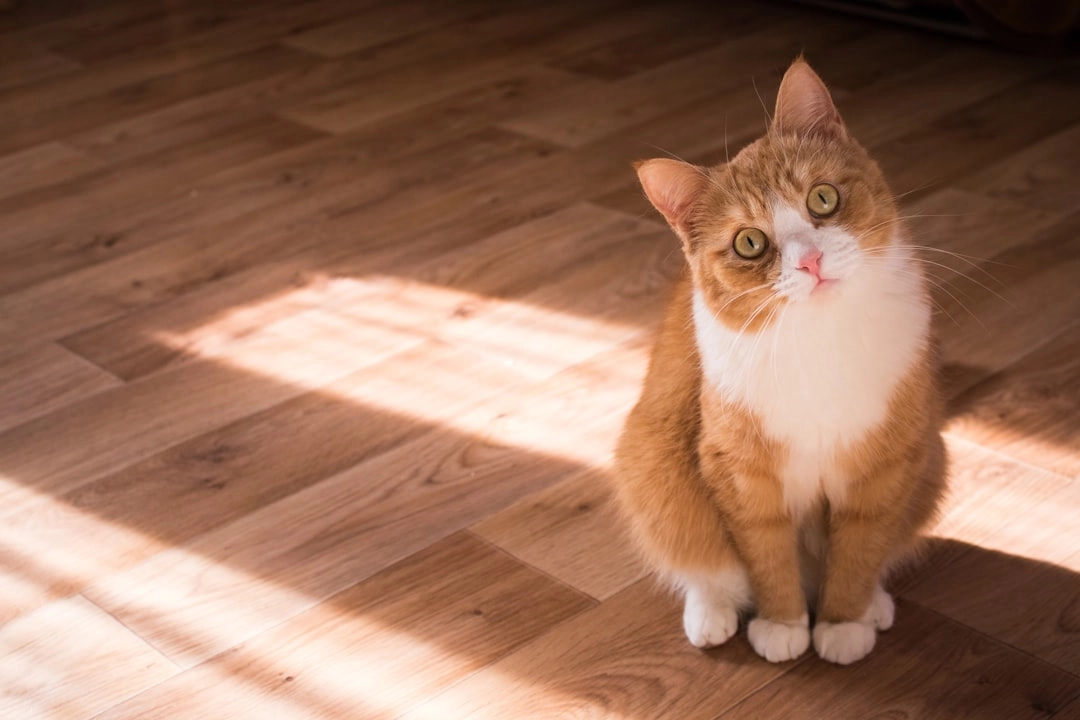
Creating a Safe and Engaging Play Environment for Cats
When it comes to our feline friends, ensuring their safety while allowing them to explore and play is a top priority for cat owners. Cats are naturally curious creatures, and their instinct to roam and explore can lead to both delightful discoveries and potential dangers. Did you know that a significant percentage of indoor cats experience behavioral issues due to lack of stimulation? This highlights the importance of creating a safe playtime environment that caters to their natural instincts while keeping them secure. In this blog, we will delve into the essentials of cat playtime, focusing on safe roaming practices that promote happiness and well-being for our beloved felines.
Decoding Feline Behavior: Insights into Your Cat’s Mind
Understanding the behavior of cats is crucial for providing them with a fulfilling and enriching environment. Cats communicate through a variety of behaviors, and recognizing these signals can help owners better cater to their needs. One of the most fascinating aspects of feline behavior is their natural instincts, which have been honed over thousands of years of evolution. For instance, cats are both predators and prey, which influences their play behavior significantly. They often engage in stalking, pouncing, and chasing during playtime, mimicking the hunting techniques they would use in the wild.
Common behaviors such as purring, kneading, and scratching are also essential to understand. Purring is often associated with contentment, but it can also indicate pain or distress in some cases. Kneading, where cats push their paws in and out against a soft surface, is a comforting behavior that originates from kittenhood when they knead their mother’s belly to stimulate milk flow. Scratching serves multiple purposes: it helps cats maintain their claws, marks territory, and provides a good stretch for their muscles.
Moreover, different breeds exhibit unique behaviors that can influence how they interact with their environment. For example, Siamese cats are known for their vocal nature and social tendencies, while Maine Coons are often more laid-back and enjoy a gentle play style. Understanding these breed-specific traits can help owners tailor their playtime activities to suit their cat’s personality, ensuring a more enjoyable experience for both the pet and the owner.
Creating a safe play environment involves recognizing these behaviors and providing appropriate outlets for them. For instance, incorporating climbing structures, scratching posts, and interactive toys can help satisfy a cat’s natural instincts to climb, scratch, and hunt. Additionally, ensuring that the play area is free from hazards, such as toxic plants or small objects that could be swallowed, is essential for keeping your cat safe while they explore.
In conclusion, understanding feline behavior is key to creating a safe and engaging playtime experience for your cat. By recognizing their natural instincts and providing appropriate outlets for their energy, you can foster a happy and healthy environment that allows your feline friend to thrive. Remember, a well-stimulated cat is a happy cat, and ensuring their safety while they roam and play is a responsibility that every cat owner should embrace.
Essential Training Techniques for a Happy, Well-Adjusted Cat
Training your cat is an integral part of providing a harmonious home environment. While many people associate training exclusively with dogs, the principles of training also apply to cats, allowing them to learn desired behaviors while enhancing the bond between pet and owner. Understanding how to properly train a cat can offer both immediate rewards and long-term benefits for both the pet and the owner, leading to a satisfying and enriching life for your feline companion. Proper training addresses safety, enrichment, and integration within the home, making every moment spent with your cat more enjoyable.
One of the primary benefits of training cats is enhancing their safety. Teaching commands such as “come,” “stay,” or “no” can prevent dangerous situations. For instance, ensuring your cat responds when called can help avert crises—like running into traffic or exploring hazardous areas—when their curiosity takes over. Additionally, proper litter box training provides crucial socialization that helps them adapt comfortably within an indoor environment, aiding owners in avoiding accidents and fostering cleanliness.
Another notable benefit to training is that it fosters mental stimulation and reinforces the bond between you and your pet. Cats possess a wealth of intelligence but may lack focused outlets for that intelligence. Positive reinforcement techniques not only aid in learning desired behaviors but also elevate the level of interaction between you and your cat, thereby enriching their overall experience. Play, treats, and praise become rewards that encourage cooperative and acceptable behaviors, channeling their playful spirit into a positive direction.
The key to any successful training regimen lies in the understanding of basic training principles. Much like human learning, pets retain skills better through experiences that feel enjoyable rather than forced. In this regard, positive reinforcement is vital. Reward-based training utilizes treats, praises, and toys as incentives whenever your cat responds favorably to cues or completes tasks accurately. This kind of interactive approach not only spurs your pet’s success in mastering skills but establishes a trusting and loving dynamic—turning routine training into treasured bonding moments.
Implementing a step-by-step guide for practical training sessions can lay the groundwork for more success down the line. First and foremost, selecting an environment conducive to concentration—a quiet room with minimal distractions—will yield better focus for your feline friend. Begin with basic commands and in manageable sessions (around 5 to 10 minutes, ideally a couple of times a day). When the training command or trick is achieved, demonstrate immediate rewards while offering praise in a friendly tone, as this psychological motivation leads to greater engagement with tasks. As time progresses and the fundamentals are understood, you can progressively up the ante with complex commands.
Effective Solutions for Common Cat Behavior Problems
No matter how carefully you’ve trained, every cat occasionally exhibits unwanted behaviors that may stem from a variety of sources—stress, environmental changes, boredom, or innate feline instincts manifest as marking territory through scratching, avoiding the litter box, or anxiety-related behaviors such as excessive grooming. Addressing these behavioral issues promptly and effectively helps develop a long-term strategy for a balanced lifestyle for your kitty.
Common challenges can be addressed with insightful solutions. For instance, if your cat is displaying unusual urination habits outside the litter box, conducting a check-up with the veterinarian is necessary. Once health-related issues are ruled out, re-evaluate litter box placement, cleanliness, and even box-type alternatives to determine optimal conditions for each unique cat’s preferences. Implementing multiple boxes, each located at a distance from one another, caters to territorial instincts in multi-cat homes.
Feline scratching can often appear problematic, but effective alternatives will redirect such impulses. Investing in various types of scratching posts in favored spots within your home should steer away from furniture scraping. Encouarge usage of posts by anointing them with appealing scents or catnip, allowing for healthier outlet channeling. If your cat resort to stress grooming during busy periods in your household, integrating elements to calm your cat, whether through interactive toys or period furniture rearrangements, should help alleviate increasing anxiety levels.
If behavioral concerns grow contentious despite early efforts of modification, reconsidering enlistment of professionals—like accredited pet trainers or feline behaviorists—is prudent. Problematic behaviors neglected may deepen while causing each pet owner additional concern and pressure. A therapist trained in feline behavior will impart techniques tailored to your needs alongside educational strategies surrounding common attitudes essential for deeper comprehension of your cat’s psychological proclivities. It helps humans understand interactions to create fulfilled, balanced relationships moving forward.
Ultimately, both effective training and the understanding of behavioral issues are vital not only for building a happy coexistence but enriching lives for our feline companions that face today’s seemingly transient space. As with any journey that revolves around love, genuine affection is indeed highlighted when collaborations generate delightful journeys. Making sure to prioritize manners, acclimatizing approaches, and any modifications builds wonder for familiar shadows purr calmly at your hearth at day’s end.

Creating a Stimulating Environment for Your Cat’s Playtime
When it comes to ensuring that our feline companions lead happy and fulfilling lives, mental and physical stimulation through play is of paramount importance. Enrichment activities help cats explore their environment, engage their instincts, and ultimately prevent behavioral issues that may arise from boredom or frustration. A well-rounded play routine not only satisfies a cat’s natural urges but also enhances their quality of life, leading to healthier and happier felines.
Engaging your cat in various enrichment activities can prevent common behavioral problems, such as aggression, anxiety, and destructive behavior. Cats are naturally curious creatures, and when they are not provided with opportunities to explore, their instincts can manifest in unwanted ways. For example, a bored cat may resort to knocking over objects, scratching furniture, or exhibiting signs of anxiety, such as excessive grooming or hiding. By incorporating enrichment activities into their daily routine, you can effectively redirect their energy into more positive behaviors.
There are numerous ways to enrich your cat’s environment. One of the simplest methods is through interactive play. Using toys that mimic prey, such as feather wands or laser pointers, can provide mental stimulation and physical exercise. Cats love to stalk, chase, and pounce, so these types of toys allow them to engage in natural hunting behaviors while providing the exercise they need to stay fit. Additionally, rotating toys regularly keeps their playtime fresh and exciting, preventing them from losing interest.
Incorporating puzzle feeders is another excellent way to provide enrichment. These feeders challenge your cat to work for their food, turning mealtime into an engaging activity. This not only stimulates their mind but also encourages slower eating habits, which can be beneficial for their digestive health. Additionally, consider creating vertical spaces in your home with cat trees or shelves. Cats love to climb and observe their surroundings from above, providing them with a sense of security and territory.
Outdoor enrichment is also a fantastic option for many cats. If you have a secure outdoor space, consider allowing your cat to explore safely with supervision. Alternatively, leash training your cat can offer a new experience for both of you. Always ensure that any outdoor exploration is safe and secure, using harnesses specifically designed for cats to prevent escapes. Additionally, catios (enclosed outdoor structures) can provide a safe space for cats to enjoy the outdoors while being protected from potential dangers.
In summary, providing mental and physical stimulation through enrichment activities is essential for your cat’s well-being. By engaging in interactive play, using puzzle feeders, creating vertical spaces, and considering outdoor exploration, you can foster a happy, healthy, and well-adjusted feline companion. Remember, a stimulated cat is a happy cat, and investing time in their enrichment will pay off in the form of a closer bond and a more satisfying relationship.
Addressing Myths and Questions About Cat Playtime
When it comes to cat playtime and enrichment, there are several common questions and misconceptions that pet owners may have. Addressing these concerns is vital to ensuring that cats receive the best care possible while dispelling myths that could hinder their happiness and well-being.
One prevalent misconception is that cats are solitary animals and do not require interaction or playtime. While it is true that cats can be independent, they are also social creatures that thrive on interaction, both with humans and other animals. Engaging in playtime strengthens the bond between you and your cat, providing them with the attention and stimulation they crave. Cats that lack social interaction may exhibit signs of stress or boredom, which can lead to behavioral issues. Therefore, it’s essential to prioritize regular play sessions to foster a happy and healthy relationship.
Another common question revolves around the idea that all cats enjoy the same types of toys or play styles. Just like humans, each cat has its own unique preferences. Some may prefer interactive toys that allow for chasing and pouncing, while others may enjoy more passive activities like watching birds through a window. Observing your cat’s behavior and preferences will help you tailor their playtime to suit their individual needs. Experimenting with different toys and activities will help you discover what excites your cat the most.
Many pet owners also wonder about the appropriate duration of playtime for their cats. While each cat is different, most cats benefit from short, frequent play sessions throughout the day. Aim for at least 15-30 minutes of interactive play two to three times daily, but be attentive to your cat’s energy levels and interest. If they seem to tire quickly or lose interest, it’s important to respect their limits and not force them to play longer than they desire.
Additionally, some may question the need for outdoor play and exploration. While outdoor access can provide enriching experiences for many cats, it is essential to prioritize safety. Unsupervised outdoor access can expose cats to dangers such as traffic, predators, and disease. If you choose to allow outdoor exploration, consider leash training or building a catio to provide a safe space for your cat to enjoy nature without risks. Indoor enrichment, such as climbing structures and interactive toys, can also provide a fulfilling experience for indoor cats.
In conclusion, understanding the importance of playtime and enrichment for your cat is crucial to their overall well-being. By addressing common misconceptions and answering frequently asked questions, you can create a more enriching environment that fosters happiness and fulfillment for your feline friend. Remember, engaging in playtime is not just a luxury—it’s a necessity for a happy, healthy cat.
