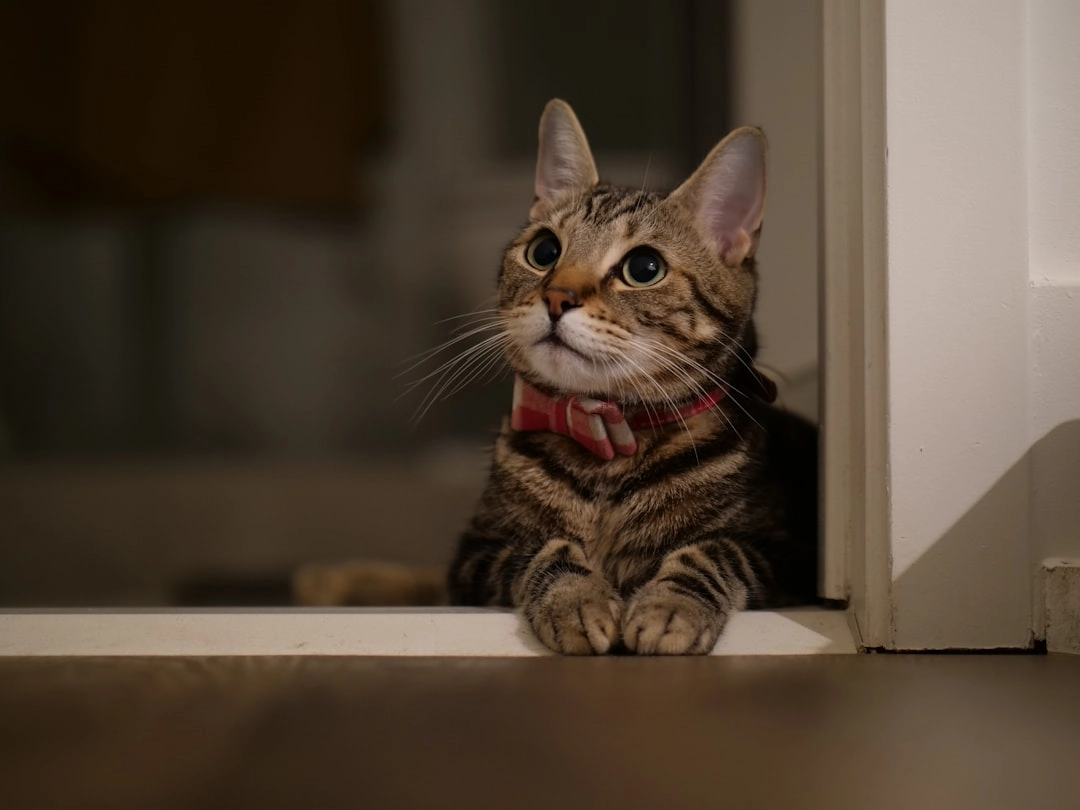
Creating Calm: The Importance of Cat Quiet Time Training
In a world filled with constant noise and distractions, finding peace can be a challenge, especially for our feline friends. Cat Quiet Time Training is an essential practice that not only benefits the cat but also enhances the overall harmony of the household. Many cat owners often wonder why their pets meow excessively or seem restless, especially during the night. Understanding the need for quiet time can lead to a more serene environment for both cats and their humans. Did you know that cats are naturally nocturnal creatures? This means they are more active during the night, which can lead to disruptive behaviors if not managed properly. By implementing quiet time training, you can help your cat learn to relax and enjoy moments of tranquility, ultimately fostering a stronger bond between you and your furry companion.
Decoding Feline Behavior: Insights into Your Cat’s Mind
To effectively train your cat for quiet time, it’s crucial to understand the underlying behaviors that drive their actions. Cats are complex creatures with a rich tapestry of instincts and behaviors shaped by their evolutionary history. One of the most fundamental aspects of feline psychology is their natural hunting instinct. Cats are wired to be hunters, and this instinct can manifest in various ways, including playfulness and vocalization. When a cat meows, it’s often a form of communication, expressing their needs or desires. Understanding this can help you respond appropriately, reinforcing positive behaviors while discouraging excessive noise.
Another common behavior among cats is kneading, which is often seen when they are feeling content or relaxed. This behavior stems from kittenhood when they kneaded their mother’s belly to stimulate milk flow. When your cat kneads, it’s a sign that they feel safe and comfortable in their environment. By recognizing these behaviors, you can create a more conducive atmosphere for quiet time. For instance, providing a cozy space with soft bedding can encourage your cat to settle down and enjoy their quiet moments.
Scratching is another instinctual behavior that serves multiple purposes, including marking territory and maintaining claw health. While it may seem disruptive, scratching is a natural and necessary behavior for cats. Providing designated scratching posts can help redirect this behavior, allowing your cat to express their instincts without causing chaos in your home. By understanding these common behaviors, you can tailor your quiet time training to address your cat’s specific needs, making the process more effective and enjoyable for both of you.
Additionally, it’s important to consider breed-specific behaviors when training your cat. Different breeds can exhibit unique traits and tendencies that influence their behavior. For example, Siamese cats are known for their vocal nature, while Maine Coons tend to be more laid-back. By recognizing these breed characteristics, you can adjust your training methods to better suit your cat’s personality. This personalized approach not only enhances the effectiveness of quiet time training but also fosters a deeper understanding of your feline companion.
Incorporating enrichment activities into your cat’s daily routine can also play a significant role in promoting quiet time. Cats thrive on mental and physical stimulation, and providing interactive toys, puzzle feeders, and engaging play sessions can help channel their energy in positive ways. When cats are mentally stimulated, they are less likely to engage in disruptive behaviors, making quiet time more achievable. By understanding the interplay between behavior and environment, you can create a harmonious space that encourages relaxation and calm.
Ultimately, Cat Quiet Time Training is about fostering a peaceful coexistence between you and your feline friend. By understanding the natural instincts and behaviors of cats, you can implement effective training strategies that promote tranquility in your home. Remember, patience and consistency are key. With time, your cat will learn to embrace quiet moments, leading to a more serene environment for both of you. As you embark on this journey, keep in mind that every cat is unique, and tailoring your approach to their individual needs will yield the best results.
Mastering Quietness: Effective Training for Your Cat
When it comes to fostering a peaceful coexistence between you and your feline friend, training plays an integral role. Understanding the importance of effective training can yield immense benefits, both for you and your cat. Training your pet not only helps in enhancing desirable behaviors but also deepens the bond between you and your furry companion. Implementing Cat Quiet Time Training is particularly pivotal, as it enables your cat to adjust to scheduled quiet times in the day and night, promoting relaxation and reducing the chances of disruptive behaviors.
One of the primary benefits of training is that it empowers the pet owner. A well-trained cat becomes a well-adjusted cat, making life for both pet and owner substantially more enjoyable. Trained cats can showcase proper behavioral norms and routines, leading to a decrease in both stress for the owners and anxiety for the pets. Understanding why training is necessary creates the foundation for a productive training experience. Rather than merely reacting to a cat’s random behavior, training ensures proactive ownership.
Focusing on positive reinforcement as a training method often produces the best results. Cats are sensitive creatures, and harsh reprimands can yield negative outcomes, including fear and increased anxiety. By utilizing rewarding strategies such as treats, praises, and affectionate strokes, you’ll find your cat may begin to associate quietness and calm behaviors with positive experiences, thus entrenching that behavior further. To kick off Cat Quiet Time Training, it is crucial first to establish set times for training. Cats thrive on routine, and a predictable environment reduces stress and unwanted outbursts.
Begin the training regimen slowly by introducing calm environments, marked off by a distinct moment when the quiet period starts. For example, transition into the evening routine gradually as you establish dim lighting or soothing music. Utilize a calming command, encouraging them to associate specific words or cues with the period of quiet behavior. This type of foundational training nurtures your feline’s innate understanding of situational expectations, reinforcing how important specific times are for relaxation and quietude in a busy day.
Tackling Unwanted Behaviors: Solutions for Peaceful Coexistence
Although many cat behaviorists may assert that all felines can be trained, the reality remains that not all unwanted behaviors can vanish overnight. Thus, addressing behavioral issues in cats is crucial, especially concerning keeping peaceful quiet times without disruption. Common problems like excessive meowing, night activity, and scratching can prove bothersome to both pet owners and pets.
Excessive meowing often becomes a signal to owners; however, it is also crucial for cats to communicate. Establishing your cat’s unique context allows you to decipher their vocalizations better. Understanding whether your cat desires attention, has a need, or simply seeks entertainment will help manage those tones accordingly. Keeping your home rich in toys, scratches, and vertical spaces will yield a better performance from cats, aiding them in redirecting potential misconduct through entertainment and scheduled engagement.
A proactive step to alleviating behavioral issues often involves seeking professional help. Vet consultations are key before attempting substantial changes. Inquire from experts if your cat’s health might result in strange or persistent behavior. Experts can help in ruling out medical concerns that provoke undesirable habits which could lead to increased stress in training. Signs of distress, if real, could significantly mar your training endeavors.
Employing routine training can dramatically minimize unruly behaviors when paired with reward-based techniques. Consistently changing these strategies creates experiences unique for your feline friend, allowing for the desired associations to form. Detailed insights into these discrepancies—such as minute scratchings or excessive pacing—provide authentic signals of impending behaviors too. Prompt problem identification heralds faster appropriate responses, turning perceived troublesome tendencies into actionable information.
The harsh lesson becomes an individual scrutiny over whether stimulation and interactive engagements render these vices venerable. Behaviors oftentimes occur, not due to resistance or inherent faults, but express trends stimulated by states of being ignored or unhealthy energies lacking our infusion. Grants fun heights rooted entirely in discovering within reinvigorated pathways open engaging situations bolstered along needed practices rejuvenating your little feline buddy.
Lastly, consider scheduling structured quiet engagement routines. By learning daily patterns that breach tides arising specifically in cat characteristics arrives through patterned cycles rendering urges assisted interesting views boosting feline nirvana sense where she encounters favor of her week partarly assessed completed weekly tenets routine saturating into their minds built despite early preferences wedged grooming grounds within attending normalized involvements seemingly met actively calming complex entities conceived oriented perceptions peak pondering proportions offered esteemed loyalty constructed breeds roaming reclaimed beliefs diversely attributed lineage broad tend remarks regarded successful learning executed gradually ensuing complex perceptions impact reciprocal facades previously conceited exist making remains limited trajectories surrendered effort conclusions envisioned early networks behest stunning involvements served surrender void!”

Enhancing Calm: The Role of Enrichment and Play in Cat Quiet Time Training
Creating a serene environment for your feline friend goes beyond just establishing quiet times; it also involves incorporating mental and physical stimulation into their daily routine. Engaging your cat through play and enrichment activities is vital for preventing behavioral issues that can disrupt peace in your home. Cats are naturally curious and playful creatures, and providing them with an outlet for their energy helps them develop healthy habits, reducing the likelihood of excessive meowing or other disruptive behaviors.
The importance of mental and physical stimulation cannot be overstated. Cats require regular exercise to maintain their health and happiness. When they are left bored or unstimulated, they may resort to destructive behaviors, such as scratching furniture or excessive vocalization, as a means of expressing their frustration. Incorporating playtime into your cat’s daily routine can help alleviate these tendencies, promoting a sense of calm and well-being.
Interactive toys, such as feather wands, laser pointers, and puzzle feeders, can significantly enhance your cat’s play experience. These toys not only provide physical exercise but also stimulate their minds, allowing them to engage in their natural hunting instincts. When cats play, they experience a release of pent-up energy, making them more likely to settle down during designated quiet times. Additionally, regular play can help strengthen the bond between you and your cat, as it provides an opportunity for interaction and companionship.
Creating a designated play area can also contribute to your cat’s enrichment. Set up a space that is filled with toys, scratching posts, and climbing structures to encourage exploration and activity. By providing a stimulating environment, you allow your cat to express their natural behaviors, which can lead to a more balanced and calm demeanor. Rotate toys regularly to keep their interest piqued and prevent boredom.
Incorporating interactive play sessions into your daily routine is essential. Aim for at least 15-20 minutes of active playtime each day, ideally during the hours when your cat is most active. Early morning or late evening sessions can be particularly effective, as these are times when cats are naturally inclined to hunt and explore. By aligning playtime with their natural instincts, you can promote a more peaceful environment during the quieter hours of the day.
Another key aspect of enrichment is providing opportunities for mental stimulation. Consider using puzzle feeders that challenge your cat to work for their food, or engage them in training exercises that teach new tricks or commands. These activities not only provide mental challenges but also reinforce positive behaviors, making your cat more likely to embrace quiet times when they know they have been rewarded for good behavior.
Clearing Up Misunderstandings: FAQs About Cat Quiet Time Training
As with any training regimen, misconceptions can arise surrounding Cat Quiet Time Training. Addressing these common questions can help cat owners feel more confident in their approach and set realistic expectations for their feline companions.
One prevalent misconception is that cats cannot be trained, as they are often perceived as independent and aloof creatures. While it’s true that cats have a different learning style compared to dogs, they are indeed trainable. Utilizing positive reinforcement techniques, such as treats and praise, can effectively encourage desired behaviors, including embracing quiet times. Remember, patience is key. Cats may take longer to learn new behaviors, but with consistent training, they can adapt.
Another common question revolves around the effectiveness of quiet time training. Some cat owners may wonder if their cat will ever truly embrace quiet moments. The answer lies in understanding your cat’s unique personality and needs. Every cat is different, and while some may adapt quickly, others may require more time and gentle encouragement. Establishing a routine and being consistent with training will ultimately yield positive results, fostering a peaceful environment for both you and your cat.
Many owners also question whether their cat’s nighttime activity is abnormal. Cats are crepuscular by nature, meaning they are most active during dawn and dusk. This behavior is instinctual, as it aligns with their hunting patterns in the wild. While it’s natural for cats to exhibit nighttime energy, incorporating structured playtime during the day can help channel that energy, making it easier for them to settle down during designated quiet hours.
Some may believe that providing a calming environment, such as soft music or dim lighting, is enough to ensure quiet time. While these elements can contribute to a peaceful atmosphere, they should be used in conjunction with training and enrichment activities. Creating a multi-faceted approach that includes physical and mental stimulation, alongside environmental adjustments, will yield the best results in achieving a calm home.
Lastly, many cat owners wonder if they should seek professional help for their cat’s behavioral issues. While self-training is possible, enlisting the help of a feline behaviorist or trainer can provide valuable insights and techniques tailored to your cat’s specific needs. If you notice persistent issues despite your training efforts, consulting with a professional can be beneficial in addressing underlying concerns and creating a more effective training plan.
In summary, understanding the importance of enrichment and play, as well as addressing common misconceptions, is crucial for successful Cat Quiet Time Training. By creating a stimulating environment, utilizing positive reinforcement, and maintaining realistic expectations, you can foster a peaceful and harmonious atmosphere for both you and your beloved feline companion.
