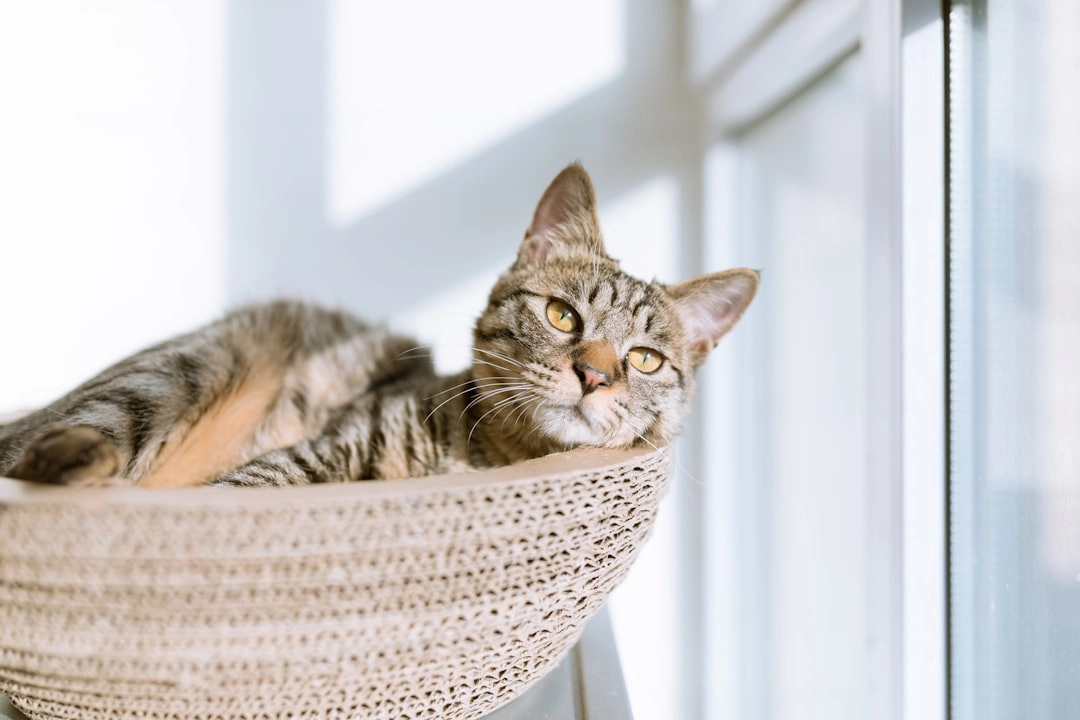
Exploring the World Safely: A Guide to Cat Adventures
When it comes to our feline friends, their natural curiosity often leads them to explore their surroundings in ways that can be both delightful and concerning for pet owners. Cats are known for their adventurous spirit, and understanding how to facilitate safe exploration is crucial for their well-being. Did you know that a significant percentage of indoor cats exhibit signs of boredom or anxiety due to a lack of stimulation? This can lead to behavioral issues that affect their health and happiness. Therefore, creating a cat-safe environment for exploration is not just a luxury; it’s a necessity.
In this guide, we will delve into the various aspects of cat-safe exploration, focusing on the types of objects that are safe for your cat to interact with, how to encourage safe exploration, and the importance of enriching their environment. By understanding the dynamics of feline behavior and providing appropriate outlets for their curiosity, you can ensure that your cat enjoys a fulfilling and safe adventure in your home.
Decoding Feline Curiosity: Understanding Cat Behavior
To create a safe environment for your cat’s exploration, it’s essential to first understand their natural instincts and behaviors. Cats are inherently curious creatures, driven by their instincts as hunters and explorers. This curiosity is not just a quirk; it’s a fundamental aspect of their psychology. Understanding these behaviors can help you create a space that satisfies their need for exploration while keeping them safe.
One of the most common behaviors exhibited by cats is their tendency to investigate new objects. Whether it’s a cardboard box, a piece of string, or a shiny object, cats are drawn to anything that piques their interest. This behavior is rooted in their evolutionary history as solitary hunters. In the wild, a cat’s ability to explore and investigate its environment is crucial for survival, as it helps them locate food and avoid potential dangers.
Another typical behavior is scratching. Cats scratch to mark their territory, stretch their muscles, and keep their claws healthy. Providing appropriate scratching posts and surfaces can help satisfy this instinct while protecting your furniture. Understanding this behavior allows you to redirect your cat’s natural tendencies toward safe and acceptable objects.
Purring is another fascinating behavior that often confuses cat owners. While many associate purring with contentment, cats also purr when they are anxious or in pain. This duality highlights the complexity of feline emotions and the importance of observing your cat’s body language and context. By paying attention to these cues, you can better understand your cat’s needs and create a safe environment that caters to their emotional well-being.
Kneading is yet another common behavior, often seen when cats press their paws against soft surfaces. This action is reminiscent of kittenhood when they kneaded their mother’s belly to stimulate milk flow. Adult cats may knead as a way to express comfort and security. Providing soft, safe surfaces for kneading can enhance your cat’s sense of safety while exploring their environment.
It’s also important to consider breed-specific behaviors. Different cat breeds exhibit unique traits and tendencies that can influence their exploration habits. For instance, Siamese cats are known for their vocal nature and social behavior, while Maine Coons are often more laid-back and enjoy a slower pace of exploration. Understanding these breed-specific traits can help you tailor your environment to meet your cat’s unique needs.
In summary, understanding feline behavior is key to facilitating safe exploration for your cat. By recognizing their natural instincts and providing appropriate outlets for their curiosity, you can create a stimulating environment that encourages exploration while ensuring their safety. This not only enhances their quality of life but also strengthens the bond between you and your feline companion.
Essential Training Techniques for Confident Cats
When embarking on the journey of feline companionship, understanding the importance of proper training can dramatically enhance both the cat and owner’s relationship. Just like dogs, cats also benefit tremendously from a structured training regimen. Contrary to the perception that training is unnecessary for cats, the practice fosters not only better behavior but also helps meet their emotional and physical needs effectively. Training minimizes undesirable behaviors, promotes safety in exploration, and encourages a stimulating atmosphere at home.
Benefits of training cats span a wide range of areas, and primarily, it creates a richer interaction between a pet and its owner. With consistent guidance, a cat learns to associate commands or signals with actions, improving its obedience skills while providing them with a structured environment. Additionally, effective training can augment the joy found in exploring safe areas, eliminating anxiety and destructive habits resulting from boredom. Common fears associated with new objects or environments can be alleviated through patient exposure during training sessions.
One prevalent principle when approaching training cats lies in positive reinforcement—a method that underlines the significance of rewarding favorable behavior instead of punishing unwanted actions. This can manifest as treats, praise, or petting when a cat accomplishes a desired behavior, such as using a scratching post or navigating through a cat-safe obstacle course. Kittens are typically more eager to learn these habits while their minds remain fresh and curious, hence the earlier the training begins, the better.
Engagement can also be integrated into training. Enriching training sessions with toys to chase or rewards hidden inside puzzle toys addresses their instinctual need to hunt and explore. Applying short but consistent practice lessons is key—cats generally have shorter attention spans compared to dogs. Ideal training sessions can last anywhere from 5 to 15 minutes but should occur multiple times each day to reinforce learning and retain focus.
Creating an inviting training atmosphere free of distractions reinforces efficiency. Make sure training is conducted in quiet spaces so that your cat can truly grasp the newly assigned commands or signals. Coupled with time, love, and genuine patience, training fulfills both emotional and physical enrichment for the cat, making them feel more secure in their environment.
Navigating and Resolving Feline Behavioral Challenges
While training cats offers substantial benefits in shaping their conduct, certain behavioral issues can still emerge over time. Addressing these problems can often pose a unique set of challenges for many cat owners. Factors such as environment, changes in routine, and psychological wellbeing contribute to undesirable behavior among felines. Recognizing these traits is the first step in ensuring that the right measures are employed to address their unique circumstances.
A common issue experienced with pet cats is litter box aversion. This frustrating situation can stem from numerous causes, such as an unclean litter box, preference for different substrate materials, or even medical conditions such as urinary tract infections. Therefore, diagnosing the precise cause of such avoidance allows owners to tackle the problem effectively, whether through introducing new litter types, observing cleanliness more closely, or getting the pet evaluated by a veterinarian.
Another behavioral problem to keep an eye out for is excessive vocalization. This could be driven by loneliness, discomfort, or merely the breed’s nature, such as with Siamese cats known for their louder tendencies. If the behavior is only occasional, it may be simply their way of engaging; however, if the cat’s vocalization continues unchecked or appears excessive for an extended period, observing their changes alongside veterinary consultation may offer suggestions for calming measures.
Frequent territorial markings or inappropriate scratching are also commonplace. These occurrences often emerge from a strong hunting drive or might serve as instinctive behavior characterized by environmental anxieties. Identifying their territorial limits and providing clear outlets for their instinctive needs—like set cat trees, barriers, or unique resting spaces—may help mitigate their aggressive tendencies within secure boundaries, paving the way toward balanced attitudes in both exploration and interactions.
Understanding a cat’s body language can also contribute majorly in addressing these challenges. Observations in cues such as the position of their ears, body posture, and facial expressions enhance awareness and contributes toward bettering the owner’s response. Each meow or feline movement feeds into an established language that enables nuanced connections between cat and owner.
If, in an unlikely turn of events, certain behavioral challenges persist despite exposure to these corrective techniques, it may be beneficial to consult an animal behavior specialist. Specialist insights ensure that the routine methodologies would seamlessly approach specific needs better addressed through guiding ideology after thorough examinations into the home dynamics with corresponding behavioral habits. Ultimately, there are advanced training methodologies and solutions not accessible or even overlapped on informal channels.
Comprehensive feline safety ensures smarter agility when interacting both in behaviors of curiosity while conditioning an enriching space reflective of warm environments for both physically exploring as well as an added harmonic residential world fostered during every memory of each exchanged glance between human and pet, weaving them into relatable experiences where these beautiful beings thrive.

Creating a Playful Environment: Enhancing Cat Exploration
One of the most critical aspects of ensuring your cat’s safety while exploring is providing ample enrichment and play opportunities. Cats are natural hunters, and their instincts drive them to engage in activities that stimulate their minds and bodies. Enrichment activities help fulfill these instincts, preventing behavioral issues that can arise from boredom or lack of stimulation. An environment that encourages exploration through play can lead to happier, healthier, and more well-adjusted cats.
Mental stimulation is essential for cats, as it helps keep their minds sharp and engaged. Activities that challenge their problem-solving abilities, such as puzzle feeders or interactive toys, encourage cats to think and strategize, which mimics the mental challenges they would face in the wild. These types of enrichment can help reduce anxiety and frustration, leading to fewer behavioral problems, such as scratching furniture or excessive meowing.
Physical stimulation is equally important. Regular play sessions help cats burn off excess energy, which is crucial for maintaining a healthy weight and preventing obesity-related issues. Engaging in interactive play with your cat using toys like feather wands, laser pointers, or balls can simulate hunting behavior, allowing them to pounce, chase, and capture their “prey.” This not only provides exercise but also strengthens the bond between you and your feline friend.
Creating an enriched environment involves more than just toys; it includes incorporating elements that encourage exploration and curiosity. Consider adding cat trees, scratching posts, and climbing shelves to your home. These structures allow cats to explore vertical spaces, which is essential for their natural instincts. Additionally, rotating toys and introducing new objects can keep the environment fresh and exciting, encouraging your cat to engage in play and exploration regularly.
Another great way to enhance enrichment is through sensory experiences. Introducing different textures, scents, and sounds can provide a multi-dimensional play experience for your cat. For instance, providing toys filled with catnip or using scent trails to guide them through a maze can stimulate their senses and encourage exploration. Incorporating elements that appeal to their sense of smell and touch will keep them engaged and curious.
Moreover, it’s important to remember that social interaction is a key component of enrichment. Cats are social creatures, and many enjoy the company of their human companions or other pets. Engaging in play together not only strengthens your bond but also fulfills their social needs. Even if your cat is more independent, taking the time to interact and play with them can have significant benefits for their overall well-being.
Clearing Up Myths: Understanding Feline Exploration
As with any topic related to pet care, there are often misconceptions surrounding cat-safe exploration and enrichment. Addressing these common questions and misunderstandings can help cat owners provide the best environment for their feline companions.
One prevalent misconception is that cats do not require as much stimulation as dogs. While it’s true that cats are generally more independent, they still need mental and physical engagement to thrive. The belief that cats can entertain themselves without any assistance can lead to boredom and associated behavioral issues. It’s essential to recognize that enrichment is crucial for all pets, regardless of their perceived independence.
Another common question is whether indoor cats can be as happy and fulfilled as outdoor cats. While outdoor exploration offers unique experiences, indoor cats can lead fulfilling lives when provided with adequate enrichment. In fact, indoor cats are generally safer from various dangers, such as traffic, predators, and diseases. By creating a stimulating indoor environment filled with engaging activities and safe exploration opportunities, you can ensure that your indoor cat is just as happy as their outdoor counterparts.
Many cat owners also wonder if all cats enjoy playtime. The truth is that while most cats enjoy play, their preferences may vary. Some cats are more playful than others, and understanding your cat’s individual personality is key. Experimenting with different types of toys and play styles can help you find what engages your cat the most. It’s important to observe their reactions and adapt your approach accordingly.
Additionally, some owners may believe that their cats will naturally seek out enrichment on their own. While some cats are more inclined to explore their surroundings, many require encouragement to engage in play. It’s vital to actively participate in their playtime and introduce new activities to keep their interest piqued. Providing a variety of toys and engaging with your cat during play can significantly enhance their exploration experience.
Finally, a common misconception is that training and enrichment are only for young cats. In reality, cats of all ages can benefit from mental and physical stimulation. Older cats may have different energy levels, but they still enjoy play and exploration. Tailoring activities to suit your cat’s age and physical condition ensures that enrichment remains a lifelong part of their routine.
By understanding the importance of enrichment and play and dispelling common misconceptions, cat owners can create a safe and stimulating environment that allows their feline companions to thrive. Ensuring that your cat has the opportunity to explore and engage with their surroundings is essential for their happiness and well-being.
