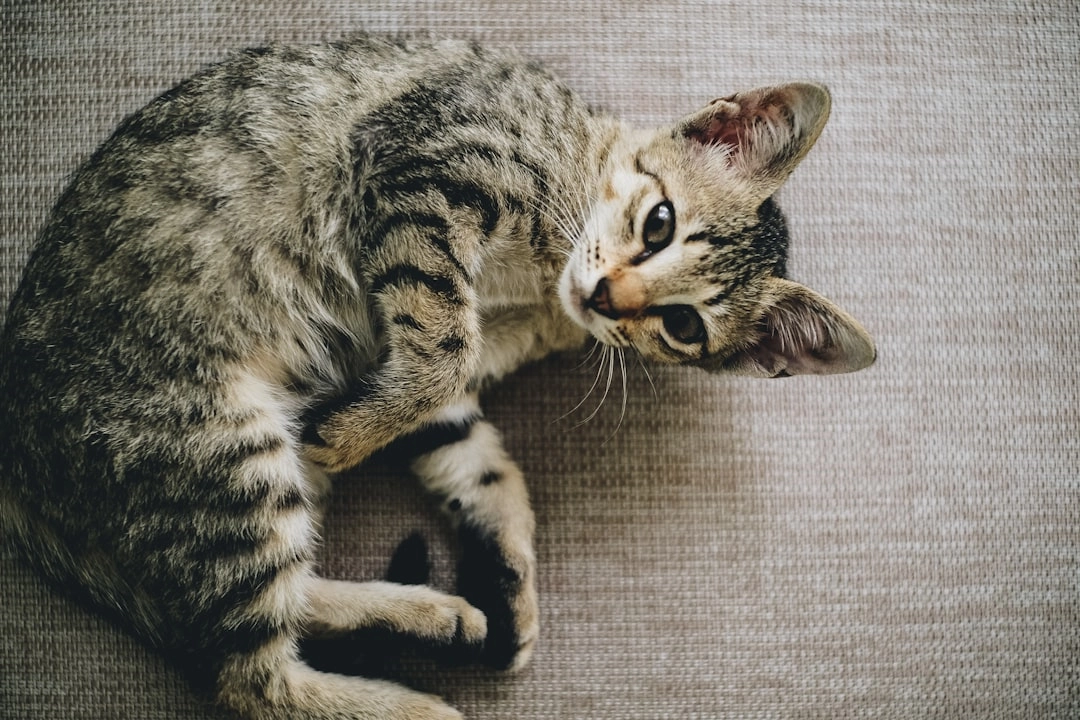
Creating a Cat-Friendly Home: The Importance of Safe Furniture
As cat owners, we often find ourselves in a constant battle to protect our furniture from the inevitable wear and tear caused by our feline friends. Cats are naturally curious creatures, and their instinct to explore can lead them to treat our beloved furniture as their personal playground. This behavior can be frustrating, but understanding the reasons behind it can help us create a harmonious living environment for both our cats and ourselves. Did you know that a staggering 70% of cat owners report damage to their furniture due to their pets? This statistic highlights the need for effective strategies to cat-proof our homes while ensuring our furry companions remain happy and engaged.
In this blog, we will explore the concept of cat-safe furniture and provide practical tips for creating a space that accommodates your cat’s natural behaviors. By understanding feline instincts and behaviors, we can make informed choices about the types of furniture we select and how we arrange our living spaces. From choosing materials that withstand scratching to incorporating cat-friendly designs, we will cover everything you need to know to keep your furniture safe while allowing your cat to wander freely.
Decoding Feline Behavior: Insights for Cat Owners
To effectively cat-proof your home, it’s essential to understand the underlying behaviors that drive your cat’s actions. Cats are instinctual animals, and their behaviors are often rooted in their evolutionary history. For instance, scratching is a natural behavior that serves multiple purposes, including marking territory, sharpening claws, and stretching muscles. By recognizing these instincts, we can better accommodate our cats’ needs while minimizing damage to our furniture.
One common behavior observed in cats is purring. While many cat owners associate purring with contentment, it can also indicate other emotions, such as anxiety or discomfort. Understanding the context in which your cat purrs can help you respond appropriately to their needs. Similarly, kneading is another behavior that stems from kittenhood, where cats knead their mother’s belly to stimulate milk flow. Adult cats may continue this behavior as a way to seek comfort and security.
Scratching is perhaps the most notorious behavior that can lead to furniture damage. Cats have a natural instinct to scratch, and it’s crucial to provide them with appropriate outlets for this behavior. Investing in scratching posts or pads made from durable materials can help redirect your cat’s scratching away from your furniture. Additionally, placing these scratching alternatives near your furniture can encourage your cat to use them instead.
Another aspect of feline behavior to consider is their love for high vantage points. Cats are natural climbers and enjoy observing their surroundings from elevated positions. Incorporating cat trees or shelves into your home can satisfy this instinct while keeping your furniture safe from curious paws. By providing designated spaces for climbing and exploring, you can create a cat-friendly environment that minimizes the temptation to jump on furniture.
Understanding breed-specific behaviors is also essential when creating a cat-safe home. Different breeds may exhibit varying tendencies, such as playfulness, vocalization, or territoriality. For example, Siamese cats are known for their vocal nature and may require more interactive playtime to keep them engaged. On the other hand, breeds like the Maine Coon are generally more laid-back and may be content with a cozy spot on the couch. Tailoring your approach to your cat’s specific breed can enhance their well-being and reduce unwanted behaviors.
In conclusion, creating a cat-safe environment involves understanding the natural instincts and behaviors of our feline companions. By recognizing the reasons behind their actions, we can implement effective strategies to protect our furniture while ensuring our cats remain happy and fulfilled. From providing appropriate scratching surfaces to incorporating climbing structures, there are numerous ways to create a harmonious living space that caters to both our needs and those of our beloved pets.
Empowering Your Cat: Effective Training Techniques
Training is an essential component of responsible pet ownership. For cat owners, the prospect of training a feline companion may seem daunting, but it’s crucial for nurturing a well-adjusted and happy cat. Unlike dogs, cats may not be as naturally inclined to obey commands, but they do learn behaviors based on rewards, routines, and the relationships we build with them. Positive reinforcement training fosters a positive bond between you and your furry friend while enhancing their confidence and overall well-being. This approach to training improves communication, enhances your cat’s life skills, and ultimately reduces stress for both of you.
Why is training vital? Primarily, it helps establish boundaries within your home, reducing unwanted behaviors. Whether it’s learning to use scratching posts instead of the couch or staying off the kitchen counters, well-planned training can help convey these boundaries. Additionally, training sessions provide mental stimulation for your cat. Felines are intelligent creatures that thrive on both physical and mental engagement, which helps ward off boredom and related behavioral problems.
One foundational principle in feline training is understanding how cats learn and react. Using positive reinforcement techniques is paramount. Cats can associate behaviors with positive outcomes, so when your cat successfully engages in a behavior—like using their litter box or scratching an appropriate surface—reward them with praise, treats, or a favorite play session. This reinforces that the behavior is worthwhile. The power of consistency cannot be overstated; regular and structured training times increase effectiveness as your cat learns to expect these moments as part of their routine.
Moreover, effective communication remains key. Observe your cat and familiarize yourself with their body language. Pay attention to their moods during training, which allows you to adjust your approach accordingly. If your cat seems unresponsive, scared, or aggressive during a training session, it might be a sign that they’re not comfortable in that environment or with that particular approach, so give them space, time, or alternative training conditions that ensure they feel safe.
Understanding Cat Behaviors: Addressing Challenges Head-On
Despite your best training efforts, every cat can develop behavior issues. Understanding common challenges and their solutions is vital to promoting a healthy and loving bond. Typical cat issues involve unwanted scratching, aggression, inappropriate elimination (going outside the litter box), or excessive vocalization. Each of these behavior patterns signals underlying concerns that require consideration, evaluation, and intervention.
When it comes to scratching, for instance, redirecting that instinctive behavior is far more effective than attempting to eliminate it. Use enticing scratching posts, made from materials such as sisal, to lure your cat away from your furniture. Located near furniture they previously scratched, this tactic encourages them to develop a positive preference towards their designated area. If they continue scratching the furniture despite your training efforts, offering gentle deterrents, such as scents or sprays, can re-enforce the disfavored behaviors.
Additionally, addressing inappropriate elimination is crucial. A cat going outside the litter box can stress even the most patient owners. Possible reasons range from cleanliness of the litter box to health problems or stress-induced anxieties due to changes in their environment. Therefore, if you encounter this issue, it’s essential to consult your veterinarian first to rule out any medical conditions. If they provide a clean bill of health, reevaluating the types and conditions of litter used could prove beneficial for eliminating inappropriate behaviors.
Excessive vocalization, particularly with breeds prone to more chatter like the Siamese, also often relies on addressing their needs. Determining if your cat’s yowling reflects needs for companionship, food, or boredom is essential to crafting a solution. Ensuring your cat has ample interaction, toys, and engaging mental stimulation can counterbalance restlessness.
In instances where behaviors seem stubborn, consult with professionals, including certified animal trainers, behaviorists, or your veterinarian. Like humans, our pets can develop various quirks throughout their lives, particularly when going through challenges with adaption. Relying on your social resources guarantees we’re all putting in the concerted effort needed to assure an optimal quality of life. Sometimes hearing experiences from trainers specializing in feline behavior provides insights or alternative approaches to garner the desired impact in retraining your lovable friend.
Undoubtedly, taking the time to effectively train your cat can significantly improve behavior while enhancing the joys of pet ownership. A comprehensive understanding of typical feline behavior and effective approaches towards deterring unwanted habits leaves your dwelling a serene home while allowing a happy environment that rewards your feline companions richly.

Enhancing Feline Happiness: The Role of Enrichment and Play
Creating a cat-safe environment goes beyond simply protecting your furniture; it also involves providing adequate enrichment and play opportunities that cater to your cat’s natural instincts. Enrichment is crucial for a cat’s mental and physical well-being. Without sufficient stimulation, cats can develop behavioral issues, such as anxiety, aggression, or destructive tendencies. By understanding the importance of play and mental engagement, cat owners can create a more fulfilling and satisfying life for their feline companions.
The benefits of mental and physical stimulation are numerous. Engaging your cat in regular play sessions not only satisfies their instinctual hunting behaviors but also promotes healthy exercise, helping to prevent obesity and related health problems. Cats are natural hunters, and they thrive when given opportunities to pounce, chase, and explore. Playtime serves as an outlet for their energy, reducing the likelihood of boredom and the associated negative behaviors that can arise from it.
Incorporating a variety of toys into your cat’s environment can enhance their play experience. Interactive toys, such as feather wands or laser pointers, encourage active participation, while puzzle feeders stimulate their problem-solving skills. Providing different types of toys, including those that mimic prey, allows cats to engage in natural behaviors, further enriching their environment. Additionally, rotating toys periodically keeps the play experience fresh and exciting, as cats can lose interest in the same items over time.
Another effective way to enrich your cat’s environment is through climbing structures and scratching posts. Cats love to climb and perch at high vantage points, as it allows them to observe their surroundings and feel secure. Cat trees, shelves, and wall-mounted platforms can provide the necessary height for your cat to explore and feel comfortable. By incorporating these structures into your home, you can create a multi-dimensional space that encourages exploration and physical activity.
Moreover, environmental enrichment can also include sensory experiences. Consider using cat-safe plants or cat grass to stimulate their sense of smell and taste. Additionally, providing access to windows where they can watch birds and other wildlife can be both mentally stimulating and entertaining. This exposure to the outside world satisfies their curiosity and provides an enriching experience that can alleviate boredom.
Regular playtime with your cat also strengthens the bond between you and your furry friend. Interactive sessions not only provide exercise but also reinforce trust and companionship. Cats are social creatures, and engaging in play allows them to feel more connected to their owners. By dedicating time each day for interactive play, you foster a loving relationship while ensuring your cat remains mentally and physically stimulated.
Debunking Myths: Common Misunderstandings About Cats and Their Behavior
One prevalent myth is that cats are low-maintenance pets that don’t require much attention or interaction. While it’s true that cats are generally more independent than dogs, they still need social interaction, mental stimulation, and physical activity to thrive. Neglecting these needs can lead to behavioral issues, such as aggression or destructive scratching. Providing regular playtime, enrichment, and social interaction is essential for a cat’s overall well-being.
Another common misconception is that declawing a cat is a humane way to prevent scratching. Declawing is an invasive procedure that removes the last bone of each toe, causing pain and long-term complications. Instead of declawing, cat owners should focus on providing appropriate scratching surfaces and using positive reinforcement to redirect their cat’s scratching behavior. This approach not only preserves your cat’s well-being but also maintains their natural instincts.
Some cat owners may also believe that all cats dislike water and should be kept away from it at all costs. While many cats are indeed averse to water, there are exceptions. Some breeds, such as the Maine Coon and the Turkish Van, are known for their affinity for water. Additionally, exposing your cat to water in a positive and gradual manner can help them become more comfortable with it. Understanding your cat’s individual preferences is key to ensuring their comfort and happiness.
Lastly, many people think that a single litter box is sufficient for multiple cats. In reality, the general rule of thumb is to have one litter box per cat, plus one extra. This helps prevent territorial disputes and ensures that all cats have access to a clean bathroom option. Maintaining a clean and inviting litter box environment is essential for preventing inappropriate elimination and promoting good litter box habits.
By addressing these common misconceptions, cat owners can create a more supportive and understanding environment for their feline companions. Educating oneself about cat behavior and needs is crucial for fostering a healthy and happy relationship with your pet. Through proper enrichment, play, and a willingness to debunk myths, you can ensure that your cat thrives in a safe and loving home.
