Ensuring Feline Safety: A Guide to Cat Safe Object Handling
When it comes to our beloved feline companions, ensuring their safety is paramount. Cats are naturally curious creatures, often exploring their environment with a keen sense of adventure. However, this curiosity can sometimes lead them into dangerous situations, especially when it comes to household objects. Understanding how to handle objects safely around cats is essential for any pet owner. Did you know that many common household items can pose serious risks to your cat’s health? From toxic plants to small objects that can be swallowed, being aware of these dangers is the first step in creating a safe environment for your furry friend.
In this guide, we will delve into the importance of cat-safe object handling, providing insights into how to identify potential hazards and implement effective strategies to keep your cat safe. By understanding the risks associated with various objects and learning how to manage them, you can significantly reduce the chances of accidents and injuries in your home. Whether you are a new cat owner or have been caring for cats for years, this information will be invaluable in ensuring a safe and happy life for your feline companion.
Decoding Feline Behavior: Understanding Your Cat’s Actions
To effectively ensure the safety of your cat, it is crucial to understand their behavior and instincts. Cats are complex animals with a rich array of natural behaviors that stem from their wild ancestors. Understanding these behaviors can help you create a safe environment that caters to their needs while minimizing risks associated with household objects.
One of the most fundamental aspects of feline behavior is their instinct to explore. Cats are naturally curious and will often investigate new objects in their environment. This behavior is rooted in their survival instincts, as exploring helps them identify potential threats and opportunities. However, this curiosity can lead them to interact with objects that may not be safe. For instance, a cat may be drawn to shiny objects, such as jewelry or small toys, which can be choking hazards if swallowed.
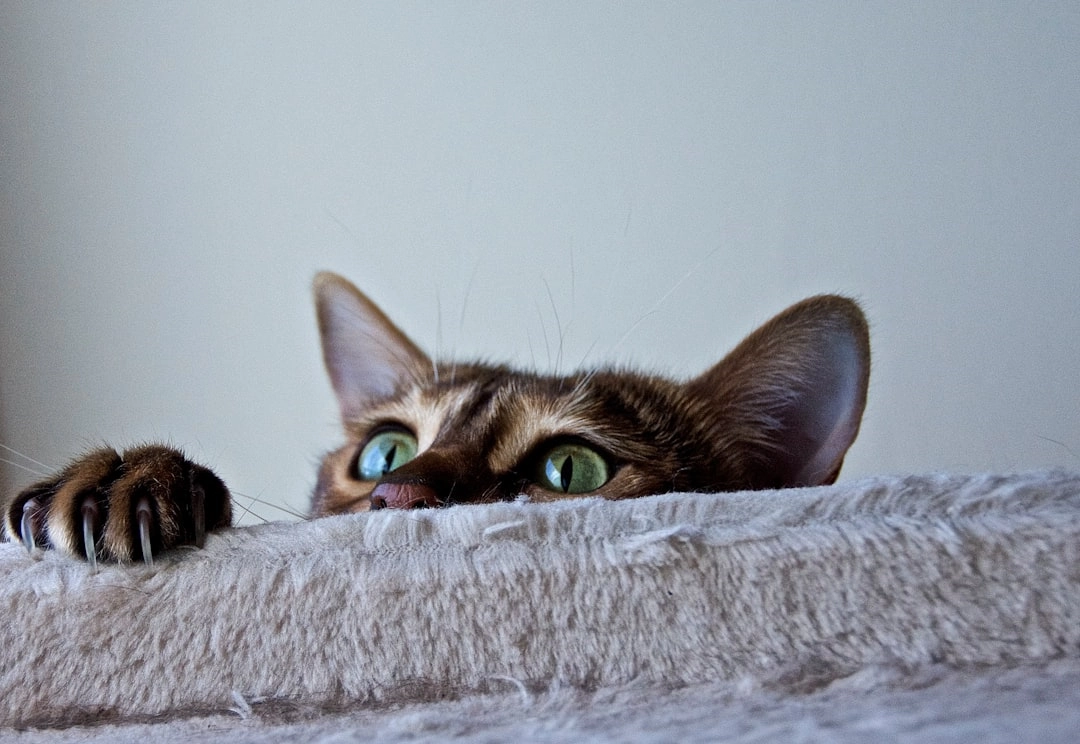
Another common behavior is scratching. Cats scratch to mark their territory, stretch their muscles, and keep their claws healthy. While scratching is a natural behavior, it can lead to damage to furniture and other household items. Providing appropriate scratching posts and surfaces can help redirect this behavior and keep your cat engaged without compromising their safety.
Purring is another behavior that many cat owners cherish. While purring is often associated with contentment, it can also indicate stress or discomfort in certain situations. Understanding the context of your cat’s purring can help you identify when they may be feeling unsafe or threatened by an object in their environment.
Kneading is a behavior that many cats exhibit, often seen when they push their paws in and out against a soft surface. This behavior is a remnant of kittenhood, where kneading helps stimulate their mother’s milk flow. While kneading is generally harmless, it can lead to accidents if your cat is kneading on or near unsafe objects, such as electrical cords or fragile items.
Additionally, it’s essential to recognize that different breeds may exhibit unique behaviors. For example, Siamese cats are known for their vocal nature and social tendencies, while Maine Coons are often more laid-back and affectionate. Understanding these breed-specific behaviors can help you tailor your approach to object handling and create a safer environment for your cat.
In conclusion, understanding feline behavior is a critical component of ensuring your cat’s safety around household objects. By recognizing their natural instincts and behaviors, you can take proactive steps to minimize risks and create a safe, enriching environment for your furry friend. In the following sections, we will explore specific strategies for cat-safe object handling, including identifying hazards and implementing effective safety measures.
Empowering Cats Through Effective Training Techniques
Training your cat is an essential aspect of pet ownership that goes beyond just teaching tricks. It plays a crucial role in building a harmonious relationship between you and your feline friend. By understanding the benefits and best practices of training, you can ensure not just your pet’s well-being but also a deeper bond with them. One of the most important reasons for training is to manage your cat’s safety around common household hazards. For instance, well-trained cats are less likely to engage in dangerous behavior, such as jumping onto high shelves where hazardous objects may be present. Proper training transforms both the environment and interactions, reducing stress levels for both the owner and the pet.
Moreover, training helps in effectively handling behavioral concerns. Many pet owners face issues like scratching, inappropriate elimination, and even excessive vocalization. These behaviors can lead to frustration and conflict, but a positive training approach often opens pathways to understanding and modification. Training aids your cat in redirecting negative behaviors into positive actions, promoting better behavior at home while ensuring a safer environment.
The basic principle of effective animal training revolves around positive reinforcement. This technique rewards desirable behavior instead of punishing undesired behavior. Cats respond better to rewards and kindness, creating an atmosphere of trust and reassurance. The main tools you will need for this technique include treats, verbal praise, and affection. Always initiate training sessions when your cat is alert and engaged, not when they’re tired or distracted. With perseverance, proper training enables pets to understand expectations, gradually learning over time.
To effectively train your feline companion, develop a step-by-step approach. First, identify the specific behavior you want to encourage, such as using a scratching post rather than furniture. Start by introducing your cat to the tool or cue associated with that behavior. Next, demonstrate the action, ensuring your cat remains focused on the task at hand. When they exhibit the desired behavior, promptly reward them with a treat and affectionate praise. Remember to maintain a consistent routine, so that your feline gradually begins to associate rewards with behaviors you aim to encourage.
Tackling Common Behavioral Challenges in Cats
Another frequent behavior that raises red flags is excessive scratching. While scratching is natural behavior, it can become problematic when a cat aims their claws toward walls, furniture, or doors. Identifying alternate scratching opportunities becomes crucial. Scratchers, provided to attract your cat’s attention, offer behavioral redirection. By consistently reinforcing the use of scratchers, owners can effectively deal with this concern and safeguard their property.
Behavior issues like sudden aggression can occur for various reasons, stemming from anything to territorial concerns to sudden changes in environment. If faced with this, it’s crucial to assess what might be stressing your feline friend, including new pets or novel situations, such as moving houses. It might be necessary to separate cats from external influences temporarily, leading to safer opportunities for managed introductions and reacquisition of personal space.
Recognizing that some behavioral problems may require expert advice is essential. Depending on the severity of issues like litter box aversion or uncontrollable biting, involving a veterinarian or animal behaviorist can provide actionable insights. These professionals assess the situation and give recommendations tailored to specific pets. They can aid in recognizing underlying health problems which often disguise as behavioral issues.
Overall, educating yourself about feline training techniques and addressing behavioral challenges empowers both you and your kitty. With consistent effort in training through positive reinforcement and being proactive about challenging behaviors, pet owners can maintain safe environments while nurturing a more joyful living arrangement with their feline companions. As the bond grows stronger through effective communication and understanding, the incredible journey of pet ownership continues to flourish.

Creating a Stimulating Environment for Your Cat
When it comes to ensuring feline safety, one of the most crucial aspects is providing an enriching and engaging environment for your cat. Cats are inherently curious creatures, and their mental and physical stimulation is vital for their overall well-being. Without adequate enrichment, cats may develop behavioral issues such as aggression, excessive vocalization, or destructive behavior. This is why it is essential for pet owners to prioritize playtime and mental engagement in their daily routines.
Engaging your cat in regular play not only strengthens the bond between you and your feline friend but also allows them to express their natural hunting instincts. Playtime serves as a form of exercise that keeps your cat physically fit and mentally sharp. Interactive toys, such as feather wands, laser pointers, and puzzle feeders, can effectively engage your cat’s instincts and provide a fun outlet for their energy.
Incorporating various forms of enrichment can prevent boredom, which is often the root cause of many behavioral issues. For example, consider creating a multi-level cat tree or a designated play area filled with toys that encourage exploration. This not only allows your cat to climb and jump but also stimulates their natural instincts to investigate and explore their surroundings. Providing access to safe windowsills where they can observe the outside world can also be enriching, as they can watch birds, squirrels, and other outdoor activities.
Moreover, it is essential to rotate toys and activities to keep your cat engaged. Just like humans, cats can become bored with the same toys over time. By introducing new toys or changing their play environment, you can reignite your cat’s interest and enthusiasm for play. Additionally, scheduled play sessions can help create a routine that your cat can anticipate, making them feel secure and engaged.
Social interaction is another vital aspect of enrichment. While cats are often seen as solitary animals, many thrive on companionship, whether it be with humans or other pets. Regular interaction, gentle petting, and even talking to your cat can enhance their emotional well-being. If your cat enjoys the company of other animals, consider adopting a second pet to provide companionship and further enrich their lives.
Debunking Myths About Cat Safety and Enrichment
As cat owners, it’s important to address common questions and misconceptions surrounding cat safety and enrichment. Many pet owners may feel uncertain about what constitutes a safe and enriching environment for their feline friends. One prevalent myth is that cats are low-maintenance pets that do not require much attention or stimulation. While it’s true that cats are often more independent than dogs, they still require mental and physical engagement to thrive.
Another misconception is that all toys are safe for cats. While many toys on the market are designed specifically for feline play, some can pose hazards. Items such as strings, rubber bands, and small objects that can be swallowed should be avoided. Always supervise your cat during playtime and choose toys that are designed for their safety. It’s essential to regularly inspect toys for wear and tear, replacing them when necessary to prevent potential choking hazards.
Many people also believe that indoor cats do not need as much enrichment as outdoor cats. However, indoor cats are at risk of boredom and lack of stimulation, just like their outdoor counterparts. Indoor cats can benefit significantly from enrichment activities, including interactive play, climbing structures, and mental challenges like puzzle feeders. Creating a stimulating indoor environment can mimic the excitement and engagement they would experience in the wild.
Another common question revolves around the idea that all cats enjoy the same types of play. In reality, each cat has its own preferences. Some may enjoy chasing feather toys, while others prefer to pounce on balls. Understanding your cat’s individual play style is crucial for effective enrichment. Spend time observing what types of toys and activities excite your cat the most, and tailor their playtime accordingly.
Finally, some pet owners may underestimate the importance of routine veterinary care in maintaining a cat’s well-being. Regular check-ups can help identify health issues that may impact behavior or playfulness. Cats are skilled at hiding their discomfort, so being proactive about their health can lead to a happier and more active pet.
In summary, creating a safe and enriching environment for your cat is vital for their physical and mental health. Understanding the importance of play, debunking common myths, and addressing misconceptions can empower cat owners to provide the best possible care for their feline companions. By prioritizing enrichment and ensuring safety, you can foster a happy, healthy, and well-adjusted cat.
