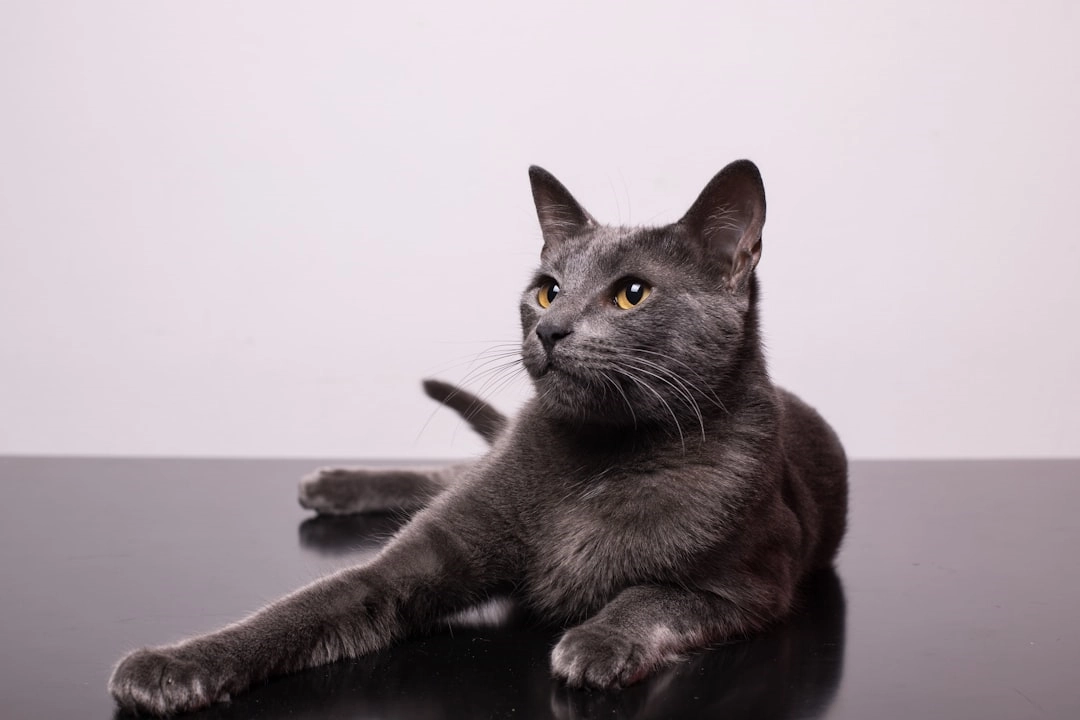
Unraveling Cat Stress: A Deep Dive into Feline Well-Being
Cat stress is a significant concern for pet owners and veterinarians alike, as it can lead to a range of health issues that affect a cat’s overall well-being. Did you know that stress can manifest in cats just as it does in humans, leading to both behavioral and physical health problems? Understanding the intricacies of feline stress is crucial for any cat owner who wants to ensure their furry friend lives a happy and healthy life. Stress in cats can stem from various sources, including environmental changes, social dynamics, and even medical conditions. By recognizing the signs of stress and understanding its impact, we can take proactive steps to manage and prevent stress-induced illnesses in our feline companions.
Research has shown that chronic stress can lead to serious health issues in cats, such as urinary tract problems, gastrointestinal disorders, and even behavioral issues like aggression or withdrawal. The relationship between stress and health is complex, and it is essential to address both the emotional and physical aspects of a cat’s life. In this blog, we will explore the various factors contributing to cat stress, how to recognize the signs, and effective strategies for managing and preventing stress-related illnesses.
Decoding Feline Behavior: Insights into Cat Psychology
To effectively address cat stress, it is vital to understand the natural instincts and behaviors that define feline psychology. Cats are unique creatures with a rich behavioral repertoire shaped by their evolutionary history. Unlike dogs, which have been domesticated for thousands of years to work alongside humans, cats have retained many of their wild instincts. This means that their behaviors can often be traced back to their ancestors, who relied on specific skills for survival.
One of the most common behaviors exhibited by cats is purring. While many cat owners associate purring with contentment, it can also indicate stress or discomfort. Cats may purr when they are in pain or feeling anxious, using the sound as a self-soothing mechanism. Understanding the context in which a cat purrs is essential for interpreting their emotional state accurately.
Kneading is another behavior that many cat owners observe. This action, where a cat pushes its paws in and out against a soft surface, is often seen in kittens nursing from their mothers. Adult cats may continue this behavior as a way to express comfort and security. However, if a cat kneads excessively or inappropriately, it may indicate underlying stress or anxiety.
Scratching is a natural instinct for cats, serving multiple purposes, including marking territory, sharpening claws, and stretching muscles. Providing appropriate scratching surfaces can help alleviate stress by allowing cats to engage in this natural behavior without damaging furniture or other household items. Understanding the importance of scratching can help cat owners create a more enriching environment that caters to their feline’s needs.
Additionally, social dynamics play a significant role in feline behavior. Cats are often solitary hunters, but they can form complex social structures when living in groups. Understanding how your cat interacts with other pets and humans can provide valuable insights into their emotional state. For instance, a cat that suddenly becomes aggressive or withdrawn may be experiencing stress due to changes in the household, such as the introduction of a new pet or a change in routine.
Breed-specific behaviors also contribute to understanding feline psychology. Different breeds may exhibit unique traits and tendencies that can influence their stress levels. For example, Siamese cats are known for their vocal nature and social needs, while Maine Coons are often more laid-back and adaptable. Recognizing these breed-specific behaviors can help owners tailor their approach to managing stress and ensuring their cat’s well-being.
In summary, understanding feline behavior is crucial for recognizing and addressing stress in cats. By observing their natural instincts and behaviors, cat owners can create a supportive environment that promotes emotional and physical health. This knowledge empowers pet owners to take proactive steps in managing stress, ultimately leading to happier and healthier feline companions.
Enhancing Your Cat’s Life Through Effective Training
Training your feline friend is not only beneficial for ensuring good behavior, but it’s also fundamental for their overall well-being and health. When you implement proper training methods, you can create a more harmonious living environment for both you and your cat, ultimately reducing stress and enhancing the bond between you. Many people overlook the idea of training cats, primarily because they believe that cats are less trainable than dogs; however, this misconception couldn’t be further from the truth.
Training is important for multiple reasons. Firstly, it provides mental stimulation that can prevent boredom—an often overlooked source of stress in cats. Boredom can lead to negative behaviors such as clawing furniture, litter box issues, or excessive meowing. Engaging your cat in various training activities can counteract these potentially problematic behaviors. Positive reinforcement training can encourage healthy habits while giving your cat something fun and challenging to focus on.
Using positive reinforcement as your training principle ensures that your cat associates learning with happiness, thus making them eager to repeat the desired behaviors. To train your cat effectively, begin with simple commands like “sit,” “high-five,” or even agility tricks that can elevate their lifestyle beyond daily routines. Felines can often respond very well to treats, favorite toys, or affection when executed appropriately after performing the task. This immediate association between action and reward is imperative to success in feline training.
Let’s consider step-by-step training for an essential behavior, such as litter box training. Start with the box positioned in a low-traffic, easily accessible area, then introduce your cat to it while offering positive reinforcement with treats whenever they show interest in the box. Maintain a clean box with fresh litter for them to identify it as a proper place to relieve themselves. Implement small rewards and praise every time they use the box correctly, reinforcing that they have fulfilled the desired behavior.
Training sessions should be brief and enjoyable—ideally, no longer than 10 to 15 minutes. Repetition is the mother of learning; don’t shy away from repeating training efforts for added reinforcement. Finally, be patient. Each cat is different and will grasp training techniques at their own pace, but patience ensures progress that respects the cat’s natural disposition. As they become more confident in their abilities, even cats can experience great joy and pride in mastering new tricks.
Transforming Stressful Behaviors in Cats
As part of maintaining a stress-free environment, addressing behavioral issues is an indispensable element of cat care. Cats can exhibit an array of behaviors driven by stress, anxiety, or insecurity. Identifying and transforming these stressful behavioral traits will contribute significantly to their overall health and happiness. Some common issues include aggression, excessive vocalization, clawing furniture, litter box refusals, and changes in appetite. Recognizing signs of stress and undesired behaviors is crucial so that prompt action can be taken for each case.
For instance, aggression in cats might manifest as biting, scratching, or even hissing. If your cat’s behavior escalates to aggressive responses during play, limit their stimulation to prevent stress from building. Gradually introduce gentle play sessions with enticing toys, focusing on relaxation methods, and observe the cues your cat gives you. Should they display discomfort, cease playtime until they calm down and reconvene when your cat appears more amenable.
Litter box avoidance may raise substantial stress levels if it’s overlooked. Some felines may resist their litter box due to pain from previous medical issues, introducing general discomfort or seeing the box as dirty. Hence, continuously monitoring and maintaining litter boxes’ hygiene and utilizing appropriate cat litter are crucial factors. Consult with your veterinarian if litter box avoidance persists; health screenings will enable further scrutiny of the situation.
Some owners might also encounter issues with scratching furniture and other desirable surfaces within the home. Providing various scratching posts and pads strategically placed near common and favorite areas can often redirect attention. Many animals enjoy scratching to maintain their claws, express themselves physically, and simply interact with their environment. Reinforcing desirable scratching options by treating them and creating associations can pave a new direction for enhancing positive scratching outlets.
It’s also essential for owners to recognize when a cat’s issues signal a request for professional help. Cat behaviorists or veterinarians possess extensive knowledge that can assist in evaluating behavioral concerns and addressing underlying psychological patterns. Sometimes environmental changes necessitate adaptation within a cat’s life. Dramatic situations such as moving, significant personality clashes with other household pets, or new family additions warrant consultation with experienced professionals to develop strategies for restoring contentment.
As your cat navigates the intricacies of everyday life, tackling behavioral problems is inevitably connected to stress levels. Actively involving both training and strategies focused on solving behavioral challenges will reduce felines’ stressors while emphasizing their comfort. Fostering an environment which skillfully merges these approaches could unlock renewed joy and stimulate both you and your fluffy friend while encouraging healthy relationships in your domestic realm.

Enhancing Your Cat’s Life Through Play and Enrichment
When it comes to cat care, understanding the importance of enrichment and play cannot be overstated. These activities are crucial for your cat’s mental and physical health, providing essential stimulation that can help prevent a range of behavioral issues. Cats are naturally curious creatures, and they thrive when given the opportunity to explore, hunt, and engage with their environment. Without adequate stimulation, they may develop stress-related behaviors that can lead to serious health problems.
Mental and physical stimulation through enrichment activities can help mimic the hunting instincts of cats. For instance, providing various toys, interactive games, and climbing structures can significantly reduce boredom. When cats are bored, they may resort to destructive behaviors, such as clawing furniture or excessive vocalization, as a means of expressing their frustration. Engaging them in activities that allow them to utilize their natural instincts helps channel their energy in a positive way.
One effective way to provide enrichment is through interactive play. Toys that mimic prey, such as feather wands, laser pointers, or even automated toys that move unpredictably, can engage your cat’s hunting instincts and provide the physical exercise they need. Regular play sessions not only stimulate your cat physically but also strengthen the bond between you and your pet, as you both enjoy shared moments of fun.
In addition to interactive toys, environmental enrichment is essential. Creating a stimulating living space with climbing shelves, scratching posts, and hiding spots allows cats to explore their territory, satisfying their curiosity and keeping them mentally sharp. You can also incorporate puzzle feeders that require your cat to solve challenges to access their food, which encourages both physical and mental activity. These simple changes can make a significant difference in your cat’s happiness and well-being.
Moreover, providing a safe outdoor space or a catio can enhance your cat’s quality of life. Cats are natural explorers, and having a secure area to observe the outside world can provide them with a wealth of sensory stimulation. If outdoor access isn’t feasible, consider placing a bird feeder outside a window, allowing your cat to watch the comings and goings of birds and other wildlife. This kind of enrichment can reduce stress and provide a calming effect for indoor cats.
Finally, remember that every cat is unique, and their preferences for play and enrichment may vary. Some cats may enjoy high-energy activities, while others might prefer quieter, more solitary forms of play. Observing your cat’s reactions to different types of enrichment can help you tailor their environment to suit their individual needs, ultimately leading to a happier and healthier feline.
Debunking Myths About Cat Stress and Health
When it comes to cat care, there are numerous misconceptions that can lead to misunderstanding feline behavior and health. Addressing these myths is essential for ensuring that cats receive the best possible care and live stress-free lives. Here are some common questions and misconceptions regarding cat stress and well-being:
One common myth is that cats are independent and do not require much attention or interaction from their owners. While it’s true that cats can be more self-sufficient than some other pets, they still need social interaction and mental stimulation. Failing to engage with your cat can lead to feelings of isolation and stress, which may result in undesirable behaviors. It’s essential to spend quality time with your cat through play, petting, and interaction to keep them emotionally fulfilled.
Another misconception is that a cat’s purring always indicates happiness. While cats often purr when they are content, they can also purr when they are in pain, anxious, or stressed. It’s crucial to pay attention to the context of your cat’s purring and look for other signs that may indicate their emotional state. Observing their body language, such as tail position, ear orientation, and overall demeanor, can provide additional insights into their feelings.
Some cat owners may also believe that behavioral issues are just a phase that will pass. While it’s true that some behaviors may ebb and flow, persistent issues such as aggression, litter box avoidance, or excessive vocalization should not be ignored. These behaviors often signal underlying stress or health problems that require attention. Consulting with a veterinarian or a feline behaviorist can help identify the root cause and develop a plan to address the issues effectively.
Another frequent misconception is that all cats are natural hunters and don’t require additional stimulation. While many cats retain their hunting instincts, not all cats will engage in hunting behaviors without encouragement. Providing enrichment activities that stimulate their hunting instincts is crucial for their mental and physical health. Interactive play and puzzle toys can help satisfy these instincts and prevent boredom-related behaviors.
Lastly, many people believe that stress only affects a cat’s behavior, overlooking its impact on physical health. Chronic stress can lead to a range of health issues, including urinary problems, gastrointestinal disorders, and weakened immune systems. Recognizing and managing stress is vital for a cat’s overall well-being, as emotional health is closely linked to physical health. Ensuring that your cat has a balanced, enriched environment is crucial for preventing stress-related illnesses.
By debunking these common myths and addressing frequently asked questions, cat owners can gain a better understanding of their feline companions’ needs. Educating yourself about feline behavior and health will enable you to create a nurturing environment that promotes happiness and well-being, ultimately leading to a fulfilling relationship between you and your cat.
