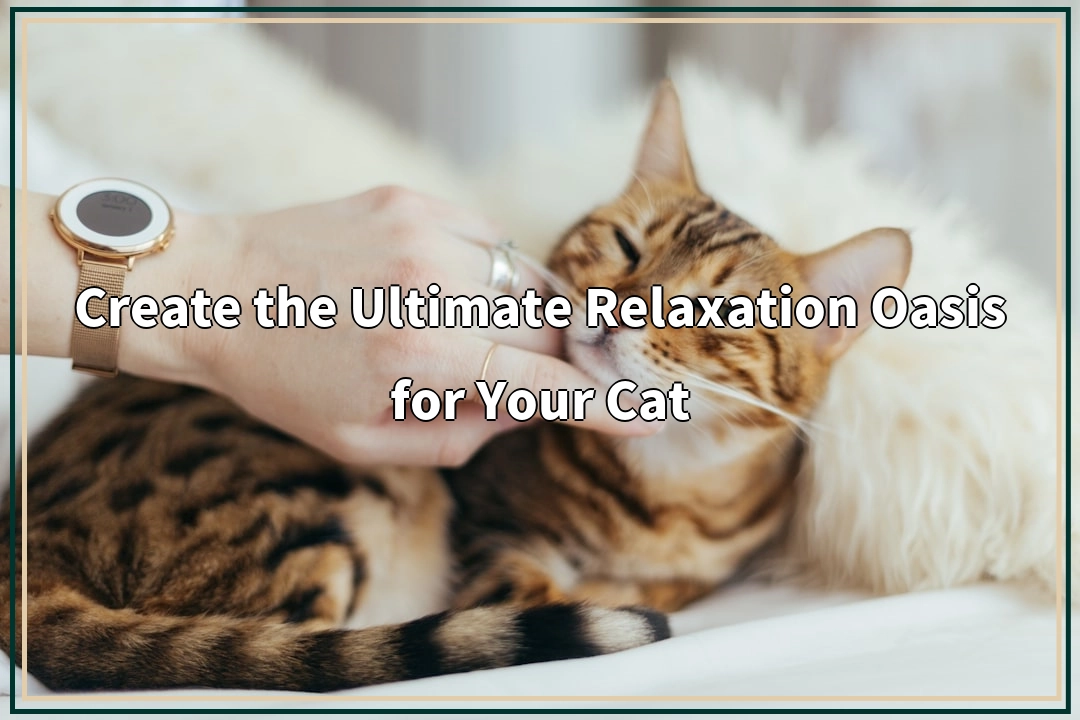
Creating a Serene Space for Your Feline Friend
Every cat owner knows that our feline companions can be quite particular about their environments. Just like humans, cats thrive in spaces that promote relaxation and comfort. Have you ever noticed how your cat seeks out the coziest spots in your home? This instinctual behavior is rooted in their need for safety and tranquility. In this guide, we will explore how to create the ultimate relaxation oasis for your cat, ensuring they have a dedicated space to unwind and feel secure.
Understanding the Importance of a Relaxation Oasis
Creating a relaxation oasis for your cat is not just about aesthetics; it’s about meeting their emotional and physical needs. Cats are creatures of habit and often prefer environments that allow them to feel in control. A well-designed relaxation area can help reduce stress, anxiety, and behavioral issues, leading to a happier and healthier feline.
Research has shown that cats are more likely to exhibit calm behaviors when they have access to a safe space where they can retreat from the hustle and bustle of daily life. This is particularly important for indoor cats, who may not have the same opportunities for exploration and stimulation as their outdoor counterparts. By providing a designated relaxation area, you can help your cat feel more secure and content in their home.
Creating the Perfect Relaxation Area
When setting up a relaxation oasis for your cat, consider the following elements:
- Location: Choose a quiet, low-traffic area of your home where your cat can feel safe and undisturbed. This could be a corner of a room, a cozy nook, or even a dedicated room if space allows.
- Comfort: Invest in soft bedding, such as a plush cat bed or blankets, to create a comfortable resting spot. Cats love to curl up in warm, soft spaces, so make sure the area is inviting.
- Vertical Space: Cats are natural climbers and enjoy having vertical space to explore. Consider adding shelves, cat trees, or window perches to give your cat a place to observe their surroundings from a height.
- Enrichment: Include toys, scratching posts, and interactive elements to keep your cat engaged. A variety of textures and activities can help stimulate their senses and provide mental stimulation.
- Calming Elements: Incorporate calming scents, such as catnip or pheromone diffusers, to create a soothing atmosphere. Soft lighting and gentle music can also enhance the relaxation experience.
Why a Relaxation Oasis Matters
Understanding the significance of a relaxation oasis goes beyond mere aesthetics. It’s about recognizing the unique needs of your cat and providing them with an environment that fosters well-being. Cats are sensitive creatures, and their surroundings can greatly impact their mood and behavior. A well-thought-out relaxation area can help mitigate stressors and create a sanctuary where your cat can recharge.
Moreover, a dedicated relaxation space can also strengthen the bond between you and your cat. By taking the time to create a space tailored to their needs, you demonstrate your commitment to their happiness and comfort. This can lead to a more trusting and affectionate relationship, as your cat learns to associate their relaxation area with positive experiences.
Exploring the Concept of a Cat Relaxation Oasis
The concept of a cat relaxation oasis is rooted in the understanding that cats, like humans, require a space to unwind and feel secure. This oasis serves as a sanctuary where they can escape from the stresses of their environment, whether it be loud noises, unfamiliar visitors, or the hustle and bustle of daily life. By creating a designated area for relaxation, you are providing your cat with a sense of control over their surroundings, which is essential for their overall well-being.
In essence, a relaxation oasis is more than just a physical space; it’s a holistic approach to ensuring your cat’s emotional and mental health. By prioritizing their comfort and security, you are setting the stage for a happier, healthier feline companion.

Essential Features of a Relaxation Oasis for Cats
Creating the ultimate relaxation oasis for your cat involves understanding the essential features that contribute to a serene and comforting environment. These features are not only about aesthetics but also about functionality and meeting the innate needs of your feline friend. The characteristics of a well-designed relaxation area can significantly enhance your cat’s quality of life, providing them with a sanctuary where they can feel safe and at ease.
One of the primary characteristics of a relaxation oasis is the incorporation of cozy resting spots. Cats are known for their love of warmth and comfort, so providing soft bedding or blankets in their designated area is crucial. This could be a plush cat bed, a hammock, or even a pile of soft blankets that your cat can burrow into. The key is to create a space that invites them to curl up and relax.
Another important feature is the availability of vertical space. Cats are natural climbers and enjoy perching themselves in high places. Incorporating shelves, cat trees, or window perches allows your cat to observe their surroundings from a safe height, which can be comforting and stimulating. This vertical dimension not only satisfies their climbing instincts but also gives them a sense of control over their environment.
Moreover, the inclusion of enrichment elements is vital for a relaxation oasis. Toys, scratching posts, and interactive features keep your cat engaged and mentally stimulated. A well-rounded relaxation area should provide opportunities for play and exploration, as these activities are essential for a cat’s mental health. Rotating toys and introducing new items can help maintain their interest and prevent boredom.
Additionally, the atmosphere of the relaxation oasis plays a significant role in its effectiveness. Calming scents, such as catnip or pheromone diffusers, can create a soothing environment. Soft lighting and gentle music can further enhance the ambiance, making the space feel inviting and tranquil. The goal is to create a sensory experience that promotes relaxation and comfort.
Finally, it’s essential to consider the location of the relaxation oasis. Choosing a quiet, low-traffic area of your home allows your cat to retreat from the hustle and bustle of daily life. This space should be free from loud noises and disturbances, providing a sanctuary where your cat can decompress and feel secure.
Maintaining Your Cat’s Well-Being in Their Relaxation Oasis
Ensuring the health and well-being of your cat within their relaxation oasis involves a multifaceted approach that includes proper care, nutrition, and attention to common health concerns. A well-maintained relaxation area can contribute significantly to your cat’s overall health, providing them with a safe haven where they can thrive.
One of the fundamental aspects of maintaining your cat’s well-being is providing a balanced diet. Cats are obligate carnivores, meaning their nutritional needs are primarily met through animal-based proteins. It’s essential to offer high-quality cat food that meets their dietary requirements, ensuring they receive the necessary nutrients for optimal health. Look for foods that contain real meat as the primary ingredient, along with essential vitamins and minerals.
In addition to a proper diet, it’s crucial to monitor your cat’s health regularly. Common health concerns for cats include obesity, dental issues, and behavioral problems. Obesity can be a significant issue, especially for indoor cats with limited opportunities for exercise. To prevent this, ensure your cat engages in regular playtime and has access to stimulating toys that encourage physical activity.
Dental health is another critical aspect of your cat’s overall well-being. Regular dental check-ups and providing dental treats or toys can help maintain their oral hygiene. Neglecting dental care can lead to serious health issues, including periodontal disease, which can affect your cat’s overall health.
Behavioral issues, such as anxiety or stress, can also arise if your cat does not have a suitable environment to relax in. By creating a dedicated relaxation oasis, you can help mitigate these concerns. If you notice signs of stress or anxiety in your cat, such as excessive grooming or hiding, it may be beneficial to consult with a veterinarian or a feline behaviorist for guidance.
Lastly, regular veterinary check-ups are essential for maintaining your cat’s health. Routine examinations can help identify potential health issues early on, allowing for timely intervention and treatment. Keeping your cat’s vaccinations up to date and discussing any concerns with your veterinarian will contribute to their overall well-being.

Integrating Your Cat into Family Life
Bringing a cat into your home is not just about providing a cozy space; it’s about integrating them into your family dynamics. Understanding how your cat interacts with family members and other pets is crucial for creating a harmonious living environment. Cats can be affectionate companions, but their compatibility with different family members and pets can vary based on their personality, socialization, and breed characteristics.
Most cats are independent by nature, but many enjoy the company of their human families. They often form strong bonds with their owners and can be quite affectionate. Cats tend to be more social than many people assume, and with proper introduction, they can coexist peacefully with children and other pets. However, it’s essential to observe your cat’s behavior and ensure they have the option to retreat to their relaxation oasis when they need space.
When it comes to living with other pets, compatibility largely depends on the individual personalities of the animals involved. For instance, cats that have been socialized with dogs from a young age may adapt well to living with them. On the other hand, a cat that is not accustomed to dogs might feel threatened and seek solitude. It’s crucial to introduce pets slowly and monitor their interactions, providing plenty of positive reinforcement for calm behavior.
As for activity needs, different cats have varying levels of energy. Some breeds, like the Abyssinian or Bengal, are known for their high activity levels and require plenty of stimulation and playtime. On the other hand, breeds like the British Shorthair tend to be more laid-back and enjoy lounging around. Regardless of the breed, it’s important to provide regular play sessions and interactive toys to keep your cat engaged. This not only helps in physical exercise but also supports mental health by reducing boredom and stress.
Creating a structured routine that includes playtime, feeding, and relaxation can greatly benefit your cat. Incorporating toys that stimulate their natural hunting instincts, such as feather wands or laser pointers, can be a great way to keep them active. Remember, a well-stimulated cat is a happy cat, and providing an enriching environment is essential for their well-being.
Common Questions About Creating a Cat Oasis
As cat owners, it’s natural to have questions about how to best create a relaxation oasis for our feline friends. Below are some frequently asked questions that can help guide you in providing the best environment for your cat.
1. What is the best location for a cat relaxation area?
Choose a quiet, low-traffic area of your home that allows your cat to feel safe and undisturbed. This could be a corner of a room, a cozy nook, or even a dedicated room if space allows. Make sure it is away from loud noises and disturbances to provide a true sanctuary.
2. How can I make my cat’s relaxation area more comfortable?
Invest in soft bedding, such as a plush cat bed or blankets, to create a comfortable resting spot. Cats love to curl up in warm, soft spaces, so ensure the area is inviting with plenty of cozy options.
3. What enrichment items should I include in the relaxation area?
Incorporate toys, scratching posts, and climbing structures to keep your cat engaged. Interactive toys and elements that stimulate their natural instincts are essential for a well-rounded relaxation oasis.
4. How can I reduce stress for my cat?
Creating a designated relaxation oasis is key. Additionally, consider using calming scents like catnip or pheromone diffusers to help create a soothing atmosphere. Regular playtime and providing a safe space where they can retreat are also important.
5. How do I introduce my cat to new family members or pets?
Introduce your cat to new family members or pets gradually. Monitor their interactions closely, and allow your cat to retreat to their relaxation oasis whenever they feel overwhelmed. Positive reinforcement for calm behavior can help ease the transition.
6. What should I do if my cat seems anxious or stressed?
If your cat exhibits signs of anxiety, such as excessive grooming or hiding, evaluate their environment. Ensure they have a safe space to retreat to, and consult with a veterinarian or feline behaviorist if needed for further guidance.
By addressing these common questions and concerns, you can create a nurturing and supportive environment that allows your cat to thrive. Remember, the goal is to foster a space where your feline friend can feel secure, comfortable, and relaxed, ultimately enhancing their overall well-being.
