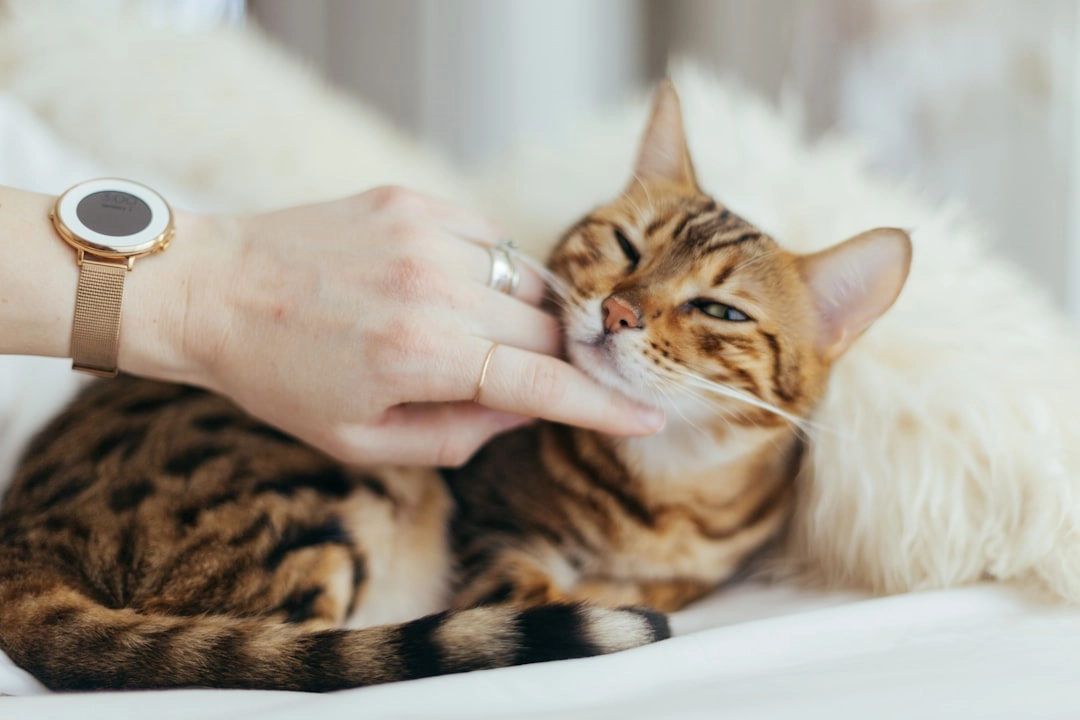
Creating a Safe Haven for Your Cat’s Exploration
As cat owners, we often find ourselves captivated by the unique personalities and behaviors of our feline friends. One of the most important aspects of ensuring a happy and healthy life for our cats is providing them with a safe space to explore. Cats are naturally curious creatures, and their instinct to investigate their surroundings is deeply ingrained. However, this curiosity can sometimes lead them into precarious situations. Did you know that creating a safe space for your cat can significantly reduce stress and anxiety, while also promoting their overall well-being? In this blog post, we will delve into the importance of establishing a secure environment for your cat, as well as the various ways you can facilitate their exploration in a safe manner.
Decoding Feline Behavior: The Key to a Safe Space
Understanding the natural instincts and behaviors of cats is crucial when it comes to creating a safe space for them. Cats are instinctual hunters, and their behaviors are often driven by their need to explore, hunt, and play. By recognizing these instincts, you can better cater to your cat’s needs and create an environment that allows them to thrive.
One of the most common behaviors exhibited by cats is their tendency to scratch. Scratching serves multiple purposes: it helps cats maintain their claws, marks their territory, and provides a form of exercise. To accommodate this natural behavior, it’s essential to provide your cat with appropriate scratching posts or pads. Position these items in areas where your cat likes to scratch, and consider using different materials to see which one they prefer. By doing so, you not only protect your furniture but also give your cat an outlet for their scratching instincts.
Another behavior to consider is kneading, which is often seen when cats push their paws in and out against a soft surface. This behavior is typically a remnant of kittenhood, where they knead their mother’s belly to stimulate milk flow. Kneading can be a sign of comfort and contentment, so providing your cat with soft blankets or cushions in their safe space can encourage this behavior. It’s a simple way to create a cozy environment that allows your cat to feel secure.
Purring is another common behavior that signifies a cat’s contentment. However, it’s important to note that cats may also purr when they are in pain or feeling anxious. Understanding the context of your cat’s purring can help you gauge their emotional state. If your cat is purring while curled up in their safe space, it’s likely a sign that they feel secure and relaxed. On the other hand, if they are purring while displaying signs of distress, it may be time to reassess their environment and address any potential stressors.
Additionally, cats are known for their love of high vantage points. Climbing and perching allow them to survey their territory and feel more secure. To cater to this instinct, consider incorporating cat trees or shelves into your home. These structures not only provide a safe space for your cat to explore but also encourage physical activity, which is essential for their overall health.
It’s also important to recognize that different breeds may exhibit varying behaviors. For instance, Siamese cats are known for their vocal nature and social tendencies, while Maine Coons are often more laid-back and independent. Understanding the specific traits of your cat’s breed can help you tailor their safe space to better suit their needs. By providing an environment that aligns with their natural instincts, you can foster a sense of security and comfort.
In conclusion, creating a safe space for your cat’s exploration is essential for their well-being. By understanding their natural behaviors and instincts, you can design an environment that caters to their needs. From providing appropriate scratching surfaces to incorporating climbing structures, there are numerous ways to ensure your cat feels secure while satisfying their curiosity. Remember, a happy cat is a healthy cat, and by prioritizing their safety and comfort, you are setting the foundation for a fulfilling life together.
Mastering the Art of Cat Training for a Happy Home
Training your cat is essential not only for their safety but also for your peace of mind. Just like dogs, cats are capable of learning commands and behaviors that contribute to harmonious household living. Cats possess unique quirks and personality traits that can sometimes create obstacles when seeking to train them. Nonetheless, investing time and effort into training your cat can lead to improved communication between the two of you, better integration into your living space, and reduced behavioral issues. The secret lies in understanding that training doesn’t have to be a chore; rather, it can be an engaging process that reinforces your bond.
One key aspect to consider when embarking on a training journey with your feline companion is the importance of positive reinforcement. Unlike older methods that relied heavily on punishment or intimidation, positive reinforcement techniques focus on rewarding desirable behaviors with treats, affection, and praise. This approach not only boosts a cat’s confidence but also fosters a willingness to learn. Using treats as motivators effectively creates a trigger-response scenario where your cat equates their learned behavior with positive outcomes. Take a moment to notice any behaviors worth reinforcing; sometimes it’s as simple as your cat using their litter box or even stretching out after a good nap.
The consistency of cues and commands during training sessions is equally vital. Cats respond to repetitive language that is consistently associated with an action. For instance, if you want your cat to learn to sit, use the word “sit” each time you show them the desired action, perhaps while gently nudging them into a sitting position. Through consistent word associations, your feline friend begins to understand that specific words correlate with particular actions. Training works best in short sessions—typically about five to ten minutes a day, which keeps the interaction light-hearted while avoiding overwhelming your furry friend.
Moreover, we need to think about setting realistic goals. Training expectations should cater to the behavioral tendencies of felines; jumping through hoops might not be in the average housecat’s repertoire, but learning tricks like high fives, recall (coming when called), or utilizing scratching posts appropriately surely are. Documenting your cat’s advancements can greatly assist the process while motivating both you and your feline pal. Cat training really shines not in achieving professional accolades but in forging an enjoyable and lasting relationship.
Dealing with Feline Challenges: Behavior Solutions
Despite your best intentions and efforts, you may encounter problematic behaviors that necessitate a unique approach. Every cat comes with its own set of behaviors, and understanding what’s typical and what’s a sign of distress can make the difference in resolving issues effectively.
Common issues include scratching furniture, inappropriate urination, or excessive meowing. Scratching serves as a natural inclination to keep claws healthy and to mark territory; however, it often conflicts with owners’ wishes to protect furniture. The best avenue here is ensuring your cat has an appropriate scratching post. Placing these posts near their current scratching territories can redirect their behavior while sparing your living space. Applying feline-friendly pheromone sprays near target areas may encourage your cat to re-evaluate their scratching choices as well.
Inappropriate urination presents another challenge and can arise from several underlying causes. Discomfort, a dirty litter box, or changes in their environment could trigger this behavior. Ensure litter boxes are kept clean, provide an ample number for multiple cats, and change the litter regularly to create an inviting space. If your cat continues inappropriate urination despite providing optimal conditions, it may be time to consult a veterinarian to rule out health issues.
Meowing can be a fine balancing act. Excessive meowing, especially during nighttime hours, can signal distress or discomfort, but sometimes it stems from their natural tendency to communicate. Engaging your cat with stimulating toys during active hours or incorporating engaging play sessions can balance their energy level. Ensure consistent feeding schedules, while observing behavioral patterns at different times can also effectively gauge your cat’s emotional state.
Ultimately, patience plays a vital role in addressing behavioral problems. Often enough, time, persistent effort, and flexibility in addressing issues can help mitigate frustrating situations. Every kitty is individual in learning how they communicate; many owners learn slowly to decode those particular calls that coalesce into normal communication! Giving both you and your feline pal space and patience proves invaluable. Furthermore, if behaviors escalate into concerning territory, consider seeking guidance from animal behavior specialists who can equip you with methods and recommendations for your specific concerns.
Caring for the myriad of complex dynamics introduced by training can feel overwhelming at times. Emphasizing consistency, clear communication, and exercising empathy fosters mutual growth in the well-established dynamic between humans and their beloved cats. Ready yourselves, confidently adopt training processes enriching playful connections for countless magical cat moments!

Enhancing Your Cat’s Environment: Play and Enrichment
Creating a safe space for your cat is not just about providing a secure environment; it also involves enriching their lives through engaging activities and stimulating environments. Cats are inherently curious and active creatures, and their well-being depends on both mental and physical stimulation. Enrichment helps prevent behavioral issues, promotes health, and satisfies their natural instincts. Without proper enrichment, cats can develop destructive behaviors, become bored, or even suffer from anxiety. Understanding the importance of play and enrichment is crucial for fostering a happy and healthy feline.
Mental stimulation is as vital as physical activity for your cat. Engaging their minds through interactive toys, puzzle feeders, or even simple household items can provide hours of entertainment. For instance, using a puzzle feeder encourages your cat to work for their food, tapping into their hunting instincts while also slowing down their eating. These types of enrichment not only satisfy their curiosity but also challenge them, keeping their minds sharp and active.
Physical play is equally essential. Cats need regular exercise to maintain a healthy weight and muscle tone. Activities like chasing feather wands, laser pointers, or even engaging in supervised outdoor exploration can keep them fit and fulfilled. Regular play sessions can also help prevent obesity, which is a growing concern among domestic cats. When cats engage in play, they are not just having fun; they are exercising their bodies and reducing stress, leading to a more balanced emotional state.
Incorporating a variety of toys can also prevent boredom. Cats may tire of the same toys if they are not rotated frequently. Consider investing in a range of toys that stimulate different senses: crinkly toys for sound, toys with catnip for smell, and balls for chasing. Creating an environment where toys can be hidden or placed strategically can also enhance the excitement of play. This encourages your cat to explore their surroundings, maintaining their curiosity and engagement.
Another way to enrich your cat’s environment is through sensory experiences. Providing scratching posts, climbing structures, and cozy hideaways allows cats to express their natural behaviors. These structures not only offer physical challenges but also serve as safe zones where cats can retreat when feeling overwhelmed. Additionally, placing these items near windows where they can watch birds or squirrels can provide endless entertainment and stimulation, further enhancing their safe space.
Moreover, interactive playtime between you and your cat strengthens your bond. Cats thrive on social interaction, and spending quality time playing together fosters trust and companionship. By actively engaging with your cat, you are not only meeting their needs for enrichment but also enhancing your relationship. Playtime can also be a fantastic opportunity to teach your cat new tricks or commands, which adds another layer of mental stimulation to their routine.
Clearing Up Myths: Common Questions About Cat Safety and Exploration
As cat owners, we often have questions and concerns regarding our pets’ behaviors and environments. It’s essential to address common misconceptions to ensure that we provide the best care possible for our feline friends. Understanding these issues can help alleviate worries and promote better practices for creating a safe space for exploration.
One common misconception is that indoor cats do not require stimulation or exercise as much as outdoor cats. This is entirely untrue. Indoor cats can become bored and develop behavioral issues if they are not provided with sufficient mental and physical stimulation. Even though they are protected from outside dangers, indoor cats need a rich environment that allows them to express their natural behaviors. Owners should invest in toys, climbing structures, and interactive playtime to ensure their cats remain engaged and active.
Another frequently asked question is whether all cats can be trained. Many people believe that cats are too independent or stubborn to be trained effectively. While it’s true that cats may not respond to training in the same way dogs do, they are certainly capable of learning commands and behaviors through positive reinforcement. With patience and consistency, most cats can be trained to perform tricks, use litter boxes correctly, or even follow simple commands. Understanding their unique personalities and tailoring training techniques accordingly can yield positive results.
Some owners also worry that providing outdoor access for their cats will lead to dangerous situations, such as getting lost or injured. While it’s true that outdoor environments can pose risks, there are ways to safely introduce outdoor exploration. Using harnesses and leashes for supervised outdoor adventures allows cats to enjoy the sights and sounds of nature while remaining safe. Additionally, creating a cat-friendly garden or outdoor enclosure can offer a secure space for exploration without the dangers of the outside world.
Lastly, many people wonder if their cats can be left alone for extended periods. While cats are generally more independent than dogs, they still require companionship and stimulation. Leaving a cat alone for long periods can lead to loneliness and anxiety. To mitigate this, ensure that your cat has plenty of enrichment activities available while you’re away, such as puzzle feeders or toys that dispense treats. Additionally, consider arranging for a pet sitter or a friend to check in on your cat if you will be away for an extended time.
By addressing these common questions and misconceptions, cat owners can better understand their pets’ needs and create a safe space that encourages exploration and enrichment. With the right knowledge and resources, we can provide our feline friends with the happy, healthy lives they deserve.
