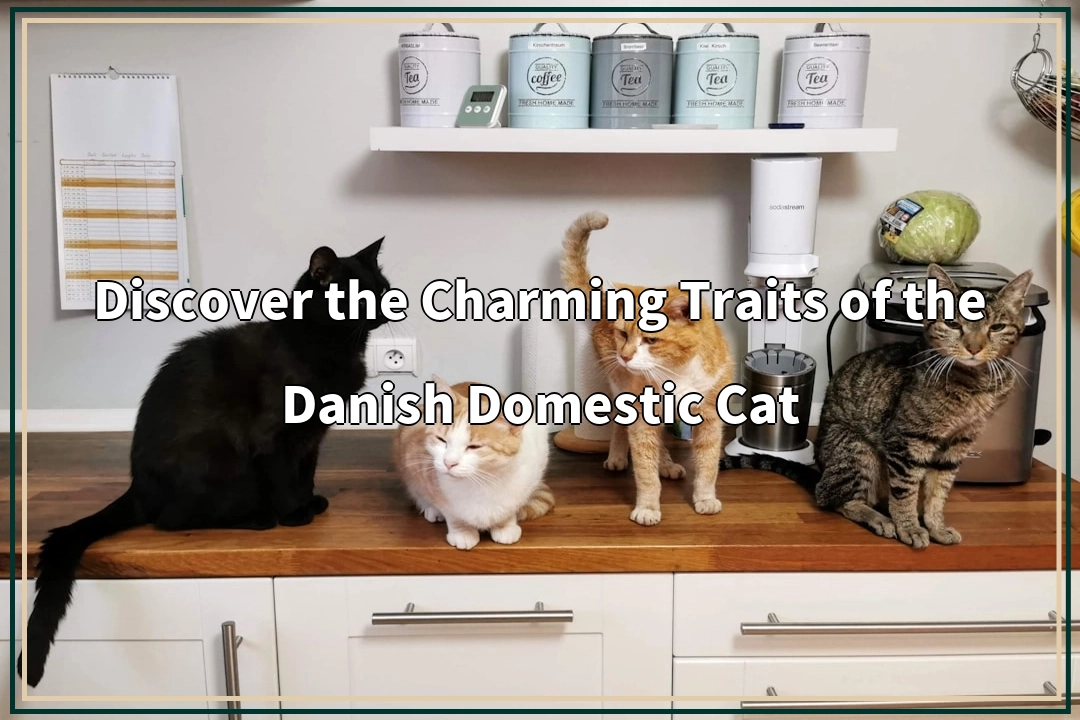
Unveiling the Allure of the Danish Domestic Cat
The Danish Domestic Cat, a breed that embodies charm and companionship, has captured the hearts of cat lovers around the world. Known for their affectionate nature and playful demeanor, these felines are not just pets; they are family members. But what makes the Danish Domestic Cat so special? Is it their striking appearance, their engaging personality, or perhaps their rich history? In this exploration, we will delve into the captivating traits of this breed, uncovering the reasons behind their popularity and the unique characteristics that set them apart from other domestic cats.
Understanding the Danish Domestic Cat
The Danish Domestic Cat is a breed that has evolved over centuries, deeply rooted in the culture and history of Denmark. While the exact origins of this breed are somewhat murky, it is widely believed that they descended from the cats brought to Denmark by Viking seafarers. These early cats were valued for their ability to control rodent populations on ships and in homes, making them essential companions for the Norse explorers.
As Denmark transitioned through various historical phases, so too did the Danish Domestic Cat. The breed adapted to the changing environments and lifestyles of the Danish people, becoming a beloved household pet. Their resilience and adaptability are part of what makes them so endearing to cat enthusiasts today.
In terms of physical characteristics, the Danish Domestic Cat is typically medium to large in size, with a well-proportioned body and a strong, muscular build. Their coat can vary widely in color and pattern, ranging from solid hues to intricate tabby markings. This diversity in appearance adds to their appeal, as potential owners can find a Danish Domestic Cat that fits their aesthetic preferences.
One of the most notable traits of the Danish Domestic Cat is their friendly and sociable nature. These cats are known for their affectionate behavior, often forming strong bonds with their human companions. They thrive on interaction and enjoy being part of family activities, making them excellent pets for households with children or other pets. Their playful demeanor ensures that they remain active and engaged, often entertaining their owners with their antics.
Moreover, the Danish Domestic Cat is characterized by its intelligence. They are quick learners and can be trained to perform various tricks or follow commands. This intelligence, combined with their playful nature, makes them a joy to have around. Owners often find themselves amused by their cleverness and ability to problem-solve, whether it’s figuring out how to open a door or finding the best hiding spot during a game of hide-and-seek.
In terms of care, the Danish Domestic Cat is relatively low-maintenance. Their grooming needs depend on the length and type of their coat, but regular brushing can help keep their fur healthy and free of mats. Additionally, like all cats, they require a balanced diet, regular veterinary check-ups, and plenty of mental and physical stimulation to thrive.
As we continue to explore the Danish Domestic Cat, we will delve deeper into their specific characteristics, care requirements, and what it’s like to live with this delightful breed. From their playful antics to their loving nature, the Danish Domestic Cat is truly a breed that brings joy and companionship to any home.

Distinctive Traits of the Danish Domestic Cat
The Danish Domestic Cat is a breed that showcases a unique blend of physical attributes and personality traits, making them a beloved choice among cat enthusiasts. These cats are known for their medium to large size, with a well-proportioned body that exudes strength and agility. Their muscular build is complemented by a broad head and prominent cheekbones, giving them a distinctive appearance that is both striking and charming.
One of the most captivating aspects of the Danish Domestic Cat is their coat, which can vary significantly in color and pattern. From solid hues to tabby markings, the diversity in their fur adds to their appeal. The coat is typically short to medium in length, requiring minimal grooming, which is a plus for busy pet owners. Their fur is soft and plush, inviting affectionate strokes from their human companions.
In terms of personality, the Danish Domestic Cat is renowned for its friendly and sociable nature. These cats thrive on interaction and are known to form strong bonds with their families. They are often described as affectionate, enjoying cuddles and lap time with their owners. This breed is particularly well-suited for families with children or other pets, as they are generally tolerant and adaptable, making them excellent companions in a bustling household.
Playfulness is another hallmark of the Danish Domestic Cat. They are energetic and curious, often engaging in playful antics that entertain their families. Whether it’s chasing after a feather toy or exploring new nooks and crannies of the home, their inquisitive nature keeps them active and engaged. This playful demeanor not only provides entertainment but also encourages physical activity, which is essential for their overall well-being.
Moreover, the intelligence of the Danish Domestic Cat cannot be overlooked. They are quick learners and can be trained to follow commands or perform tricks. This intelligence, combined with their playful nature, makes them a joy to have around. Owners often find themselves amused by their cleverness, as these cats can devise strategies to achieve their goals, whether it’s getting a treat or finding the best spot to nap.
Overall, the distinctive traits of the Danish Domestic Cat make them a wonderful addition to any home. Their blend of physical beauty, affectionate personality, and playful spirit creates a delightful companion that enriches the lives of those who welcome them into their families.
Essential Care and Health for the Danish Domestic Cat
Caring for a Danish Domestic Cat involves understanding their specific dietary needs and health considerations. A balanced diet is crucial for maintaining their overall health and vitality. These cats thrive on high-quality cat food that is rich in protein, as they are naturally active and require energy to support their playful lifestyle. A diet that includes a mix of wet and dry food can help ensure they receive adequate hydration and nutrition.
When selecting cat food, it’s important to look for options that list meat as the primary ingredient, as this aligns with their carnivorous nature. Additionally, the food should be formulated to meet the specific life stage of the cat, whether they are a kitten, adult, or senior. Kittens, for instance, require more calories and nutrients to support their growth, while senior cats may benefit from food that promotes joint health and mobility.
Regular feeding schedules can help establish a routine, which is beneficial for both the cat and the owner. Portion control is also essential to prevent obesity, a common concern among domestic cats. Owners should monitor their cat’s weight and adjust their food intake as necessary, consulting with a veterinarian if there are any concerns about their weight or eating habits.
In addition to diet, regular veterinary check-ups are vital for the health of the Danish Domestic Cat. Routine vaccinations, parasite control, and dental care are essential components of their healthcare regimen. Regular veterinary visits can help identify potential health issues early, allowing for prompt treatment and management.
Common health concerns for the Danish Domestic Cat may include obesity, dental disease, and certain genetic conditions. Obesity can lead to a host of health problems, including diabetes and joint issues, so maintaining a healthy weight is crucial. Dental health is also important, as periodontal disease can affect their overall health. Regular brushing of their teeth and providing dental treats can help maintain good oral hygiene.
Additionally, it’s important to be aware of any breed-specific health issues that may arise. While the Danish Domestic Cat is generally a healthy breed, some individuals may be prone to certain conditions. Responsible breeding practices can help mitigate these risks, so it’s advisable to choose a reputable breeder who prioritizes the health and well-being of their cats.
Overall, providing proper care and attention to the health of a Danish Domestic Cat is essential for ensuring a long, happy, and healthy life. By focusing on their dietary needs, regular veterinary care, and monitoring for common health concerns, owners can enjoy the companionship of these charming cats for many years to come.

Embracing Life with the Danish Domestic Cat
Welcoming a Danish Domestic Cat into your home is a delightful experience, as these cats are known for their friendly and adaptable nature. Their sociable personality makes them a wonderful addition to various family dynamics, whether you have children, other pets, or a bustling household. Danish Domestic Cats thrive on companionship and are known to form strong bonds with their human families, often following them around the house and seeking out attention.
When it comes to compatibility, Danish Domestic Cats generally get along well with children. Their playful demeanor and patience make them ideal companions for young ones. They enjoy interactive play and are often willing to engage in games, whether it’s chasing a toy or playing hide-and-seek. This breed’s tolerant nature allows them to endure the occasional rough handling that can come from enthusiastic children, making them a family-friendly choice.
In homes with other pets, the Danish Domestic Cat usually adapts well, especially if introduced properly. Their friendly disposition often helps them to coexist harmoniously with dogs and other cats. However, it’s important to supervise initial interactions and provide separate spaces for each pet until they become comfortable with one another. Socialization is key, and early exposure to different animals can foster a more tolerant and friendly attitude in these cats.
Activity needs are an essential consideration when living with a Danish Domestic Cat. These cats are naturally curious and playful, requiring regular stimulation to keep them happy and healthy. Daily play sessions are vital to meet their exercise requirements, and interactive toys can help engage their hunting instincts. Providing climbing structures, scratching posts, and puzzle toys can also enhance their environment, encouraging them to explore and stay active.
Moreover, the Danish Domestic Cat enjoys mental stimulation just as much as physical activity. Engaging them with puzzle feeders or teaching them new tricks can keep their minds sharp and prevent boredom. Regular playtime not only strengthens the bond between owner and cat but also contributes to their overall well-being, helping to reduce stress and anxiety.
Creating a stimulating environment is crucial for this breed. Cats are natural explorers, and providing them with safe spaces to climb, hide, and observe can significantly enhance their quality of life. Consider setting up a window perch where they can watch birds or passersby, or create a cozy nook filled with their favorite toys. By catering to their activity needs, owners can ensure that their Danish Domestic Cat remains happy, healthy, and well-adjusted.
Your Questions Answered: Danish Domestic Cat FAQs
As potential owners consider bringing a Danish Domestic Cat into their homes, several common questions arise regarding their care, behavior, and overall compatibility. Below are some frequently asked questions that can provide clarity and guidance for those interested in this charming breed.
1. What is the temperament of the Danish Domestic Cat?
The Danish Domestic Cat is known for its friendly and sociable nature. They are affectionate and enjoy spending time with their families, making them great companions. Their playful demeanor allows them to engage well with children and other pets.
2. How much exercise does a Danish Domestic Cat need?
This breed requires regular physical and mental stimulation. Daily play sessions, interactive toys, and climbing structures can help keep them active and engaged. It’s important to provide opportunities for both exercise and exploration to ensure their well-being.
3. Are Danish Domestic Cats good with children?
Yes, Danish Domestic Cats are generally good with children. Their patient and tolerant nature allows them to coexist harmoniously with kids, making them a suitable choice for families. However, supervision is always recommended, especially during initial interactions.
4. Do they get along with other pets?
These cats are typically adaptable and can get along well with other pets, including dogs and other cats. Proper introductions and socialization are essential for fostering positive relationships between pets.
5. What should I feed my Danish Domestic Cat?
A balanced diet is crucial for the health of a Danish Domestic Cat. High-quality cat food rich in protein should be the primary component of their diet. It’s essential to choose food formulated for their specific life stage and to monitor their weight to prevent obesity.
6. What are common health concerns for this breed?
While Danish Domestic Cats are generally healthy, common concerns include obesity, dental disease, and certain genetic conditions. Regular veterinary check-ups and proper diet management are vital to maintaining their health.
7. How can I keep my Danish Domestic Cat entertained?
Keeping a Danish Domestic Cat entertained can be achieved through interactive play, puzzle toys, and engaging climbing structures. Regular playtime and mental challenges will help keep them stimulated and prevent boredom.
By addressing these common questions, potential owners can gain valuable insights into the care and lifestyle of the Danish Domestic Cat, ensuring a happy and fulfilling companionship.
