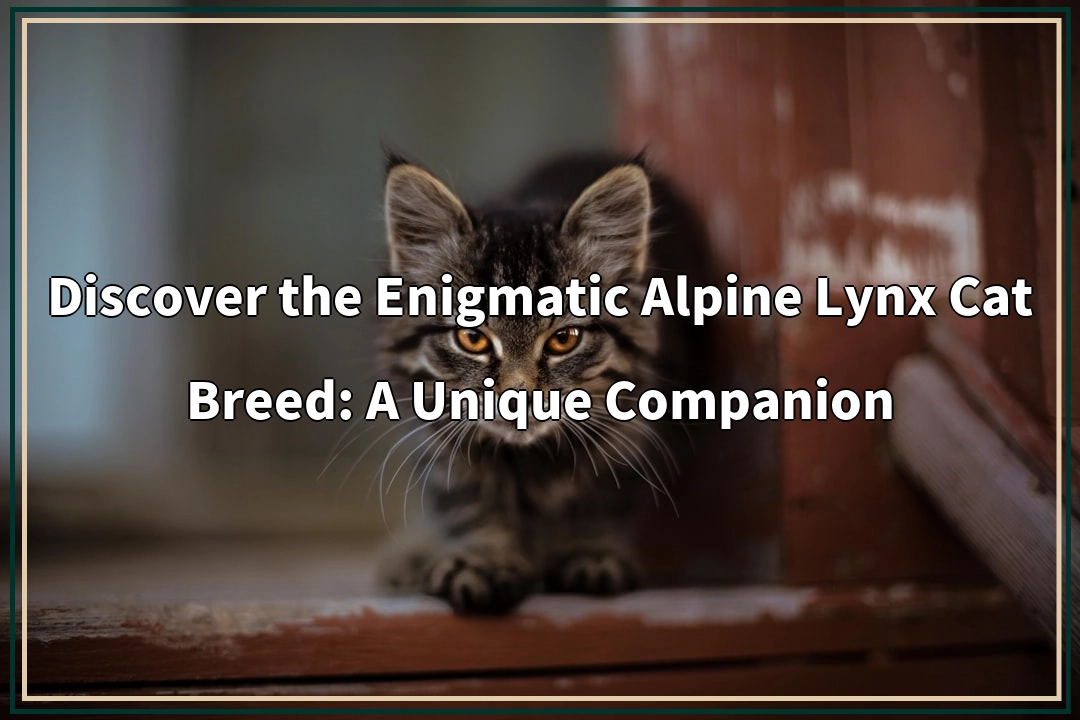
Unveiling the Alpine Lynx: A Fascinating Feline Companion
The Alpine Lynx cat breed is a captivating and unique addition to the world of domestic cats, drawing attention for its striking appearance and intriguing characteristics. As a hybrid breed, the Alpine Lynx combines the wild essence of lynx-like features with the affectionate nature of domestic cats, making it a sought-after companion for cat enthusiasts. But what exactly makes this breed so special? With its distinctive looks and playful demeanor, the Alpine Lynx is not just another cat; it’s a living embodiment of nature’s beauty and a testament to selective breeding practices that aim to capture the wild spirit in a domestic setting.
Many people wonder about the origins of such a unique breed. The Alpine Lynx is a product of careful breeding, designed to create a cat that resembles the wild lynx while maintaining the temperament suitable for family life. This breed is known for its short tail, which is a hallmark of its lynx ancestry, and its ears can be either curled or straight, adding to its exotic appeal. The Alpine Lynx is not just a pretty face; it possesses a playful and affectionate personality that endears it to families and individuals alike.
Understanding the Alpine Lynx Cat Breed
The Alpine Lynx is a relatively new breed that emerged from a combination of various domestic cat breeds, including the Desert Lynx and Highland Lynx. This breed was developed through selective breeding practices aimed at creating a cat that not only looks like a lynx but also has the temperament of a loving pet. The breed is characterized by its striking appearance, which includes a robust body, tufted ears, and a short tail, reminiscent of its wild ancestors.
Originating from the desire to blend the wild aesthetics of lynx-like features with the friendly nature of domestic cats, the Alpine Lynx has quickly gained popularity among cat lovers. The breed is recognized for its unique physical traits, including a muscular build and a coat that can vary in color and pattern. These cats are often described as having a wild and exotic appearance, which is complemented by their playful and affectionate demeanor.
In terms of history, the Alpine Lynx is a product of modern breeding techniques that have sought to create a breed that captures the essence of the wild while being suitable for domestic life. Breeders have carefully selected parent cats that exhibit the desired traits, resulting in a breed that is not only visually stunning but also possesses a temperament that is friendly and engaging. This careful selection process has led to the establishment of the Alpine Lynx as a recognized breed within the cat community.
As a hybrid breed, the Alpine Lynx is often compared to other lynx-like breeds, such as the Desert Lynx and Highland Lynx. However, what sets the Alpine Lynx apart is its unique combination of physical traits and personality. These cats are known for their intelligence and curiosity, making them an engaging companion for families and individuals alike. They thrive on interaction and play, often forming strong bonds with their human companions.
In summary, the Alpine Lynx cat breed is a remarkable blend of wild beauty and domestic charm. With its unique appearance and affectionate nature, it has captured the hearts of many cat lovers. As we delve deeper into the characteristics, care, and living experiences with this breed, it becomes clear that the Alpine Lynx is not just a pet; it’s a unique companion that brings joy and excitement to any household.

Distinctive Traits of the Alpine Lynx Cat Breed
The Alpine Lynx cat breed is known for its striking and distinctive physical traits that set it apart from other domestic cats. This breed exhibits a unique combination of features that echo its wild ancestry, making it a fascinating choice for cat enthusiasts. One of the most notable characteristics of the Alpine Lynx is its robust and muscular build, which is reminiscent of its lynx relatives. These cats are typically medium to large in size, with a well-defined musculature that gives them an athletic appearance.
Another defining feature of the Alpine Lynx is its short tail, which can be either straight or slightly curled. This trait is a direct nod to the breed’s lynx heritage, as wild lynxes are also known for their short tails. The ears of the Alpine Lynx are equally captivating; they can be either curled or straight, adding to the breed’s exotic appeal. These tufted ears are not just for show; they serve a functional purpose, enhancing the cat’s hearing capabilities, which is essential for a predator.
The coat of the Alpine Lynx is another area where this breed shines. It can come in a variety of colors and patterns, ranging from classic tabby to more exotic hues. The fur is typically short to medium in length, dense, and soft to the touch, providing a luxurious feel. This breed’s coat is not only beautiful but also functional, as it helps to insulate the cat in colder climates, reflecting its name and origin.
In terms of personality, the Alpine Lynx is known for its playful and affectionate nature. These cats are highly social and thrive on interaction with their human companions. They are often described as intelligent and curious, making them engaging pets that enjoy exploring their environment. Their playful demeanor means they require regular mental and physical stimulation, so interactive toys and playtime are essential for their well-being.
Overall, the Alpine Lynx cat breed is a stunning example of nature’s beauty combined with the affectionate qualities of domestic cats. Their unique physical traits, coupled with their engaging personalities, make them a popular choice for those looking for a distinctive feline companion.
Essential Care and Health Considerations for the Alpine Lynx
Caring for an Alpine Lynx involves understanding their specific needs to ensure they lead a healthy and fulfilling life. One of the most critical aspects of their care is their diet. A well-balanced diet is essential for maintaining their energy levels and overall health. These cats require high-quality cat food that is rich in protein, as they are naturally active and need the energy to support their playful nature. Look for cat food that lists meat as the primary ingredient, as this aligns with their carnivorous diet.
In addition to protein, it’s important to ensure that the diet includes essential fatty acids, vitamins, and minerals. Omega-3 and Omega-6 fatty acids are particularly beneficial for maintaining healthy skin and a shiny coat. Fresh water should always be available, and it’s advisable to monitor their water intake, as hydration is crucial for their overall health.
Health-wise, the Alpine Lynx is generally considered a robust breed; however, like all cats, they can be prone to certain health issues. Regular veterinary check-ups are essential to catch any potential problems early. Some common health concerns for the Alpine Lynx may include hip dysplasia, which is a genetic condition that affects the hip joint, and certain heart conditions that can occur in cats. Regular health screenings can help identify these issues before they become serious.
Another aspect of care involves dental health. Dental disease is common in cats, and maintaining good oral hygiene is crucial. Regular brushing of their teeth, along with dental treats or toys designed to promote dental health, can help prevent plaque buildup and keep their teeth healthy.
Grooming is also an important part of caring for an Alpine Lynx. Although they have a short to medium coat, regular brushing helps to remove loose fur and reduce shedding. This is especially important during shedding seasons. Additionally, grooming sessions can be a great bonding experience between the cat and its owner.
Finally, providing mental stimulation is vital for the Alpine Lynx’s well-being. These cats are intelligent and require interactive play to keep them engaged. Puzzle toys, climbing structures, and regular playtime with their owners can help satisfy their curiosity and prevent boredom.
In summary, the Alpine Lynx cat breed requires a well-rounded approach to care that includes a nutritious diet, regular veterinary check-ups, dental hygiene, grooming, and mental stimulation. By understanding and meeting these needs, owners can ensure that their Alpine Lynx remains a happy and healthy companion for years to come.

Adapting to Life with the Alpine Lynx Cat Breed
Welcoming an Alpine Lynx into your home can be a rewarding experience, as these cats are known for their unique blend of wild charm and affectionate nature. Understanding how this breed interacts with families and other pets is essential for ensuring a harmonious household. The Alpine Lynx is typically very social and enjoys being part of family activities. They thrive on interaction, making them excellent companions for families with children. Their playful demeanor means they often engage in games, making playtime a favorite activity for both kids and cats alike.
When it comes to compatibility with other pets, the Alpine Lynx generally adapts well to living with dogs and other cats, especially if introduced at a young age. Their curious and playful nature can make them seem less intimidating to other animals, fostering friendships rather than rivalries. However, as with any breed, it’s essential to monitor initial interactions to ensure all pets feel comfortable and safe. Proper introductions can help ease any potential tensions, allowing for a peaceful cohabitation.
Activity needs are a crucial consideration when bringing an Alpine Lynx into your home. This breed is known for its high energy levels and playful disposition. They require regular exercise and mental stimulation to keep them happy and healthy. Daily play sessions with interactive toys, such as feather wands or laser pointers, are excellent ways to engage their natural hunting instincts. Additionally, providing climbing structures and scratching posts can help satisfy their desire to explore and climb, mimicking their natural behaviors.
Due to their intelligence, Alpine Lynx cats benefit from puzzle toys and games that challenge their minds. Activities that encourage problem-solving can help prevent boredom and the destructive behaviors that sometimes accompany it. Cat trees, tunnels, and engaging toys can transform your home into an enriching environment for your Alpine Lynx, allowing them to thrive.
Another important aspect of living with an Alpine Lynx is ensuring they have a safe and stimulating environment. This breed enjoys being part of the action and may become anxious if left alone for long periods. Therefore, it’s ideal for owners to spend quality time with their Alpine Lynx or consider adopting a second pet to keep them company. Their sociable nature means they often appreciate the company of another animal, which can help alleviate feelings of loneliness.
In summary, adapting to life with an Alpine Lynx involves understanding their social nature, activity requirements, and need for mental stimulation. With the right environment and companionship, these unique cats can flourish, bringing joy and companionship to their families.
Your Alpine Lynx Questions Answered
As interest in the Alpine Lynx cat breed grows, potential owners often have many questions about their care, characteristics, and suitability as pets. Below, we address some of the most frequently asked questions regarding this fascinating breed.
1. What is the personality of the Alpine Lynx like?
The Alpine Lynx is known for its friendly, playful, and affectionate personality. These cats are social creatures that thrive on interaction with their human companions and can get along well with children and other pets.
2. How much exercise does an Alpine Lynx need?
Alpine Lynx cats are active and require regular exercise to keep them physically and mentally stimulated. Daily play sessions, interactive toys, and climbing structures are essential to meet their activity needs.
3. Are Alpine Lynx cats good with children?
Yes, Alpine Lynx cats are generally very good with children. Their playful nature and sociable demeanor make them excellent companions for families. However, it’s important to teach children how to interact gently with pets.
4. What should I feed my Alpine Lynx?
Feeding an Alpine Lynx a high-quality diet rich in protein is crucial for their health. Look for cat food that lists meat as the primary ingredient, and ensure they have access to fresh water at all times.
5. Do Alpine Lynx cats have any specific health concerns?
While the Alpine Lynx is generally a healthy breed, they can be prone to certain genetic health issues such as hip dysplasia and heart conditions. Regular veterinary check-ups are essential for monitoring their health.
6. How do I groom an Alpine Lynx?
Grooming an Alpine Lynx is relatively easy due to their short to medium coat. Regular brushing helps to reduce shedding and maintain a healthy coat. Dental care and nail trimming are also important aspects of grooming.
7. Can Alpine Lynx cats be left alone during the day?
Alpine Lynx cats may experience anxiety if left alone for extended periods. They thrive on companionship, so it’s ideal to spend time with them or consider having another pet for company.
These frequently asked questions aim to provide potential owners with a clearer understanding of what it’s like to live with an Alpine Lynx. By addressing common concerns and curiosities, prospective owners can feel more prepared to welcome this unique breed into their homes.
