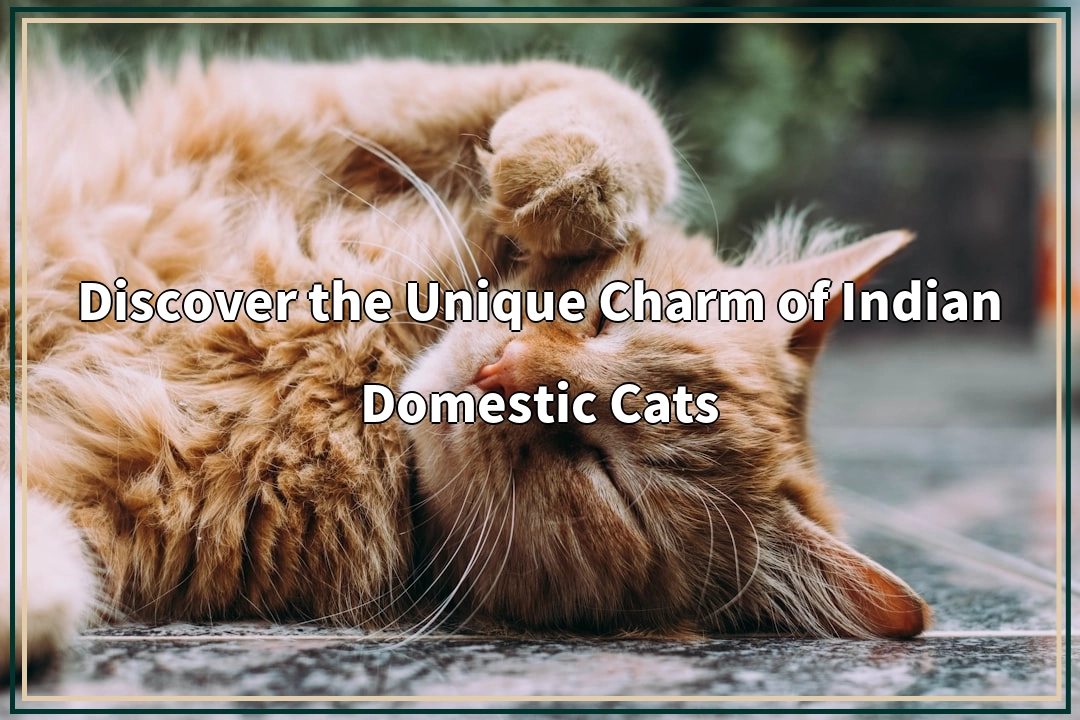
Unveiling the Allure of Indian Domestic Cats
When it comes to feline companions, few breeds capture the heart quite like the Indian Domestic Cat. Known for their charming personalities and adaptability, these cats have become beloved members of households across India and beyond. But what makes them so special? Are they just another breed, or do they possess unique traits that set them apart? In this exploration, we will delve into the fascinating world of Indian Domestic Cats, uncovering their history, characteristics, and the reasons behind their growing popularity.
Understanding the Indian Domestic Cat
The Indian Domestic Cat, often referred to simply as the “Indian cat,” is a breed that embodies the rich cultural tapestry of India. Unlike many purebred cats that have been meticulously developed through selective breeding, the Indian Domestic Cat is a product of natural selection, thriving in diverse environments across the subcontinent. This breed is not only a testament to the adaptability of felines but also a reflection of the historical and social dynamics of India.
Originating from the wildcats that roamed the Indian subcontinent, these cats have evolved over centuries to become well-suited to the local climate and lifestyle. They are often seen in urban areas, rural villages, and even temples, where they have formed symbiotic relationships with humans. The Indian Domestic Cat is known for its resilience, intelligence, and playful nature, making it a popular choice for families and individuals alike.
One of the most intriguing aspects of the Indian Domestic Cat is its diverse appearance. Unlike standardized breeds, these cats come in a variety of colors, patterns, and sizes. You may encounter sleek black cats, fluffy tabbies, or even striking calicos, each with its own unique personality. This diversity is a result of their mixed heritage, as they have interbred with various local and foreign breeds over time.
In terms of temperament, Indian Domestic Cats are known for their friendly and sociable nature. They are often described as affectionate companions who enjoy spending time with their human families. Their playful antics and curious personalities make them entertaining pets, and they are known to form strong bonds with their owners. Whether it’s chasing after a toy or curling up on a lap, these cats thrive on interaction and companionship.
Moreover, the Indian Domestic Cat is well-adapted to the Indian climate. With their short to medium-length coats, they can comfortably navigate the heat and humidity of the region. Their agility and hunting instincts also make them effective at controlling pests, which is one of the reasons they have been welcomed into homes and communities throughout India.
As we explore the characteristics and care of Indian Domestic Cats, it becomes clear that they are more than just pets; they are a part of the cultural fabric of India. Their presence in homes, streets, and temples speaks to their significance in the lives of many. In the following sections, we will delve deeper into the specific traits that define this breed, as well as the care and health considerations that every owner should keep in mind.
In summary, the Indian Domestic Cat is a breed that embodies resilience, adaptability, and charm. With their rich history and diverse characteristics, they have earned a special place in the hearts of cat lovers around the world. As we continue our journey into the world of these fascinating felines, we will uncover more about their unique traits and the joys of living with them.

Distinctive Traits of Indian Domestic Cats
The Indian Domestic Cat is a unique blend of charm, adaptability, and character. These cats are not just pets; they are companions that reflect the rich cultural heritage of India. One of the most striking features of Indian Domestic Cats is their incredible diversity in appearance. Unlike standardized breeds, they come in a wide array of colors, patterns, and sizes, making each cat a unique individual. You might encounter sleek black cats, fluffy tabbies, or vibrant calicos, each showcasing a distinct personality.
In terms of physical characteristics, Indian Domestic Cats typically possess a medium build with a well-proportioned body. Their coat lengths can vary from short to medium, allowing them to thrive in the warm Indian climate. The most common coat colors include shades of brown, gray, black, and cream, often with striking patterns such as stripes, spots, or patches. This variety is a result of their mixed ancestry, as they have interbred with various local and foreign breeds over generations.
Behaviorally, Indian Domestic Cats are known for their friendly and sociable nature. They are generally affectionate and enjoy interacting with their human families. Their playful antics and curious demeanor make them entertaining companions, and they often engage in playful behaviors such as chasing after toys or pouncing on imaginary prey. This playful nature is not only endearing but also essential for their mental stimulation and overall well-being.
Moreover, Indian Domestic Cats are highly adaptable. They can thrive in various living environments, whether it be a bustling urban apartment or a quiet rural home. Their ability to adjust to different surroundings is a testament to their resilience and intelligence. These cats are also known for their hunting instincts, which make them effective at controlling pests in and around the home. This natural behavior has historically made them valuable companions for farmers and households alike.
Another notable characteristic of Indian Domestic Cats is their vocalization. They are known to communicate with a range of sounds, from soft purrs to loud meows, expressing their needs and emotions. This vocal communication fosters a strong bond between the cat and its owner, enhancing the companionship experience.
Essential Care and Health for Indian Domestic Cats
Caring for an Indian Domestic Cat involves understanding their specific needs to ensure a happy and healthy life. One of the most critical aspects of their care is nutrition. A balanced diet is essential for maintaining their overall health and well-being. Indian Domestic Cats thrive on a diet that includes high-quality protein sources, such as chicken, fish, or lamb, which are vital for their muscle development and energy levels. Additionally, incorporating a mix of wet and dry food can help keep them hydrated and support their dental health.
It’s important to provide a diet that is rich in essential nutrients, including vitamins and minerals. Cats are obligate carnivores, meaning they require certain nutrients that are found primarily in animal products. Taurine, for example, is an amino acid that is crucial for heart health and vision. Ensuring that their food contains adequate levels of taurine, along with other essential nutrients, is vital for their overall health.
In addition to diet, regular veterinary check-ups are crucial for monitoring the health of Indian Domestic Cats. Common health concerns include obesity, dental issues, and parasites. Obesity can be a significant issue, especially in indoor cats, as it can lead to various health problems, including diabetes and joint issues. Regular exercise and playtime are essential to keep them active and maintain a healthy weight.
Dental health is another important aspect of care. Regular brushing of their teeth and providing dental treats can help prevent plaque buildup and dental diseases. Additionally, keeping an eye out for signs of dental issues, such as bad breath or difficulty eating, is crucial for their well-being.
Parasite control is also an essential part of caring for Indian Domestic Cats. Regular deworming and flea prevention measures can help protect them from common parasites that can affect their health. It’s advisable to consult with a veterinarian for the best preventive measures tailored to your cat’s lifestyle and environment.
In summary, understanding the distinctive traits and care requirements of Indian Domestic Cats is vital for any owner. By providing a balanced diet, regular veterinary care, and attention to their health needs, you can ensure that your feline companion lives a long, happy, and healthy life. These cats not only enrich our lives with their presence but also require our commitment to their well-being in return.

Embracing Life with Indian Domestic Cats
Living with an Indian Domestic Cat is a rewarding experience that brings joy and companionship into the home. These cats are known for their friendly and adaptable nature, making them excellent family pets. They generally get along well with children and can be very affectionate, often seeking out attention and playtime with their human companions. Their sociable demeanor means they thrive in environments where they can interact with people and other pets.
When introducing an Indian Domestic Cat to a household with other pets, it’s essential to do so gradually. Their friendly disposition usually allows them to adjust well to other cats and even dogs, especially if they are socialized from a young age. However, it’s crucial to monitor their interactions initially to ensure a harmonious living situation. Providing separate spaces for each pet can help ease the transition and prevent territorial disputes.
In terms of activity needs, Indian Domestic Cats are playful and energetic. They enjoy engaging in interactive play, such as chasing after toys or climbing on cat trees. Regular playtime is vital to keep them mentally and physically stimulated, as boredom can lead to destructive behavior. Engaging them with a variety of toys, including feather wands, laser pointers, and puzzle toys, can provide the necessary exercise and mental challenges.
It’s also important to create a stimulating environment for these cats. They love to explore their surroundings, so providing climbing structures, scratching posts, and safe outdoor access can enhance their quality of life. Whether living in an apartment or a house, ensuring they have space to roam and explore is essential for their well-being. Additionally, incorporating elements like cat-friendly plants and hiding spots can add excitement to their environment.
Moreover, Indian Domestic Cats are known for their vocal nature. They often communicate through a range of sounds, including soft purrs, meows, and chirps. This vocalization can be an endearing aspect of their personality, as they express their needs and desires. Being responsive to their communication helps strengthen the bond between the cat and its owner, creating a deeper connection.
Your Questions Answered: Indian Domestic Cats
As with any pet, potential owners often have questions about the Indian Domestic Cat. Here are some frequently asked questions that can provide further insight into this charming breed:
What is the average lifespan of an Indian Domestic Cat?
Indian Domestic Cats typically have a lifespan of 12 to 15 years, though some can live into their late teens with proper care. Factors such as diet, healthcare, and living conditions play a significant role in their longevity.
Are Indian Domestic Cats good with children?
Yes, Indian Domestic Cats are generally good with children. Their playful and affectionate nature makes them great companions for kids. However, it’s essential to teach children how to interact gently with cats to ensure a positive relationship.
Do Indian Domestic Cats require special grooming?
Grooming needs for Indian Domestic Cats depend on their coat type. Generally, they have short to medium-length fur, which requires minimal grooming. Regular brushing can help reduce shedding and prevent matting, particularly during shedding seasons.
What kind of diet is best for Indian Domestic Cats?
A balanced diet rich in high-quality protein is essential for Indian Domestic Cats. Feeding them a combination of wet and dry food can provide the necessary nutrients and hydration. It’s important to consult with a veterinarian to determine the best dietary plan based on their age, activity level, and health needs.
Are Indian Domestic Cats prone to any health issues?
While Indian Domestic Cats are generally healthy, they can be susceptible to common feline health issues such as obesity, dental problems, and parasites. Regular veterinary check-ups, vaccinations, and preventive care are crucial for maintaining their health.
Can Indian Domestic Cats be kept indoors?
Yes, Indian Domestic Cats can thrive as indoor pets. Providing a stimulating environment with toys, climbing structures, and interactive playtime is essential for their mental and physical well-being. If possible, allowing them supervised outdoor access can also enrich their lives.
In conclusion, embracing life with an Indian Domestic Cat is a fulfilling experience that offers companionship, joy, and entertainment. Their friendly nature and adaptability make them wonderful additions to any household. By understanding their needs and providing proper care, owners can ensure that these charming cats lead happy and healthy lives.
