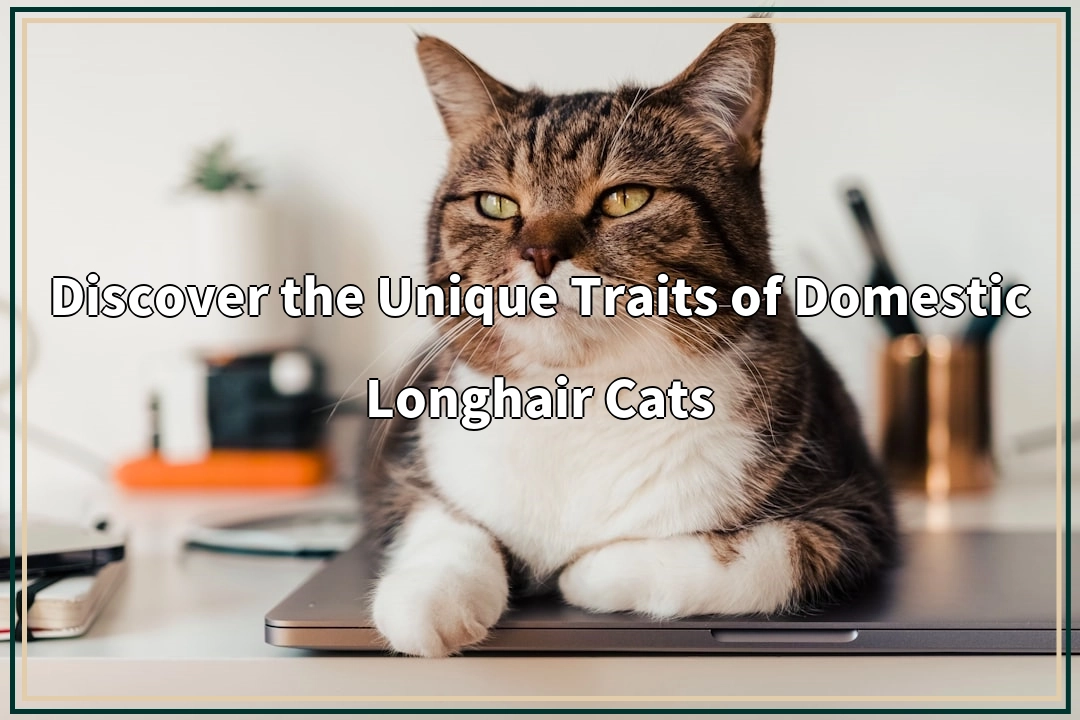
Unveiling the Charm of Domestic Longhair Cats
When it comes to feline companions, few breeds capture the hearts of cat lovers quite like the Domestic Longhair. These fluffy, affectionate cats are not only known for their stunning coats but also for their unique personalities and adaptability. If you’ve ever wondered what makes Domestic Longhair cats so special, you’re not alone. Many potential cat owners find themselves drawn to these enchanting creatures, often asking questions about their traits, care needs, and overall temperament. In this exploration, we will delve into the captivating world of Domestic Longhair cats, uncovering the traits that make them a beloved choice for families and individuals alike.
Understanding Domestic Longhair Cats
The Domestic Longhair is not a specific breed but rather a category that encompasses a variety of longhaired cats. This classification includes cats with long, flowing fur that can come in a multitude of colors and patterns. Unlike purebred cats, Domestic Longhairs are often mixed-breed felines, which contributes to their diverse appearances and temperaments. They are typically characterized by their soft, luxurious coats, which require regular grooming to prevent matting and tangles.
Originating from a mix of various longhaired breeds, Domestic Longhairs have a rich history that dates back centuries. These cats were often found in homes and farms, serving as natural pest controllers while also providing companionship to their human families. Their adaptability and resilience have allowed them to thrive in various environments, from rural settings to urban apartments.
One of the most appealing aspects of Domestic Longhair cats is their affectionate nature. They are known to form strong bonds with their human companions, often seeking out attention and affection. This breed is typically friendly and sociable, making them excellent pets for families with children or other pets. However, it’s important to note that individual personalities can vary widely, as Domestic Longhairs come from diverse genetic backgrounds.
In terms of care, Domestic Longhair cats require regular grooming to maintain their beautiful coats. Their long fur can easily become tangled or matted, so brushing them several times a week is essential. Additionally, these cats benefit from a balanced diet and regular veterinary check-ups to ensure their overall health and well-being.
As we explore the unique traits of Domestic Longhair cats, we will also discuss their grooming needs, health considerations, and tips for living harmoniously with these delightful felines. Whether you’re considering adopting a Domestic Longhair or simply want to learn more about this captivating category of cats, understanding their characteristics and care requirements is key to ensuring a happy and fulfilling relationship with your furry friend.
In summary, Domestic Longhair cats are a wonderful choice for those seeking a loving and adaptable companion. Their stunning coats, affectionate personalities, and diverse backgrounds make them a unique addition to any household. As we continue to explore the traits and care of these charming cats, you’ll discover why they hold a special place in the hearts of cat lovers around the world.

Distinctive Traits of Domestic Longhair Cats
Domestic Longhair cats are celebrated for their unique blend of physical and behavioral traits that set them apart from other feline companions. One of the most striking features of these cats is their luxurious, flowing coats, which can come in a myriad of colors and patterns. This diversity is a result of their mixed-breed heritage, as Domestic Longhairs are not a specific breed but rather a category that includes various longhaired cats. Their coats require regular grooming to prevent matting and tangling, making them a commitment for any potential owner.
Beyond their beautiful fur, Domestic Longhair cats are known for their affectionate and sociable nature. They tend to form strong bonds with their human families, often seeking out companionship and attention. This breed is generally friendly and adaptable, making them well-suited for various living situations, from bustling households to quieter environments. Their playful demeanor and curiosity often lead them to engage in interactive play, which can be a delightful experience for both the cat and its owner.
In terms of personality, Domestic Longhairs can exhibit a range of temperaments. While many are outgoing and sociable, some may be more reserved or independent. This variability is influenced by their diverse genetic backgrounds, which can result in a mix of traits from different breeds. As such, potential owners should be prepared for a variety of personalities within this category, ensuring they find a cat that matches their lifestyle and preferences.
Additionally, Domestic Longhair cats are known for their intelligence and problem-solving abilities. They often enjoy interactive toys and puzzles that challenge their minds, keeping them engaged and entertained. This mental stimulation is essential for their overall well-being, as it helps prevent boredom and associated behavioral issues.
Essential Care and Health Considerations for Domestic Longhairs
Caring for a Domestic Longhair cat involves several important considerations to ensure their health and happiness. One of the primary aspects of their care is grooming. Due to their long fur, these cats require regular brushing to prevent mats and tangles. Ideally, owners should brush their Domestic Longhairs several times a week, or even daily, especially during shedding seasons. This not only keeps their coats looking beautiful but also helps reduce hairballs and promotes healthy skin.
In addition to grooming, a balanced diet is crucial for the health of Domestic Longhair cats. These felines require a diet rich in high-quality protein to support their energy levels and maintain their muscle mass. It’s essential to choose cat food that lists meat as the primary ingredient, along with appropriate levels of fats and carbohydrates. Additionally, providing fresh water at all times is vital for their hydration and overall health.
Regular veterinary check-ups are also an essential part of caring for Domestic Longhair cats. Routine examinations can help identify potential health issues early on, allowing for timely intervention. Common health concerns for this breed include obesity, dental issues, and certain genetic predispositions. Maintaining a healthy weight is particularly important, as Domestic Longhairs can be prone to weight gain due to their less active lifestyle compared to some other breeds. Owners should monitor their cat’s weight and adjust their diet and exercise accordingly.
Dental health is another critical aspect of care for Domestic Longhairs. Regular dental cleanings, either at home or through professional veterinary services, can help prevent periodontal disease and other dental issues. Providing dental treats or toys designed to promote oral health can also be beneficial.
Overall, the care and health of Domestic Longhair cats require a commitment to grooming, nutrition, and regular veterinary visits. By addressing these essential needs, owners can ensure their furry companions lead happy, healthy lives, filled with love and companionship.

Embracing Life with Domestic Longhair Cats
Domestic Longhair cats are not only known for their beautiful coats but also for their engaging personalities and adaptability, making them excellent companions for various lifestyles. Understanding how to live harmoniously with these feline friends is crucial for both the cat and the owner. Their compatibility with families, other pets, and their activity needs are important factors to consider when bringing a Domestic Longhair into your home.
One of the most endearing qualities of Domestic Longhair cats is their sociable nature. They often thrive in family environments, bonding closely with both adults and children. Their playful and affectionate demeanor makes them ideal companions for families looking for a loving pet. Domestic Longhairs generally enjoy being involved in family activities, whether it’s curling up on the couch during movie night or playing interactive games with the kids. However, it’s essential to teach children how to interact gently with cats to ensure a positive relationship.
In homes with multiple pets, Domestic Longhairs can also adapt well, especially if they are introduced gradually. Their friendly disposition often allows them to coexist peacefully with dogs and other cats. However, like any cat, individual personalities will vary, and some Domestic Longhairs may prefer solitude or may be more cautious around new animals. Providing a safe space for them to retreat to can help ease any stress during introductions.
When it comes to activity needs, Domestic Longhair cats can be playful and energetic, but they also enjoy lounging around. This breed typically exhibits a moderate activity level, which means they appreciate interactive play sessions as well as time spent relaxing. Engaging them with toys, such as feather wands, laser pointers, or puzzle feeders, can provide both physical and mental stimulation. It’s important to schedule regular playtime to keep them active and prevent boredom, which can lead to undesirable behaviors.
While they may enjoy short bursts of activity, Domestic Longhairs also value their downtime. Providing cozy spots around the house for napping and lounging is essential for their well-being. They are known to seek out sunny windowsills or soft blankets where they can relax and observe their surroundings. This balance of play and rest contributes to a happy and healthy Domestic Longhair.
Your Questions Answered: Domestic Longhair Cats
As a potential or current owner of a Domestic Longhair cat, you may have several questions about their care, behavior, and unique traits. This FAQ section aims to address some common inquiries that cat lovers often have regarding this charming breed.
1. What is the average lifespan of a Domestic Longhair cat?
The average lifespan of a Domestic Longhair cat ranges from 12 to 15 years, but with proper care, some can live into their late teens or even early twenties. Factors such as diet, veterinary care, and overall lifestyle play significant roles in their longevity.
2. Do Domestic Longhair cats shed a lot?
Yes, Domestic Longhairs do shed, and their long fur can lead to more visible hair around the home. Regular grooming is essential to minimize shedding and keep their coats healthy. During shedding seasons, daily brushing may be necessary to reduce loose fur and prevent matting.
3. Are Domestic Longhair cats hypoallergenic?
No, Domestic Longhair cats are not considered hypoallergenic. They produce allergens in their saliva, skin, and urine, which can affect allergy sufferers. If you have allergies, it’s best to spend time with the breed before bringing one home to see how you react.
4. How much grooming do Domestic Longhairs require?
Domestic Longhair cats require regular grooming to maintain their coats. It is recommended to brush them at least two to three times a week, and more frequently during shedding seasons. Regular grooming helps prevent matting and promotes healthy skin.
5. What type of food is best for a Domestic Longhair cat?
A high-quality, protein-rich diet is essential for Domestic Longhair cats. Look for cat food that lists meat as the primary ingredient, along with appropriate levels of fats and carbohydrates. Always provide fresh water and consult your veterinarian for specific dietary recommendations.
6. Are Domestic Longhair cats good with children?
Yes, Domestic Longhair cats tend to be friendly and sociable, making them great companions for families with children. However, it’s important to teach children how to interact with cats gently and respectfully to ensure a positive relationship.
7. Do Domestic Longhair cats need special veterinary care?
Like all cats, Domestic Longhairs benefit from regular veterinary check-ups, vaccinations, and preventive care. They may be prone to certain health issues, such as obesity and dental problems, so it’s crucial to monitor their health and seek veterinary advice as needed.
By understanding the characteristics and needs of Domestic Longhair cats, potential owners can create a loving and nurturing environment for these delightful companions. Their unique traits and engaging personalities make them a joy to have in any home.
