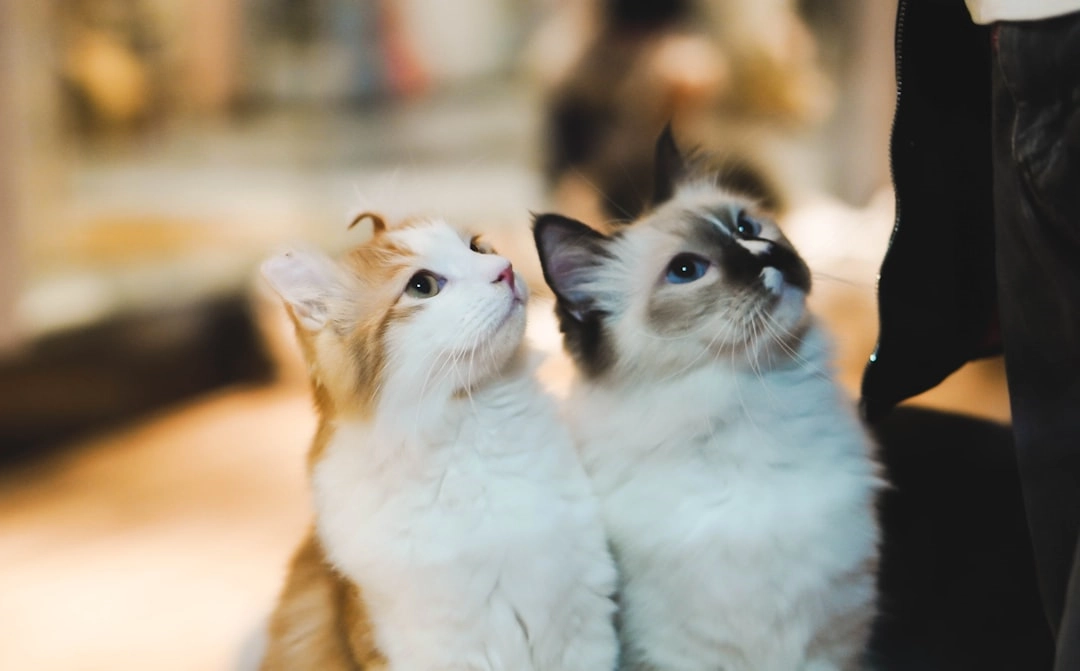
Building Strong Bonds: Connecting with Your Cat
When it comes to our feline friends, understanding how to encourage positive interactions is essential for fostering a loving and trusting relationship. Cats are often seen as independent creatures, but they thrive on social connections and emotional bonds with their human companions. Did you know that a cat’s purring can indicate not only contentment but also a way of self-soothing? This fascinating behavior is just one of the many ways cats communicate their feelings and needs. By learning to interpret these signals, we can create an environment that promotes positive connections and enhances our cats’ overall well-being.
Encouraging positive connections with your cat involves understanding their unique behaviors and responding appropriately. Many cat owners may wonder why their pets exhibit certain behaviors, such as kneading or head-butting. These actions are not just random; they stem from instinctual behaviors that have been ingrained in cats over thousands of years. By recognizing the underlying motivations for these behaviors, we can better engage with our cats and strengthen our bond with them.
Moreover, creating a stimulating environment is crucial for encouraging positive interactions. Cats are naturally curious and playful animals, and providing them with opportunities for enrichment can lead to happier and healthier pets. Interactive toys, climbing structures, and designated playtime can all contribute to a more fulfilling life for your cat. When cats feel mentally and physically stimulated, they are more likely to engage positively with their human companions.
Decoding Feline Behavior: Insights into Your Cat’s Mind
Understanding feline behavior is key to fostering a positive relationship with your cat. Cats communicate through a variety of vocalizations, body language, and behaviors that can sometimes be puzzling to their human counterparts. For instance, when a cat rubs its head against you, it is not just seeking affection; it is also marking you with its scent, claiming you as part of its territory. This behavior is a sign of trust and affection, indicating that your cat feels safe and secure in your presence.
Another common behavior is kneading, where cats push their paws in and out against a soft surface. This action is reminiscent of kittenhood when they kneaded their mother’s belly to stimulate milk flow. As adult cats, kneading can signify comfort and contentment, often seen when they are relaxed and happy. Understanding these behaviors allows you to respond in ways that reinforce positive interactions, such as providing gentle petting or a cozy spot for them to knead.
Scratching is another instinctual behavior that serves multiple purposes. Cats scratch to mark their territory, keep their claws healthy, and stretch their muscles. Providing appropriate scratching posts and encouraging their use can prevent destructive scratching on furniture while promoting a positive outlet for this natural behavior. By understanding the reasons behind scratching, you can redirect your cat’s energy toward acceptable alternatives, reinforcing a positive connection.
Additionally, recognizing the significance of purring can deepen your understanding of your cat’s emotional state. While purring is often associated with contentment, it can also occur when a cat is in pain or feeling anxious. Paying attention to the context in which your cat purrs can help you gauge their mood and respond appropriately. If your cat is purring while curled up next to you, it likely indicates a sense of security and happiness. However, if they are purring while hiding or displaying signs of distress, it may be time to investigate further.
Understanding the natural instincts and behaviors of your cat is essential for fostering a positive relationship. Each cat is unique, and their behaviors can vary based on breed, personality, and individual experiences. For example, some breeds, like the Siamese, are known for their vocal nature and social tendencies, while others, like the Maine Coon, may exhibit more laid-back and independent behaviors. By recognizing these breed-specific traits, you can tailor your interactions to better suit your cat’s personality, enhancing your bond.
In conclusion, encouraging positive connections with your cat requires a deep understanding of their behavior and instincts. By decoding their actions and responding appropriately, you can create a nurturing environment that fosters trust and affection. Remember, every interaction is an opportunity to strengthen your bond, so take the time to observe, engage, and enjoy the unique personality of your feline companion.
Essential Skills for Building Trust: Training Your Cat
Training your cat is a vital part of establishing a strong bond between you and your furry companion. Unlike dogs, cats can often appear more aloof, but they are indeed trainable and responsive to techniques aimed at enriching their lives and strengthening your relationship. Engaging in training not only equips your feline friend with essential skills but also fosters a harmonious household environment. It encourages acceptable behaviors, facilitates communication, and is integral to overall well-being. When you invest time into training your cat, both you and your pet can lead happier lives together.
The first step in cat training involves understanding how these clever creatures learn and respond to different stimuli. Positive reinforcement is a fundamental principle of effective training techniques. Unlike punitive training methods that can instill fear and anxiety in pets, positive reinforcement focuses on rewarding desired behaviors, thus encouraging them to repeat these actions. Whether through treats, praise, or even playtime, leveraging your cat’s favorite things as rewards can significantly impact the training process.
To implement successful training, start with small and manageable tasks. This can range from simple commands like ‘sit’ to litter box training. Understanding that every cat is unique in their pace of learning is crucial; some may grasp a concept immediately, while others might take some time. Hence, patience is critical in making training an enriching and enjoyable experience for both you and your pet.
It’s recommended that each training session lasts between 5-10 minutes, as cats have shorter attention spans than other pets. Sessions should be frequent throughout the day but not too lengthy. Always conclude sessions on a positive note to avoid creating stress or aversion toward training routines. With a gentle approach, cats can learn a multitude of fun tricks and behaviors such as high-fives or fetching small toys.
Additionally, utilizing clicker training can be an effective method. Clicker training employs a distinctive sound that marks desired behaviors followed immediately by a reward, teaching your cat to associate the sound with a positive outcome. Gradually introducing the clicker and rewarding every successful action can significantly enhance training outcomes.
Navigating Challenges: Solutions for Behavioral Problems
Even the most well-behaved cats can present behavioral challenges from time to time. Recognizing these behaviors early and understanding their underlying causes is fundamental to finding solutions. Common issues many cat owners encounter include scratching furniture, aggression, or inconsistent litter box habits. Each behavioral concern can typically be addressed using constructive and mindful methods.
Understanding the nature of scratching is an excellent place to start. Cats, by design, possess an instinctive need to scratch for several reasons: it helps them groom their claws, mark their territory, and stretch their muscles. Instead of punishing them for this behavior, providing a designated scratching post or other engaging alternatives encourages them to scratch where it is appropriate. Position these alternatives in places your cat commonly frequents and ensure they are stable and attractive to use.
If your cat exhibits aggressive tendencies, it is vital to analyze the context of their behavior. Aggression in cats can arise due to fear, territorial disputes, or playfulness that has escalated. Always approach aggressive cats with caution, allowing them to feel secure before intervening. When you notice warning signs of impending aggression, such as hissing, back arched, or flattened ears, give your cat space to avoid escalating the situation further.
Consultation with a veterinarian or a cat behaviorist can become necessary if behavioral problems persist, especially in situations that jeopardize the safety of the cat, other animals, or even humans in the household. A professional can provide insight into any underlying medical issues contributing to erratic behavior, paving the way for better and tailored strategies.
For instances like inconsistent litter box usage, the key is a proactive approach: ensure the litter box is clean, placed in a convenient location, and offers preferred litter substrates. If changes to the litter or box occur, cats might exhibit avoidance behavior, resulting in potty issues outside of designated areas.
Concerning older cats, it’s common for new behavioral issues to arise, often directly correlating to aging changes. The integration of routine check-ups can aid in identifying any physical aspects such as arthritis that may make proper movements uncomfortable. Continuous monitoring will allow for early interventions and also fine-tune any changes in care that need adaptation, so your furry friend remains comfortable.
To sum up, training your cat while skillfully addressing behavioral challenges harnesses the opportunities to deepen your connection and promote an enviable home life. Investing time and kindness in these essential areas assures well-rounded nurturing of not just physical but emotional health for your beloved pet. By integrating positive training practices and a mindful approach to behaviors that surface, you position yourself as both a caretaker and companion, enriching the quality of life for both you and your playful feline.

Enhancing Your Cat’s Life: The Power of Enrichment and Play
Providing your cat with mental and physical stimulation is crucial for their overall well-being. Enrichment and play not only enhance their quality of life but also serve as preventive measures against behavioral issues. Cats are naturally curious and active creatures; when they do not receive enough stimulation, they may resort to undesirable behaviors such as scratching furniture, excessive meowing, or even aggression. Engaging your feline friend in various forms of play and enrichment can help channel their energy positively, fostering a more harmonious living environment.
The importance of mental stimulation cannot be overstated. Cats thrive when their minds are engaged, and various interactive toys, puzzles, and games can provide the necessary challenges to keep them entertained. Puzzle feeders, for example, are excellent tools for stimulating a cat’s problem-solving abilities. They require your cat to work for their food, which mimics the natural hunting instincts that cats possess. By tapping into these instincts, you are not only providing a fun activity but also ensuring your cat remains mentally sharp.
Physical activity is equally important for your cat’s health. Regular playtime helps maintain a healthy weight and prevents obesity-related health issues. Activities like chasing feather wands, laser pointers, or even engaging in play sessions with other pets can provide an excellent outlet for your cat’s energy. Establishing a routine that incorporates both mental and physical activities can lead to a happier, healthier cat.
Moreover, environmental enrichment can transform your home into a stimulating playground for your feline friend. This can include cat trees, shelves, or window perches that allow them to climb, observe, and explore their surroundings. Creating vertical spaces gives your cat a sense of territory and security, encouraging them to express natural behaviors such as climbing and jumping. These structures also provide safe spaces for them to retreat when they feel overwhelmed.
In addition to physical structures, incorporating sensory elements into your cat’s environment can greatly enhance their experience. Introducing new scents, textures, and sounds can stimulate their senses and provide varied experiences. For example, rotating toys regularly or using catnip-infused items can capture your cat’s interest and keep them engaged over time. Remember, boredom can lead to frustration and unwanted behaviors, so continuously finding new ways to enrich your cat’s environment is essential.
Debunking Myths: Clearing Up Misconceptions About Cats
As cat owners, it’s essential to separate fact from fiction regarding our feline companions. Many misconceptions surround cat behavior and care, which can lead to misunderstandings about how to properly interact with and care for our pets. By addressing these common myths, we can better appreciate our cats and provide them with the care they truly need.
One prevalent myth is that cats are solitary animals that don’t require companionship. While cats can be independent, they are also social creatures that benefit from interaction, both with humans and other animals. Engaging with your cat through play, training, and affection fosters a deeper bond and enriches their lives. Many cats thrive in multi-pet households, as long as they are properly introduced and socialized.
Another common misconception is that cats are low-maintenance pets. While they may be more self-sufficient than dogs in some aspects, they still require a significant amount of care, attention, and stimulation. Providing proper nutrition, regular veterinary check-ups, and opportunities for play and enrichment are crucial components of responsible cat ownership. Neglecting these aspects can lead to behavioral problems and health issues.
Many people also believe that indoor cats are not as happy as outdoor cats. However, with the right enrichment and stimulation, indoor cats can lead fulfilling lives. In fact, indoor cats tend to live longer and healthier lives, as they are less exposed to dangers such as traffic, predators, and disease. Creating an enriching indoor environment allows cats to express their natural behaviors safely and securely.
Additionally, there is a misconception that cats only purr when they are happy. While purring is often associated with contentment, cats may also purr when they are anxious, in pain, or seeking comfort. It’s essential to consider the context in which your cat is purring and to pay attention to their overall body language and behavior. Understanding the nuances of feline communication can help you respond appropriately to your cat’s needs.
Finally, some believe that all cats dislike water. While it’s true that many cats are not fond of getting wet, there are exceptions to this rule. Certain breeds, such as the Maine Coon and the Turkish Van, are known for their affinity for water. It’s important to recognize that individual preferences vary, and some cats may enjoy playing with water or even joining you in the shower. Always respect your cat’s boundaries and preferences regarding water.
In summary, enriching your cat’s life through play and understanding their behavior is vital for a strong bond and a happy, healthy pet. By providing mental and physical stimulation and addressing common misconceptions, you can create an environment that allows your feline friend to thrive. Embracing the joys and challenges of cat ownership leads to a rewarding relationship that benefits both you and your beloved companion.
