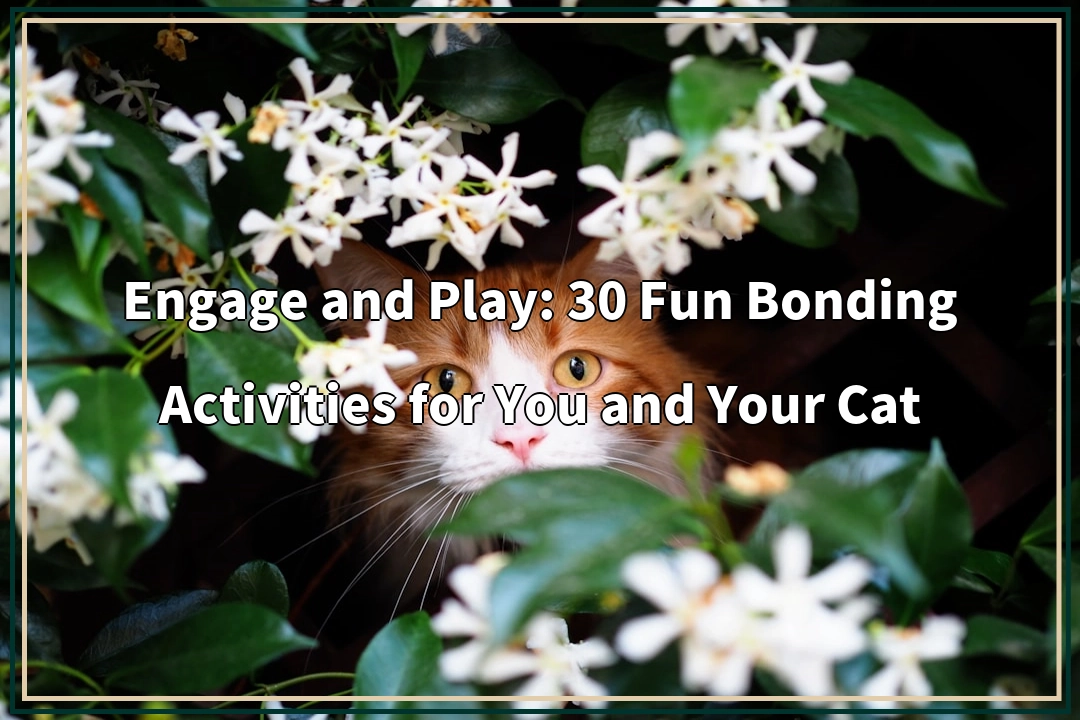
Discovering the Joy of Bonding with Your Feline Friend
Engaging in bonding activities with your cat is not just a way to pass the time; it’s an essential part of nurturing a healthy and loving relationship with your furry companion. Did you know that cats are social creatures that thrive on interaction and play? While they may have a reputation for being independent, many cats crave companionship and stimulation from their human counterparts. This is where bonding activities come into play, providing both mental and physical enrichment for your pet while strengthening the bond you share.
As cat owners, we often wonder how to connect with our pets on a deeper level. What activities can we engage in that will not only entertain our cats but also enhance our relationship with them? The answer lies in a variety of fun and interactive bonding activities that cater to your cat’s natural instincts and preferences. From playful games to quiet moments of grooming, these activities can transform your home into a haven of joy and connection.
In this blog, we will explore 30 engaging bonding activities that you can enjoy with your cat. These activities are designed to cater to different personalities and preferences, ensuring that every cat can find something they love. Whether your feline friend is a playful kitten or a more reserved adult cat, there are plenty of ways to engage and play together, fostering a sense of trust and companionship.
Understanding Cat Bonding Activities
Bonding activities for cats encompass a wide range of interactions that promote connection and trust between you and your pet. These activities can include anything from interactive play sessions with toys to quiet moments spent cuddling or grooming. The key is to engage in activities that resonate with your cat’s natural behaviors and instincts, allowing them to express themselves while also enjoying your company.
Historically, cats have been companions to humans for thousands of years, dating back to ancient civilizations where they were revered for their hunting skills and companionship. As domesticated animals, cats have adapted to living alongside humans, but they still retain many of their wild instincts. Understanding these instincts is crucial when selecting bonding activities, as it allows you to create experiences that are both enjoyable and fulfilling for your cat.
For instance, many cats enjoy activities that mimic hunting behaviors, such as chasing toys or engaging in interactive play. These activities not only provide physical exercise but also stimulate your cat’s mind, keeping them engaged and happy. Additionally, grooming sessions can serve as a bonding experience, as they allow for close physical contact and help to reinforce trust between you and your cat.
Moreover, creating a cozy environment where your cat feels safe and secure is essential for successful bonding. This can include providing comfortable resting spots, engaging in gentle play, and respecting your cat’s boundaries. By understanding your cat’s unique personality and preferences, you can tailor bonding activities that resonate with them, ultimately leading to a stronger and more fulfilling relationship.
In summary, bonding activities are a vital aspect of cat ownership that can enhance the quality of life for both you and your feline friend. By engaging in fun and interactive experiences, you can foster a deeper connection, promote trust, and ensure that your cat feels loved and valued. In the following sections, we will delve into specific activities that you can try with your cat, providing you with a comprehensive guide to strengthening your bond through play and engagement.

Understanding Your Cat’s Unique Traits
When it comes to bonding activities, understanding your cat’s unique characteristics is essential. Cats are fascinating creatures with a rich history that shapes their behavior and interactions with humans. The term “cat” originates from the Latin word “cattus,” which itself is derived from the Greek word “katta.” This linguistic evolution reflects the long-standing relationship between humans and these enigmatic animals, dating back thousands of years. Cats were revered in ancient cultures, particularly in Egypt, where they were associated with the goddess Bastet, symbolizing protection and fertility.
As domesticated animals, cats have developed distinct traits that set them apart from their wild ancestors. These characteristics include their playful nature, curiosity, and social behaviors. Playfulness is a significant aspect of a cat’s personality, often seen in their love for chasing toys, pouncing on moving objects, and engaging in interactive play with their human companions. This playful behavior is not just for entertainment; it serves as a vital outlet for their energy and helps them hone their hunting skills.
Curiosity is another defining trait of cats. They are naturally inquisitive creatures, often exploring their surroundings and investigating new stimuli. This curiosity can lead to engaging bonding activities, as you can create environments that stimulate their senses and encourage exploration. For instance, providing climbing structures, interactive toys, and hiding spots can keep your cat entertained and mentally stimulated.
Social behavior is also an essential characteristic of cats. While they are often perceived as solitary animals, many cats thrive on social interaction, both with humans and other pets. Understanding your cat’s social needs can help you tailor bonding activities that cater to their personality. Some cats may enjoy interactive play sessions, while others may prefer quiet moments of affection and grooming. Recognizing these preferences is key to building a strong bond with your feline friend.
In summary, understanding your cat’s unique traits and characteristics is crucial for engaging in effective bonding activities. By recognizing their playful nature, curiosity, and social behaviors, you can create enriching experiences that foster a deeper connection between you and your cat.
Essential Care for a Happy and Healthy Cat
Providing proper care for your cat is vital to ensuring their overall health and well-being. A well-rounded approach to care includes attention to their diet, health issues, and regular veterinary check-ups. Understanding your cat’s nutritional needs is the first step in promoting a healthy lifestyle.
Cats are obligate carnivores, meaning their diet must primarily consist of meat. This dietary requirement is rooted in their evolutionary history, as their wild ancestors relied on hunting for survival. A balanced diet for your cat should include high-quality protein sources, such as chicken, turkey, or fish, along with essential nutrients like vitamins and minerals. When selecting cat food, look for products that list meat as the primary ingredient and avoid those with excessive fillers or artificial additives.
In addition to protein, cats require specific nutrients to maintain their health. Taurine, an amino acid found in animal tissues, is crucial for heart and eye health. Omega-3 and Omega-6 fatty acids support skin and coat health, while fiber aids in digestion. It’s essential to choose a cat food that meets these nutritional requirements and is appropriate for your cat’s age, weight, and activity level.
Monitoring your cat’s weight is also important, as obesity can lead to various health issues, including diabetes, joint problems, and heart disease. Regular exercise through playtime and interactive activities can help maintain a healthy weight and keep your cat physically fit. Engaging in bonding activities that encourage movement, such as chasing toys or climbing, can be beneficial for both their physical and mental health.
Common health concerns for cats include dental issues, urinary tract problems, and parasites. Regular veterinary check-ups are essential for early detection and prevention of these issues. Dental health is often overlooked, but it plays a significant role in your cat’s overall well-being. Providing dental treats, toys, and regular tooth brushing can help maintain good oral hygiene.
Additionally, be aware of signs of illness, such as changes in appetite, behavior, or litter box habits. Early intervention can make a significant difference in your cat’s health outcomes. Vaccinations and preventive care, such as flea and tick treatments, are also crucial in keeping your cat healthy and happy.
In conclusion, providing essential care for your cat involves understanding their dietary needs, monitoring their health, and engaging in regular veterinary check-ups. By prioritizing their well-being, you can ensure that your feline friend remains happy, healthy, and ready to enjoy all the bonding activities you have planned together.

Embracing Life with Your Feline Companion
Living with a cat involves understanding their unique personality traits and how they interact with their environment. Cats are often seen as independent creatures, but they can also form strong bonds with their human companions and exhibit various social behaviors. When integrating a cat into your home, it’s essential to consider their compatibility with family members, other pets, and the overall household dynamic.
Cats generally have varying temperaments depending on their breed and individual personality. Many cats thrive in a family environment where they receive attention, affection, and stimulation. They can be playful and curious, making them excellent companions for children. However, it’s crucial to teach children how to interact with cats gently and respectfully, as not all cats enjoy being handled or chased. Supervised interactions can foster a positive relationship between your cat and your children.
In homes with other pets, the integration process may require patience and gradual introductions. While some cats are naturally sociable and adapt well to living with dogs or other cats, others may be more territorial or shy. Observing your cat’s behavior during introductions is essential; ensuring that each pet has their own space can help alleviate stress and encourage positive interactions.
Activity needs are another important consideration when living with a cat. While some breeds, like the Abyssinian or Bengal, are known for their high energy levels and need for stimulation, others may be more laid-back and content with lounging. Regardless of their energy level, all cats benefit from regular playtime and mental enrichment. Engaging in bonding activities such as interactive play with toys, puzzle feeders, and climbing structures can help satisfy their activity needs and keep them entertained.
Creating an enriching environment for your cat is key to their happiness. Providing scratching posts, cat trees, and safe spaces for exploration can help keep your feline friend active and engaged. Regular play sessions can also help strengthen the bond between you and your cat, ensuring they feel loved and stimulated. Overall, understanding your cat’s compatibility with your lifestyle and their activity needs will create a harmonious living environment for both you and your feline companion.
Your Cat Questions Answered
As cat owners or prospective cat parents, it’s natural to have questions about caring for and bonding with your feline friend. This FAQ section addresses some common inquiries that can help enhance your understanding and experience with your cat.
What are the best bonding activities for my cat?
Bonding activities can vary based on your cat’s personality, but some popular options include interactive play with feather wands, laser pointers, or toy mice. Puzzle feeders and treat-dispensing toys can also engage your cat’s mind while providing a reward. Additionally, grooming sessions and quiet cuddle time can strengthen your bond.
How can I tell if my cat is happy?
A happy cat often displays certain behaviors, such as purring, kneading, and playfulness. They may also seek out your company, show relaxed body language, and enjoy being petted. A well-adjusted cat will have a healthy appetite and maintain a good grooming routine.
What should I do if my cat is not bonding with me?
Building a bond with your cat takes time and patience. Ensure that you are respecting their space and allowing them to approach you on their terms. Engage in gentle play, offer treats, and create a safe environment for them. If your cat continues to be distant, consider consulting with a veterinarian or animal behaviorist for additional strategies.
How much playtime does my cat need each day?
While the amount of playtime can vary based on your cat’s age and energy level, most cats benefit from at least 15-30 minutes of interactive play each day. Incorporating multiple short play sessions throughout the day can help satisfy their need for stimulation and exercise.
Are there specific toys that are best for bonding with my cat?
Interactive toys, such as feather wands, laser pointers, and puzzle feeders, are excellent for bonding. These toys encourage engagement and provide opportunities for you to play together. Additionally, soft toys or balls that your cat can bat around can be great for solo play, while still allowing you to join in when desired.
In summary, understanding your cat’s needs and preferences is crucial for creating a loving and stimulating environment. Engaging in bonding activities and addressing common concerns will not only enhance your relationship but also ensure your cat’s happiness and well-being.
