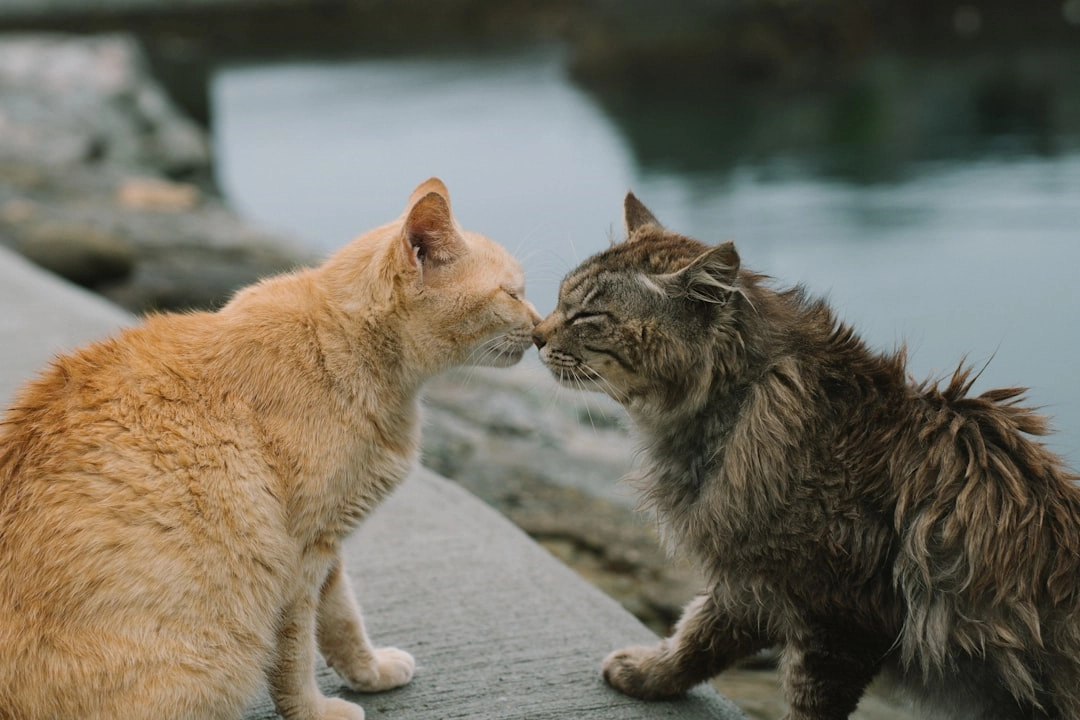
Engaging Cat Toy Rotation Games: A Playful Introduction
When it comes to keeping our feline friends entertained and mentally stimulated, engaging cat toy rotation games are a fantastic solution. Cats are naturally curious creatures, and their playful instincts drive them to explore, hunt, and interact with their environment. However, many cat owners may not realize that the toys we provide can significantly impact their behavior and overall well-being. Did you know that rotating your cat’s toys can enhance their playtime experience and keep them engaged for longer periods? This simple yet effective strategy can help prevent boredom and promote a healthier lifestyle for your furry companion.
In this blog, we will delve into the world of cat toy rotation games, exploring how they can benefit your cat’s mental and physical health. By understanding the importance of variety in play, you can create an enriching environment that caters to your cat’s natural instincts. From interactive puzzle toys to simple DIY options, we will cover a range of ideas that can transform your cat’s playtime into an exciting adventure. So, let’s embark on this journey to discover how engaging cat toy rotation games can lead to happier, healthier felines!
Decoding Feline Behavior: The Psychology Behind Play
Understanding your cat’s behavior is crucial for providing the best care and enrichment possible. Cats are complex animals with unique personalities, and their behaviors often stem from their natural instincts. One of the most significant aspects of feline psychology is their innate hunting drive. Even domesticated cats retain the instincts of their wild ancestors, which means they require mental stimulation and physical activity to thrive.
When we observe our cats playing, we often see them pouncing, stalking, and batting at toys as if they were hunting prey. This behavior is not just for fun; it serves a vital purpose in their development and well-being. Engaging in play helps cats hone their hunting skills, providing them with an outlet for their energy and instincts. By incorporating rotation games into their playtime, we can mimic the unpredictability of hunting, keeping their minds sharp and their bodies active.
Common behaviors such as purring, kneading, and scratching also play a role in understanding feline psychology. Purring, for instance, is often associated with contentment, but it can also indicate stress or discomfort. Kneading, on the other hand, is a behavior that stems from kittenhood, where cats knead their mother’s belly to stimulate milk flow. Scratching is a natural instinct that helps cats maintain their claws and mark their territory. Recognizing these behaviors can help you tailor your cat’s playtime to meet their specific needs.
Moreover, different breeds may exhibit varying behaviors and play styles. For example, Siamese cats are known for their vocal nature and high energy levels, while Persians tend to be more laid-back and enjoy gentle play. Understanding these breed-specific traits can help you choose the right toys and rotation strategies that align with your cat’s personality.
Incorporating engaging cat toy rotation games into your cat’s routine not only satisfies their natural instincts but also strengthens the bond between you and your pet. By observing their reactions to different toys and play styles, you can gain valuable insights into their preferences and behaviors. This knowledge allows you to create a more enriching environment that caters to their unique needs, ultimately leading to a happier and healthier feline companion.
In conclusion, understanding feline behavior is essential for providing the best care and enrichment for your cat. By recognizing their natural instincts and incorporating engaging cat toy rotation games into their playtime, you can create a stimulating environment that promotes mental and physical well-being. So, let’s continue to explore the exciting world of cat toys and discover how to keep our furry friends entertained and happy!
Effective Strategies for Training Your Feline Friend
Training your cat may initially seem challenging, yet it can be one of the most rewarding experiences for both you and your pet. Just like dogs, cats can be trained using specific methods that allow them to learn tricks and desirable behaviors. This is crucial not only for improving your home environment but also for deepening the bond between you and your feline companion. This blog will examine why cat training is important, as well as delve into the basic principles that define effective animal training.
The primary benefit of training lies in the enhanced communication and relationship it creates between you and your cat. A trained cat understands your cues better, which reduces misunderstandings that often lead to behavioral issues. For instance, if you teach your cat to respond to a specific command or call, it sets the stage for cooperative interaction. Conversely, an untrained cat might act out or engage in behaviors that disrupt the household, demonstrating a lack of comprehension and causing frustration for you both.
It’s essential to acknowledge that training techniques for cats may differ from those used for dogs. Cats tend to be more independent and can be less motivated by traditional praise or discipline methods. Instead, the concept of positive reinforcement becomes a critical aspect of cat training. This involves rewarding desirable behavior to encourage repetition, catering to a cat’s innate desire to satisfy their curiosity or engage in their playful nature.
Different methods can be employed to facilitate cat training. For example, clicker training effectively uses a simple sound to indicate correct behavior that warrants a treat. This creates a reliable and distinct association between the sound and the reward. Consistency is also fundamental; using the same words and commands facilitates quick learning. Furthermore, keep sessions brief and lighthearted—after all, your kitty’s attention span may not match that of a dog! Training should incorporate play, allowing your cat to experience the thrill of learning without feeling stress.
By reinforcing good behaviors such as using a scratching post instead of furniture or appropriate bathroom habits, training fosters better routines in a cat’s daily life. For each new skill learned, the cat becomes more adaptable to diverse situations, decreasing overall stress for both of you. This is especially vital as issues such as litter box problems can often stem from anxiety or discomfort. Hence, establishing a foundation of training can effectively mitigate potential behavioral challenges in the long run.
Proactive Approaches to Behavior Management in Cats
Understanding your cat’s unique behaviors is equally important in addressing any behavioral issues that may arise. Fortunately, when equipped with knowledge, cat owners can proactively prevent or solve most behavioral challenges encountered. As the best caretakers of our furry companions, creating an environment for successful behaviors requires awareness of their instincts, individual personality traits, and effective solutions.
Some common behavioral issues include litter box avoidance, excessive vocalization, scratching inappropriate surfaces, or territorial aggression. Identifying the root cause of these behaviors can assist in formulating workable solutions. For instance, if a cat is avoiding its litter box, consider checking the litter type, cleanliness, or even the placement of the box itself. Certain scents or environments might disturb your cat, therefore creating alternate options can guide a preferred behavior.
In cases like excessive scratching, providing a variety of scratching surfaces, including vertical and horizontal posts, can mitigate inappropriate behaviors. It’s also valuable to employ positive reinforcement by immediately rewarding your cat whenever they use the designated areas for scratching. Furthermore, pheromone diffusers can help create a calm space that eases anxieties contributing to unwanted behaviors. Ensuring proper stimulation, both mentally and physically, is vital for a happy and well-adjusted cat.
While many behaviors can be corrected or trained out, there may be instances that demand the help of a professional, such as when facing aggressive behaviors or instances of anxiety severely impacting their life. Notably, trained behaviorists or veterinarians specialized in feline behaviors can offer solutions personalized for your cat’s individual nature, verifying methods fit a behavioral assessment.
Knowledge and sensitivity towards a cat’s mood—like knowing when they’re playful versus when they’re feeling retreating or hiding— can inform the decision of when to call upon expert help. Furthermore, continuing to educate oneself about proper feline behavior through research, community groups, and local training sessions creates the foundation for ownership committed to responsible pet care.
Ultimately, the combined efforts of training, awareness, and proper management become a lovely synergy. Recognizing signs, proactively addressing issues, and training capabilities doesn’t simply address problems but fosters an enriched relationship, enhancing life for you and your charming feline friend! By embracing the unique identity that your cat embodies through growth—together, forging engagement avenues elevates both playtime and lifestyle collectively.

Maximizing Feline Fun: The Role of Enrichment in Play
When it comes to ensuring our feline companions are happy and healthy, playtime is essential. Engaging cat toy rotation games provide a vital opportunity for enrichment and stimulation, which can greatly enhance your cat’s quality of life. Mental and physical stimulation through interactive play helps prevent boredom and related behavioral issues, such as destructive scratching or excessive vocalization. Understanding the importance of enrichment in your cat’s daily routine can significantly improve their overall well-being.
At its core, enrichment refers to providing an environment that stimulates your cat’s natural instincts and behaviors. Cats are instinctual hunters, and engaging them in play mimics the activities they would naturally undertake in the wild. This can include stalking, pouncing, and capturing their “prey.” By rotating toys and incorporating different play styles, you can keep your cat mentally alert and physically active, thereby promoting a healthier lifestyle.
Incorporating various types of toys into your cat’s playtime can stimulate their senses and provide the necessary exercise they need. Puzzle toys, for example, can challenge your cat’s intellect and encourage problem-solving. These toys often involve hidden treats or mechanisms that require the cat to manipulate the toy to access the reward. Such mental challenges not only engage your cat but also provide satisfaction and a sense of accomplishment.
Physical stimulation is equally important. Engaging your cat in active play helps to burn off excess energy, reducing the likelihood of behavioral problems that arise from boredom or frustration. Interactive toys, such as feather wands or laser pointers, encourage your cat to leap, chase, and run, allowing them to engage in natural hunting behaviors. This kind of exercise is crucial, especially for indoor cats who may not have access to the outdoor environment to expend their energy.
Moreover, the act of play strengthens the bond between you and your cat. Engaging in interactive play fosters trust and companionship, creating a positive relationship that enhances your cat’s emotional health. Cats that are emotionally secure are less likely to develop anxiety or exhibit destructive behaviors, leading to a more harmonious living environment for both you and your pet.
By understanding the significance of enrichment and play, you can create a dynamic and engaging atmosphere for your cat. Regularly rotating toys and introducing new ones will keep your cat curious and excited about playtime, ensuring that they receive the mental and physical stimulation they require to thrive. In turn, this can lead to a happier, healthier feline friend who is more balanced and well-adjusted in their behavior.
Clearing the Air: Frequently Asked Questions About Cat Play
As with any topic, misconceptions and questions often arise regarding engaging cat toy rotation games and enrichment. Here, we will address some common questions to provide clarity and help cat owners better understand how to enhance their pet’s play experience.
**Q: Is it necessary to rotate my cat’s toys?**
A: Yes! Rotating your cat’s toys can significantly enhance their play experience. Cats can become bored with the same toys over time, leading to disinterest in play. By rotating toys every few days or weeks, you can maintain your cat’s curiosity and excitement, encouraging them to engage more actively in play.
**Q: How do I know which toys my cat will like?**
A: Every cat is unique, and their preferences can vary. It may take some experimentation to discover which toys your cat enjoys the most. Pay attention to their natural behaviors—if they enjoy chasing, consider toys that mimic prey, like feather wands or small balls. If they like to pounce, look for toys that allow for that action, such as interactive puzzle toys.
**Q: How much playtime does my cat need?**
A: The amount of playtime can vary depending on your cat’s age, health, and energy level. Generally, aim for at least 15-30 minutes of active play each day. For younger, more energetic cats, you may need to engage in multiple play sessions to keep them entertained and exercised. Always observe your cat’s behavior to gauge their play needs and adjust accordingly.
**Q: Can too much playtime be harmful?**
A: While playtime is essential, it’s crucial to observe your cat for signs of fatigue or overstimulation. Cats may exhibit behaviors such as biting, swatting, or attempting to escape when they have had enough. If you notice these signs, it may be time to end the play session. It’s important to balance play with rest, ensuring your cat can recharge between activities.
**Q: Do all cats need the same type of enrichment?**
A: No, enrichment needs can vary significantly among individual cats based on factors like age, breed, and personality. Some cats may thrive on interactive toys, while others may prefer solo activities, like puzzle feeders. It’s important to tailor enrichment activities to your cat’s specific needs and preferences to maximize engagement and enjoyment.
By addressing these common questions and misconceptions, cat owners can better navigate the world of feline enrichment and play. Understanding the nuances of your cat’s preferences and behaviors will lead to more engaging playtime experiences, ultimately fostering a happier, healthier feline companion.
