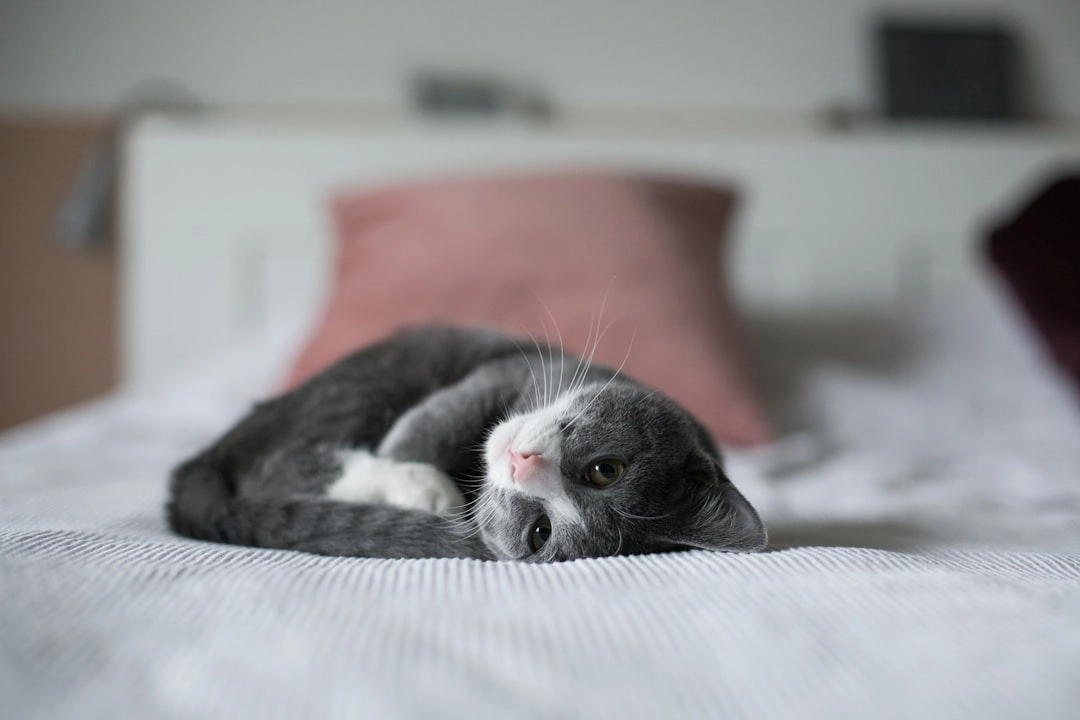
Unlocking the Joy of Feline Reflection Games
Engaging your cat in play is not just a way to keep them entertained; it’s a vital aspect of their overall well-being. Feline Reflection Games are an innovative approach to enriching your cat’s life, tapping into their natural instincts and providing mental stimulation. Did you know that cats are not just solitary hunters but also social creatures that thrive on interaction? This surprising fact highlights the importance of understanding your feline friend’s needs and behaviors. By incorporating reflection games into your cat’s routine, you can foster a deeper bond while ensuring they remain active and mentally sharp.
As we delve into the world of Feline Reflection Games, we will explore how these activities can enhance your cat’s life. From understanding their natural instincts to recognizing the significance of play, this blog will guide you through the essentials of engaging your cat in meaningful ways. Whether you are a seasoned cat owner or a new pet parent, the insights shared here will help you create a stimulating environment that caters to your cat’s unique personality and preferences.
Decoding Feline Behavior: The Key to Engaging Play
To effectively engage your cat in Feline Reflection Games, it’s crucial to understand the basics of feline psychology. Cats are complex creatures with a rich tapestry of behaviors that stem from their evolutionary history. Their natural instincts drive them to explore, hunt, and interact with their environment. Understanding these instincts can help you create games that resonate with your cat’s innate behaviors.
One of the most fundamental aspects of feline behavior is their hunting instinct. Cats are natural predators, and even the most domesticated ones retain this instinct. They are wired to stalk, pounce, and capture their prey. Feline Reflection Games can mimic these hunting behaviors, allowing your cat to engage in activities that satisfy their predatory drive. For instance, using toys that mimic the movement of small animals can trigger your cat’s instinct to chase and capture, providing both physical exercise and mental stimulation.
Another common behavior among cats is their need for territory. Cats are territorial animals, and they often express this through marking their space with scent or by scratching. Understanding this behavior can help you create a safe and enriching environment for your cat. Providing scratching posts, climbing structures, and designated play areas can help satisfy their territorial instincts while also keeping them engaged in play.
Additionally, social interaction plays a significant role in feline behavior. While cats are often perceived as solitary animals, many enjoy the company of their human companions and other pets. Engaging your cat in interactive play not only strengthens your bond but also fulfills their social needs. Feline Reflection Games can be designed to include both solo and interactive elements, allowing your cat to enjoy the best of both worlds.
Common behaviors such as purring, kneading, and vocalizations also provide insight into your cat’s emotional state. For example, purring is often associated with contentment, while kneading can indicate comfort and affection. By observing these behaviors, you can tailor your Feline Reflection Games to align with your cat’s mood and preferences. If your cat is feeling playful, you might introduce a game that involves chasing a feather toy, while a more relaxed cat might enjoy a gentle game of hide-and-seek with a soft toy.
Moreover, breed-specific behaviors can influence how your cat engages with play. Different breeds have unique traits and tendencies that can affect their play style. For instance, Siamese cats are known for their vocal nature and high energy levels, making them more likely to engage in interactive games. On the other hand, Persian cats may prefer more subdued activities that allow them to lounge and observe their surroundings. Understanding these breed-specific behaviors can help you select the right types of Feline Reflection Games that cater to your cat’s individual personality.
In conclusion, engaging your cat through Feline Reflection Games is a rewarding experience that benefits both you and your feline friend. By understanding the intricacies of feline behavior, you can create a stimulating environment that encourages play, exploration, and social interaction. Whether through mimicking hunting behaviors, providing territorial enrichment, or recognizing the emotional cues of your cat, these games can enhance your cat’s quality of life and strengthen your bond. So, get ready to unleash the joy of play and watch your cat thrive in a world of reflection and engagement!
Empowering Your Cat Through Effective Training
Training your cat is essential for fostering a happy and harmonious household. It’s often a common misconception that cats are too independent to train, but the truth is that cats are remarkably capable of learning, adapting, and responding positively to various forms of training. By establishing a training routine, owners can help their feline companions develop desirable behaviors and enrich their overall lives. Effective training not only strengthens the bond between you and your pet but also alleviates common behavior problems that can arise when cats feel frustrated or undisciplined.
One of the significant benefits of training is the aspect of enhancing communication between you and your cat. By utilizing basic commands and creating a cooperative training process, cats learn to respond effectively. Positive reinforcement, a widely used training method, helps reinforce the bond and communication process by rewarding desired behaviors with treats or praise. Cats not only learn what is expected of them but also get more joy from interacting positively with their human companions. This is crucial as it leads to a more relaxed and engaged feline, ready to play Feline Reflection Games with you!
Another advantage of proper training for your cat includes helping mitigate potential behavioral issues. Many cats develop anxious or destructive behaviors when they aren’t given mental and physical stimulation. Training provides both while reinforcing the idea that following your commands brings positive outcomes. With consistent guidance, your cat learns where and how it’s safe to explore within its environment, leading to self-assurance and exploration rather than confusion or mischief.
The fundamentals of feline training often center around basic steps that even novice pet owners can adopt easily. Start by identifying the type of behavior you wish to encourage in your cat. Whether it is using a litter box appropriately or coming when called, prioritize simple commands. Begin small, using positive reinforcements that reward correct behavior, such as treats, petting, or playtime with toys. Remember, patience is essential; not every session will yield instant results. Felines have unique personalities and a varied capacity for learning and repetition, similar to dogs. So allow time and gradual progress through repeated sessions.
One prevalent and effective training exercise is clicker training. Clicker training utilizes a click sound that informs your cat they’ve done something right at that moment and reinforces good behavior instantly, paired with the treat as an added incentive. Additionally, it’s important to keep the sessions short, as cats generally have shorter attention spans compared to other domesticated pets. Sessions of just 5 to 10 minutes are often more beneficial and productive than extensive training time, which may lead to an overloaded learning experience.
Identifying and Correcting Common Feline Behavior Problems
Like any other pet, cats can exhibit behavioral issues that often stem from frustration or inadequacies in training or understanding between the pet and its owner. Here, it’s vital for the pet owner to recognize any signs of stress, anxiety, or problem behaviors early and address them appropriately. This proactive approach guarantees the felines stay mentally engaged and remain part of the household in a constructive way.
Some of the most common behavior issues observed in cats include inappropriate elimination, scratching furniture, excessive vocalization, or aggression towards people or other pets. These issues arise from various stress factors, indicating your cat requires intervention in the form of reconditioning the behavior or providing better coping methods.
In cases where a cat’s toileting outside the litter box occurs, the first step is usually to revisit its litter box. This often includes making sure the box is clean, located in a quiet but accessible spot, and comes equipped with the substrate type the cat finds pleasant. Sometimes, stressors unrelated to the litter box might play a part; an introduction of a new environment, pet, or sudden changes can lead your cat to act out. Observing them closely can guide you in addressing the particular source causing them discomfort.
Aggression in cats can arise in several ways, often observable during play, territorial behaviors, or discomfort with handling. Utilizing methods of gradual socialization paired with deterring aggressive play into calm interactivity through designated feline games can help settle these tendencies over time. If aggression persists and begins affecting their interaction within the household, consulting with an animal behaviorist can provide tailored solutions.
The key takeaway here for resolving behavioral concerns remains understanding your pet’s mindset and acting swiftly and calmly to provide ample support during re-conditioning. Each feline behavior situation might differ based on environment, training intensity, and regularity of routines upheld. Being diligent and making changes effective in practices alleviates potential major misbehavior circumstances.
Ultimately, engaged training contributes majorly to the joys and gratifications you will share with your feline family member. Equipping them with strategies, abilities, and abilities through reinforced training while diligently addressing any behavior imperfections leads not only to efficient but richer experiences overall! Keep searching for different ways to incorporate a joyful play atmosphere within their day, and together you will succeed and delightfully play feline games reflective of engaging conversations you’ve instigated. Embrace it with persistent love and commitment because a well-train cat acts ensures boundless adventures waiting for discovery ahead!

Maximizing Feline Happiness Through Play and Enrichment
Creating a stimulating environment for your cat is crucial for their overall well-being and happiness. Feline Reflection Games are an excellent way to provide both mental and physical stimulation, allowing your cat to engage in activities that mimic their natural instincts. Engaging your cat through play not only fosters their innate behaviors but also strengthens the bond between you and your feline friend. The importance of enrichment cannot be overstated, as it serves to prevent behavioral issues that often arise from boredom and lack of stimulation.
Mental stimulation is essential for cats, as they are intelligent creatures that require activities that challenge their cognitive abilities. Engaging your cat in interactive play, such as Feline Reflection Games, can significantly reduce the risk of developing behavioral problems like scratching furniture, excessive meowing, or even aggression. By providing various types of enrichment—such as puzzle toys, climbing structures, and interactive games—you allow your cat to explore their environment and engage their natural hunting instincts.
Physical stimulation is equally important, as it helps maintain your cat’s physical health and fitness. Regular playtime helps prevent obesity and associated health issues while also promoting healthy muscle tone and agility. Feline Reflection Games often incorporate movement, allowing your cat to run, jump, and pounce—activities that are essential for their physical well-being. When cats are physically active, they are less likely to engage in destructive behaviors, making it a win-win for both pet and owner.
One of the best ways to ensure your cat receives adequate enrichment is to create a varied play routine that incorporates different types of games and activities. This could include using feather wands, laser pointers, or even interactive toys that dispense treats. Incorporating a mix of solo and interactive play sessions helps cater to your cat’s preferences and ensures they receive a well-rounded experience. The key is to keep the play sessions fresh and exciting, allowing your cat to explore new challenges and stimuli regularly.
In addition to traditional toys, consider utilizing household items to create makeshift play experiences. Simple items like cardboard boxes, paper bags, and crumpled paper can spark your cat’s curiosity and provide hours of entertainment. These inexpensive alternatives allow for creative play and encourage exploration, keeping your cat engaged and mentally stimulated.
Furthermore, it is crucial to pay attention to your cat’s behavior and preferences. Some cats may prefer chasing toys, while others may enjoy interactive games that require problem-solving. By observing your cat during playtime, you can tailor activities to their unique personality and interests. This personalized approach to play ensures that your cat remains engaged and stimulated, ultimately leading to a happier and healthier feline.
Clearing Up Misconceptions About Feline Play and Enrichment
As we explore the topic of Feline Reflection Games and enrichment, it is essential to address common questions and misconceptions that may arise. Understanding these points can help cat owners provide better care and engagement for their pets.
One prevalent misconception is that cats do not need as much stimulation as dogs. While it is true that cats may not require as much social interaction, they still need mental and physical engagement to thrive. Many people underestimate the intelligence of cats, believing that they can entertain themselves without any assistance. In reality, cats are curious and social animals that benefit greatly from interactive play and mental challenges. Providing a variety of enrichment activities is essential for their overall well-being.
Another common myth is that indoor cats do not need enrichment or playtime. This notion is misleading, as indoor cats can easily become bored and develop behavioral issues if not provided with sufficient stimulation. While outdoor cats have the opportunity to explore their environment, indoor cats rely on their owners to create engaging experiences. Incorporating Feline Reflection Games and various forms of enrichment into your indoor cat’s routine can help alleviate boredom and promote a healthier lifestyle.
Some cat owners may also believe that their cats will only enjoy specific types of toys or games. However, each cat is unique, and preferences can vary widely. It is essential to experiment with different types of toys and activities to discover what resonates with your cat. Some may enjoy chasing feather toys, while others may prefer interactive puzzle feeders. The key is to keep trying new things until you find the right combination that captures your cat’s interest.
Lastly, some owners may think that playtime should be limited to specific times of the day. In reality, cats are crepuscular animals, meaning they are most active during dawn and dusk. While scheduled playtime is essential, allowing for spontaneous play sessions throughout the day can also benefit your cat’s mental and physical health. Keeping toys accessible and engaging with your cat during various times of the day can lead to a more active and satisfied feline.
In summary, engaging your cat through Feline Reflection Games and providing enrichment is vital for their happiness and well-being. By understanding the importance of mental and physical stimulation and addressing common misconceptions, you can create a stimulating environment that fosters your cat’s natural instincts and promotes a healthy lifestyle. Remember, a well-engaged cat is a happy cat!
