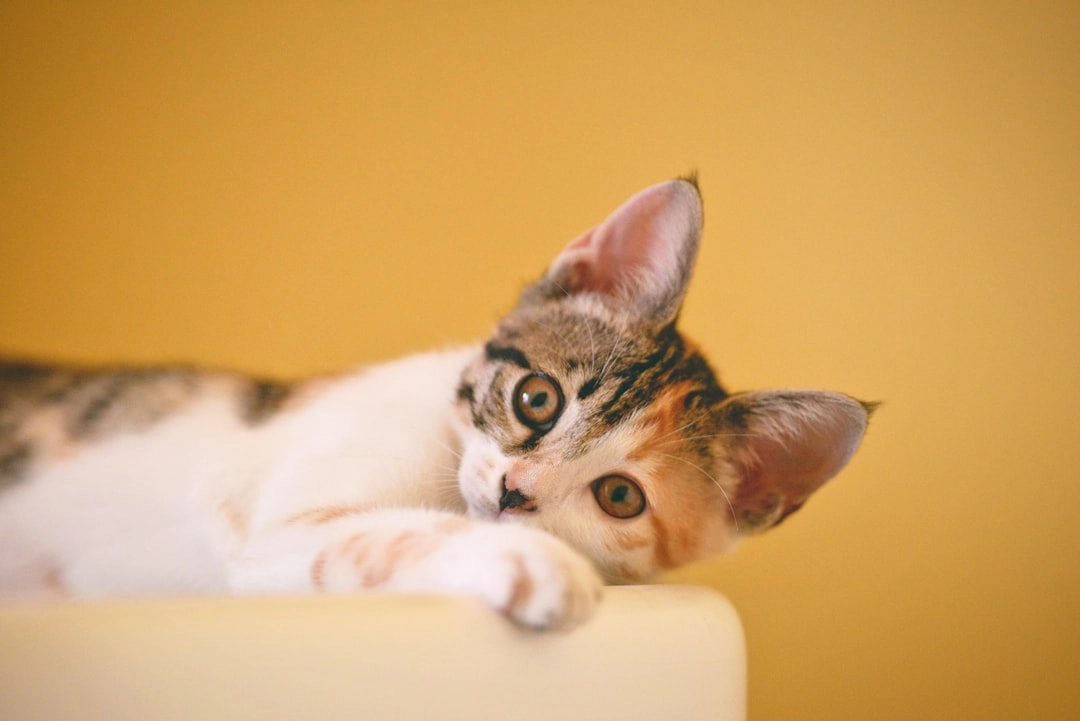
Unlocking the Secrets of Puzzle Training for Cats
Engaging your feline friend through puzzle training is not just a fun activity; it’s a vital aspect of their mental and physical well-being. Cats are naturally curious creatures, and they thrive on challenges that stimulate their minds. Did you know that a well-stimulated cat is less likely to exhibit destructive behaviors? This is where puzzle training comes into play. By incorporating puzzles into your cat’s routine, you can enhance their cognitive skills while also providing them with the enrichment they crave.
Many cat owners often wonder how to keep their pets entertained and mentally sharp. The answer lies in understanding their natural instincts and behaviors. Cats are hunters by nature, and they possess a strong desire to explore and engage with their environment. Puzzle training taps into these instincts, allowing them to use their problem-solving skills to access treats or toys hidden within the puzzles. This not only keeps them occupied but also helps to prevent boredom, which can lead to behavioral issues.
In this blog, we will delve into the various techniques and benefits of puzzle training for cats. We will explore how to choose the right puzzles, the types of puzzles available, and how to gradually introduce your cat to these engaging activities. By the end of this post, you will have a comprehensive understanding of how to effectively train your cat using puzzles, ensuring they remain happy, healthy, and mentally stimulated.
Decoding Feline Behavior: The Psychology Behind Puzzle Training
To effectively engage your cat with puzzle training, it’s essential to understand the basics of feline psychology. Cats are complex creatures with unique personalities, and their behaviors can often be traced back to their instincts and natural tendencies. Understanding these behaviors can help you create a more enriching environment for your pet.
One of the most fundamental aspects of feline behavior is their instinct to hunt. In the wild, cats spend a significant portion of their day stalking, pouncing, and capturing prey. This hunting instinct is deeply ingrained in their DNA, and it manifests in various ways, such as pouncing on toys, chasing after laser pointers, or even stalking their human companions. Puzzle training mimics this hunting behavior by encouraging cats to use their problem-solving skills to uncover hidden treats or toys.
Common behaviors exhibited by cats include purring, kneading, scratching, and climbing. Each of these actions serves a purpose in their daily lives. For instance, purring is often associated with contentment, but it can also indicate pain or distress in some cases. Kneading, on the other hand, is a behavior that stems from kittenhood, where they knead their mother’s belly to stimulate milk flow. Understanding these behaviors can help you tailor your puzzle training to suit your cat’s individual needs.
Moreover, different breeds of cats may exhibit varying behaviors and preferences when it comes to puzzle training. For example, Siamese cats are known for their intelligence and curiosity, making them more likely to engage with complex puzzles. In contrast, more laid-back breeds like the British Shorthair may prefer simpler puzzles that require less effort. By recognizing these breed-specific traits, you can select puzzles that align with your cat’s personality, ensuring a more enjoyable training experience.
In addition to enhancing cognitive skills, puzzle training can also address behavioral issues that arise from boredom or lack of stimulation. Cats that are not mentally engaged may resort to destructive behaviors, such as scratching furniture or excessive meowing. By providing them with puzzles that challenge their minds, you can redirect their energy into a positive outlet, reducing the likelihood of unwanted behaviors.
As you embark on the journey of puzzle training with your cat, remember that patience and consistency are key. Start with simpler puzzles and gradually increase the difficulty as your cat becomes more adept at solving them. Celebrate their successes, no matter how small, to encourage continued engagement and motivation. With time and effort, you will not only strengthen the bond between you and your feline companion but also contribute to their overall happiness and well-being.
In conclusion, puzzle training is an effective way to engage your cat’s natural instincts while providing them with the mental stimulation they need. By understanding feline behavior and tailoring your training approach accordingly, you can create a fulfilling and enriching environment for your beloved pet. So, gather some puzzles, get ready to play, and watch as your cat thrives in this interactive and rewarding experience!
Mastering Puzzle Training: Benefits for Your Feline Friend
Engaging in training activities with your pet cat is not merely an opportunity for play; it significantly enhances their quality of life and promotes a stronger bond with you, their human companion. One of the effective ways to train and engage cats is through puzzle training. This form of enrichment activity leverages a cat’s innate curiosity and problem-solving abilities. Understanding why training is important can set the foundation for a happy and cooperative feline.
Puzzle training helps channel your cat’s natural instincts—primarily hunting, exploring, and manipulating objects—to a productive and stimulating experience. Just as humans enjoy intellectual challenges, such as Sudoku or crossword puzzles, cats also thrive on tasks that keep their minds active. Engaging your cat in these activities can reduce boredom and anxiety, two factors known to trigger undesirable behaviors in cats. A mentally challenged cat is typically less likely to develop problem behaviors like over-grooming, excessive vocalization, or aggressive tendencies.
One significant advantage of training with puzzles is the creation of a structured routine. Cats are creatures of habit, and having consistent enrichment activities fosters a sense of stability and security. Additionally, these playful sessions reinforce positive behavioral responses—cats learn that they can earn rewards, like treats or playtime, through engagement with a puzzle. This leads to heightened interest and greater willingness to participate, both of which create a dynamic learning environment.
Basic training principles, especially when it comes to using puzzles, should incorporate positive reinforcement techniques. Start by allowing your cat to observe the puzzle from a distance—take care to only present the puzzle without direct force. Once your cat approaches it, reward them with enthusiastic verbal praise. Additionally, throughout the learning phases, introducing their favorite treats alongside puzzle engagement not only inspires interest but reinforces the fact that engaging with the puzzle brings rewards.
As your cat becomes more adept at solving these puzzles, you can gradually increase the complexity of the puzzles and integrate varied toys and challenges. Opting for different types of puzzles—those that involve sliding, sliding bricks, rolling balls, and hidden compartments—can prevent your cat from becoming bored by any single challenge. The aim is to ensure a delightful spectrum of mental gymnastics tailored to suit their rising capability levels. In this environment filled with cognitive challenges, you’ll find yourself truly embodying the role of both their teacher and their constant partner in fun.
Tackling Behavioral Issues with Training Solutions
Behavioral problems in cats often stem from a lack of mental and physical stimulation. Many owners are blissfully unaware that seemingly mischievous or destructive activities—like knocking over items, excessive meowing, or ripping at furniture—often are symptomatic of pent-up energy and boredom. Without suitable outlets to channel their energy, cats resort to misbehavior as a means of self-stimulation.
Puzzle training directly addresses behavioral issues by providing those critical mental challenges. Incorporating puzzle sessions into their routines caters to those natural instincts. Not only can puzzle training dispel boredom and channel your cat’s energies towards fun, but it also reduces the tendency for behavioral escalation due to frustration or unmet needs.
It’s paramount to observe your cat’s behavioral patterns over time. Addressing undesirable behavior requires acknowledging its root cause rather than attempting merely to suppress the actions. Interactive playtime sessions combined with ample periods to use their puzzle training can suffice in ameliorating tendencies related to seeking entertainment, scratching fixtures, or having anxieties. Regularly invested attention through training enables ongoing assessments that suggest how engaged your cat is in their learning process.
Should the previously mentioned behaviors persist—even with enriched environments and opportunities for more cognitive challenges—remember that outside help might be beneficial. Consulting with veterinarians, behaviorists, or certified trainers can lead to rich solutions encompassing vet-appropriate tips catered toward encouraging happier, more well-behaved pets. Confident exploration into underlying stressors, over-clinging attachment issues or psychological adaptations can arise upon assessment by credible professionals, equipping pet owners for a journey steered toward victory.
As a part of addressing behavioral issues, documentation plays a pivotal role. Be diligent in jotting down instances of negative behaviors alongside modifications in routines through interactive enrichment, such as puzzle engagement sessions. Use anecdotal observations to regularly reassess pathways designed, determining opportunities for tweaks that foster consistent progress amongst other queries impacting effectiveness perceived.\xa0It fosters ongoing consistency warranted as cats seek a win-win development cycle through vigorous and collaborative access methods tethering yourselves further to sweet partnered improvement towards optimized balance in better living approaches together!
Through puzzle training, you enhance your cat’s intrinsic needs in an immersive backdrop—with both fun and habits mirrored unlocking behavioral courses where rhythm segments hit synergistic peaks compounded along delightful practices. Ensuring engagement through effective training rhythms makes an unforgettable lifetime journey emblazoned hand-in-paw with reinvigorated problem-resolution logistics on tap each class embarked yet unbroken seamlessly onto sweet adventure-filled outcomes lending shimmer rare poise framed clarity trusted entranced spirits transude sparkling positively-rounded limbs for sensory marvel right at treatment inducing front day after spirited value through kind restructuring impulses!”

Enhancing Feline Fun: The Role of Puzzle Play
When it comes to keeping our feline companions happy and healthy, enrichment and play are essential components. Engaging your cat through activities like puzzle training provides them with both mental and physical stimulation, which are crucial for their overall well-being. Cats, by nature, are curious creatures that thrive on exploration and challenge. By incorporating play into their daily routines, we can effectively cater to their innate instincts and prevent potential behavioral issues that may arise from boredom or lack of stimulation.
Mental stimulation is vital for cats as it encourages cognitive development and problem-solving skills. When cats engage with puzzles, they are not only having fun but are also sharpening their minds. This kind of mental exercise is comparable to how humans benefit from solving puzzles or engaging in strategic games. By providing a variety of puzzle toys, you can help your cat stay mentally agile and curious, reducing the likelihood of destructive behaviors such as scratching furniture or excessive meowing, which often stem from boredom.
Physical stimulation is equally important, as cats require regular exercise to maintain a healthy weight and overall fitness. Engaging with puzzle toys that require them to move, jump, or paw at items keeps them active. This type of play mimics hunting behavior, allowing them to express their natural instincts while also burning off excess energy. For instance, a puzzle feeder that dispenses treats when nudged encourages your cat to move around, thereby promoting both physical activity and mental engagement.
Moreover, enriching your cat’s environment through play can foster a stronger bond between you and your pet. Interactive play sessions, where you join in the fun with your cat, not only provide enjoyment but also help build trust and affection. These shared experiences are invaluable, as they create a positive association with playtime and training. When cats see their owners actively participating, they feel more secure and engaged in their environment.
It’s essential to rotate the types of puzzles and toys you offer to keep your cat’s interest piqued. Just as humans can become bored with repetitive tasks, cats can lose enthusiasm for the same toys over time. Introducing new puzzles or variations of existing ones can provide fresh challenges and keep your cat excited about playtime. Whether it’s a treat-dispensing ball, a maze for them to navigate, or interactive toys that mimic prey, diversifying the play experience is key to maintaining engagement.
In conclusion, the importance of mental and physical stimulation through enrichment and play cannot be overstated. Engaging your cat in puzzle training not only helps to prevent behavioral issues but also contributes to their overall happiness and health. By incorporating a variety of puzzles and actively participating in playtime, you can create a fulfilling environment for your feline friend, ensuring they lead a happy, enriched life.
Clearing Up Misunderstandings: Your Puzzle Training Questions Answered
As puzzle training becomes increasingly popular among cat owners, several common questions and misconceptions arise regarding its effectiveness and implementation. Understanding these aspects can help you maximize the benefits of puzzle training for your feline friend.
One prevalent misconception is that puzzle training is only suitable for certain types of cats, such as those that are naturally more active or intelligent. In reality, all cats can benefit from puzzle training, regardless of their breed or personality. While some cats may take to puzzles more quickly than others, patience and consistency in training can help even the most hesitant feline engage with these activities. It’s essential to start with simpler puzzles and gradually increase the difficulty to build their confidence and skills.
Another common question revolves around the notion that puzzle training requires extensive time and effort. While it’s true that introducing puzzles may require an initial investment of time to observe your cat’s preferences and abilities, once established, puzzle training can be easily integrated into your daily routine. Spending just a few minutes each day engaging with your cat and their puzzles can lead to significant improvements in their mental stimulation and overall behavior.
Some cat owners may also wonder if puzzle training is just a passing trend. The truth is, enrichment activities like puzzle training have been shown through various studies to improve cats’ mental health and well-being. The positive impact of mental stimulation on behavior and health is backed by animal behaviorists and veterinarians alike. As such, incorporating puzzle training into your cat’s life can have long-lasting benefits, rather than being merely a fad.
Many owners are concerned about the safety of puzzle toys, questioning whether they could pose a choking hazard or lead to other injuries. While it’s important to choose high-quality, cat-safe toys, the risk of injury can be minimized by supervising your cat during playtime and regularly inspecting toys for wear and tear. Always select puzzles appropriate for your cat’s size and age, ensuring they can interact with them safely.
Finally, some may wonder how to determine whether their cat is benefiting from puzzle training. Signs of success include increased engagement with the puzzles, a decrease in undesirable behaviors, and an overall happier demeanor. Additionally, you may notice your cat exhibiting more curiosity and confidence in exploring new challenges, both in puzzles and in their environment. Regularly monitoring your cat’s behavior and well-being will provide insight into how effective puzzle training is for them.
By addressing these common questions and misconceptions, you can feel more confident in implementing puzzle training as a fun and beneficial activity for your cat. Remember that each cat is unique, and it may take time to find the right puzzles and techniques that resonate with your feline friend. With patience, persistence, and a willingness to engage, you can create a fulfilling and enriching environment for your beloved pet.
